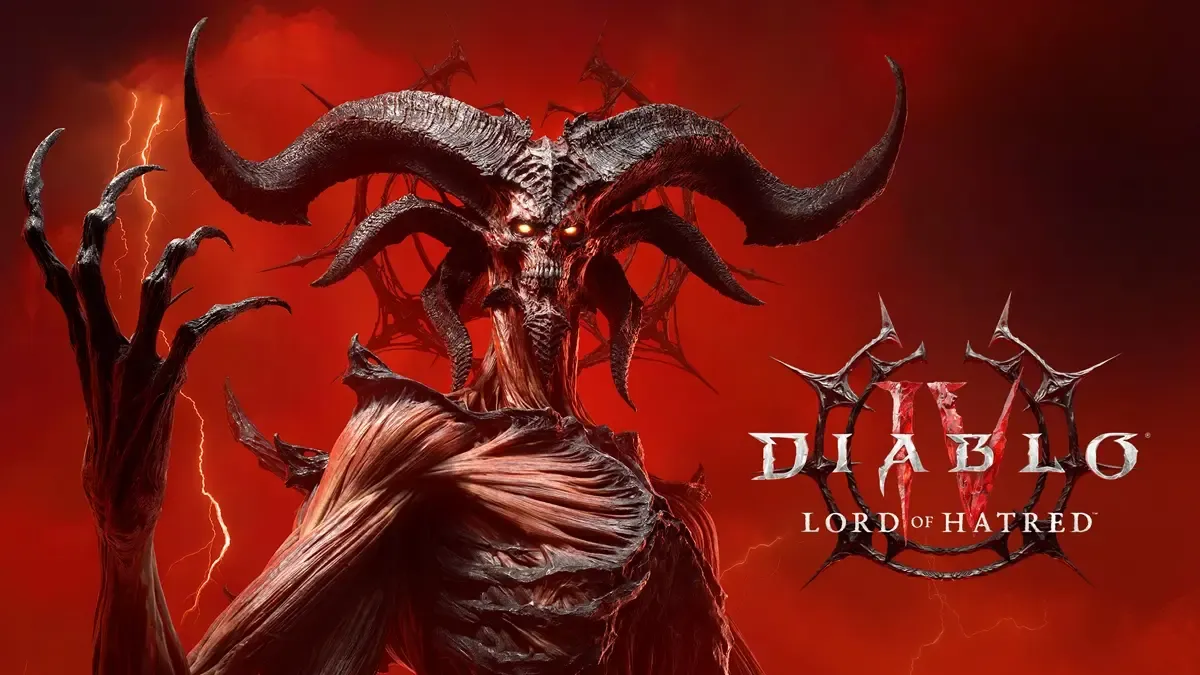
Lilith’s back, and so is Mephisto. A family reunion!
Diablo IV’s latest expansion Lord of Hatred is almost here, and it’s been a long time coming. Arriving two years after the action-RPG’s previous Spiritborn-themed expansion, Vessel of Hatred, Lord of Hatred offers a swathe of new content for players to dig into. That includes an all-new campaign, two new playable character classes, and more endgame additions.
We spent a week with Diablo IV: Lord of Hatred, tinkering with the all-new character class (the Warlock specifically, as the other Paladin class was made available beforehand), trying out the new endgame activities, and most importantly, digesting the juggernaut-sized ramifications of its campaign. After all, Lord of Hatred feels much more consequential than Vessel of Hatred, both in terms of story content and gameplay, bringing a years-long story to a big climax.
Where Diablo IV heads next is as yet unknown, but for those interested in its overarching Mephisto storyline, this will be an expansion that can't be missed.
Diablo IV: Lord of Hatred
Release date: 28 April, 2026
Platforms: PlayStation 4, PlayStation 5, Xbox One, Xbox Series X|S, PC
Developer: Blizzard Entertainment
Is Diablo IV: Lord of Hatred’s story good?
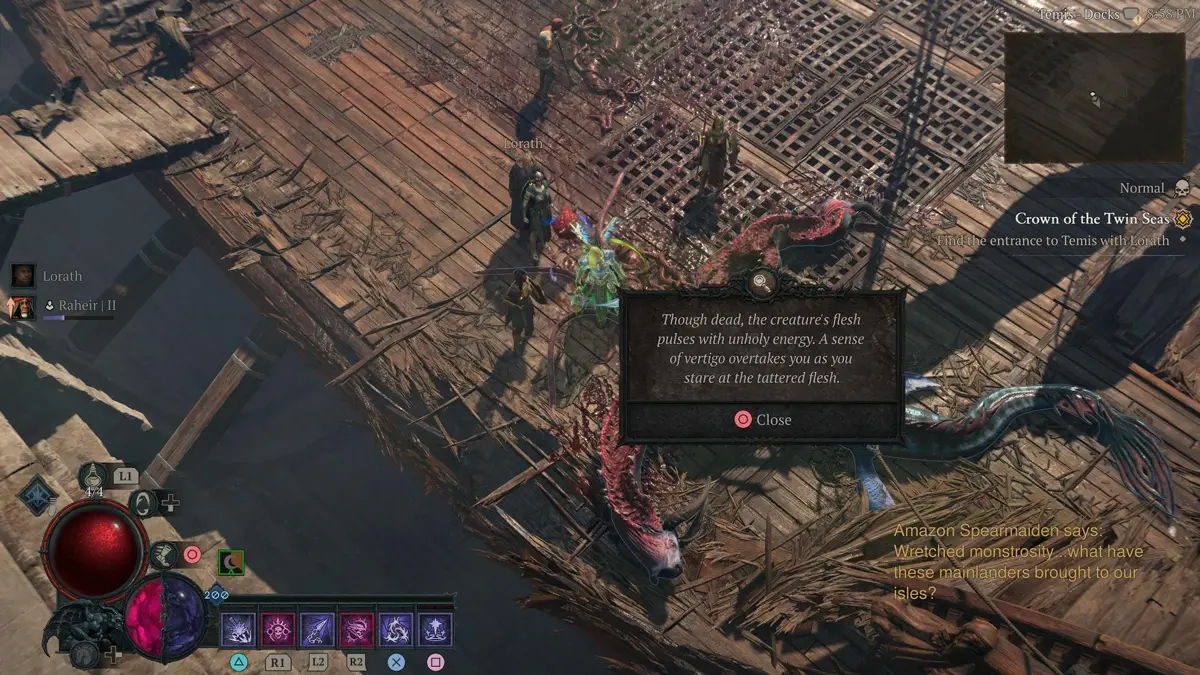
Diablo IV: Lord of Hatred comes with a brand-new story campaign featuring the region of Skovos, located a little to the left of Nahantu on the world map. Here, the story picks up from the ending of Vessel of Hatred, with Mephisto playing the role of central antagonist after years of build-up to his grand return. While the story picks up directly after the events of Vessel of Hatred, it interestingly elects to abandon specific characters and regions once thought integral to the ongoing story–the Spiritborn, for example, are completely ignored in this new campaign.
The campaign similarly tosses aside various recurring characters in oddly cavalier fashion, focusing directly on the Wanderer and those close to Mephisto. Despite these omissions, the opening hours make it clear that Lord of Hatred isn’t trying to be another instalment in the Mephisto saga; but rather a conclusion to the story of his return to Sanctuary, which first began with his surprise inclusion in the base campaign.
Thus, the expansion widens the scope of its storytelling to focus on the forces of heaven and hell that have plotted over Sanctuary’s fate for eons, which is exactly the stuff that has made Diablo campaigns so compelling in the past. There’s still a lot of walking around and listening to holograms delivering exposition-laden monologues, sure, but it’s much more interesting now that we’re learning more about angels and demons, with less human melodrama thrown into the mix to muddy things up.
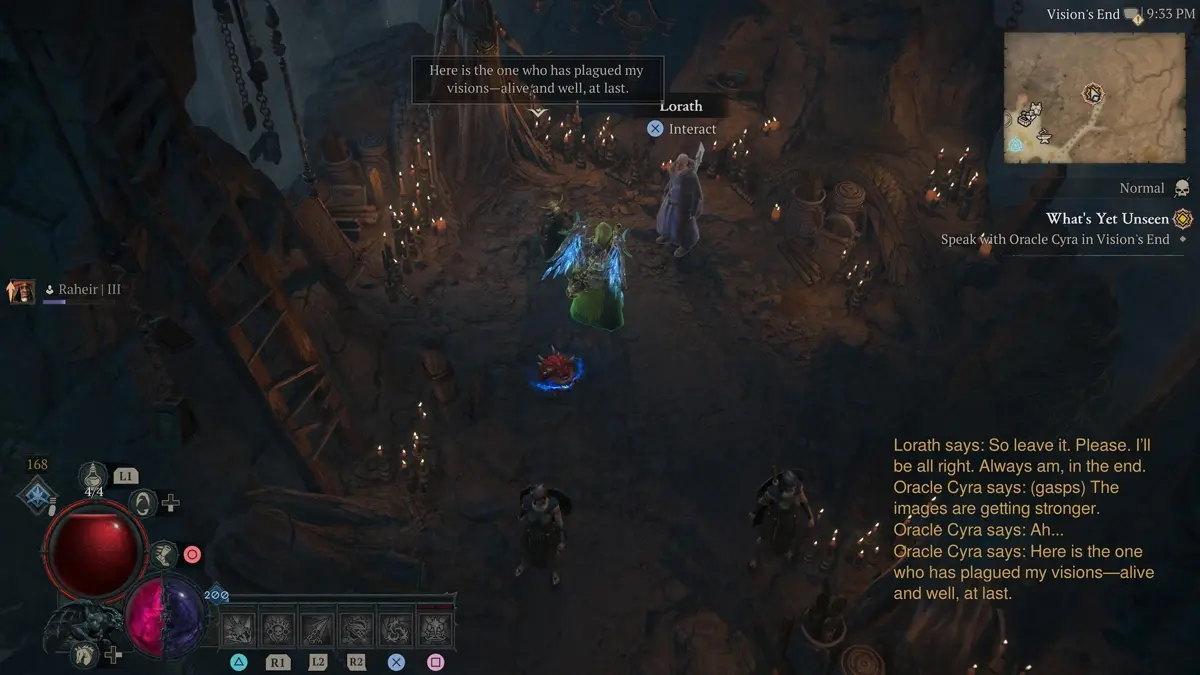
A lot of this expansion actually serves to flesh out elements of Diablo IV’s worldbuilding that should have been present in the main game. We learn more about Rathma, Inarius, the Horadrim, and Mephisto himself, as the expansion paints a clearer picture of the roles they played in shaping Sanctuary, and how it all ties back to Mephisto’s modern-day return. Much of this material was originally introduced in Diablo IV, but its execution felt haphazard and shallow, while this expansion feels more eager to bring players deeper into the weeds of its dense world.
That being said, these new Acts are not perfect by any stretch of the imagination. Many of the campaign’s twists and turns feel a tad unearned, if not entirely unbelievable in the early hours. The pace also tends to suffer, as the story takes frequent detours to explain key lore points to the player in excruciating detail, mostly through holograms or drawn-out monologues. Mephisto is a fearsome presence here, but it’s fair to say that he’s one of the expansion’s weaker characters overall, with little definition given to his ambitions beyond being evil just for evil’s sake.
The campaign’s peaks are more striking than its valleys, thankfully. Lilith’s reintroduction to the main narrative feels apt, giving the Wanderer’s maternal figure some much-needed characterisation at long last. Her arc feels akin to Spike’s pivot to the side of the angels in Buffy the Vampire Slayer–a little strange, considering his past actions, but an interesting source of drama nonetheless.
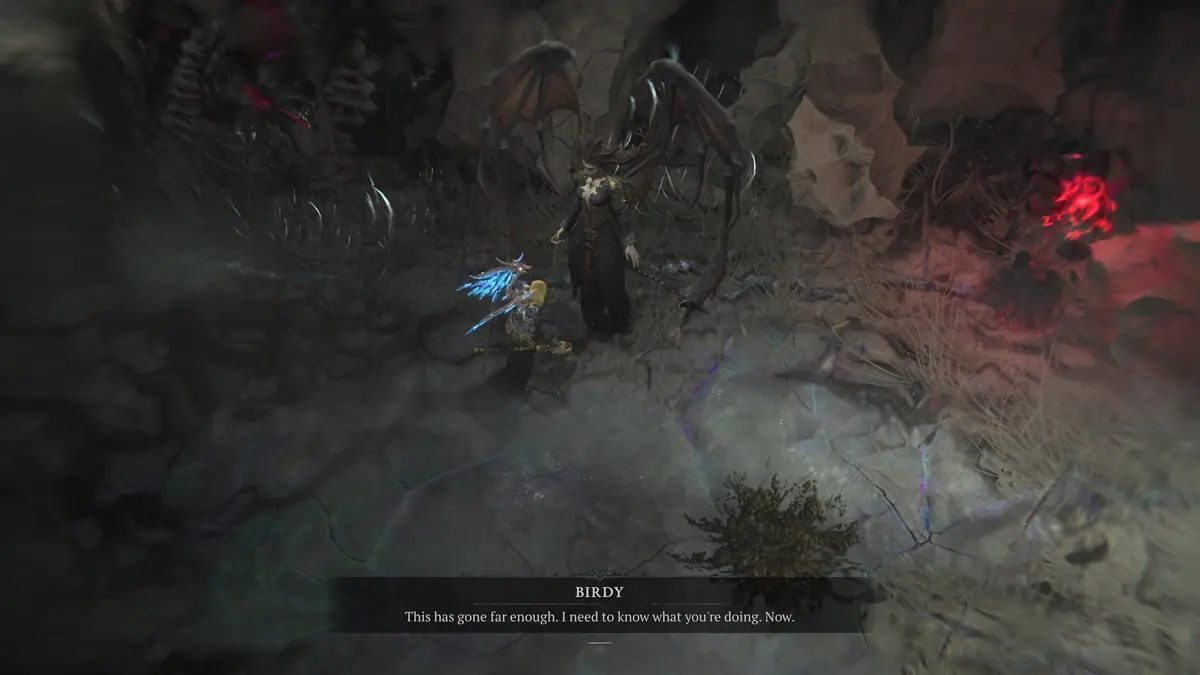
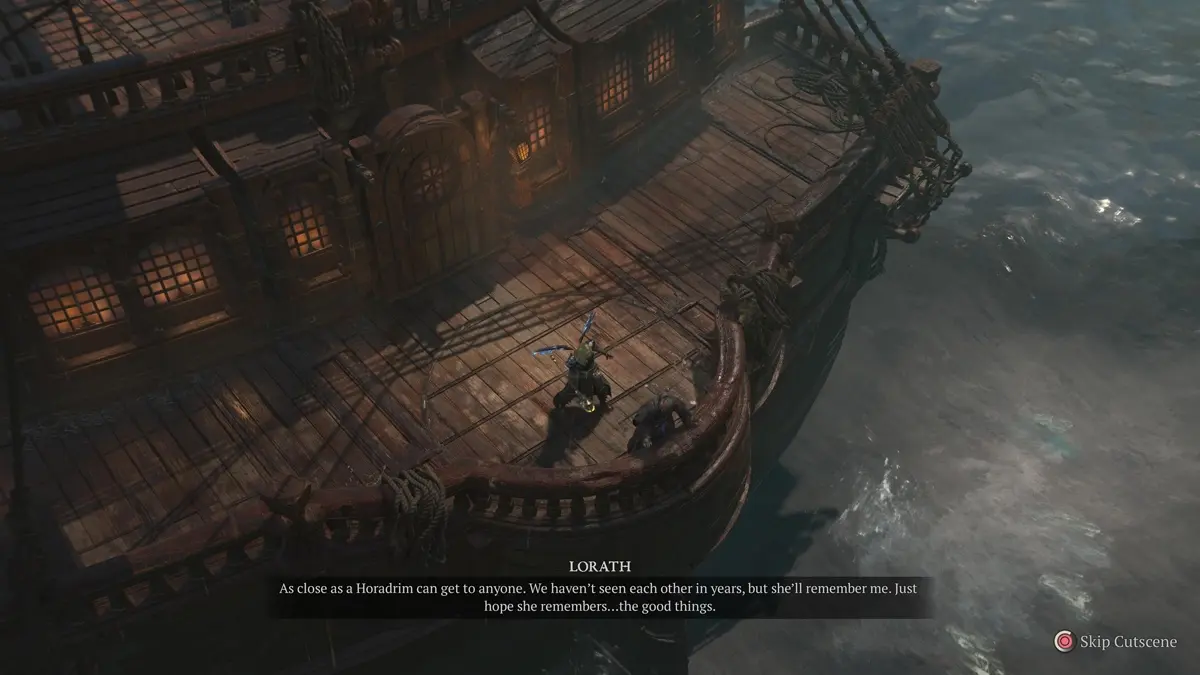
Caroline Faber does some of her best work here in the role of Lilith, believably exploring new ground with her character’s connection to the Wanderer. Similarly, Ralph Ineson commits wholeheartedly to the role of Lorath, as the expansion explores the history of the Horadrim on top of Mephisto’s vile shenanigans. Some of the later twists and turns of this campaign’s third act are absolutely diabolical, and they only hit hard because of the performances behind not just Diablo IV's returning characters, but new faces seen in the expansion.
Overall, this feels like an almost completely satisfying final act in Diablo IV’s story, delivering fantastic setpieces, mechanically interesting bossfights, and an intense third act. It’s hard to tell where the story goes next, but even if it ends here, it will have ended in a better place than it began.
What are Diablo IV: Lord of Hatred’s new region and classes?
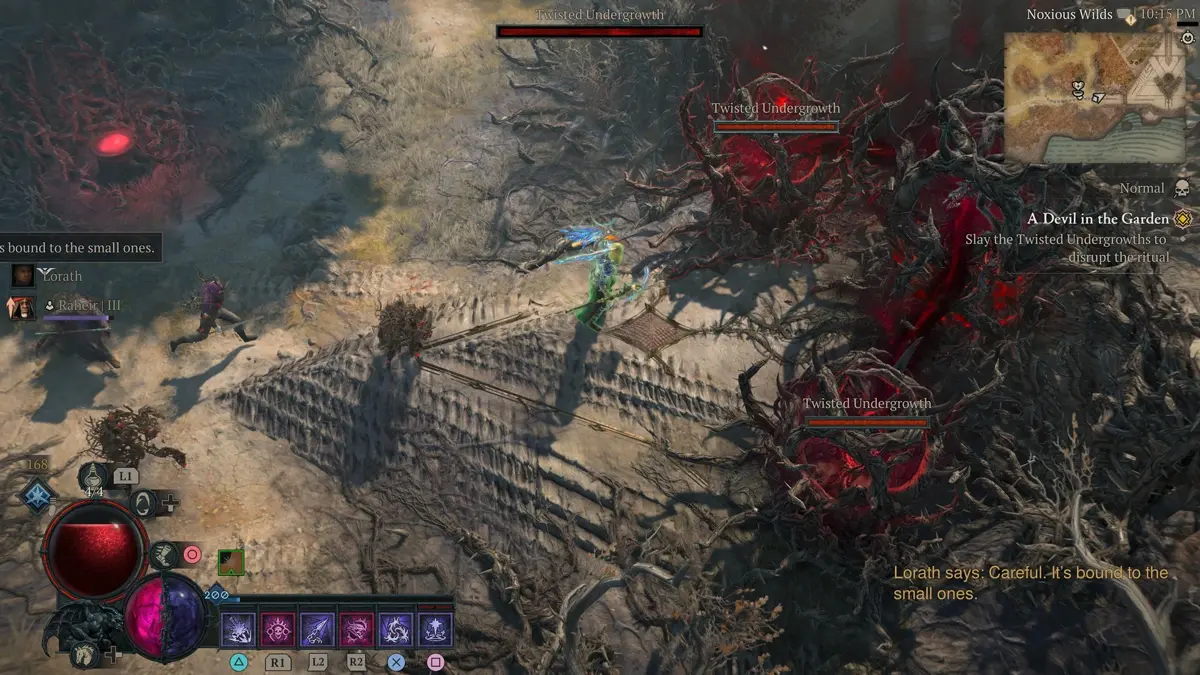
I’ve written at length about this expansion’s new story content, but let’s face it: plenty of players are going to skip right past all of that dialogue, and jump right into the endgame to start testing out flashy new builds. To that end, this expansion gives them plenty of options with two whole new character classes: the Paladin and the Warlock. The Paladin has already been made available for everyone who pre-ordered Lord of Hatred for quite some time, with roughly two seasons allotted for players to try out the class by now.
Hence, the Warlock will be the biggest draw here next to the expansion’s all-new region, Skovos. I played through the campaign as an insanely broken Warlock, thanks to some hefty character-boosting abilities which were only made available during a one-week preview build of the expansion, and thus got to test out a number of different versions of this class.
It’s safe to say that the Warlock is going to be a crowd-pleaser for fans of Diablo IV’s caster-adjacent classes, as I am one of those people, and I was very pleased indeed. The Warlock is able to rely on summoning demons of hell into Sanctuary and forcing them into battle, though not as Necromancer-like minions. Only a few of the summons actually follow players around, but most of them run around and do their own thing or remain stationary. These are rather grisly summons too, with some of them taking the form of suicide bombers sent out to explode at enemies, while others languish in Hellraiser-like combinations of metal chains and grinding saws to tear through enemies.
Much like the game’s other classes, players can also take the Warlock’s playstyle in a very different direction if they so wish. The Warlock has a Demonform they can transform into, with further abilities available to enhance and diversify Demonform builds. This allows Vanguard-leaning Warlocks to charge into battle on their lonesome, and still unleash equal amounts of hell on the enemy. That’s just one example, but I found myself gravitating towards the Warlock’s demonic summons simply because I enjoyed the heavy metal aesthetics and ranged playstyle they afforded.
As for Skovos, the map offers roughly eight hours of pure story content, with players hopping back and forth from its multiple biomes throughout the campaign. There’s a satisfying breadth of variety on display here, even given the relatively small map size compared to the base game. While some grassy areas and forests may appear reminiscent of other parts of Sanctuary, a few of Skovos’ populated areas and late-game locations (which I am forbidden from spoiling at this time) lend it a specific flavour.
What are Diablo IV: Lord of Hatred’s endgame additions?
There’s a lot left to do once the campaign wraps up, as always. An all-new War Plans feature is immediately presented to the player after the credits roll, offering a simplified way forward through the game’s now myriad endgame activities. Don’t get it twisted, however: this is not so much a new endgame activity, as it is a repackaging of existing endgame activities.
Here’s how it works: in War Plans, you essentially plot out a route through multiple endgame activities, ranging from Lair Bosses to Helltides, in order to progress through the War Plans skill tree. The feature lets you mix and match different aspects of endgame activities to create a more or less fresh experience, while giving you plenty of good loot as you make your way through. This far into Diablo IV’s lifespan, it’s a welcome addition to make the endgame a fair bit more challenging for those looking to get more playtime in during future seasons.
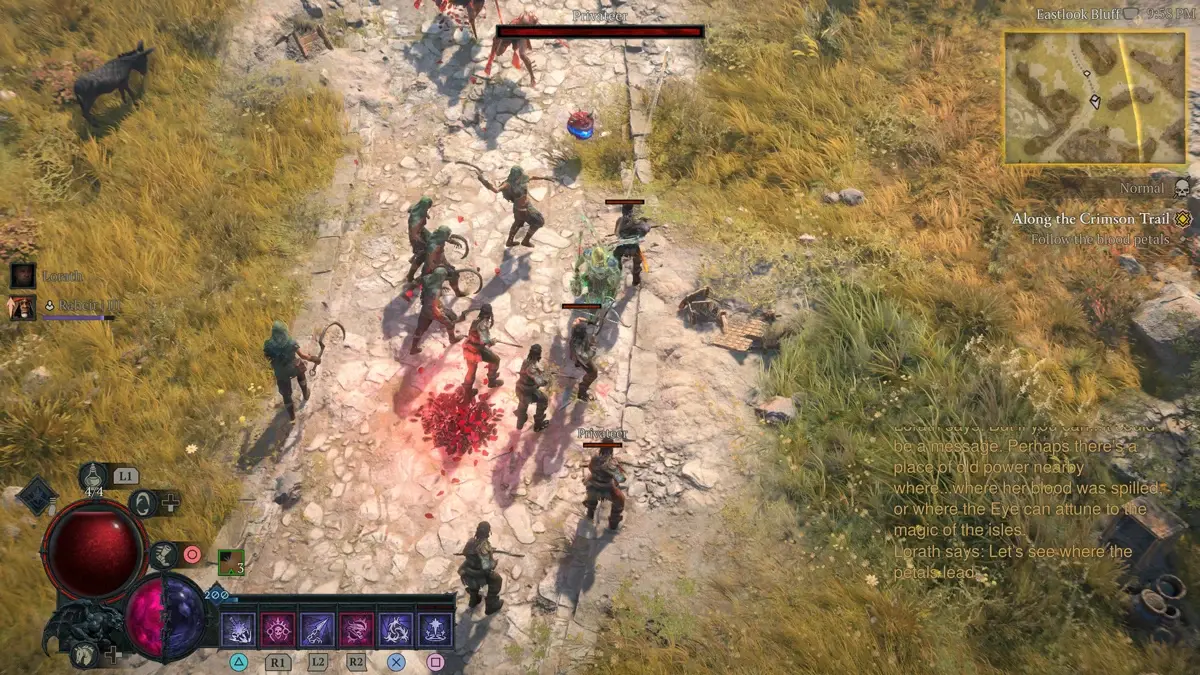
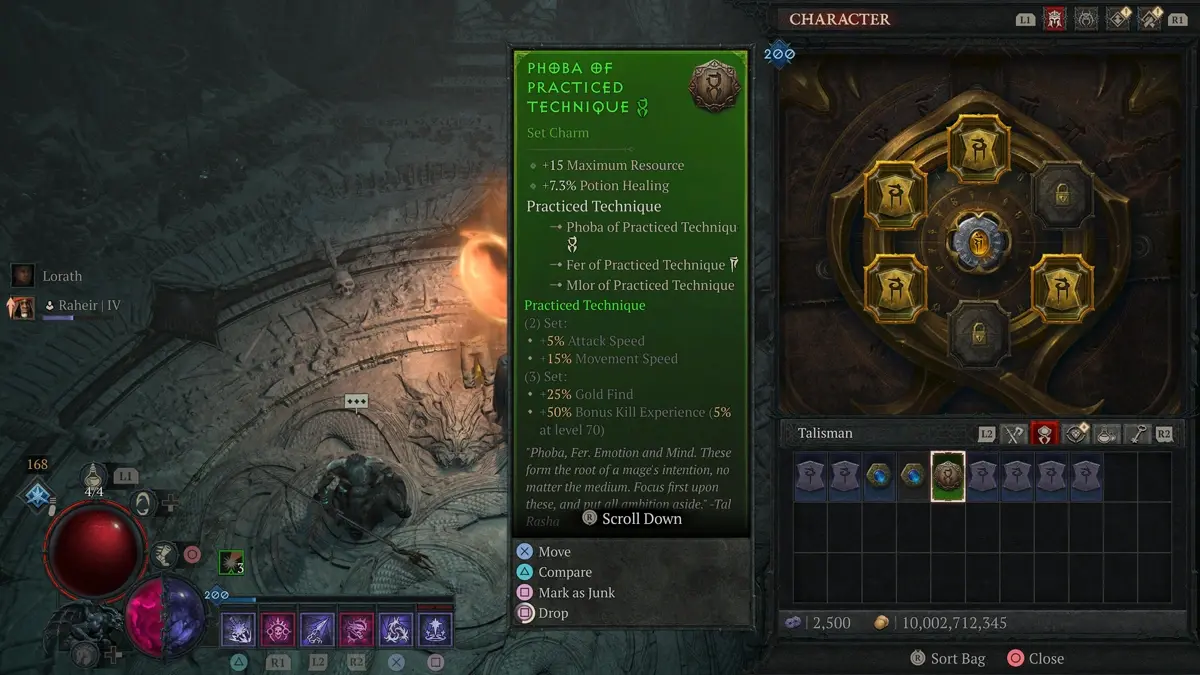
I should mention that there is also a brand-new endgame activity called Echoing Hatred in this expansion. However, the event spawns very rarely and requires a resource you only get access to post-campaign–so I wasn’t able to check it out in time. There are plenty more new features in Lord of Hatred that will entice players to go off the beaten path throughout the campaign, including fishing and the Horadric Cube, which lets you create and modify items. There’s also the customisable Talisman, which can offer some pretty great boons for player builds if they get the right charms to slot into it.
In terms of content, this expansion is downright overwhelming. While its endgame additions might not mix things up quite as much as players would have hoped, there is certainly enough here for players to chew on over the coming months.
Verdict
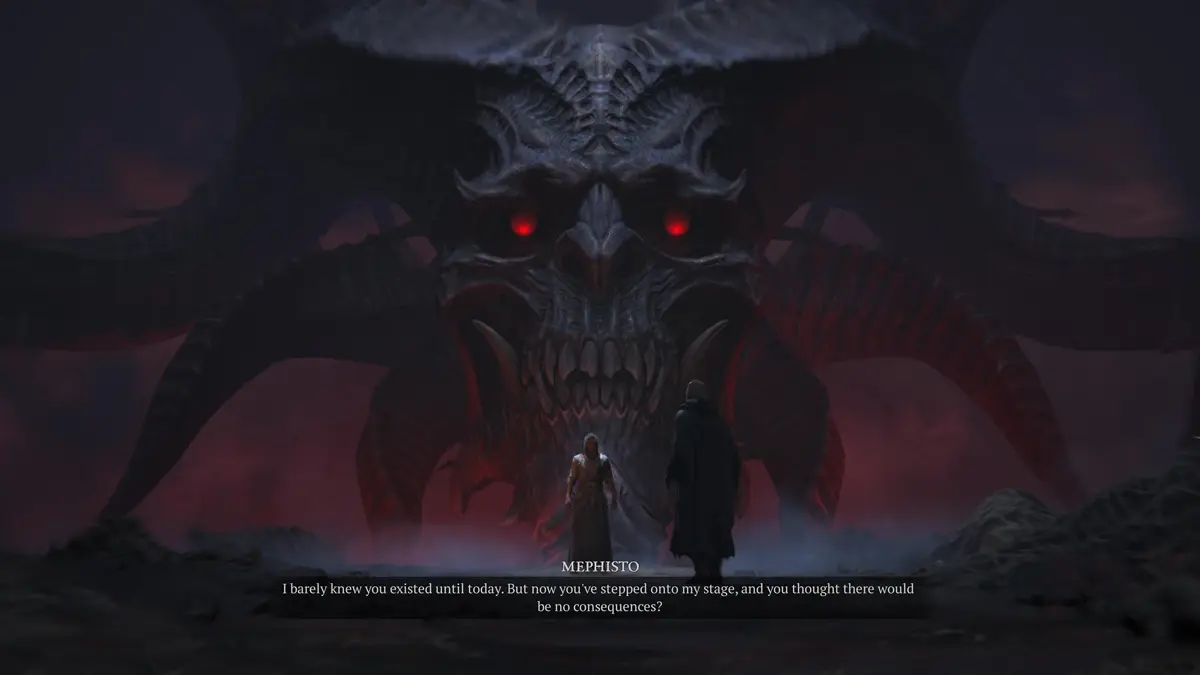
Diablo IV Lord of Hatred is easily the best expansion this action-RPG has had yet, and hopefully, it won’t be the last. Story-wise, it feels like the game has finally found its groove with high-stakes twists and turns, and a more likeable cast than previous campaigns for players to adventure with. Despite some pacing issues and lapses in logic, the campaign sees Blizzard back at the top of its game with this franchise, delivering a thrilling finale to the Mephisto arc.
Even after the campaign, however, there’s plenty more to do. From the increased level cap to the endgame War Plans system, Lord of Hatred will prove a very dangerous purchase for anyone trying to avoid spending their days and nights glued to Diablo IV… again.
We received access to a one-week preview build of Diablo IV: Lord of Hatred for the purposes of this review.
When does Diablo IV: Lord of Hatred come out?
Diablo IV: Lord of Hatred comes out on 28 April, 2026.
What is in Diablo IV: Lord of Hatred?
Diablo IV: Lord of Hatred adds an all-new story campaign, two classes (Paladin and Warlock), a new region called Skovos, and access to the prior Vessel of Hatred expansion.
How long is Diablo IV: Lord of Hatred’s campaign?
Diablo IV: Lord of Hatred’s campaign offers roughly eight hours of story content alone, which will likely stretch much longer if players choose to go off the beaten path to complete sidequests, grind for loot, and explore more of Skovos.
How much does Diablo IV: Lord of Hatred cost?
Diablo IV: Lord of Hatred costs US$39.99.