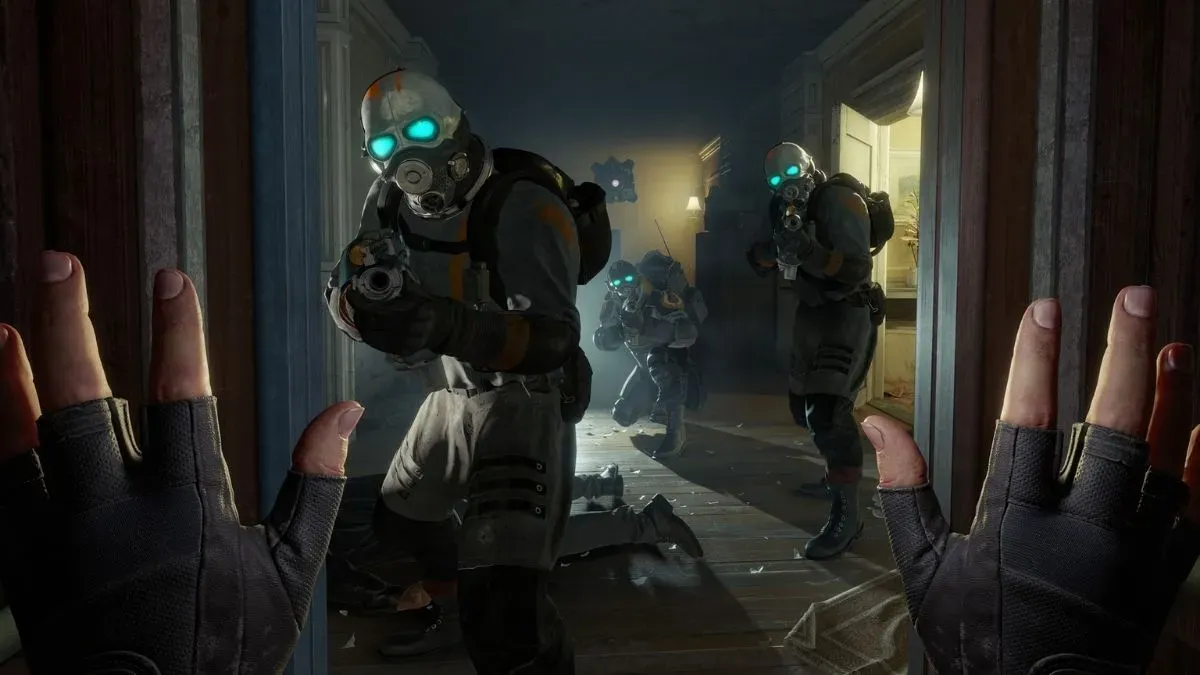
Valve argues that "items in the boxes are purely cosmetic, there is no disadvantage to a player not spending money.”
Valve have responded to a lawsuit filed by New York Attorney General Letitia James targeting loot boxes in several of the company’s most popular games, pushing back against claims that the system promotes illegal gambling.
The lawsuit accuses the Steam developer of operating unlawful gambling mechanics through “mystery boxes” in titles including Counter-Strike 2, Dota 2, and Team Fortress 2. The New York Attorney General’s office previously described the mechanics as “addictive, harmful and illegal,” and is seeking to permanently stop Valve from promoting them in the state, alongside financial penalties.
Valve addressed the claims in a public statement published on Steam on 11 March 2026, directed at players in New York.
“You may have seen the New York Attorney General recently filed a lawsuit against Valve claiming mystery boxes (like crates, cases, and chests) in some of our games violate New York gambling laws,” the statement opened.
“We don't believe that they do,” Valve wrote. The company added that it had spent years explaining how the system works after the Attorney General’s office first contacted Valve in early 2023.
Valve said that randomised boxes in its games follow a model that has existed for decades in the physical collectibles market.

According to the company, “these types of boxes in our games are widely used, not just in video games but in the tangible world as well,” pointing to products such as baseball card packs, Pokémon cards, Magic: The Gathering cards, and other collectible blind-box items that contain random contents.
The company also emphasised that opening the boxes is optional and not required to play its games.
“Players don't have to open mystery boxes to play Valve games,” the statement said. “In fact, most of you don't open any boxes at all and just play the games, because the items in the boxes are purely cosmetic, there is no disadvantage to a player not spending money.”
The Attorney General’s office, however, has pointed to another aspect of the system: items obtained from loot boxes can be traded through Steam’s Community Market or sold through third-party marketplaces, with rare cosmetic skins sometimes reaching high prices in player-driven markets.
Valve defends item trading and criticises proposed data collection
Valve also pushed back against suggestions that digital items obtained from mystery boxes should not be transferable between players.
The company argued that trading items benefits players and mirrors the way physical collectibles are exchanged.
“We think the transferability of a digital game item is good for consumers,” Valve wrote, adding that it allows players to sell or trade unwanted items “in the same way an owner can sell or trade a tangible item like a Pokémon or baseball card.”
Valve said the Attorney General’s proposed changes would remove that ability, adding that transferability is a right the company believes “should not be taken away.”
Beyond trading, Valve criticised suggestions that it collect additional information from users to enforce location and age restrictions.

According to the company, the Attorney General proposed gathering more data to prevent players from masking their location through services such as VPNs. Valve said this could involve deploying “invasive technologies for every user worldwide.”
The company also stated that the state demanded additional personal data for age verification, even though many payment methods already include built-in verification systems.
Valve said it limits the amount of data it collects and believes users expect their personal information to be handled carefully.
During the investigation, Valve said it also outlined the steps it has taken to address gambling-related misuse of its platform. The company stated that it does not cooperate with gambling sites and has taken action against accounts involved in such activity.
According to Valve, more than one million Steam accounts have been locked after being linked to gambling, fraud, or theft involving in-game items. The company also cited features such as trade reversals and trade cooldowns designed to reduce abuse of item trading systems.
Valve added that gambling-related businesses are prohibited from sponsoring tournaments connected to its games.
NYAG’s claims on the connection of video games and violence contested by Valve
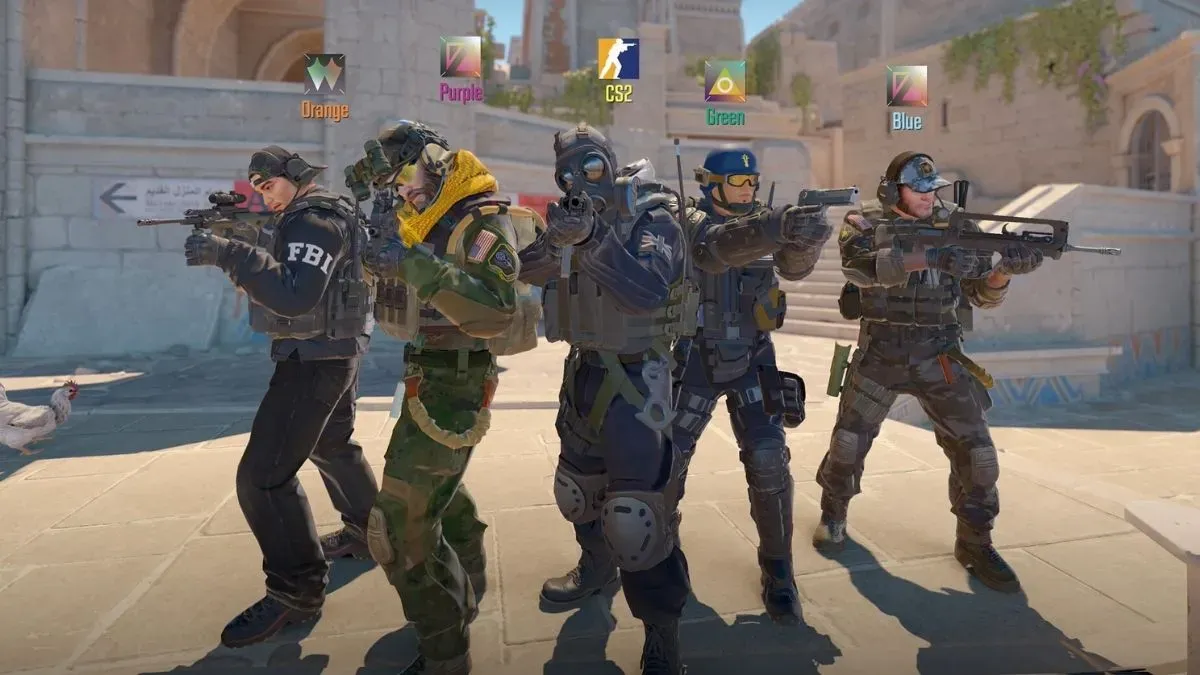
The company also addressed remarks made by the Attorney General regarding possible links between video games and real-world violence. Valve said those comments were unrelated to the case and described them as a mischaracterisation of existing research.
“Numerous studies throughout the years have concluded there is no link between media (movies, TV, books, comics, music, and games) and real world violence,” the company wrote, adding that some studies highlight positive effects of games for players.
Valve acknowledged that New York has the authority to pass legislation regulating mystery boxes, but noted that no law specifically governing the systems has been enacted despite the issue being considered previously.
The company said reaching a settlement could have been easier but argued that the changes requested by the Attorney General would negatively affect players and developers.
“Ultimately, a court will decide whose position, ours or NYAG’s, is correct,” Valve wrote, adding that the outcome could affect players in New York and potentially elsewhere.
The legal dispute comes as Valve also faces a separate class-action lawsuit related to its loot box systems, adding another legal challenge tied to randomised monetisation mechanics in video games.