Neverness to Everness puts GTA and Control together for surprisingly inspired results.
It’s safe to say that the gacha game market has become rather saturated in recent years, with a diverse spread of titles scattered across all manner of genres vying for players' attention. Six-year-old games like Genshin Impact are still going strong, while newer titles like Arknights: Endfield aren’t doing too shabby, either.
Neverness to Everness (NTE) is the latest of these to go to market, with a release date now set for 29 April, 2026. This game combines the supernatural anomalies of Control with the open world freedom (and wanted system) of Grand Theft Auto, and throws in a splash of anime-influenced quirkiness for good measure. The result is a game that feels rather haphazard tonally, but nonetheless charming and lively.
We played the game’s second and final closed beta test in February, and walked away from the game feeling pretty excited for release day.
What is Neverness to Everness about?
NTE kicks off with a flurry of exposition-filled cutscenes and dialogue, leaving it to the player to catch up or get left behind. At its core, however, its premise is simple: the game takes place in a city called Hethereau, a large open world region where humans and supernatural anomalies co-exist–though not always in harmony.
The game kicks off with a clear example of how this human-anomaly ecosystem can go dangerously sideways, with the city on the brink of destruction by the sudden appearance of powerful and mysterious anomalies. The world warps with their arrival, and heroes dispatched from the Bureau of Anomaly Control are tasked with putting a stop to all the destruction.
The protagonist–who can be male or female, depending on the player’s choice–begins the game as an amnesiac displaying powerful abilities, strong enough for the BAC to immediately recruit them after the game’s opening chaos is resolved. The opening hour is a tad uneven, but it serves to introduce the player to the basics of this world’s lore and combat.
NTE becomes a much more interesting game when you are let loose from the shackles of its early tutorial-heavy story content. From there, you get a stronger sense of what its main story and sidequests will be like–and they feel surprisingly narrative-heavy. Story quests revolve around finding and resolving different anomalies, which seem to take inspiration from SCP, Control, and similar stories of the genre that revolve around strange objects causing specific and unique paranormal events. The production value is shockingly high for these early quests, with one such item–a dollhouse–shrinking to the player to the size of a mouse, and causing them to fight the resident pet as a bossfight.
There’s a strong narrative driving these early quests, though I quickly ran into an annoyance that I particularly despise in gacha games of this calibre: level-gating. Main quests will eventually be locked behind specific player levels, which means that you’ll have to grind out the ability to simply pursue more story content. This will always feel like an artificial and boring way for gacha games to pad out their campaign lengths at launch.
Anime characters = anime cutscenes
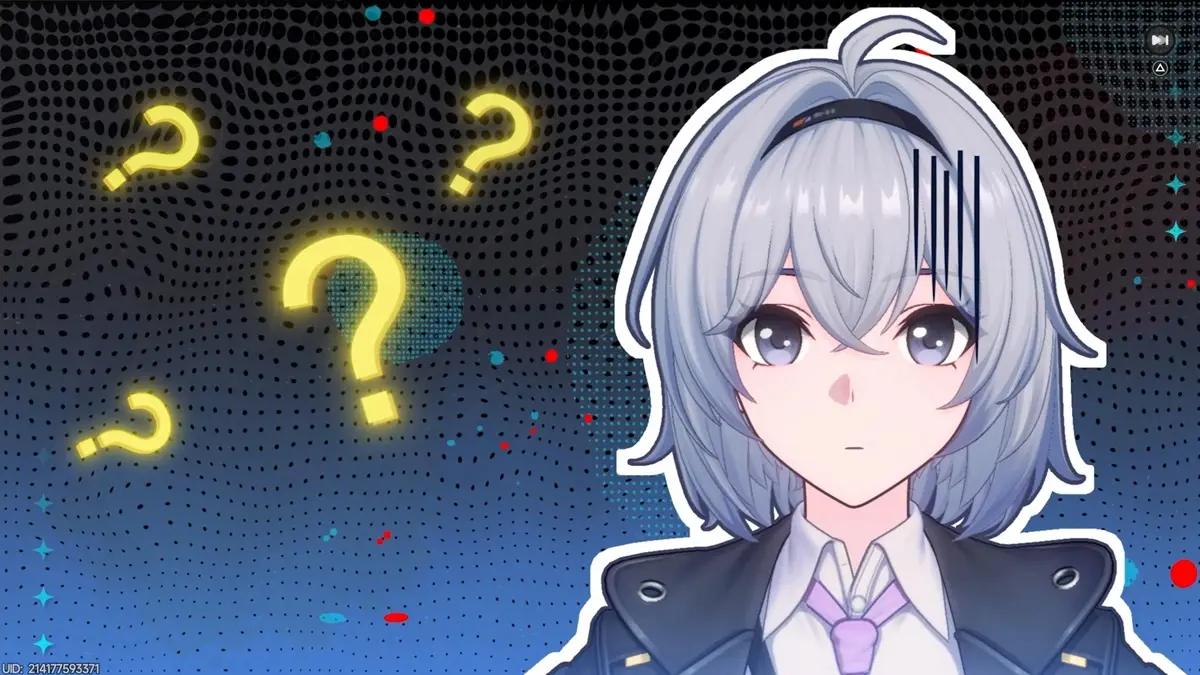
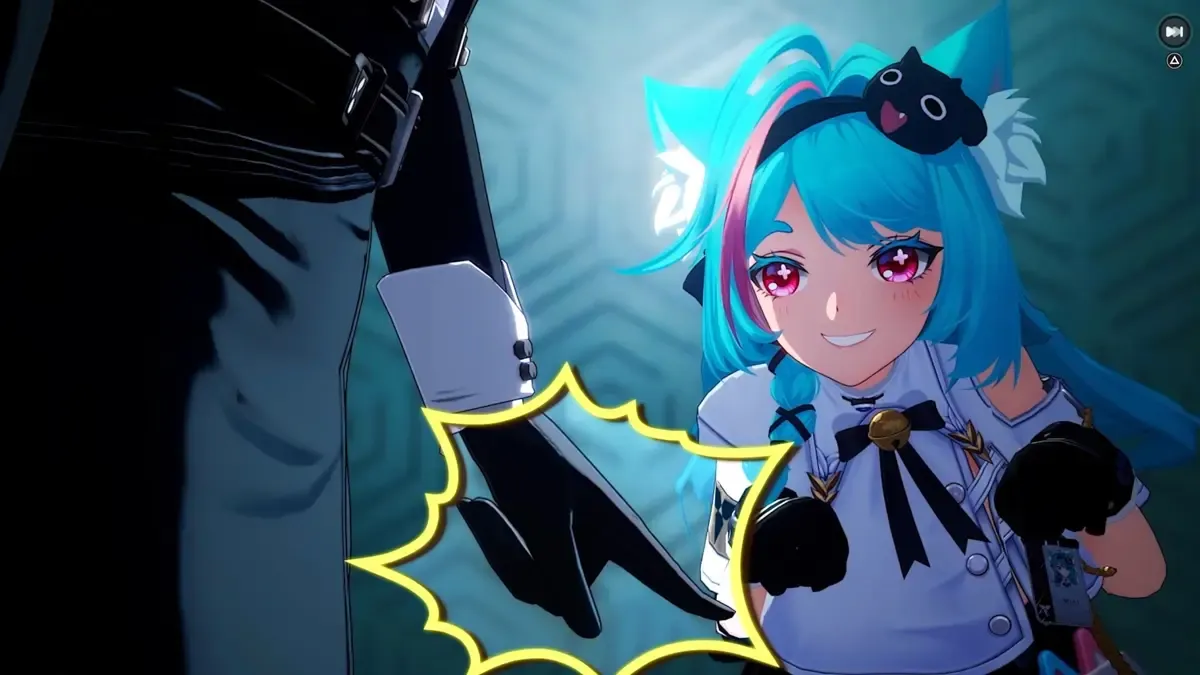
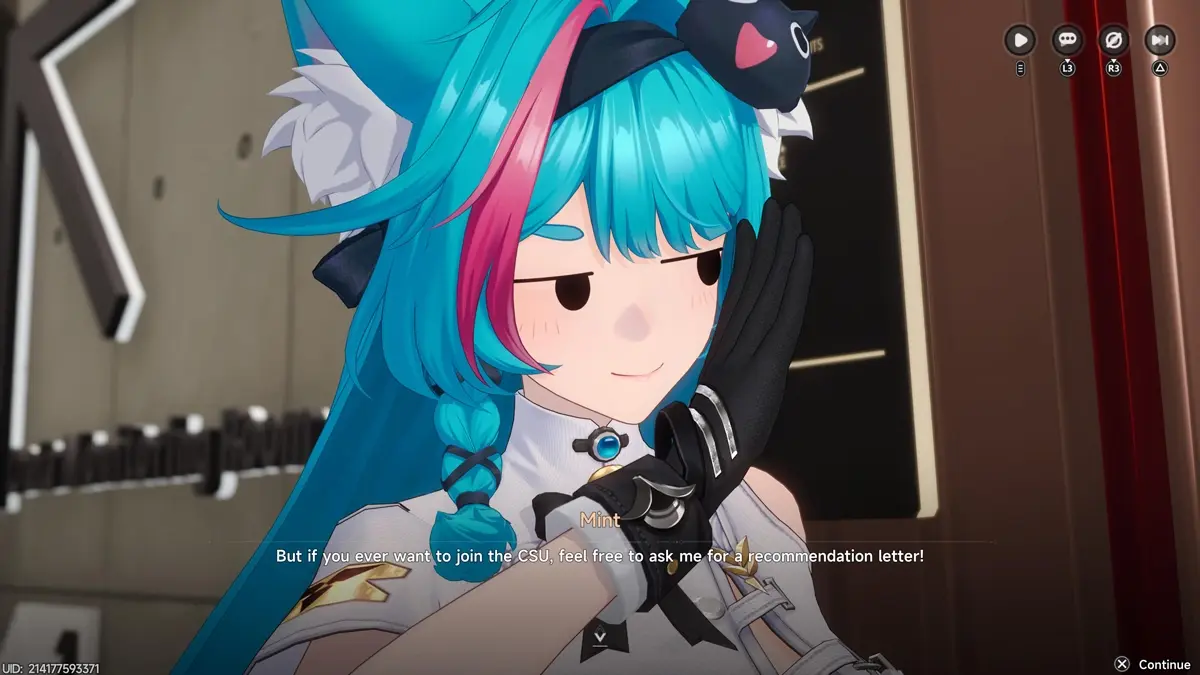
NTE’s high production value extends to its colourful cast of characters, most of whom are immediately compelling despite being lower in strength than their inevitable S-Rank successors. The affable but spacey green-haired Mint, for example, has taken the game’s budding fanbase by storm, thanks to her emotive cutscenes and eccentric personality. The game's cutscenes are animated with anime-like verve, filled with flashy effects, emojis, and cartoonish expressions to really hit home how these characters are feeling in the moment.
The cutscenes can be rather overstimulating in their presentation–there can be a lot going on over the span of just a few seconds, but they’re also a lot of fun to watch, and serve to endear the player to the game’s pool of gacha characters. I did find myself wondering just how much of this flashy presentation will make it to the game’s future updates, however, as their absence would severely disrupt the story’s tone.
The game’s combat is serviceable as far as gacha games like these go, with real-time action combat that offers flexibility in the form of different character kits. Depending on your chosen party, you’ll be able to access a different variety of movesets and effects to put your enemies down as quickly and cleanly as possible.
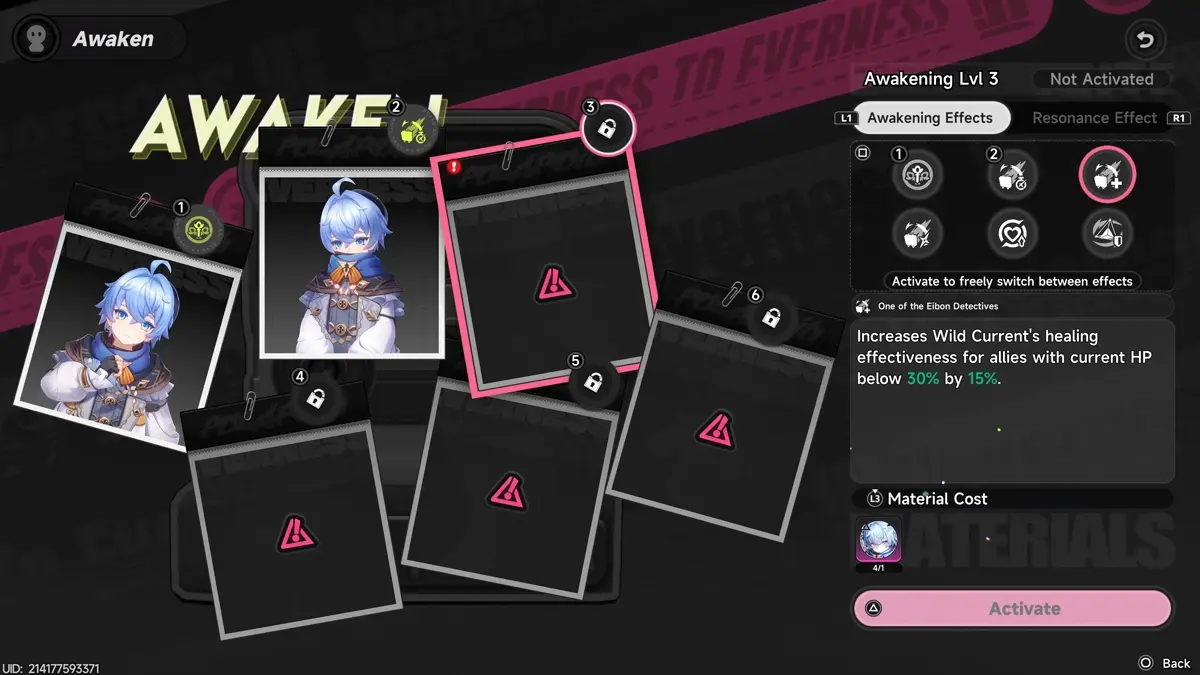
The Esper Gauge also allows players to activate a special move while switching characters, allowing two characters to be on field and performing attacks at once. This is similar to the way Zenless Zone Zero does character swapping, but there’s more focus on having the whole party contribute here, which is a weakness in the former game.
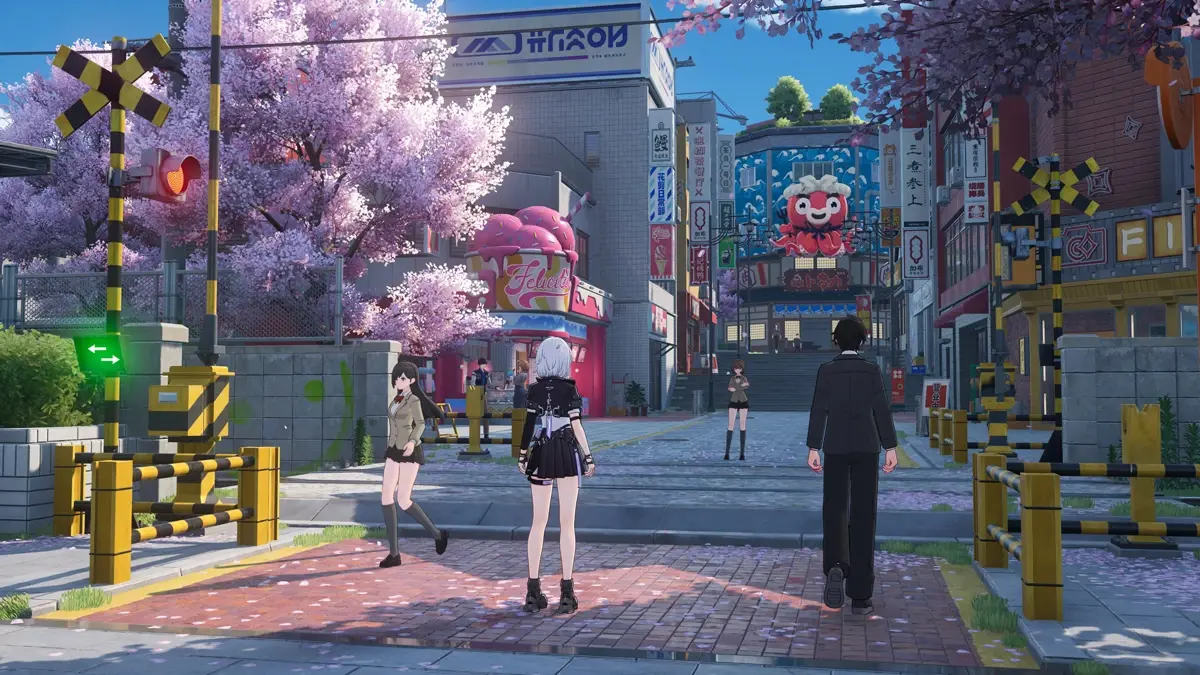
Hethereau itself is a fun place to explore, with the game giving players plenty of freedom to wander around its highways and alleys to uncover secrets, minigames (of which there are many), and sidequests. The city feels lively enough as an open world, though the player’s traversal mechanics (like driving cars, which feels mechanically stiff and unsatisfying) could use some work.
Playing a (gacha) boardgame
During my time with the game’s closed beta, I did experience quite a few issues–though it’s worth noting that with over a month until a full release, there’s a chance that at least a couple of these problems are addressed beforehand. That being said, the beta was plagued with missing or broken sound effects and a few glitches during my playtime. My personal biggest issue with the beta was its poor UI, which seemed to be built specifically for touchscreen devices. Navigating its many, many labyrinthian menus in order to perform simple tasks like upgrading characters was exhausting.
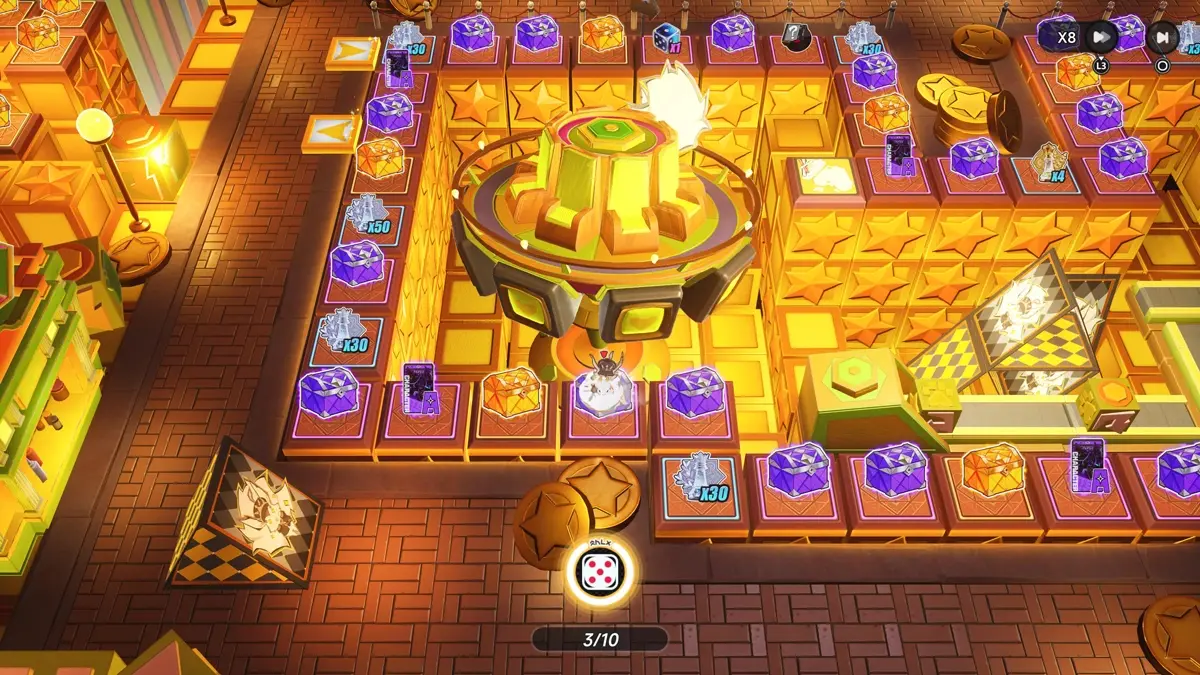
Now for my favourite part of NTE: its gacha system. Pulling for the game’s gacha banners is presented as a snakes-and-ladders-like minigame. Players can perform up to 10 rolls per turn to move their piece along the board, and gain rewards whenever the piece stops. If they land on a valuable chest or a higher tier of reward, they’ll gain a character to add to their party.
This was a really novel and charming way to present gacha systems to the player, and further gamify the act of “pulling” for characters and weapons. It’s a lot more fun to watch pieces move on a board and get closer to good rewards, than it is to pull once and immediately receive an item out of thin air.
Verdict

I’m not one for gacha games (despite playing a fair few), but NTE’s second closed beta was stylish and interesting enough to convince me to hop into the game on day one, if only to see how the rest of this story goes. While its open world elements could use some polish, its characters, cutscenes, and minigames all show enough promise to help the game stand out in a crowded market.
Neverness to Everness launches on 29 April, 2026, on iOS and Android devices, Windows PC, MacOS, and PlayStation 5.