Vehicles, Weapons, superpowers, zombies and the Sludge god. What could go wrong?
Zombie shooters are nothing new, and John Carpenter’s Toxic Commando tries to stand out by leaning heavily into chaos. Developed by Saber Interactive and published by Focus Entertainment, the game throws players into missions packed with enormous zombie hordes, vehicles, special abilities, and cooperative survival mechanics.
When everything clicks, Toxic Commando delivers exactly the kind of loud, chaotic zombie action it promises. Massive swarms, desperate firefights, and improvised escapes can make for genuinely entertaining co-op sessions.
However, those highlights are balanced by repetitive missions, awkward navigation, and design decisions that occasionally get in the way of the action. Toxic Commando can be good fun, but it never quite becomes more than that.
Familiar horror vibes with limited visual variety
Visually, the game lands somewhere between familiar zombie apocalypse imagery and retro horror aesthetics. The environments carry a slightly eerie tone that occasionally evokes Stranger Things or moments from John Carpenter’s The Thing. Much of the setting takes place in rural areas that look abandoned or overrun, similar to landscapes seen in The Walking Dead. Crumbling roads, muddy terrain, and empty structures dominate the map design.
The downside is that many locations eventually start to blend together. After a few missions, it becomes difficult to distinguish one stretch of muddy road or abandoned structure from the next, and locations feel fairly like the “textbook zombie apocalypse setting." Aside from the day and night cycle, there simply is not enough visual variety to make each area feel distinct.
Performance and swarm technology
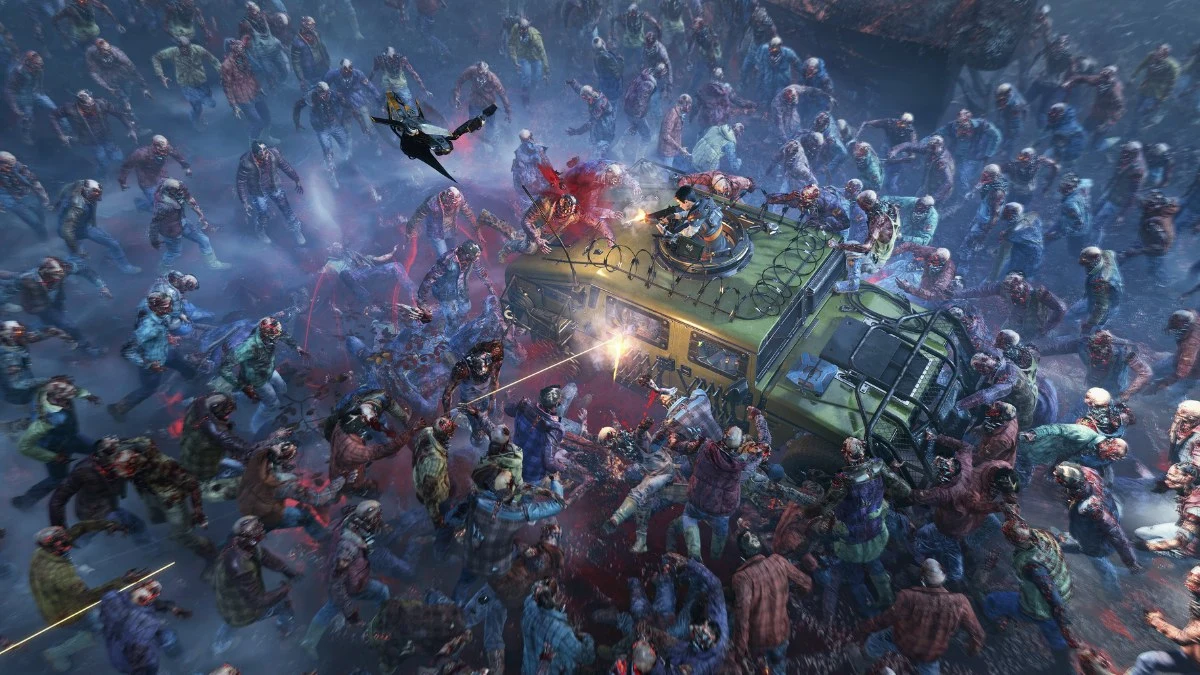
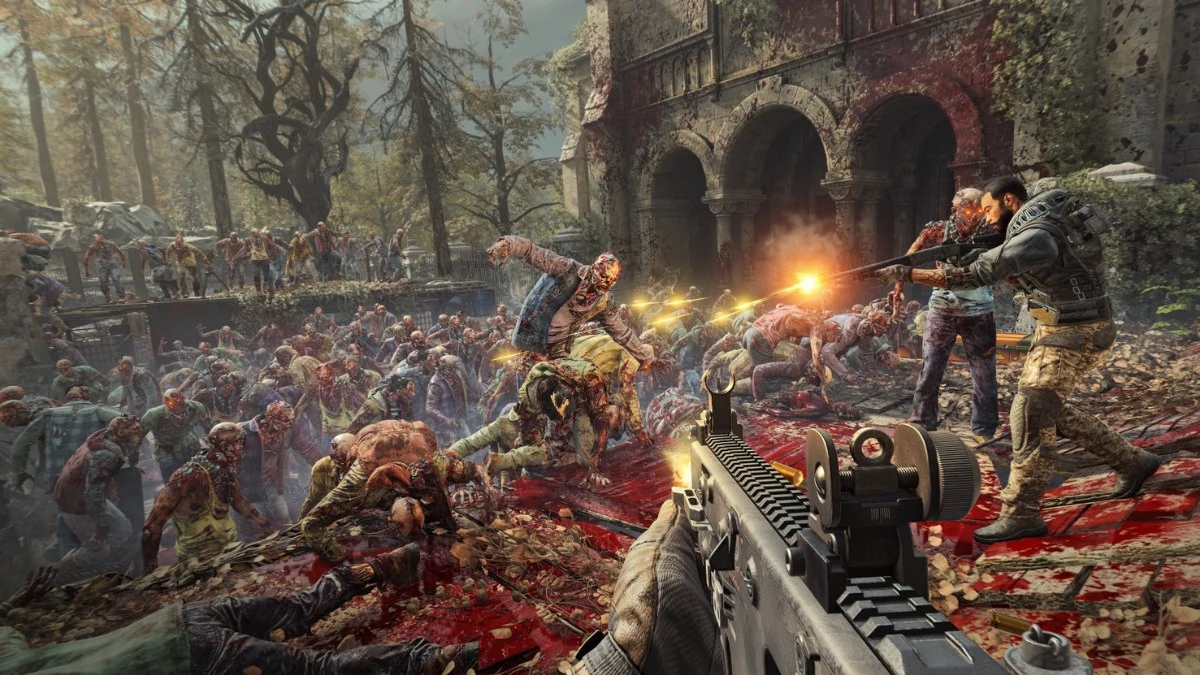
Under the surface, Toxic Commando uses the same swarm engine that powered World War Z and Warhammer 40,000: Space Marine 2. The technology allows the game to render enormous waves of zombies without major performance problems. When the hordes start piling up, the scale can be impressive. Hundreds of enemies climbing over obstacles and rushing toward the team create the game’s biggest spectacle.
A straightforward story with humour that rarely lands
The story sticks closely to familiar zombie fiction territory. In the near future, a tech company called Obsidian begins drilling deep underground in an attempt to harness energy from the Earth’s core. The project is led by billionaire CEO Leon Dorsey, whose experiment ultimately unleashes something far worse than expected.

On 29 October 2033, the source of the chaos reveals itself: a monstrous subterranean entity known as the Sludge God, which spreads an infection that transforms people into undead husks under its control.
Leon manages to save the player’s squad and asks them to help fix the catastrophe he caused. It is a premise that feels very much like a classic “corporate experiment gone wrong” scenario. The game attempts to inject humour into the dialogue along the way, though most of the jokes rarely land, and the writing never becomes memorable enough to carry the narrative.
Classes, weapons, and supernatural abilities
Gameplay follows a cooperative horde-shooter structure. Players complete missions either solo with AI teammates or with others online, fighting through swarms of infected while objectives tick down in the background. Shooting zombies, reviving teammates, and managing resources form the core of the experience.
There are four classes to choose from: Strike, Medic, Operator, and Defender. Strike focuses on dealing damage and clearing waves quickly, while the Medic keeps the team alive. The Operator provides support through a controllable drone, and the Defender can deploy barriers to protect the squad. Each class has more than 30 upgrades available in the skill tree, giving players some room to tailor their playstyle.
The characters themselves are largely cosmetic choices, while the class determines abilities and role within the team. The infection also grants players unusual powers of their own. The game describes these abilities as channelling energy into kinetic projectiles, which effectively means characters can launch blasts or even throw fire from their hands. These powers add another layer to combat and occasionally make encounters feel more dynamic.
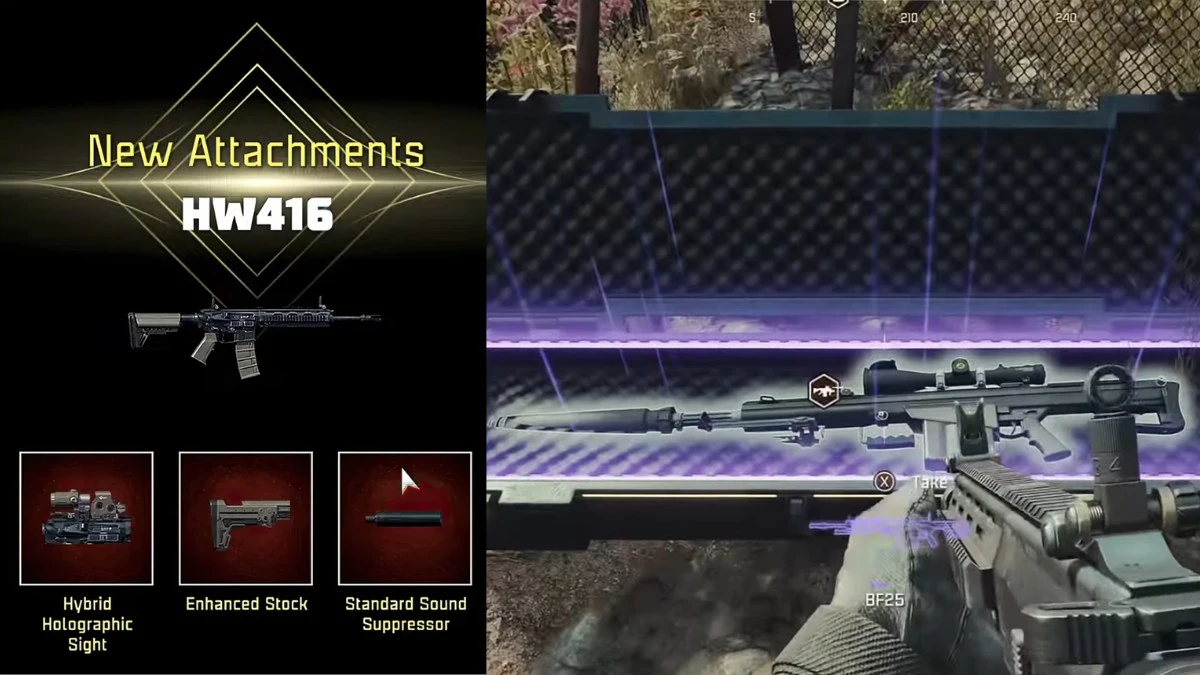
Weapons follow a fairly traditional shooter setup. Assault rifles, shotguns, sniper rifles, and SMGs all make an appearance, along with heavier options such as grenade launchers that can appear during missions. Weapons level up with use, unlocking attachments and upgrades that improve their performance. Crystals collected during missions are used to unlock additional modifications, encouraging players to explore and gather resources while completing objectives.
Vehicles add chaos and some excitement, but also frustration
One feature that does help the game stand apart is its vehicle system. Missions take place in semi-open areas where players can find and drive vehicles across the map. These vehicles can serve several purposes: escaping dangerous situations, ramming through obstacles, or acting as mobile turrets against incoming hordes. Zombies will climb onto the vehicle while it moves, creating chaotic moments as players try to drive and defend themselves at the same time.

Vehicles can also be customised with cosmetic options such as lights or stickers, and there are hints of special variants like ambulances or police cars to unlock. Some vehicles come with additional functions as well, including EMP blasts that clear sludge or self-destruct mechanisms that can wipe out nearby enemies.
However, the vehicle system is also a source of frustration. The maps are filled with rough terrain, broken roads, and muddy areas where vehicles can easily get stuck. Navigating these environments sometimes becomes more challenging than the zombie fights themselves. Vehicles also need fuel and can take damage, which adds tension but can slow the pacing when the team is simply trying to reach the next objective.
Horde combat and enemy variety
Enemy variety helps keep combat from becoming completely repetitive. Certain enemies introduce new threats that force players to adjust their strategy. Skunks release toxic gas that strengthens nearby zombies, Nukers act as explosive suicide attackers, and Stalkers can harass players from range.
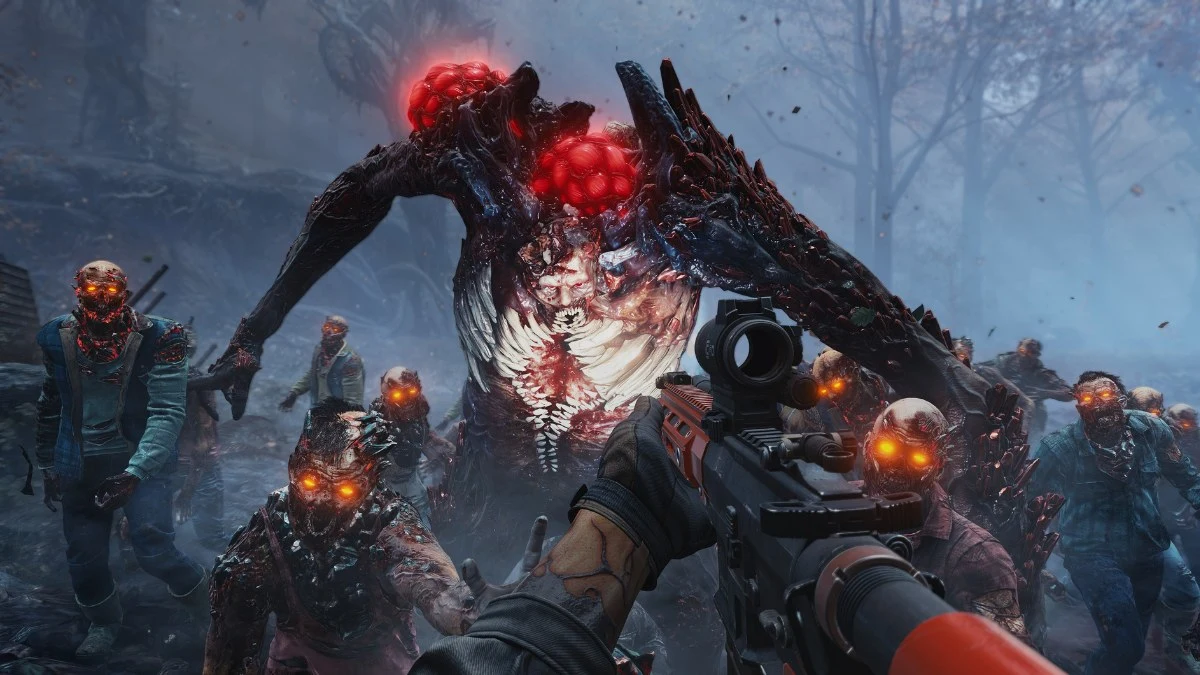
Combined with the massive hordes generated by the swarm system, fights often spiral into chaotic situations where careful planning quickly turns into frantic improvisation. These moments are where the game feels most alive.
Over time, though, these encounters begin to repeat. After several missions, the same enemy combinations and encounter patterns start appearing again and again, which gradually reduces the excitement.
Mission structure, pacing, and playtime
The mission structure revolves around familiar objectives such as defending a location, escorting equipment, or surviving until an event completes. The game frequently throws complications into these tasks. A plan that works at the start of a mission can fall apart minutes later when the team runs out of fuel, a new wave of enemies appears, or the vehicle suddenly becomes unusable. That unpredictability can create some genuinely exciting moments.
Between missions, players return to a hub area where they can test weapons, adjust upgrades, and prepare for the next run. However, the user interface could use improvement. Navigating the map can feel cumbersome, especially when driving, as players often need to open the full map repeatedly just to check their direction. A mini-map during vehicle sections would make travelling much smoother.
Accessing inventory or other menus can also become awkward during hectic fights when the team is already overwhelmed by enemies. Another odd design choice appears early on when players receive their class vests. The game introduces the abilities tied to each class but does not clearly explain how they work. Instead, players are left to experiment and figure things out themselves.
Session length is another factor worth noting. The story campaign itself is not particularly long, but individual missions can stretch for quite a while. A single run can easily take up an entire evening, especially if the team needs to travel back and forth across the map collecting items before reaching the final objective.
Even the quick play option does not always shorten the experience, as missions still involve multiple steps and frequent horde encounters along the way. Over time, the limited number of classes also makes the gameplay loop feel predictable. With only four roles available, strategies begin to repeat across missions.
Verdict
John Carpenter’s Toxic Commando delivers the kind of chaotic zombie action its premise promises. Massive hordes, frantic firefights, and desperate vehicle escapes can be genuinely entertaining, particularly when playing with friends.
The core shooting and swarm technology provide a solid foundation, and when a mission spirals into total chaos with hundreds of zombies closing in, the spectacle can be impressive.
At the same time, the experience struggles with repetition. The story is forgettable, the environments lack variety, and the mission structure begins to feel predictable after several runs. Navigation issues and some awkward interface decisions also add unnecessary friction to the gameplay.
Toxic Commando ultimately lands as a decent co-op shooter with some standout moments, but it lacks the variety and polish needed to keep those moments fresh for long.
It may not reinvent the zombie shooter, but there’s still fun to be had in the chaos.
John Carpenter's Toxic Commando releases on 12 March 2026, for PlayStation 5, Xbox Series X|S, and PC via Steam and the Epic Games Store with crossplay available. The standard edition is priced at US$39.99, while the "Blood Edition" costs US $49.99. We received a copy of the game for this review.