Call of Duty: Black Ops 7 PvE campaign has a few problems, to say the least.
Call of Duty: Black Ops 7 is a rather unconventional sequel. Instead of following up on Black Ops 6’s ‘90s-set Pantheon storyline, the game jumps forward to 2035 with a new villainous enemy faction: the Guild, introduced via a PvE multiplayer mission-based campaign. The campaign still focuses on delivering big and bombastic moments, albeit with bossfights and supernatural hijinks peppered into the mix to keep things livelier than usual.
This campaign takes so many bold swings simultaneously, it’s almost impressive. For a franchise that is often criticised for a lack of innovation year-on-year, a PvE campaign with elements considered dissonant with series norms might actually be a good thing; a refreshing change of pace to give players something new. I’ll stand by that opinion despite admitting that this is, in fact, an utterly woeful campaign and a disappointing follow-up to Black Ops 6.
Taking Call of Duty’s campaigns in a PvE-focused direction is not a terrible idea, but Black Ops 7 provides a harsh lesson in the many ways it should not be done.
Sabrina the Teenage Drug Dealer
The Black Ops arm of the Call of Duty franchise has lacked a firm identity for some time. The series mainly followed in the footsteps of Alex Mason and Frank Woods’ adventures from Black Ops (2010), repeatedly bringing the characters back or referencing their achievements to keep the series in a straight line. This is in spite of the series having a comprehensible timeline of its own; recent entries have jumped from the 2040s, to the Cold War, and then to the ‘90s with Black Ops 6.
Call of Duty: Black Ops Cold War could be considered a refresh of sorts for the series, heralding a return to a more grounded tone with a period-authentic setting. A new cast of characters was introduced, becoming the series’ new faces going into last year’s Black Ops 6. By the time that game had rolled around, it felt like the series was finally starting to find its footing again, rather than resorting to digging up Alex Mason's grave for yet another go.
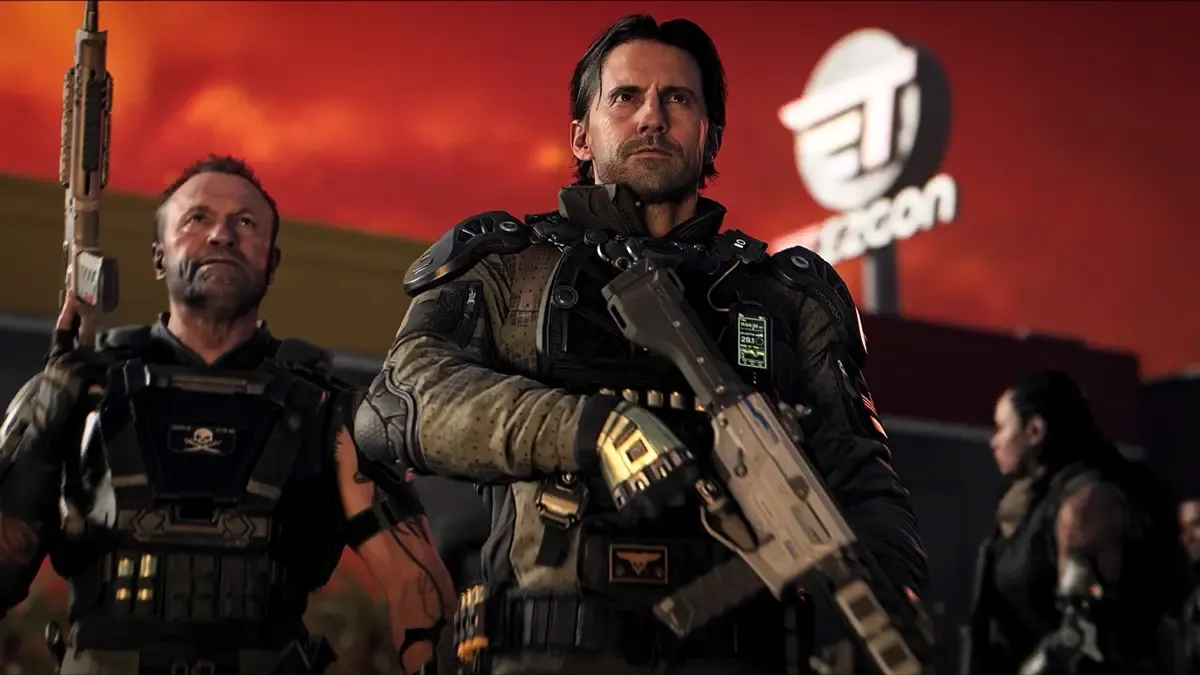
Instead of providing a follow-up to the unfinished plotline set up by Black Ops 6, the game jumps forward to the year 2035 with a traumatised David Mason as its leading man. The story follows David’s military unit Spectre One, as they investigate the seemingly impossible reappearance of returning big bad Raul Menendez. They eventually find out that a technological conglomerate named the Guild, led by a shadowy CEO named Emma Kagan, has ties to his return.
I’ll take a beat here to say that this isn't a bad setup for a Black Ops campaign. We’ve had two back-to-back titles dealing with government conspiracies in a row now, so a futuristic story featuring a tech conglomerate might seem on-the-nose, but refreshing nonetheless. However, Black Ops 7 immediately muddies this premise by dosing David’s and his team with a hallucinogenic toxin, causing the team to experience a series of vivid shared hallucinations that make up the bulk of the campaign.
David Mason sees dead people (and spiders)
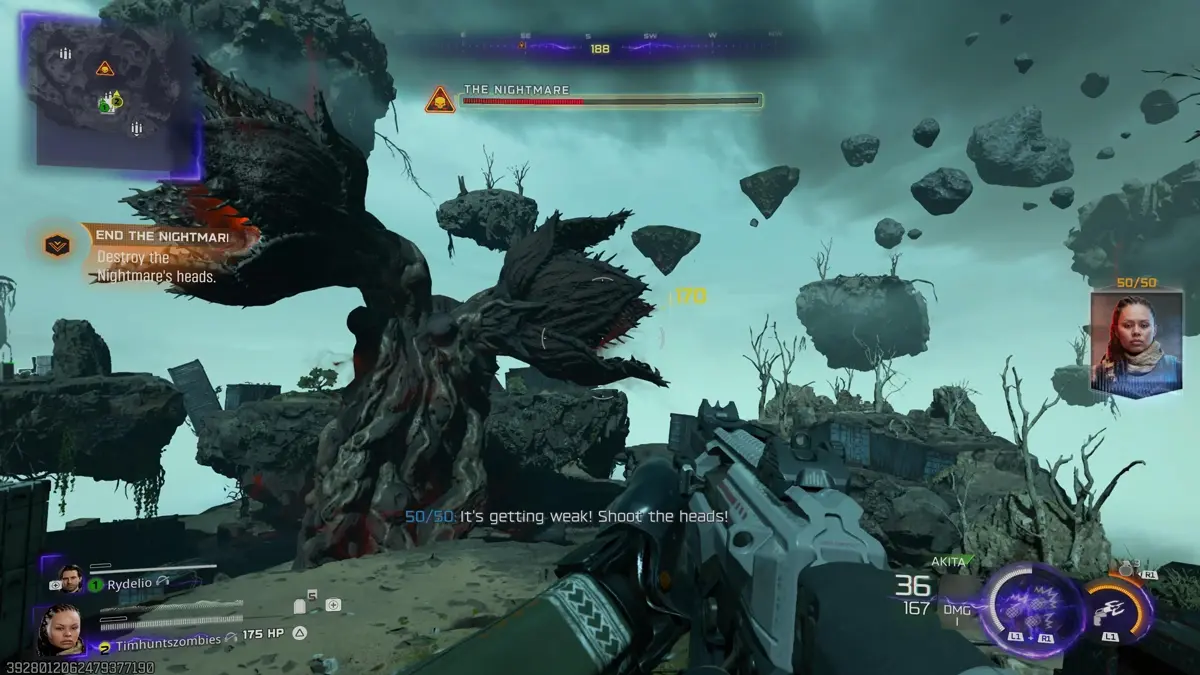
Forget about fighting the horrors of capitalism, because now you’re fighting the horrors of… shambling zombies and giant spiders. The story gives a bland excuse for why the team is sharing the exact same hallucinations; ostensibly because they also share the same cybernetic enhancements. This is presented as more of a theory than an actual fact, and it doesn’t take long for the team to brush it off with a quip. A convincing excuse for a supernatural-leaning campaign, it is not.
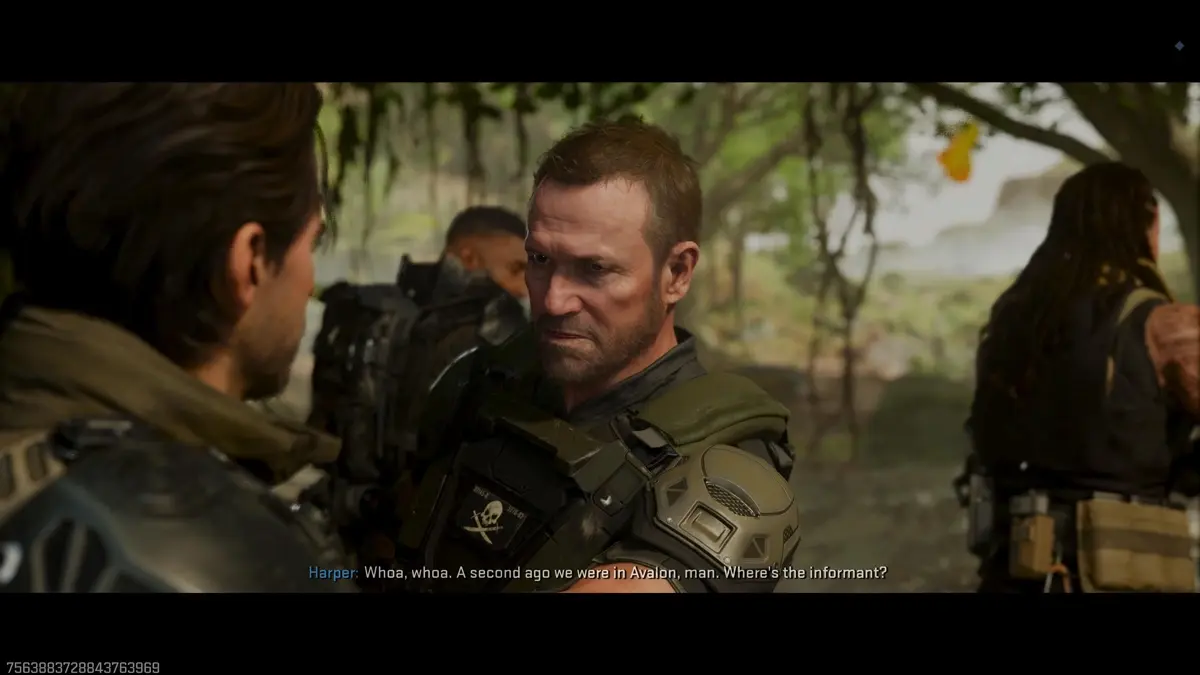
The campaign quickly loses itself in gratuitous levels of psychedelia, turning Menendez into a teleporting machete-throwing demon, Mason’s teammate Harper into a human-shaped kaiju, and Frank Woods into Seymour from the Little Shop of Horrors. It’s all so laughably over-the-top that even the JSOC team refuses to take its plight seriously, constantly spouting sarcastic quips and one-liner jokes that stick the landing just about as well as a hamster flung from great height. That's the level of humour we're working with here.
Peppering the campaign with monsters makes this feel less like a Black Ops game, and more like a one-off in the vein of Infinite Warfare or Vanguard. The narrative reasoning for these supernatural shenanigans is simply too thin to work, when it's paired with writing this weak. If Treyarch and Raven Software wanted to make a supernatural Call of Duty game, they should have just gone for it; this techno-infused mish-mash of robots, zombies, and mechs just comes across as a poorly-made justification for science weapons and whackadoodle setpieces.
Back to the Masons, yet again
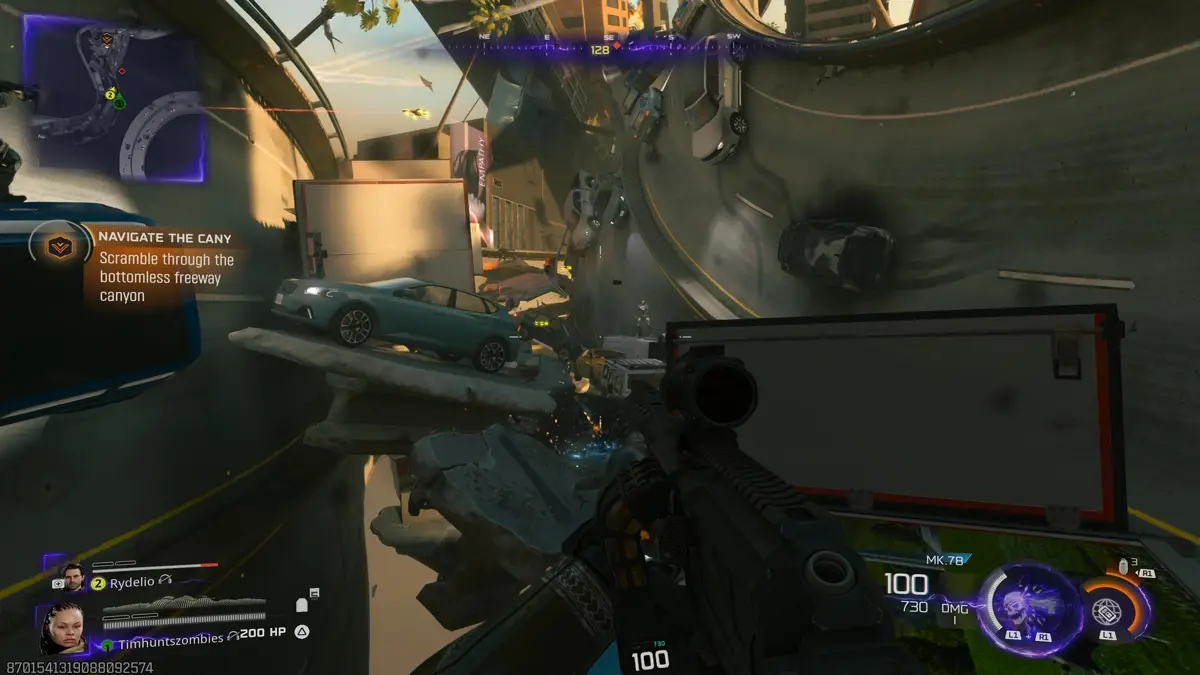
The game proceeds to shoot itself in whichever unshot limb it has left by dragging things back to the Mason family. David Mason, seen here portrayed by Milo Ventimiglia doing a gruff impression of Dean Winchester, is the focal point of a story that is puzzlingly presented as more of an ensemble piece.
Frank Woods, Raul Menendez, and even Alex Mason are all dug out of the dirt and thrown into warped flashbacks from Black Ops 1 and 2, in missions that play into David’s personal traumas. By comparison, we only get brief forays into the histories of David’s three other teammates, with Harper’s backstory being puzzlingly reduced to a bossfight.
The game seems totally reluctant to venture any further than the first two Black Ops games. It even goes so far as to recreate iconic levels from the games, with a toxin-induced hallucinogenic transforming them to also include zombies and evil flying bugs. This marks a tragic regression, considering that the last two entries in the series had already stopped being so reliant on the Mason family's drama.
This is certainly one of the most disappointing Call of Duty campaigns I have played in recent years, though it still isn’t quite as dull as 2023’s Modern Warfare III. I do appreciate that Treyarch and Raven attempted to deliver something new with this campaign. If only its execution wasn’t so utterly bungled with limp writing, weak characters, and generic antagonists. By far, its worst crime is that it doesn’t move the series forward an inch. Instead, it seems content to drag it backwards into nostalgia and rehashed character drama.
Big ol' bossfights
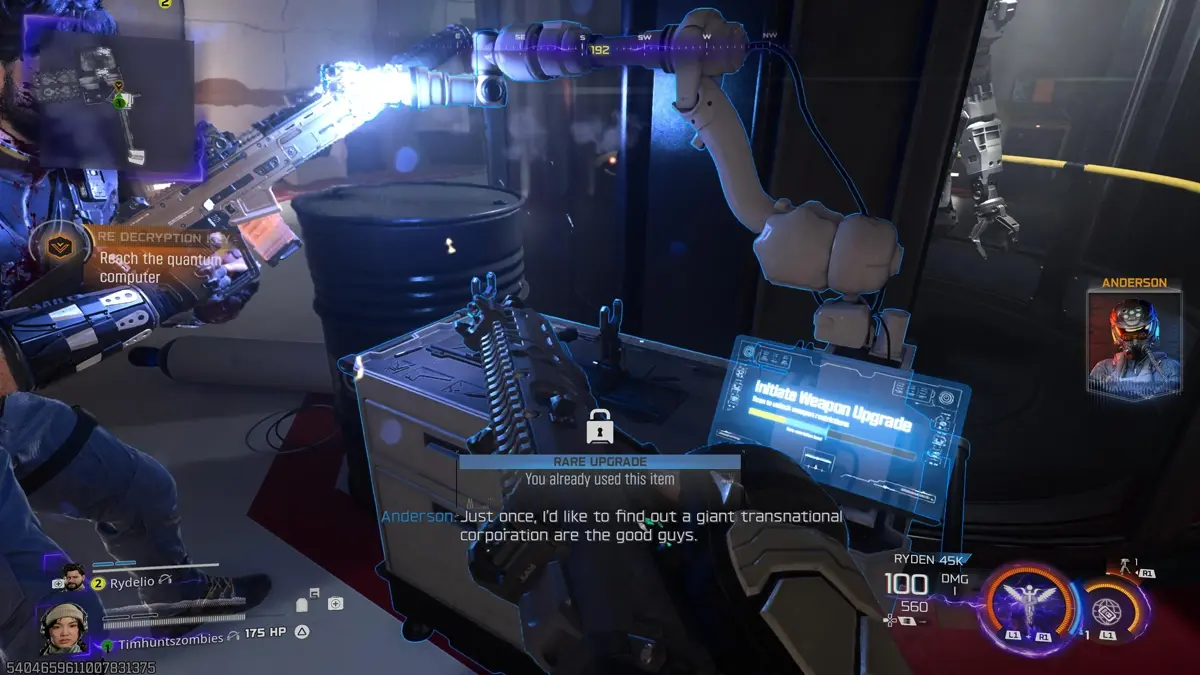
Black Ops 7 also breaks a series tradition with a multiplayer PvE campaign, rather than offering a singleplayer-only campaign. Spectre One functions as an excuse for players to ride through the story in teams of four players, though they can also do so solo. I played through the game with a colleague in tow, and it quickly became clear that a full four-player team is the way to go here.
The lack of AI bot teammates heavily hurts immersion, as David’s teammates will simply disappear during missions if there aren’t any players left to fill their shoes. These teammates will still pop up in radio chatter, however. They’ll also make sudden appearances in cinematics after being missing for long stretches of gameplay. Bizarrely, the campaign also doesn’t allow players to actually choose who they’re playing as; not that it matters, as each member of Spectre One is interchangeable in terms of combat prowess.
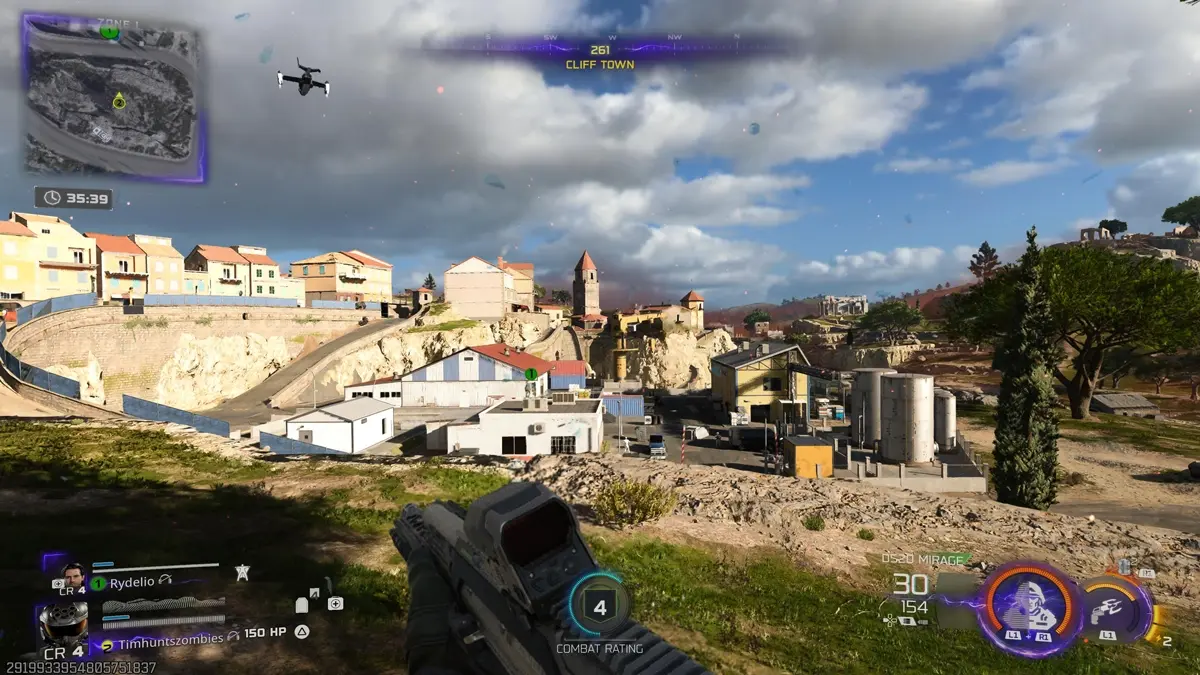
The PvE campaign is broken down into 11 missions in total, and most missions end in massive, ostentatious bossfights with unique mechanics to learn and play around. These fights aren’t difficult to figure out, and typically revolve around pumping bullets into the big bad before waiting out a few area-of-effect attacks. Rinse and repeat. Like other flawed co-op games of its kind, including the likes of Resident Evil 6 and Aliens: Colonial Marines, it’s a lot more fun when played with a friend.
There is a lot of potential here. Running through the game’s more grounded missions, shooting up mobs of enemies, and solving puzzles provided enough chaotic fun to keep me coming back for more. Unfortunately, whatever promise this gameplay loop holds implodes when weapon rarities, increasingly bullet-spongey enemies, and misshapen bossfights enter the fray.
Checking out the Endgame
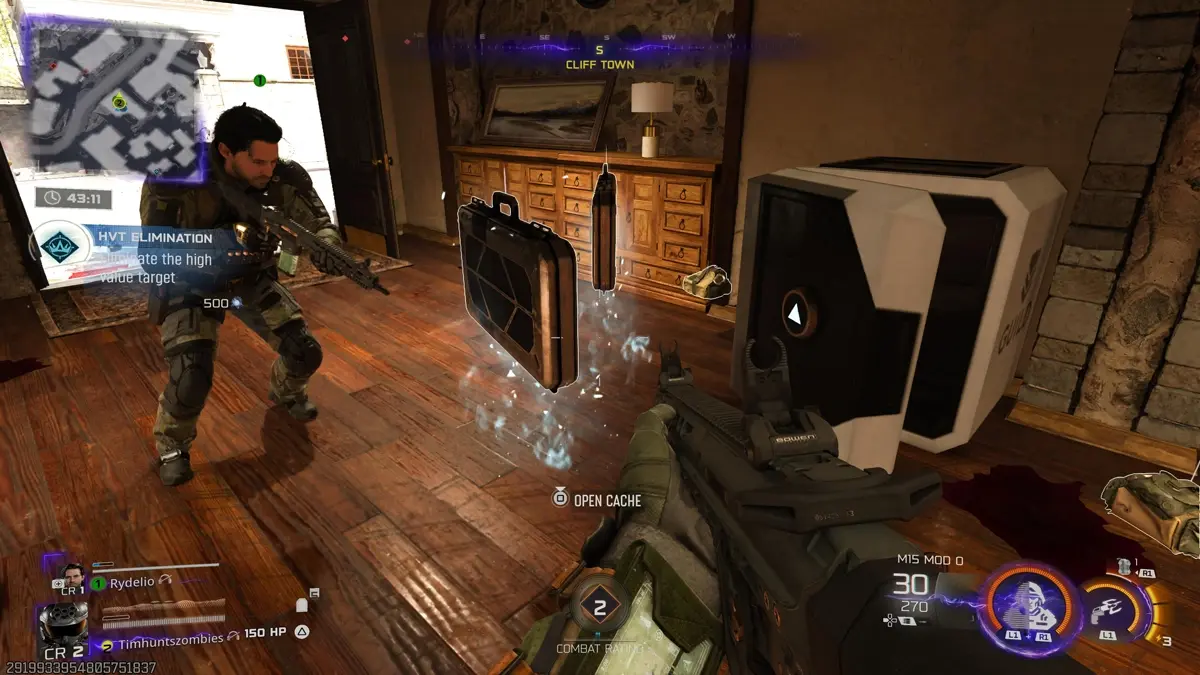
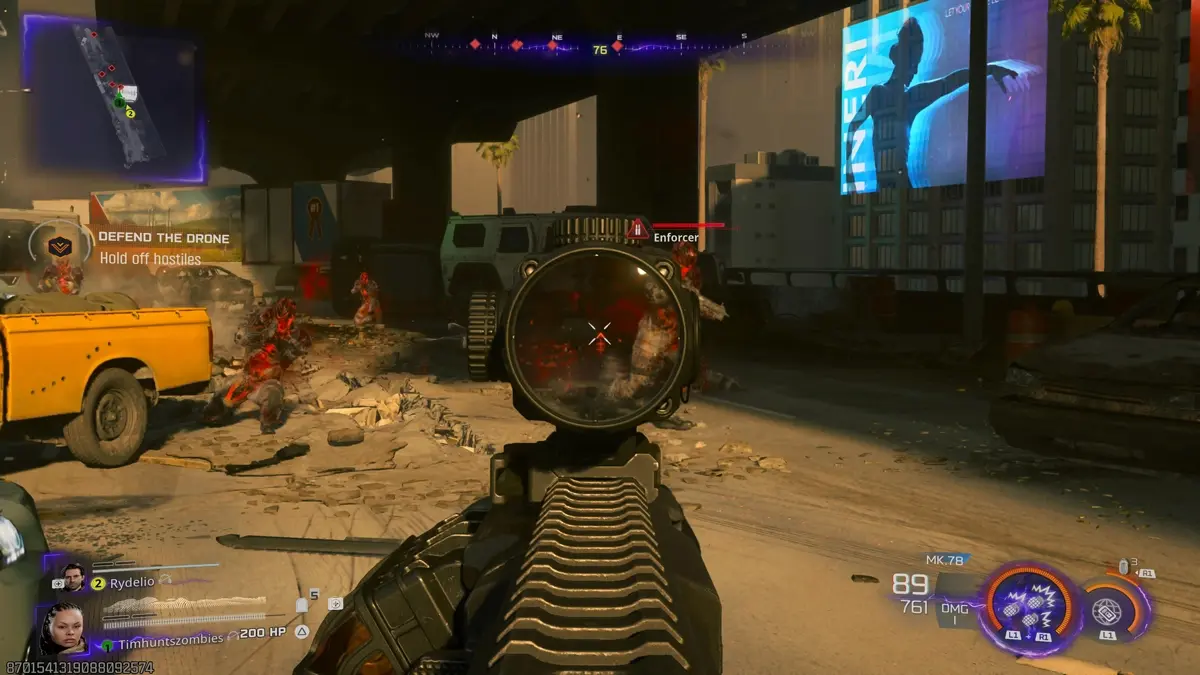
The campaign does have a gear system, if you can even call it that. Players start with common-tier weapons, and in battle royale-like fashion, slowly gain higher-rarity weapons throughout the story with more and better attachments. However, the effects of these upgrades are barely felt in gameplay, as enemies simply expand their health pools and become tankier to counteract your increasing weapon tiers as the missions progress.
On top of that, enemy AI is absolutely awful. Enemies will simply hide behind doors and inside rooms, waiting to ambush the player when they get close–but they remain totally still when you’re sniping at them from a distance. They will also stand still while you’re shooting at them in the open, and brazenly stow their guns to throw fisticuffs in the middle of combat. Mowing down these enemies doesn’t feel challenging whatsoever; it often feels like they’re arranging themselves within your crosshairs to get shot down one-by-one.
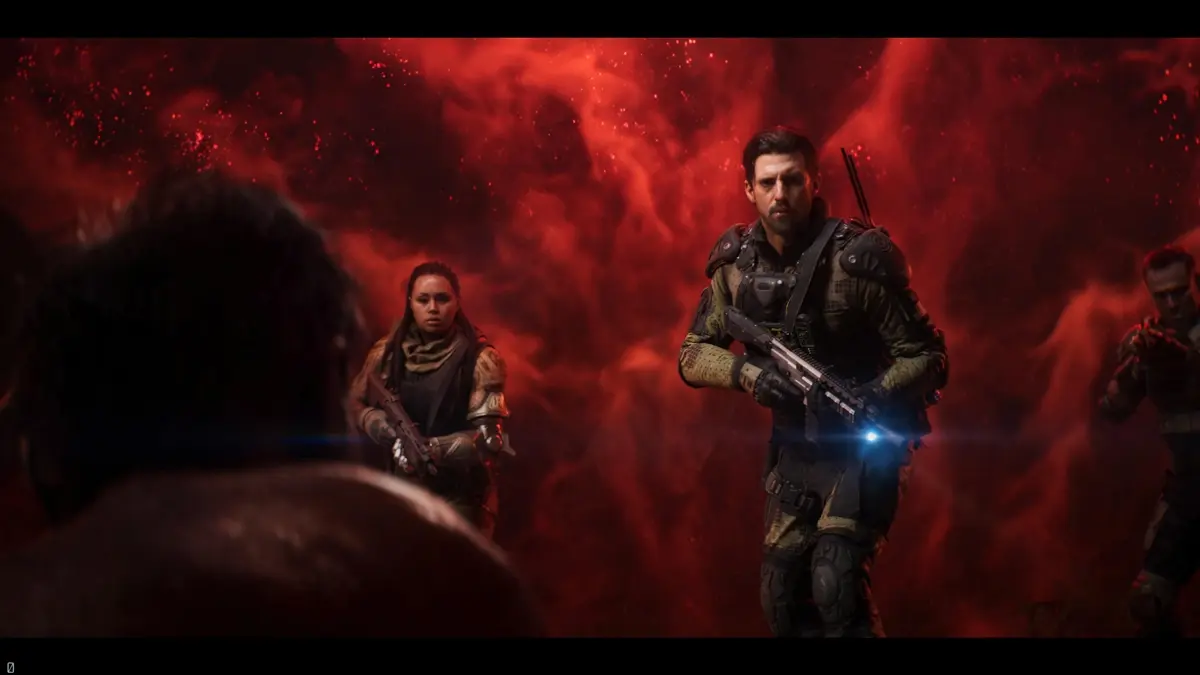
When the campaign is over, players can also jump into Endgame–Black Ops 7’s extraction mode. Here, Spectre One can drop in to clear out remnants of the Guild, a faction that is annoyingly left intact following the events of the main story. Players can collect gear and complete repetitive missions, which boil down to slaying enemies within a time limit, before extracting with their loot.
Arc Raiders, this is not. With the bafflingly dim enemy AI being carried over to this mode along with repetitive objectives, Endgame can only provide a strange and lifeless way to keep Spectre One’s adventures going after the campaign. Zombies in their own right.
Verdict
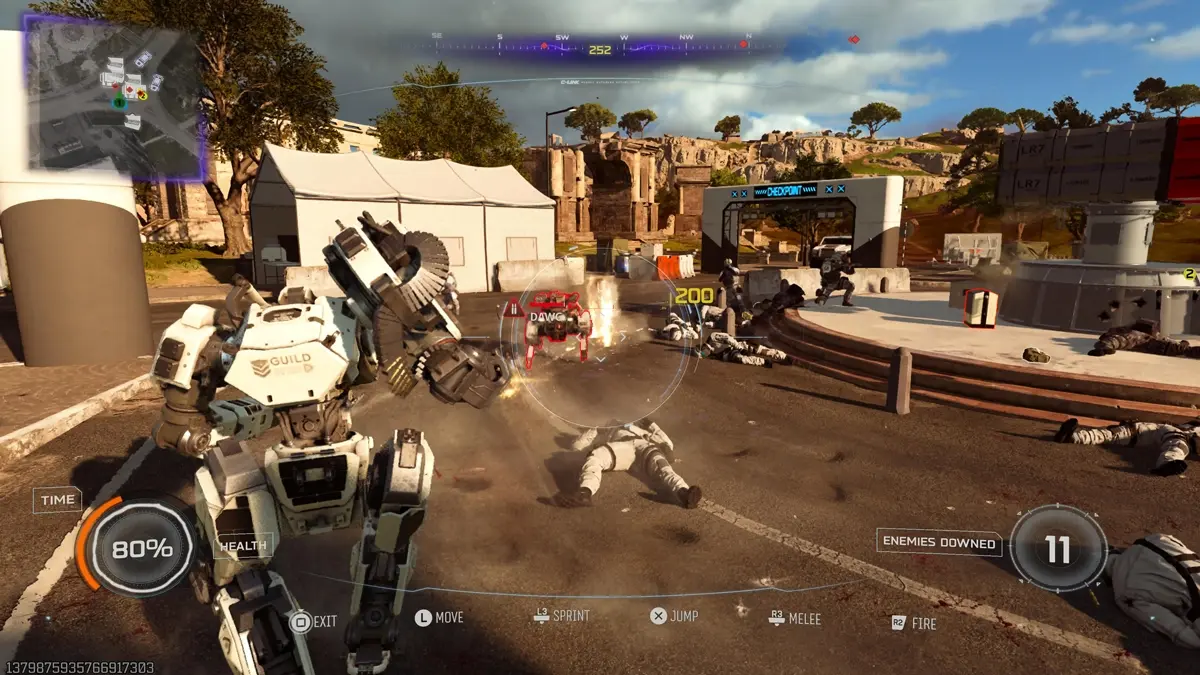
Call of Duty: Black Ops 7 sees Activision make a disappointing foray into co-op story campaigns. Trying to juggle a new enemy faction with David Mason’s connection to a resurrected Raul Menendez, and the backstories of three ostensibly less-important members of Mason’s team, ultimately prove to be this story’s downfall. Its short runtime just isn’t sufficient to provide closure to these disparate elements, leaving them all feeling out of place by the time the credits roll.
I’m not against future Call of Duty campaigns going down the PvE route. There is plenty of potential in bringing squadmates with you into a multiplayer campaign, especially when recent Black Ops entries already tend to feature large ensembles. Even the fan-favourite Zombies mode has proven that PvE has a place in this franchise. Black Ops 7 can only provide a template in how it can’t be done.
It can’t lose sight of its protagonists amid the silly chaos of its supernatural hijinks. It can’t get away with a boiler-plate big bad, let alone an entire faction’s worth of throwaway villains in quick succession. It can’t have a loot system this unfathomably dull, where upgrades are as frequent as they are meaningless.
What it can have is a longer campaign, though I will say that this time around, six hours of Black Ops 7 proved more than enough.
Call of Duty: Black Ops 7 is out now on Xbox One, Xbox Series X|S, PlayStation 4, PlayStation 5, Nintendo Switch, and PC for US$69.99. We received a copy of the game for this review.