Nintendo is one of many companies that filed a case against the US government about the tarriff refunds.
Nintendo has filed a lawsuit against the United States Government over tariffs imposed by the Trump administration. The company is seeking refunds for duties it says were unlawfully collected from its imports.
The complaint, filed on 6 March in the United States Court of International Trade, was first spotted by Aftermath, with a copy of the filing made publicly available by TechCrunch.
In the 14-page complaint, Nintendo of America asks the court to order refunds for tariffs paid under executive orders issued by President of the United States, Donald Trump, beginning in February 2025. The company argues that the duties were imposed under the International Emergency Economic Powers Act (IEEPA) without legal authority.
Nintendo is requesting that the government return the funds with interest, cover attorney fees, and re-process affected import entries.
According to the filing, Nintendo acted as the importer of record for the goods covered by the tariffs, meaning that it paid the duties directly. The company says it “has suffered injury caused by the IEEPA Duties” after being required to cover the charges.
What is Nintendo's grounds for suing the US Government?
The case follows a 20 February ruling by the Supreme Court of the United States, which determined that the president does not have authority under the IEEPA to impose tariffs. The decision upheld earlier rulings in V.O.S. Selections, Inc. v. Trump and Learning Resources, Inc. v. Trump, confirming that the powers granted under the act to “regulate importation” do not extend to creating tariffs. Nintendo’s filing points to those rulings as binding precedent.
In its complaint, Nintendo argues that because the tariffs were ruled unlawful, the duties collected under them should be refunded. The filing states that “all tariffs collected under the IEEPA Duties must be refunded with interest,” referencing the government’s own earlier statements in related litigation.
Nintendo’s lawyers also cite prior court proceedings in which the government acknowledged that if tariffs were ultimately found unlawful, the government would issue refunds to affected companies. In one quoted statement from earlier filings, the government said: “If tariffs imposed on plaintiffs during these appeals are ultimately held unlawful, then the government will issue refunds to plaintiffs, including any post-judgment interest that accrues.”
The complaint also notes that some of Nintendo’s import entries have already been processed by customs authorities, while others continue to be processed. The company argues that without a court order requiring refunds and the reprocessing of those entries, it could continue to suffer financial harm.
Nintendo named several federal agencies as defendants, including the United States Department of the Treasury, Department of Homeland Security, Office of the United States Trade Representative, U.S. Customs and Border Protection, and the United States Department of Commerce.
The tariffs in question were introduced through a series of executive orders in 2025, targeting imports from countries including China, Canada, and Mexico, with some rates rising significantly over time.
According to the complaint, the tariffs collectively led to the collection of more than US$200 billion in import duties across affected goods since February 2025. More than 1,000 companies, including FedEx, Costco, and Revlon, have filed similar suits over the same tariffs.
Nintendo Switch 2 launch unfolded during tariff uncertainty
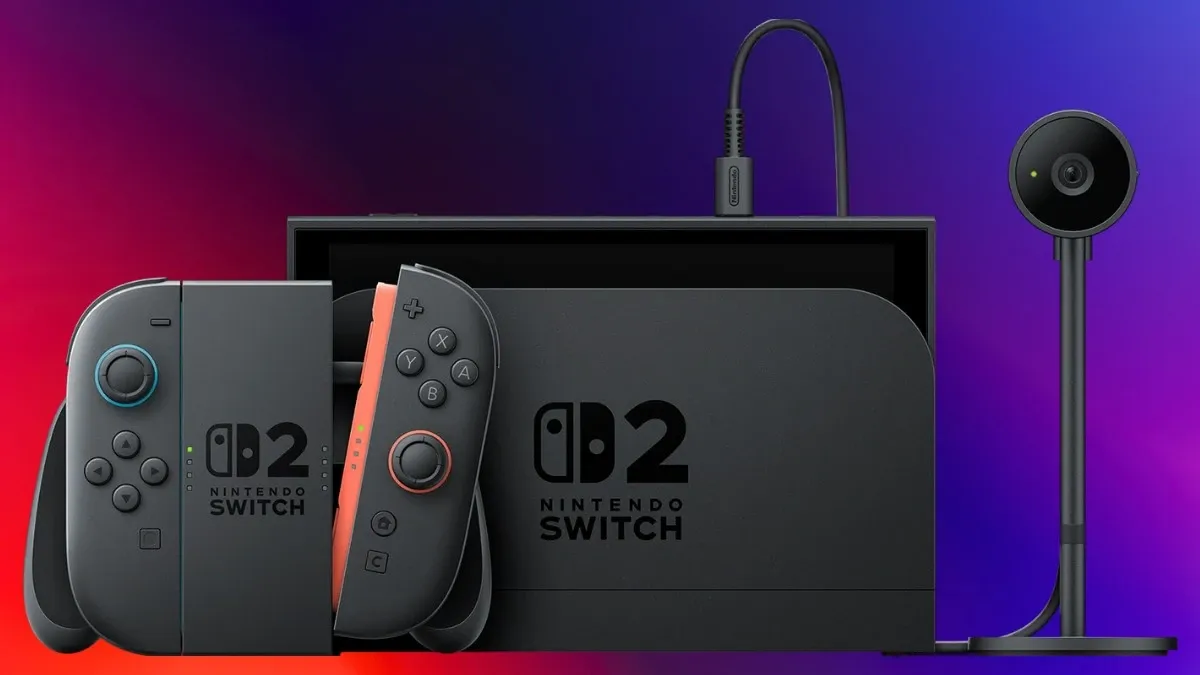
The trade dispute also unfolded during the rollout of Nintendo’s latest console, the Nintendo Switch 2. Shortly after tariff changes were announced earlier that year, Nintendo delayed its planned U.S. pre-orders for the console while it evaluated the potential impact.
The Nintendo Switch 2 eventually launched on 5 June, 2025, without raising its base price, although prices for several Switch 2 accessories and peripherals were adjusted.
Nintendo confirmed to multiple outlets that the complaint had been filed, but declined to provide further details. “We can confirm that we filed a request. We have nothing else to share on this topic,” the company said in a statement.