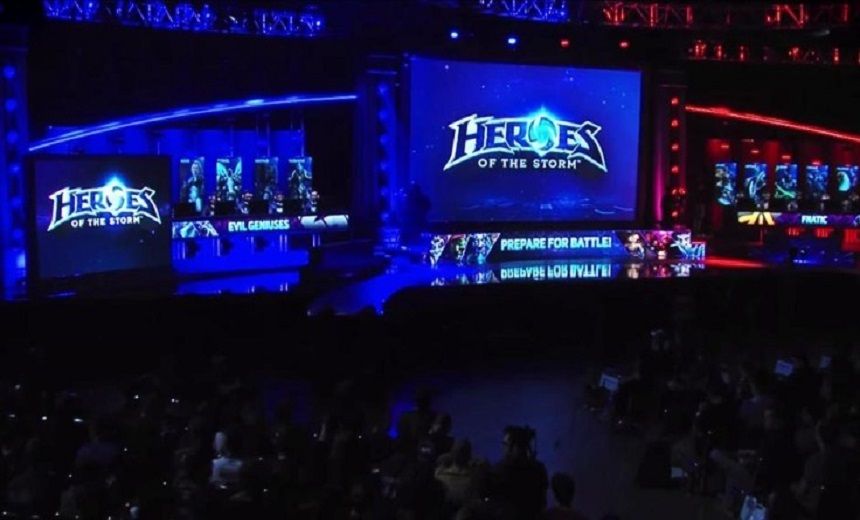
The Heroes of the Dorm qualifiers stage began on March 28th, on the heels March Madness and the conclusion of the Elite Eight in NCAA Basketball. As the Nation readied itself for the Final Four, with the likes of undefeated Kentucky, Duke, and Wisconsin, elsewhere many schools around the nation prepared themselves for another NCAA tournament in the form of Heroes of the Dorm.
An impromptu announcement by Blizzard would give competing hopefuls only three weeks to prepare for the tournament's first phase, held in a swiss group structure. The 16 groups consisted of roughly 55 teams each, representing approximately 880 teams and 4400 players. Heroes of the Dorm, elected to play the equivalent of a regular season over the course of 2 days, under the moniker of qualifiers. For comparison, in NCAA Basketball the regular season last about 4 months and can span up to 34 regular season appearances to decide tournament entry and placement. One can surmise that Blizzard was set to work within the confines of whatever deal they were able to achieve with ESPN’s broadcasting rights, however this would turn out to be an issue for tournament organizer, TeSPA, further down the line.
For those unfamiliar with a swiss group, it is most comparable to a round-robin structure, only designed to accommodate a very large group of entrants. Rather then every team playing all 54 other teams in their group, they would only play 7 rounds in best of three format. Who you would play next was done by point system, using your own Win/Loss ratio as well as your opponents with a few more ancillary cogs to the algorithm I won’t go into here. Basically, think strength of schedule. There were however cases of vast oversights, many of which seemed to consist of matchmaking errors in the fourth round. Reddit user u/echuchee posted a rundown on issues pertaining to his group with data attributing a 33% error rate in matchmaking.
"When the dust had settled a team with a score of 13-2 was being passed up by teams with scores of 12-4 and 12-3."
In the conclusion of this same group a 5 way tie of teams with a record of 6-1 were in deadlock. Prior to the qualifiers the rule stated that “the top four spots on the leaderboard” would advance with leaderboard positioning being determined by “Match wins > Game wins > Tie break score.” When the dust had settled a team with a score of 13-2 was being passed up by teams with scores of 12-4 and 12-3. When checking after the fact it had been found the rule was silently chosen to omit game wins as a factor without a statement or cause, leading to teams going to bed on the eve of results thinking they had made it in, only to awake to the news they would be watching from the sidelines.
While the tournament was no doubt vast, convoluted and very technical, I can’t help but feel transparency and execution could have been better on multiple fronts. This isn’t squarely on the shoulders of TeSPA however as the stringent broadcasting schedule imposed by Blizzard and ESPN made orchestrating a tournament of this scale a proverbial nightmare.
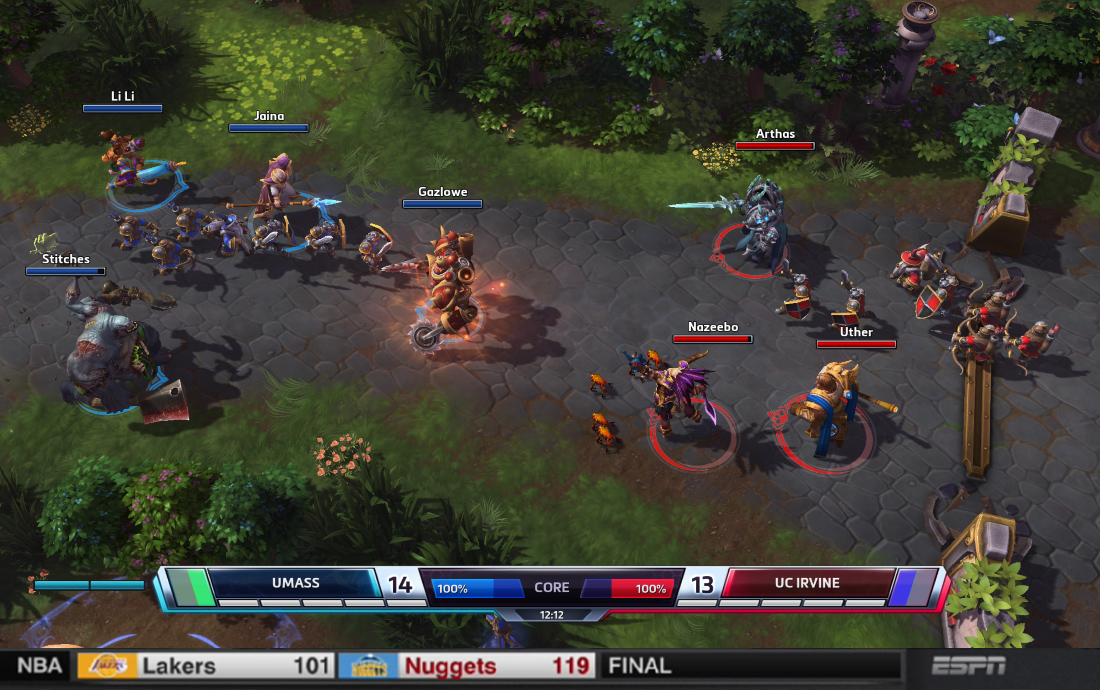
"Amidst all this chaos I had the pleasure of playing for the University of North Texas in this event, and was able to live the highs and lows of this high octane competition and sarcastic thrill of refreshing the TeSPA website, first hand."
On day 1 of the qualifiers the TeSPA website was all but stable running into loading issues and making it difficult for teams to submit score. Though it was shaky and there were a couple of delays that left more than a few people frustrated the day wrapped up nonetheless. Day 2 was an entirely different beast with the site issues causing delays that would only allow 2 of the 4 matches to be played within a reasonable timeframe.
At this time it is unclear as to if the outages were caused by back-end architecture such as the convoluted self updating tie breaker algorithm or whether this was just an old-fashioned DDoS attack. Either way the decision of TeSPA late in the evening was to postpone the final two matches until the next Saturday.
The new date of April 4th as it would have it, would be the eve of Easter Sunday, one the busiest weekends for College Students travelling home, ultimately causing multiple teams to forfeit. This decision was a tough call to make on TeSPA’s end and honestly I feel for them, since the situation they were put in with scheduling around the next phase of the tournament as it pertains to ESPN3’s streaming schedule, left little option for flexibility. TeSPA was approached but ultimately could not be reached for comment.
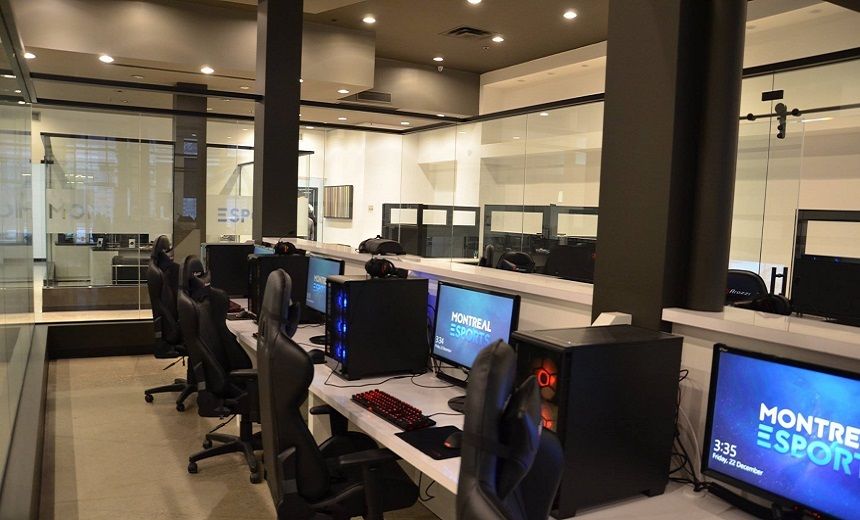
Amidst all this chaos I had the pleasure of playing for the University of North Texas in this event, and was able to live the highs and lows of this high octane competition and sarcastic thrill of refreshing the TeSPA website, first hand. Notable teams in our group (4) were that of Indiana University and Waterloo Black. Our only loss of the qualifiers came to Indiana as we were able to slide into the next phase as the third spot in our group. My team was fortunate enough to play in a LAN setting near campus allowing us to pass the time in between match delays with our own company. So while I may not be as seething as others at the miscues in the execution of the tournament I can see why the experience, for some, was overbearingly frustrating, when it should have been about fun and healthy competition.

The issues of this tournament boil down to time constraints and format issue with the swiss group system. The responsibilities for these errors cannot be attributed to one entity alone but instead fall at the feet of TeSPA and Blizzard in equal parts. The solution for both of these issues is, in this authors opinion, a simple one. A regular season, reasonably long in length. If you plan on copying the format of the NCCA tournament for the round of 64 phase down to the parodied names of the Sweet Sixteen, Elite Eight and Final Four, then you need to copy the parts that lead to such a tournament being so successful. Take a cue from other collegiate esports organization such as the CSL and plan your qualifiers over the course of multiple weeks in order to foster growth and team cohesion. If these key step are taken you can assure the best possible teams, to put on the best possible show, are competing in the final stages of the year.
Image Source: Blizzard Entertainment
Follow @Gosugamershots for more e-sports news.
More on GosuGamers Heroes of the Storm: