Resonance: A Plague Tale Legacy takes this franchise in an unlikely, but winning direction.
Asobo Studio’s hauntingly grim A Plague Tale series comprises some of my favourite narratives in recent memory. It’s hard to put the imagery of bloodthirsty avalanches of killer rats out of your mind when you’ve had to fend them off time upon time again, after all. However, it’s the bond between the series protagonists–Amicia and her little brother Hugo–that have truly stood the test of time.
2022’s A Plague Tale: Requiem gave us a bittersweet conclusion to Amicia and Hugo’s story, to the point where it felt like the series itself had already arrived at a fitting end, merely two entries in. This year’s Resonance: A Plague Tale Legacy defies that sentiment by trading in the series’ core gimmick of dodging monstrous rats for the epic trappings of Greek Mythology. Instead of following Amicia and Hugo, the game opts to turn back time and focus on the storied past of one of Requiem’s key players: the smuggler captain Sophia.
Despite the drastic shift in direction, Resonance: A Plague Tale Legacy proves to be a thrilling capper to one of gaming’s most unlikely trilogies.
Resonance: A Plague Tale Legacy
Release date: 27 August 2026
Platforms: PlayStation 5, Xbox Series X/S, and PC
Developer: Asobo Studio
What is Resonance: A Plague Tale Legacy about?

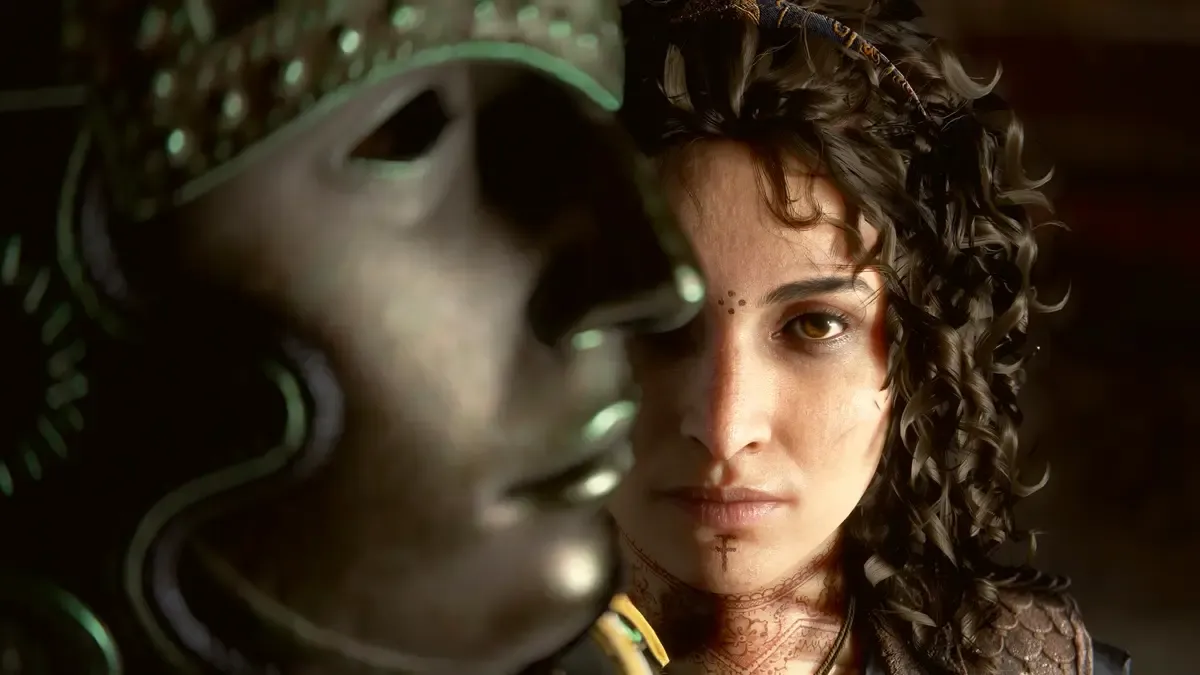
Resonance: A Plague Tale Legacy is set roughly 15 years before the events of A Plague: Tale Requiem, following the story of Sophia, a smuggler who would one day meet Amicia and find her entire life changed. As it turns out, meeting Amicia was just one of many life-changing events that have impacted Sophia throughout her life.
In this game, we learn that she has experienced visions since childhood, which paint a picture of a distant island and an enigmatic labyrinth located therein. Teams of adventurers are sent from her smuggling village every so often in an effort to unearth the island’s hidden treasure, but to no avail. The campaign eventually sees Sophia herself visit the island after a calamity strikes her people, and the smuggler then embarks on a quest that is equal parts motivated by a thirst for revenge and a need to survive.
The strength of this series has always been its no-holds-barred narrative. Despite mainly featuring a cast of children in both prior entries, A Plague Tale has always put its protagonists in the darkest and most precarious of situations without lending them an easy way out. Its version of the middle ages is plenty dark as it is, and that’s before we even consider the hordes of man-eating rats plaguing humanity.
This holds true in Resonance: A Plague Tale Legacy. Sophia is put through the absolute wringer in this game, and quickly becomes a protagonist you desperately want to root for. The game does shoot itself in the foot early on with a painfully slow start and overly drawn-out tutorials, however. We’re introduced to Sophia’s family and friends in a frantic coming-of-age sequence that just doesn’t have the right pacing to work, and feels too hand hold-y for its own good.
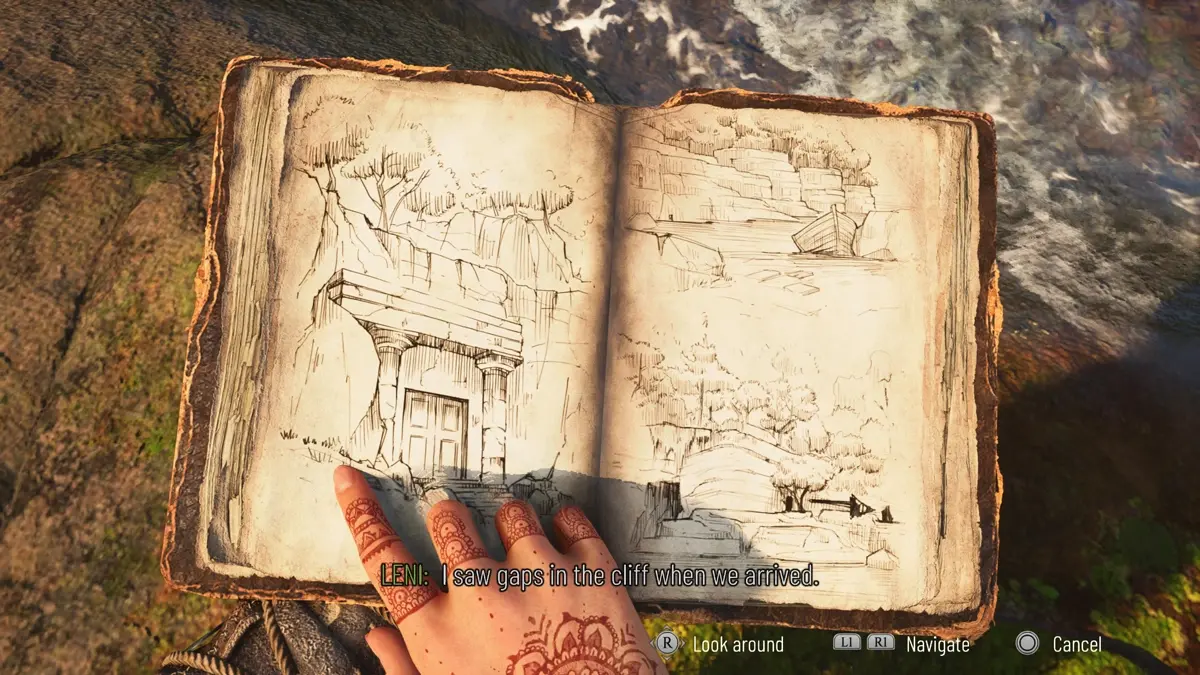
The narrative thankfully picks up once Sophia lands on the island, and we’re introduced to this game’s version of the rat plague; an indomitable monster whose appearance is best described as the Smoke Monster from Lost, and just as perilous in action. Following the thread of this monster’s origins, and Sophia’s connection to the island, leads the story to some pretty macabre places. It takes little time for Resonance to become one of the most tragic games in this series, if not the most tragic by far.
A story this dark and lengthy (averaging roughly 13–16 hours of playtime) will live and die by the strength of its main cast. Thankfully, Anne Demetriou is more than up to the task, reprising her role as the protagonist Sophia. Lisa Delamar's Leni is also a standout, as both characters are truly put through the wringer here. Asobo Studio’s motion capture work is something to be admired as well, capturing the little nuances of these actors’ performances with keen detail–though it can be a little inconsistent in doing so. Some cutscenes are a little clumsily put together, either due to strange editing choices or unfinished-looking animations.
Resonance: A Plague Tale Legacy console performance
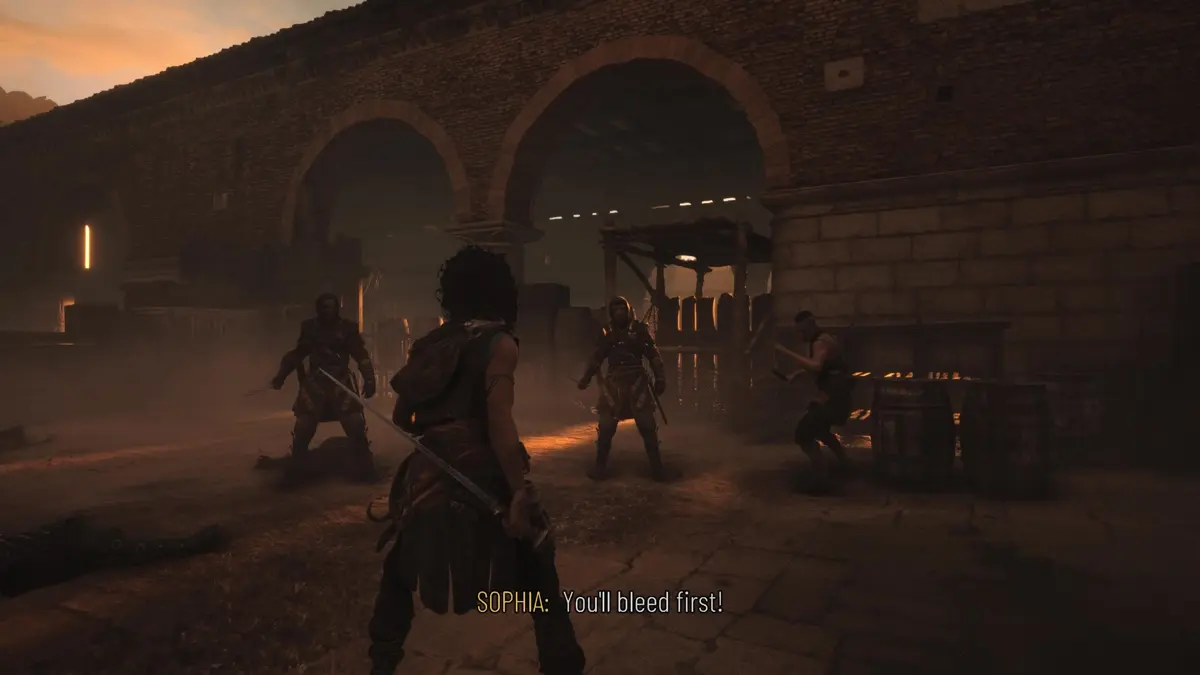
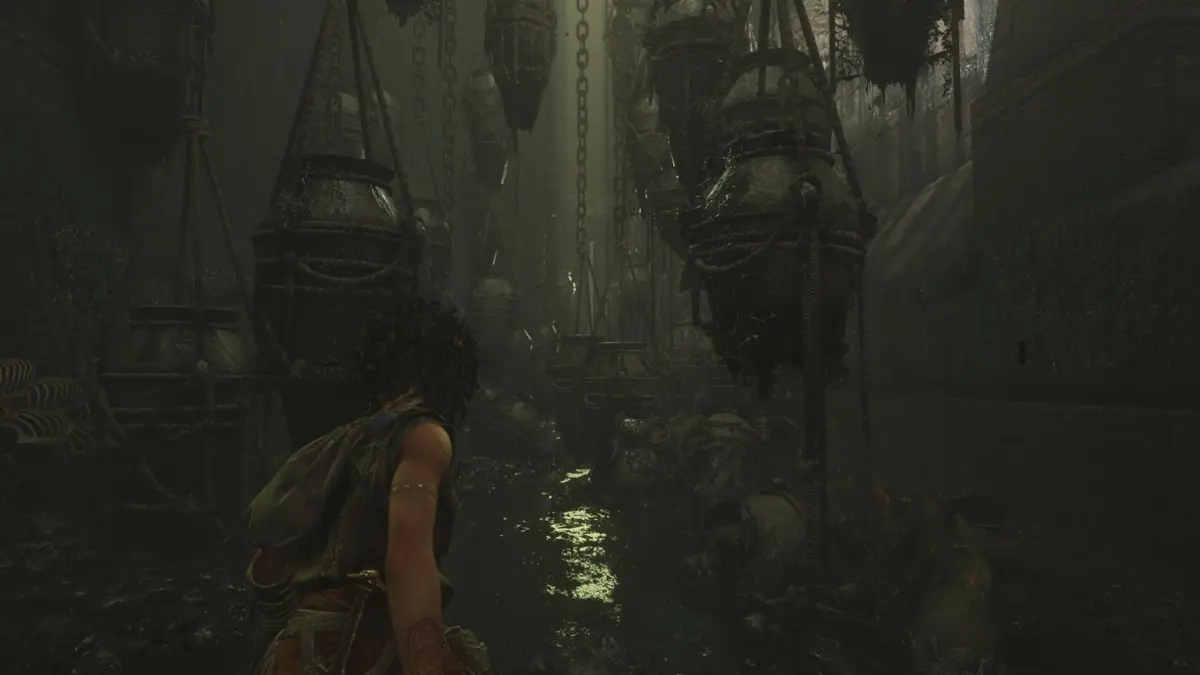
Great care has been taken in bringing Resonance: A Plague Tale Legacy’s environments to life. I constantly found myself either flabbergasted at the beauty of the island or totally aghast at the horrors of the labyrinth throughout my playthrough. However, that beauty is often marred by inconsistency. Where the game’s art design is spectacular, for example, its animations are jarringly wooden and choppy.
Nowhere is this unfortunate juxtaposition better demonstrated than the game’s many combat encounters. We’re shown that Sophia has been trained by smugglers to be a capable fighter in battle, but her motions are stilted and awkward during combat, with her body snapping from one stance into another like bent plastic. Many of the game’s human animations just feel unfinished or unpolished in some way. It’s a real shame, as it can detract from the oomph of the game’s combat and the gravitas of its darker story beats.
I played through Resonance on a PlayStation 5, and experienced a few technical issues during my playthrough–though it should be noted that this was on a pre-release build. Namely, a permanent black screen that kept me from progressing, and a few strange game-breaking bugs of that nature (like enemies being in unreachable places) that kept me from progressing. Reloading checkpoints fixed these issues, and performance was otherwise pretty smooth.
Oliver Deriviere returns to compose Resonance’s soundtrack, and his work here is once again superb. Where previous Plague Tale games were marked by their haunting violins and violently loud cellos, this game has more epic melodies and choral singing to match its adventurous tone. Things do take a turn for the worse eventually in Sophia’s island exploration, and that’s when the gnashing drums of the first two games return.
Sometimes I’d leave the main menu on and wander around my house just to listen to the music; it’s great stuff.
Is Resonance: A Plague Tale Legacy about Theseus?
As Sophia wanders about the mysterious island from her visions, the game flips between different styles of gameplay, including puzzle-solving, combat, and stealth sequences. There’s a huge amount of puzzle-solving in this game, much like the first two Plague Tales, but the issue here is that too many of the puzzles are variations of each other. I’ve had quite enough of games asking me to swing mirrors around to reflect light at a door, thank you very much.
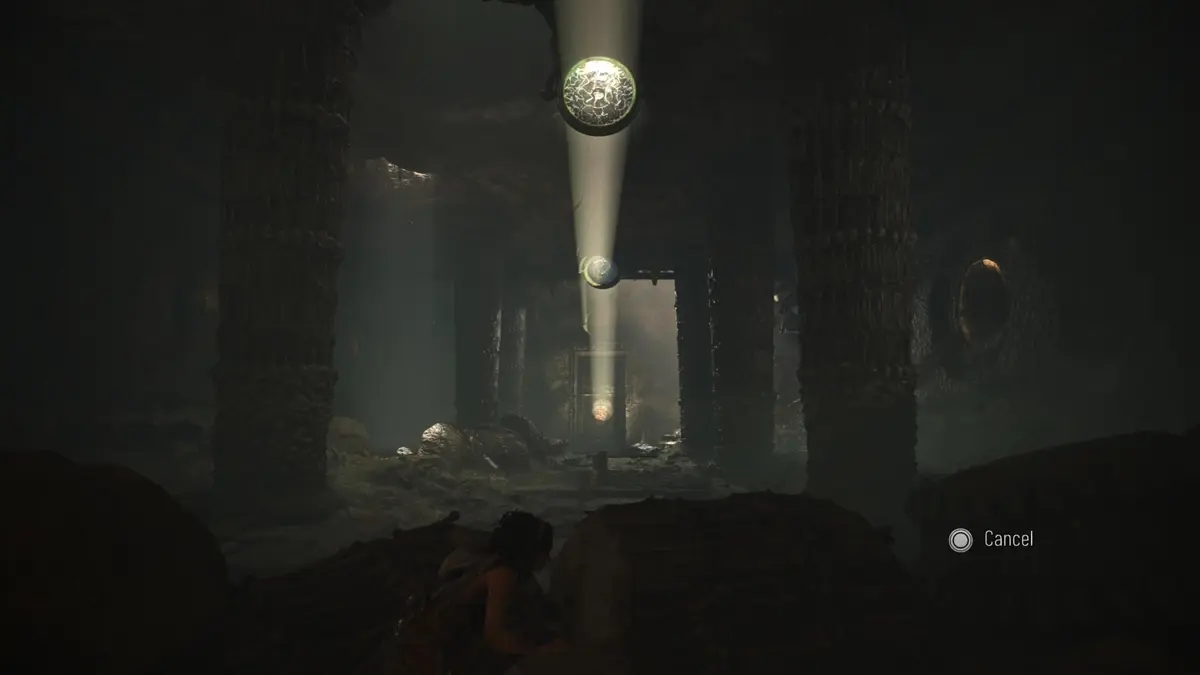
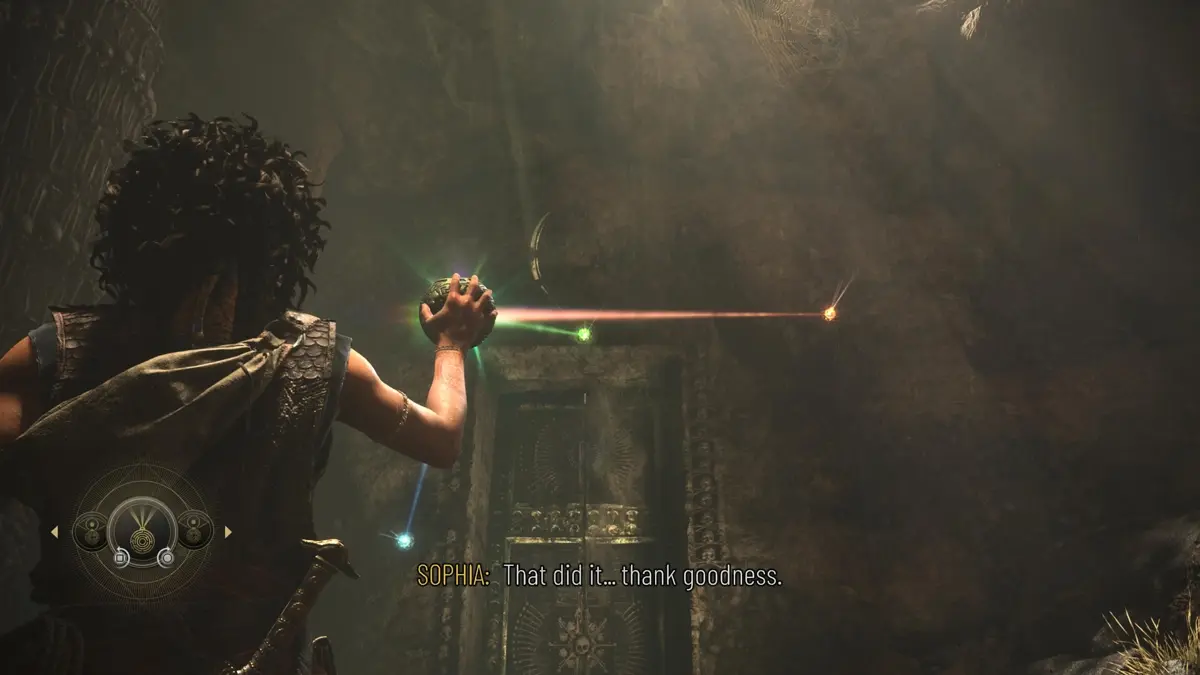
There is a little more diversity than that, of course. Some puzzles are symbol-based, making use of a Sphere that Sophia picks up during her travels, with the ability to refract light and thus progress through the island’s many puzzle rooms. These puzzles are most interesting when they’re actually woven into combat, asking players to solve simple light-based puzzles in order to defeat unique versions of late-game enemies. Unfortunately, this doesn’t happen very often throughout the game.
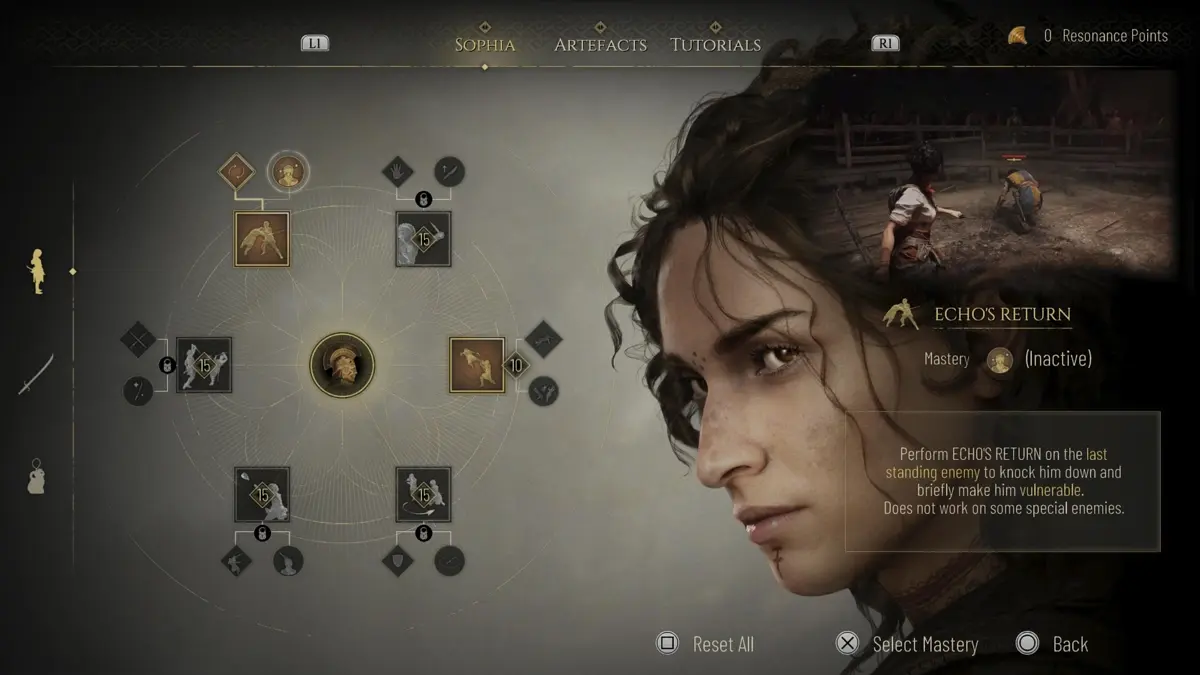
As for combat, Sophia thankfully has more tools at her disposal than Amicia in order to dispatch her enemies. A grappling hook can be used to pull enemies down from ledges, and a kick can be used to launch them off cliffs–which is always satisfying when pulled off. She can also parry and dodge attacks, and throw random items scattered around the battlefield to stun enemies. The combat loop doesn’t evolve very much throughout, but a few new enemy types eventually show up to make things interesting. It’s serviceable, despite the aforementioned lacking animations.
The game also has a few stealth sequences involving the smoke monster, the exact nature of which I won’t spoil here. It occupies the same role as the rats from the original Plague Tale games. This creature cannot be defeated, and must be evaded at all costs–providing the game with some sorely-needed tension following its listless opening hours.
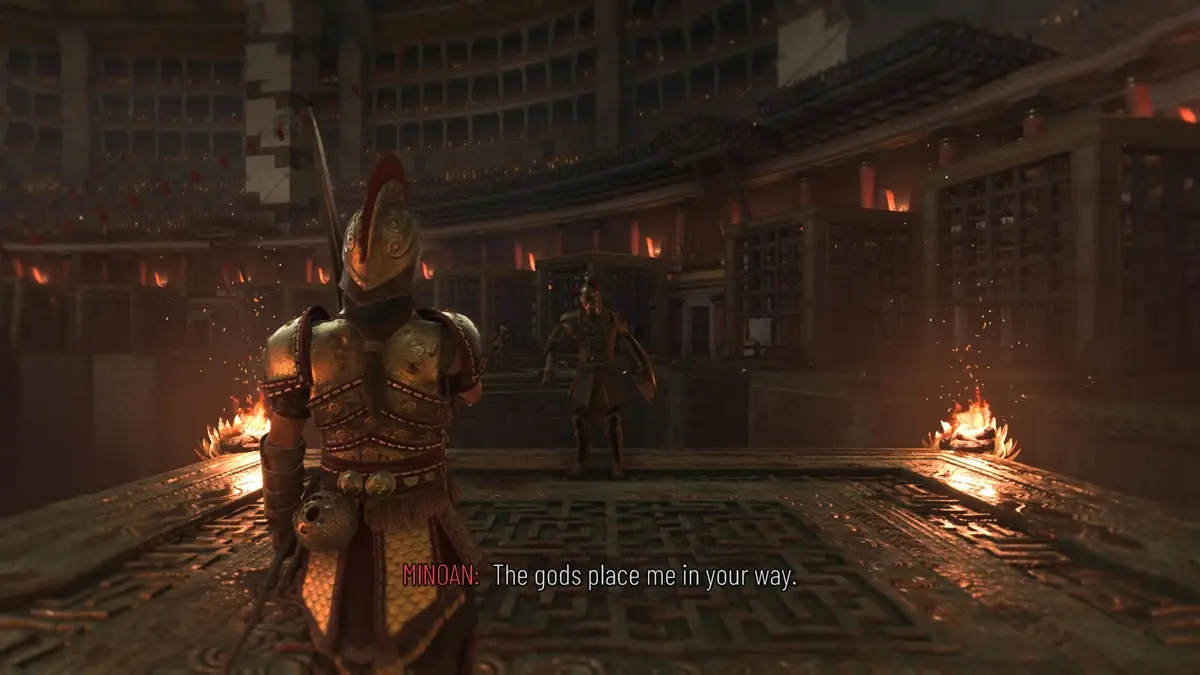
The game also has some interesting ties to Greek mythology, which are teased via flashback sequences to the Minoan period. Those acclimated with stories like Percy Jackson and Hades will be familiar with the tale of Theseus and the Minotaur. Resonance plays with those expectations in a rendition of Greek mythology that is equal parts familiar and twisted, tying things back to the series’ own monstrous lore in a pretty neat way.
Verdict
Resonance: A Plague Tale Legacy might be a prequel, but fans will likely find that it manages to push the series’ narrative forward in surprising ways. Despite the change in protagonist, the game feels just as darkly compelling as any other game in the series, filled with nightmarish world design and nail-biting action. Unfortunately, it also comes with a level of jank I have also come to associate with this franchise, and one it could certainly do without.
Still, it proves that there’s ultimately more to A Plague Tale than Amicia and Hugo. The series now has legs to go anywhere it pleases, and I am more than happy to follow.
Resonance: A Plague Tale Legacy launches on PC, PlayStation 5, and Xbox Series X|S on 27 August, 2026 for US$49.99. We received a copy of the game for this review.
Who made Resonance: A Plague Tale Legacy?
Asobo Studio, the developer of the Plague Tale franchise, developed this prequel.
Does Resonance: A Plague Tale Legacy have multiplayer?
No, Resonance: A Plague Tale Legacy is a singleplayer video game.
Who is Sophia in Resonance: A Plague Tale Legacy?
Sophia is a returning character from A Plague Tale: Requiem, now starring as the main playable character.