The first game to receive the Unreal Engine 6 update is not Fortnite.
Psyonix has officially revealed that Rocket League will move away from Unreal Engine 3 after 11 years, with the studio debuting a first look at its upcoming Unreal Engine 6 update during the 2026 Rocket League Championship Series Paris Major semifinals on Sunday (24 May).
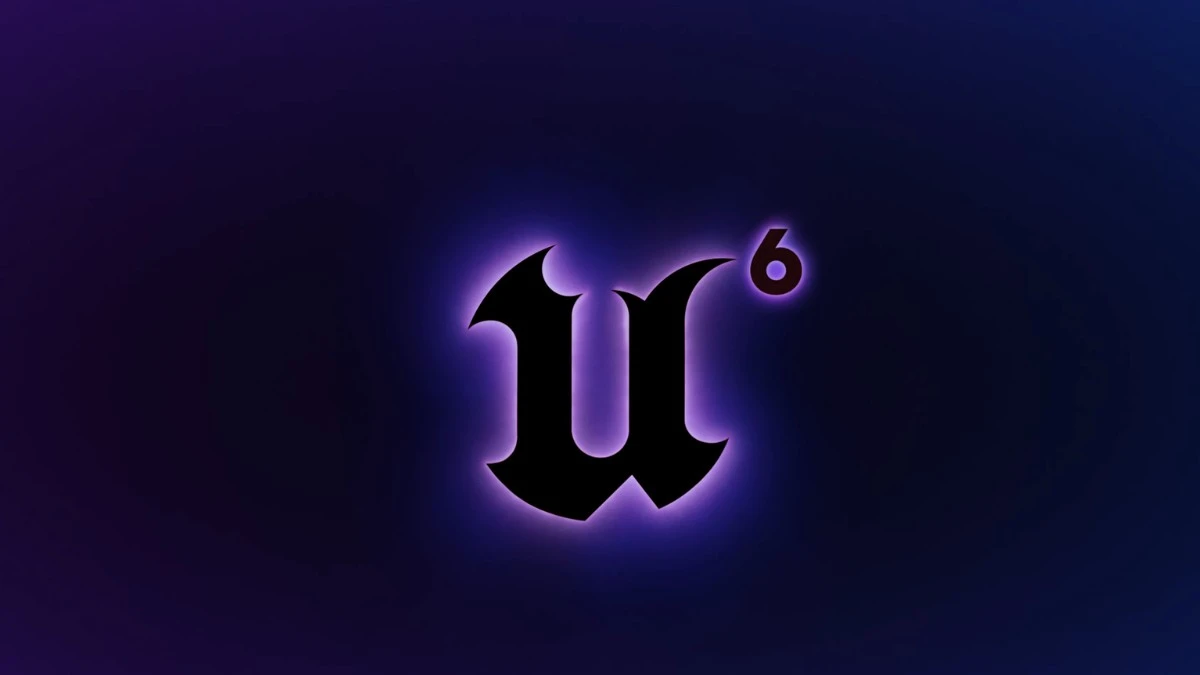
The announcement arrived alongside a teaser trailer showing updated visuals, new cars, and cinematic gameplay shots as the long-running free-to-play action sports title prepares for what the trailer describes as a “new era” and a “new engine.” During the event, an announcer introduced the reveal by saying, “To all of our friends here in Paris and those watching all around the world, this is the future.”
What did Rocket League’s Unreal Engine 6 reveal show?
The first-look trailer included brief snippets of in-engine gameplay featuring shinier vehicle models, cinematic camera angles, and upgraded stadium visuals. It also showed a wave of colourful cars speeding across the screen, before the Unreal Engine 6 logo appears for the first time.
A clip of the reveal was also shared online by The Game Awards YouTube channel:
While the teaser remained relatively light on gameplay details, the updated stadium appears to offer the clearest look yet at the changes coming to Rocket League’s presentation. The footage shows improvements to the crowd, lighting, and even the grass across the pitch, as the game transitions to its new engine.
Why is Rocket League leaving Unreal Engine 3?
Rocket League originally launched in 2015 using Unreal Engine 3. The move to Unreal Engine 6 marks the game’s first major engine transition since release, and follows years of anticipation from players waiting for the long-running title to modernise its technology.
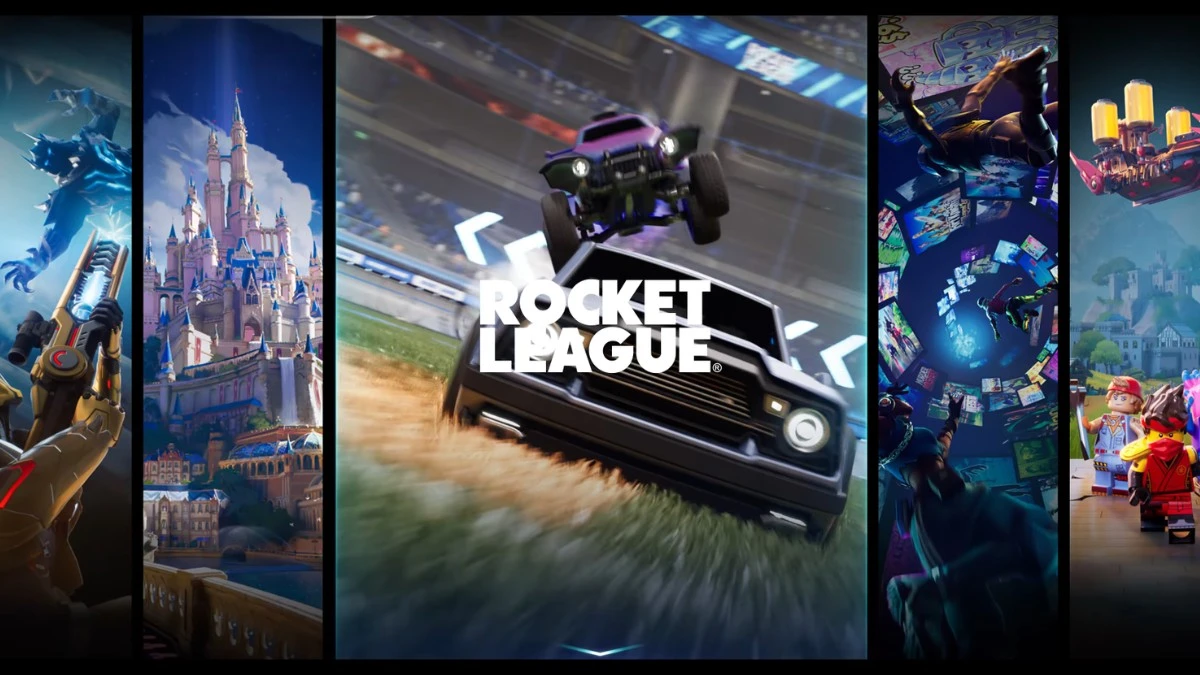
Epic Games and Psyonix had spent weeks building anticipation ahead of the Paris Major announcement, with professional players and on-site content creators teasing that a major reveal was on the way.
Rocket League is currently in the middle of Season 22, which launched in March.