Pragmata is an addictive experience, but its story leaves much to be desired.
After releasing both Resident Evil Requiem and Monster Hunter Stories 3: Twisted Reflection back-to-back this year, it’s clear that Capcom is on a roll–but it’s not resting on its laurels just yet. After two major sequels, the games publishing giant is now rolling out an all-new title: Pragmata, an action-packed sci-fi shooter set on the moon that stars an adorable android named Diana.
Pragmata proves that Capcom is still at the top of its game, not just in releasing satisfying sequels to longstanding franchises, but also all-new titles that feel totally fresh in their execution. While parts of Pragmata may draw direct comparisons to other entries in Capcom’s library, it’s the sum of those parts that makes it feel startlingly unique; one that is well worth playing, despite lacking a little juice in the story department.
What is Pragmata about?
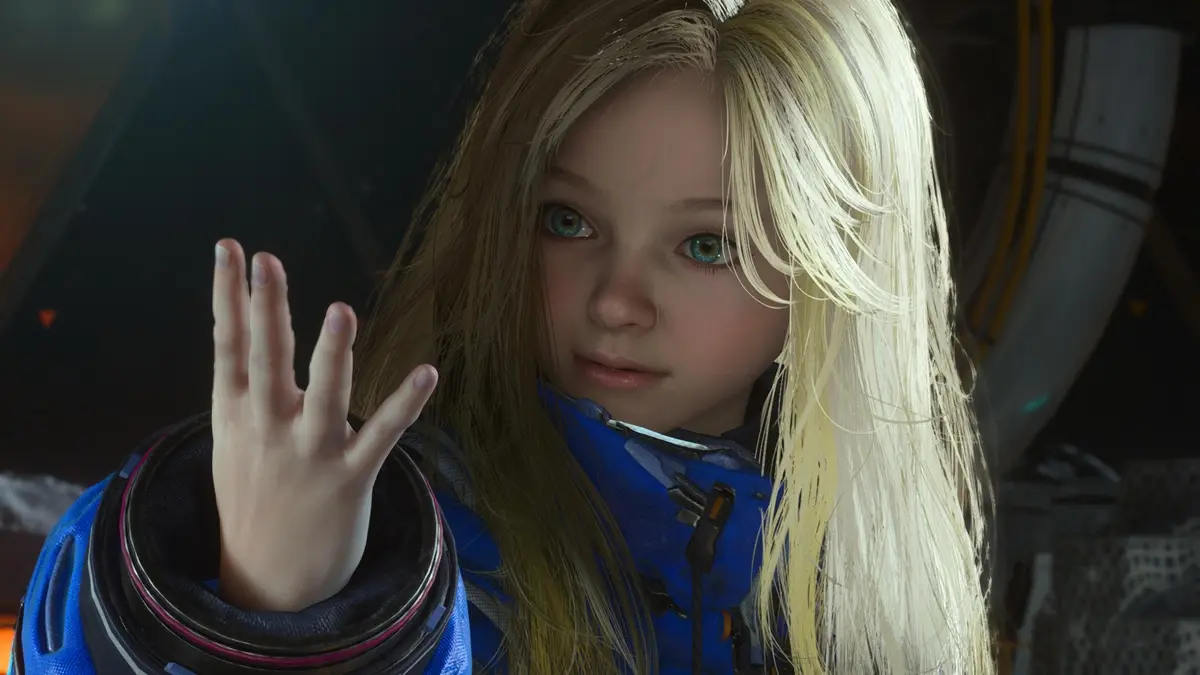
Pragmata follows a systems engineer named Hugh Williams, who works for an Earth-based tech company called the Delphi Corporation. After Delphi loses contact with one of its moon-based mining facilities called the Cradle, Hugh is sent to investigate the issue with a support team. He runs into a couple of problems at this point. Problem number one: his entire team is immediately and rapidly crushed under the boot of the Cradle’s malfunctioning AI, IDUS. Problem number two: he now has no way back home to Earth.
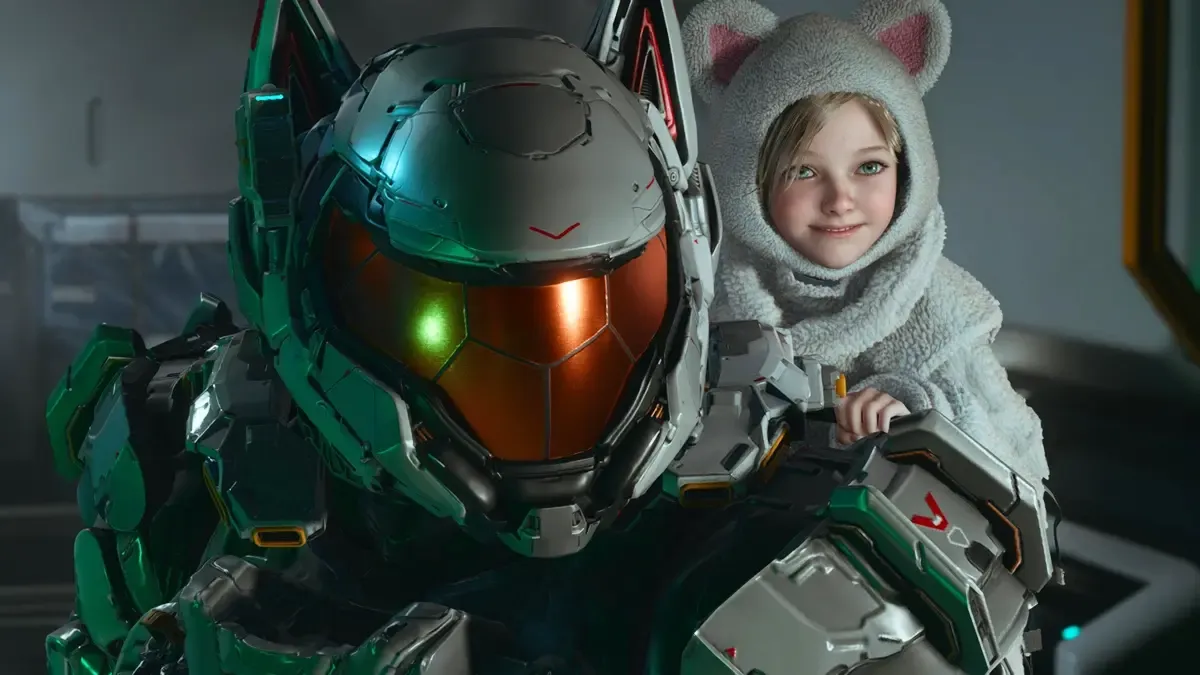
Fortunately, Hugh swiftly finds a friendly face in Diana, a helpful child-like android who joins him on his quest to return home. The two team up to figure out what caused IDUS to go rogue, while battling through waves of red-eyed robots and finding a way to get Hugh back home–all the while journeying through Delphi’s labyrinthian mining outpost on the moon.
While Hugh and Diana’s parent-child dynamic is nothing new in the world of gaming (or pop culture at large, see Lone Wolf and Cub), it effectively bears some of the campaign’s most emotional story beats. It feels a little hokey to watch Hugh get over the deaths of his colleagues so quickly and become attached to Diana in the wee early hours of this story, but their relationship is contagiously earnest.
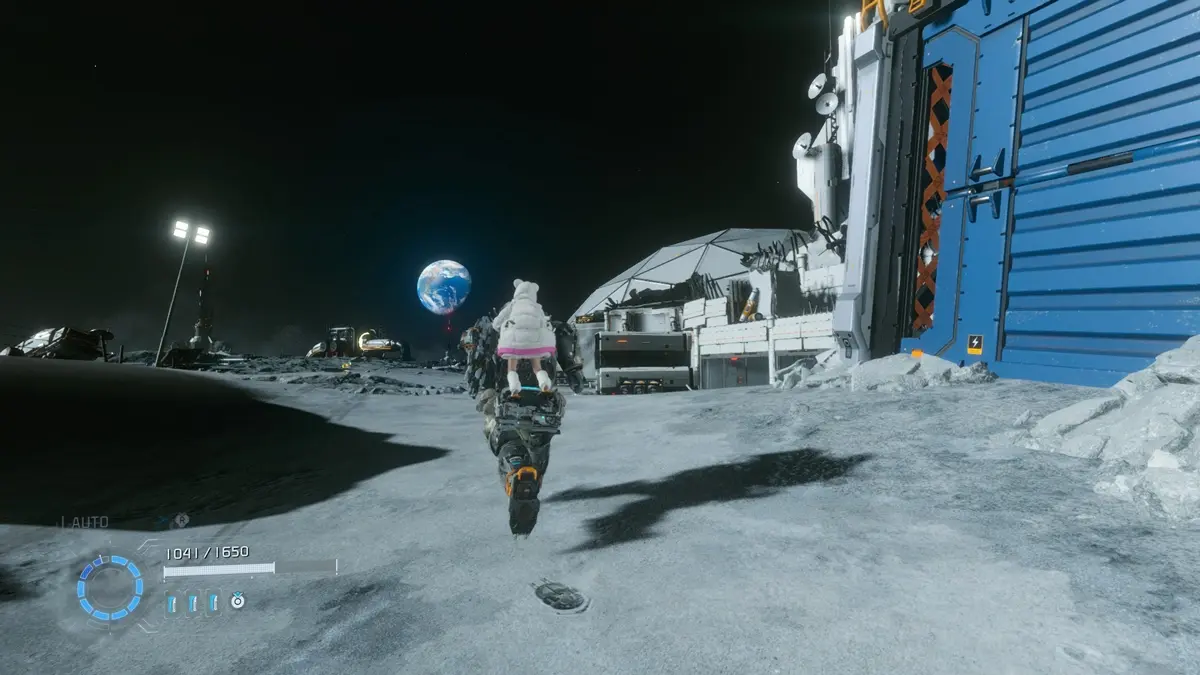
Diana behaves as if she really was born yesterday, and Hugh, who grew up with a healthy family himself and thus comes into fatherhood naturally, is more than willing to take on the responsibility of parenting even in the most dire of circumstances. Their relationship is sweet to watch unfold, almost to the point of being saccharine–as if the game’s writers were once parents themselves, and brought to life this story of raising a child with their rose-tinted glasses firmly fitted on. Parenthood is depicted here as a calm and simple affair. The drama never comes from Diana or Hugh directly–they are far too put-together to ever come into conflict with one another. We only see them as a happy family, and so it feels like there was a missed opportunity there to fully flesh out their dynamic.
There is drama, however, in the form of IDUS and the dark machinations at play in Cradle. Revelations come forth regarding Diana’s origins and her maker, and an antagonist who eventually comes into play a little later in the story than expected. Pragmata’s campaign does have a Devil May Cry-like layer of cheese to it, but the way this story veers into that cheese full-tilt in its third act is pretty disappointing.
What started out as a promising sci-fi tale set in a spooky moon outpost gets rather chaotic in its final hours, with a hackneyed villain and an emotional ending that feels a little too forced to truly hit home. The story is also shorter than expected. It can take less than 10 hours to complete if you skip past some side content, but thankfully, Pragmata’s gameplay loop is so addictive that you will want to extend that runtime by some margin.
How does Pragmata’s hacking combat work?
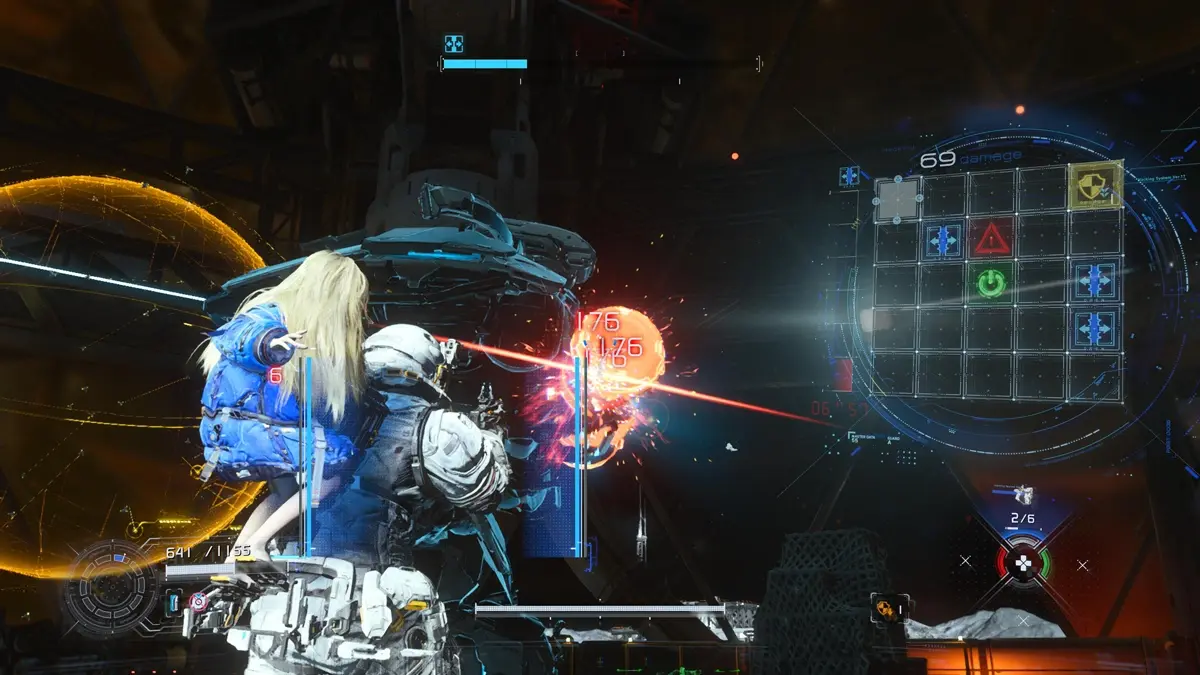
Where the novelty of Pragmata’s story lies squarely on the charms of Diana and Hugh’s father-daughter dynamic, its combat system is much less imbalanced by comparison. The game almost feels like it was built around its stellar combat as a base, which involves an unorthodox mix of simultaneous third-person shooting and puzzle-solving. There’s nothing quite like it in the triple-A space this year, and it’s shockingly fluid for such a frantically-paced combat system.
Here’s how it works: Pragmata’s AI-controlled enemy robots only become vulnerable to Hugh’s weapon fire when they’re hacked, and thus exposed. Diana, who constantly clings to Hugh’s back, can hack enemies at any time as long as they’re within range, and immediately begin solving puzzles using (on the DualSense controller) the right-side action buttons. These puzzles involve moving a cursor through a maze of squares to hit the target node, while also seeking optional hacking nodes that can debuff enemies in different ways.
You’ll have to shoot as Hugh and hack as Diana in real time, which means constant dodging and keeping track of enemy attack patterns while hacking. It’s hectic, but addictive stuff–ending each enemy encounter successfully always provides a dose of adrenaline, and leaves you wanting more. This combat system is taken to its absolute limits in Pragmata’s bossfights, which get more and more massive as the story progresses, and provide its biggest and most compelling action setpieces by far.
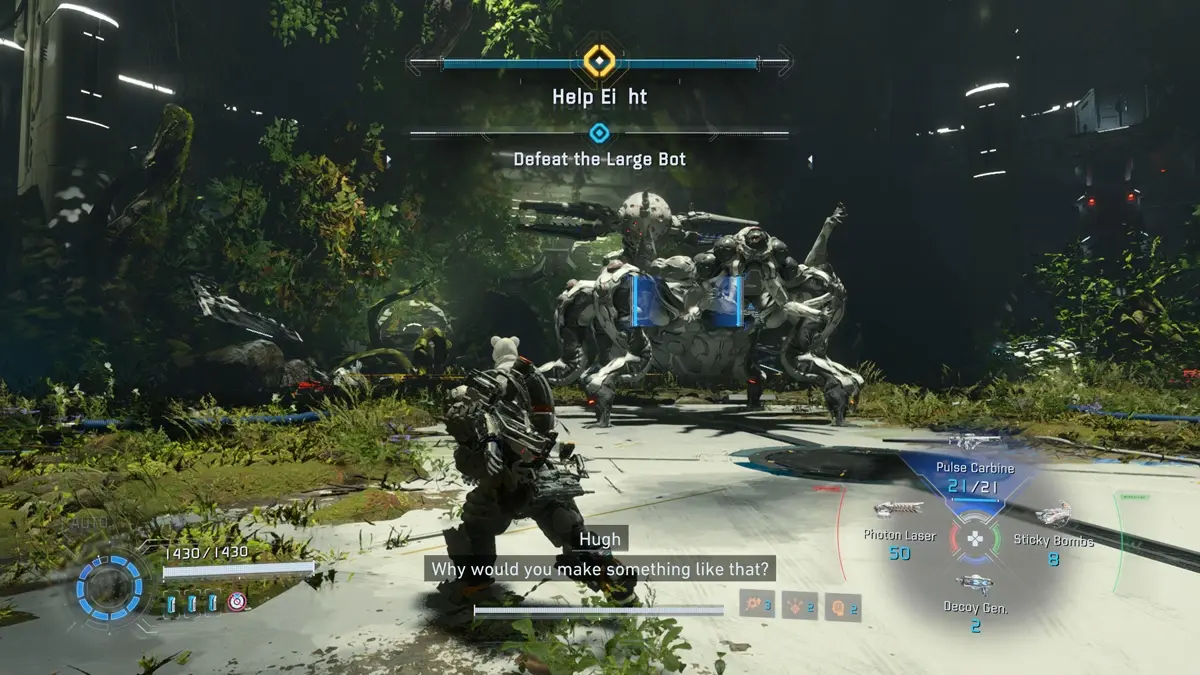
These are the basics of how Pragmata’s combat works, but the game also introduces a number of build options to give Hugh and Diana more flexibility in tackling different kinds of enemies. For example, Hugh’s arsenal can eventually expand to include science weapon-like laser guns and grenade launchers. He can also choose a specific loadout of weapons and additional mods, which afford combat perks like increased hacking range.
Diana’s abilities are also customisable, to an extent. Players can also select a loadout of pre-set hacking mods that will pop up as nodes during hacking puzzles, and do things like freeze or damage enemies upon a successful hack. The downside is that the amount of ammo Pragmata grants the player upon setting up a loadout is borderline pitiful. Players will often head into battle with roughly 30–40 shots in their arsenal across all weapons, and that can prove meagre in the game’s later hours.
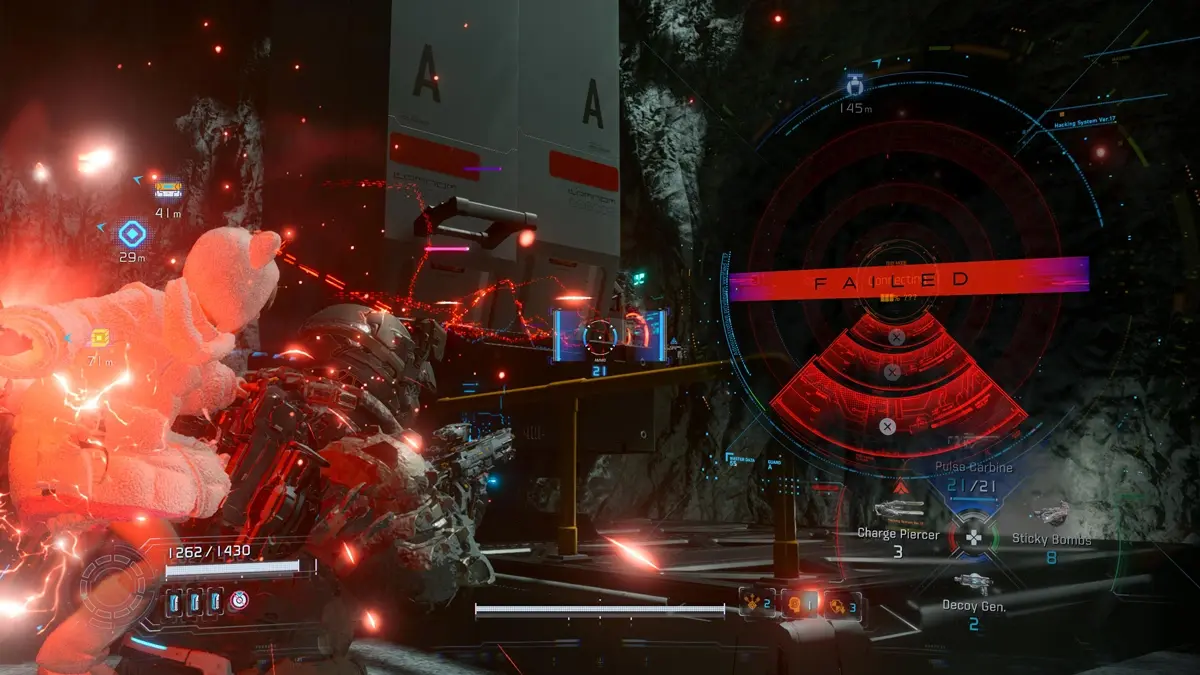
This can be frustrating in the game’s first half, when you’re constantly tossing aside four-bullet weapons in the heat of battle. Every weapon in the game feels a little too disposable, and you don’t have the chance to really connect with, say, your favourite shotgun or laser weapon, before having to toss it aside in a matter of minutes.
Ammo upgrades and a wider variety of weapons eventually alleviate this issue, but you’ll quickly realise that this–and the game’s scarcity of healing items–is its way of pushing you back into the Shelter to let Hugh and Diana take a break, and just let them hang out for a while.
What is the Shelter in Pragmata?
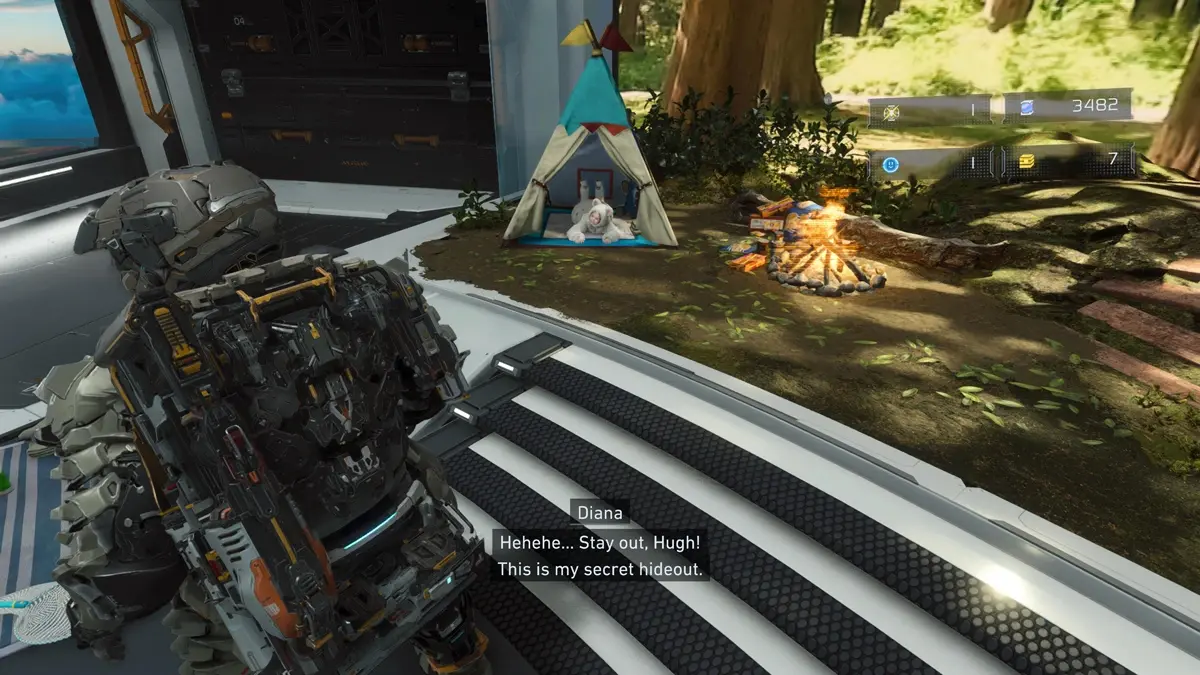
The Shelter is a player hub that players will repeatedly visit over the course of the main story, as it serves as the only way for them to replenish charges for their Repair Cartridges, restock on weapons, and upgrade their abilities. This base of operations will also allow players to fast travel to different points of Pragmata’s map, as every main location remains accessible all the way up to the ending of the story.
With so many collectibles, upgrade resources, and lore notes scattered across the game’s many locations, Pragmata offers a pretty compelling reason to keep players coming back to its earlier levels–wherein new zones can also be unlocked using items you only get later on. You can find Red Rooms to complete in these levels, which offer hardcore combat challenges in exchange for key rewards.
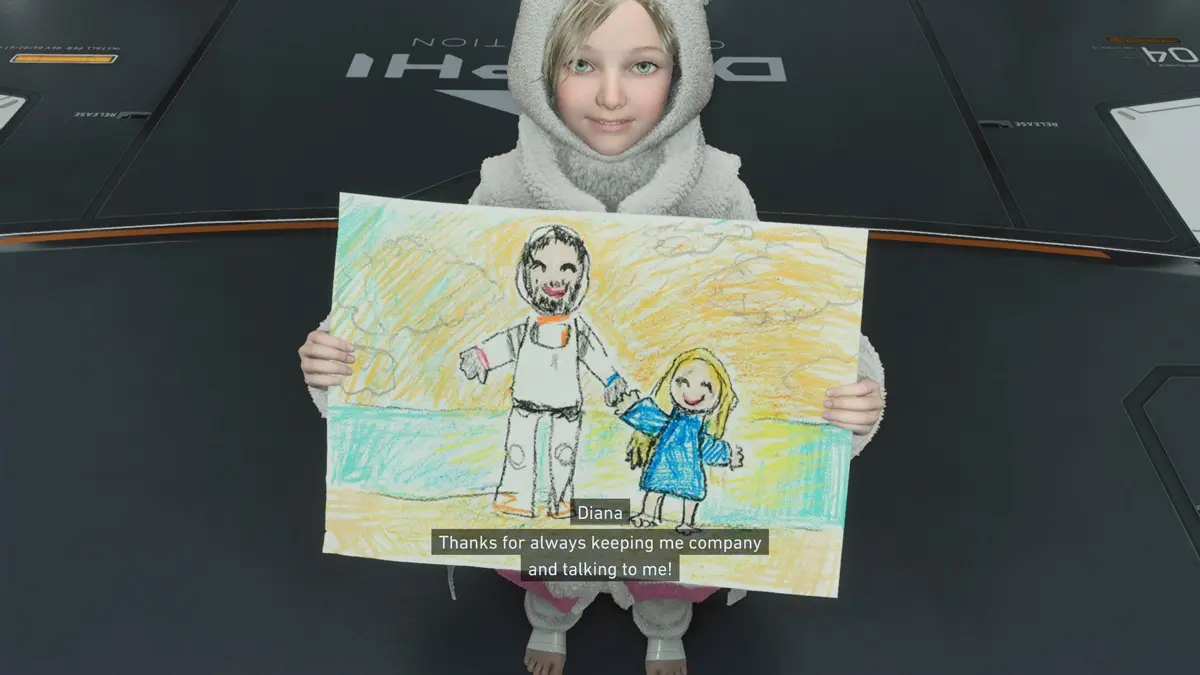
The game’s fantastic level design and bevy of resources, which feed into player upgrades and cosmetics, make 100%-ing each location a lot of fun. Doing that also has the added bonus of spending more time with Diana, who gets more interactions with Hugh in the Shelter depending on the collectibles he brings back from their adventures. While the game’s path forward keeps you on the story, it’s the path backward that can provide all manner of twists and turns.
However, this loop of exploration and upgrades is not perfect–Pragmata also throws a bunch of combat and traversal challenges at the player in the Shelter via Training Challenges. Players can safely skip these challenges while progressing through the story, but they would lose out on a whole lot of key resources in doing so.
These challenges are fun to an extent, but asking the player to complete 30 whole simulations one-by-one is a bit much–I would have vastly preferred finding these resources in Pragmata’s winding levels, rather than having to grind through repetitive objectives in an almost entirely disconnected mode.
Verdict
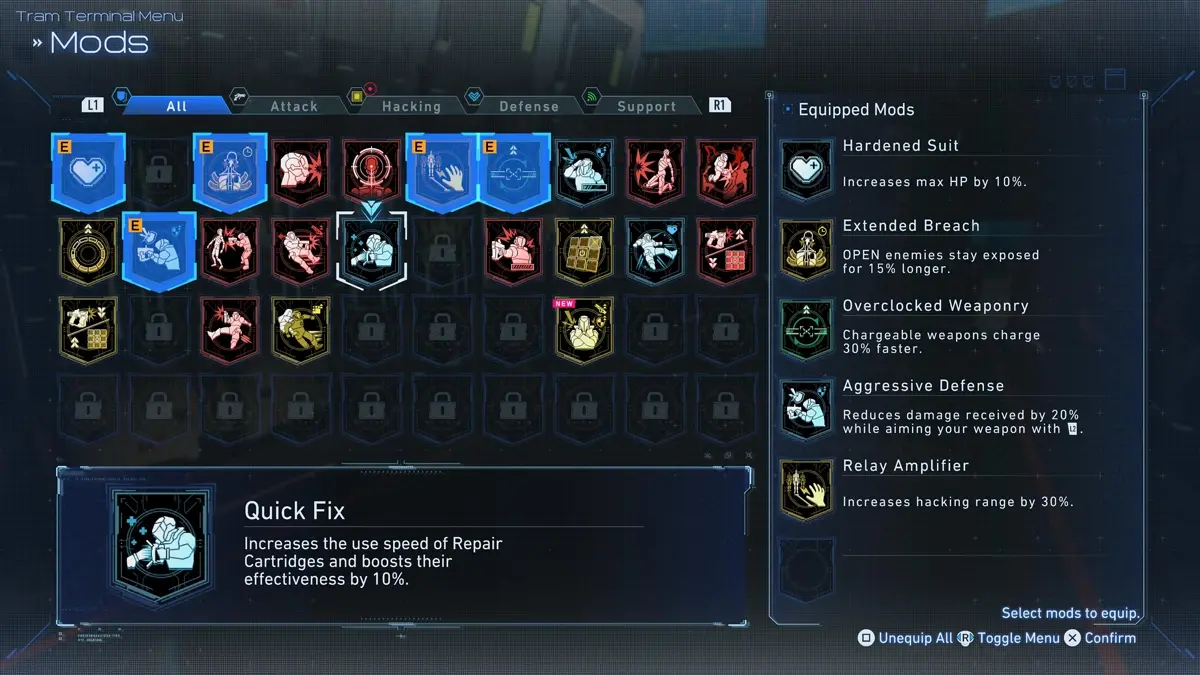
Pragmata’s modular combat system is a lot of fun to dig into, allowing players to mix and match different aspects of its hacking and shooting gameplay until they find the right fit. No matter how they choose to stock their loadout, the fun factor of this game’s high-tension mix of shooting and puzzle-solving can’t be denied, especially when it comes to its major bossfights.
While Hugh and Diana’s story could have used more fleshing out and a less awkward third act overall, this is still a gripping first outing for what I can only hope is another banger Capcom franchise in the making.
Pragmata is now available on PlayStation 5, PC, and Xbox Series X|S for US$59.99. We received a copy of the game for this review.
Who made Pragmata?
Game developer and publisher Capcom made Pragmata, which was originally announced all the way back in 2020.
When did Pragmata come out?
Pragmata launches on 17 April, 2026.
Does Pragmata have multiplayer?
No, Pragmata is a solely singleplayer video game.
How long is Pragmata?
Pragmata's main story can take roughly 10 hours to beat, but completing side content, like finding all collectibles and completing all challenges, will take around 15 hours or more in total.