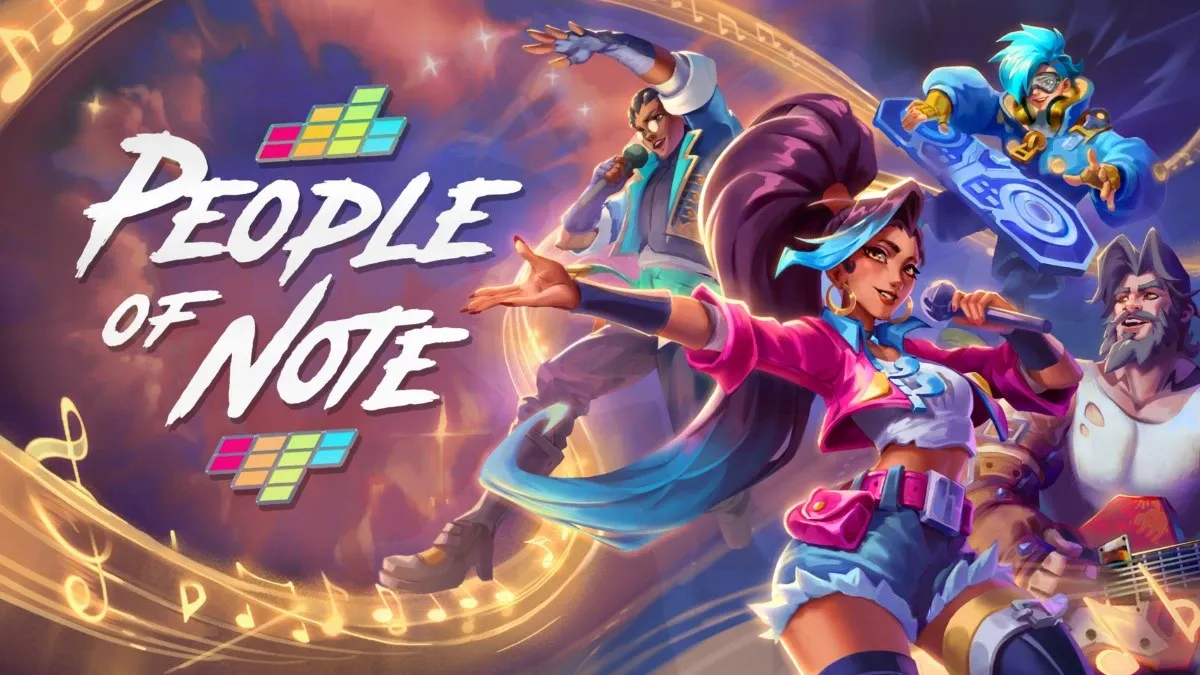
In People of Note, Cadence genre-hops her way through a world built on music that hits some beautiful notes, but its highs and lows never quite harmonise.
The world of music is vibrant and full of variation, with each genre carrying its own voice and identity. People of Note explores that range through a journey that moves across distinct musical spaces, each one with its own style and character. There’s a clear effort to showcase how these differences shape not just sound, but the world itself. From the way cities are designed to how characters express themselves, that identity comes through in small but meaningful ways. It’s an idea that gives the experience its sense of direction early on.
At the same time, how well those pieces come together is a question that lingers as the journey unfolds.
People of Note
Release date: 7 April, 2026
Platform: PC via Steam and Epic Games Store, PS5, Xbox Series X|S, Nintendo Switch 2
Developer: Iridium Studios
What is People of Note about?
The story follows Cadence, a pop singer from Chordia who fails the prestigious Noteworthy audition. Determined to prove herself, she sets out to find a distinctive, original sound: one that will resonate not just with judges, but with people. Her journey takes her across the world of Note, from the Rock City of Durandis to the EDM-driven Lumina, rap-focused Pyre, and more, where she encounters different genres, cultures, and musicians who eventually join her band.
But something begins to surface in the background. The Harmonic Convergence is disrupting the world’s musical balance, and what starts as a personal journey slowly turns into something much larger, whether Cadence is ready for it or not.
It’s a strong concept on paper, but one that takes time to feel engaging. A big part of that comes down to Cadence. Her stubborn, overeager, almost try-hard personality makes her difficult to root for early on. Instead of feeling driven, her motivations come across as forced, which makes the opening stretch harder to connect with.
That first impression matters, and the opening song, Under the Lights, doesn’t help. It sounds a little too close to Rewrite the Stars from The Greatest Showman, which undercuts the idea that she’s searching for something new.
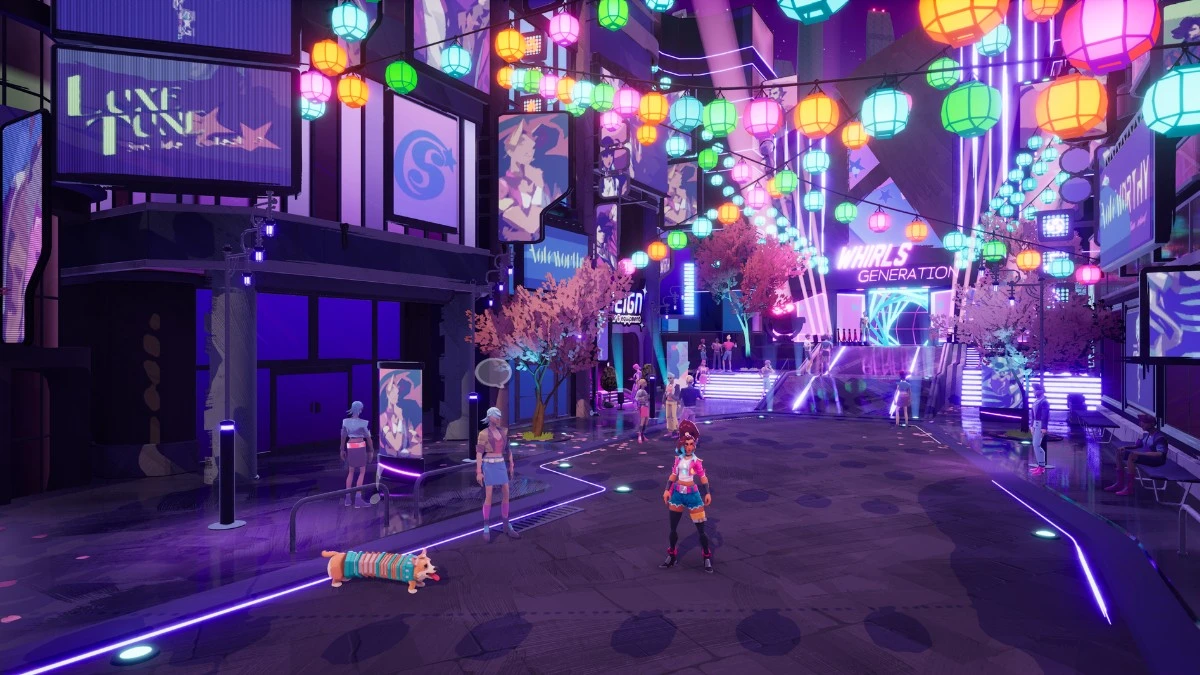
The experience improves once the game opens up. Moving from city to city is where People of Note starts to find some footing. Each location feels distinct, like stepping into a different musical space that’s familiar, but still creatively reimagined.
As the events pointing toward the Harmonic Convergence begins to develop, the story hints at something deeper. Even then, Cadence doesn’t evolve much. For most of the journey, she feels oddly unbothered, still focused on her original goal while everything else builds around her, and she is often tone deaf to the bigger picture.
Supporting characters like Fret end up carrying more emotional weight, with personal struggles that feel deeper, which makes his story more engaging than Cadence’s pursuit of recognition.
People of Note world design
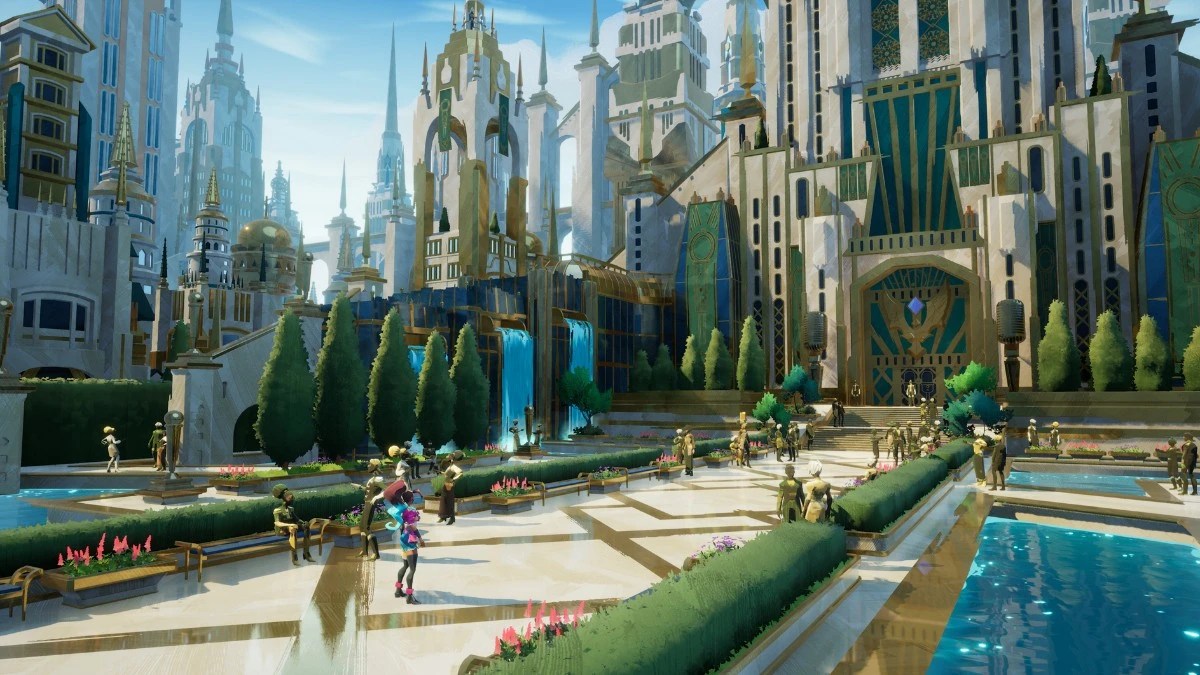
Where the story struggles, the visual presentation delivers. Each city feels thoughtfully designed, fully committing to its genre, not just visually, but culturally. The fashion, architecture, and even the way people speak all reflect the kind of music that defines the area. There’s a clear level of care here. Names of characters, places, and even abilities are all inspired by musical terms, and that consistency helps the world feel cohesive.
It’s easy to get lost in these small environments, especially when entering a new city for the first time. This is where People of Note feels the most confident.
What’s the gameplay of People of Note like?
The gameplay is a mixed bag, with a clear divide between what works and what doesn’t. The puzzles are easily the highlight. They’re simple, intuitive, and genuinely enjoyable, adding variety without slowing things down.
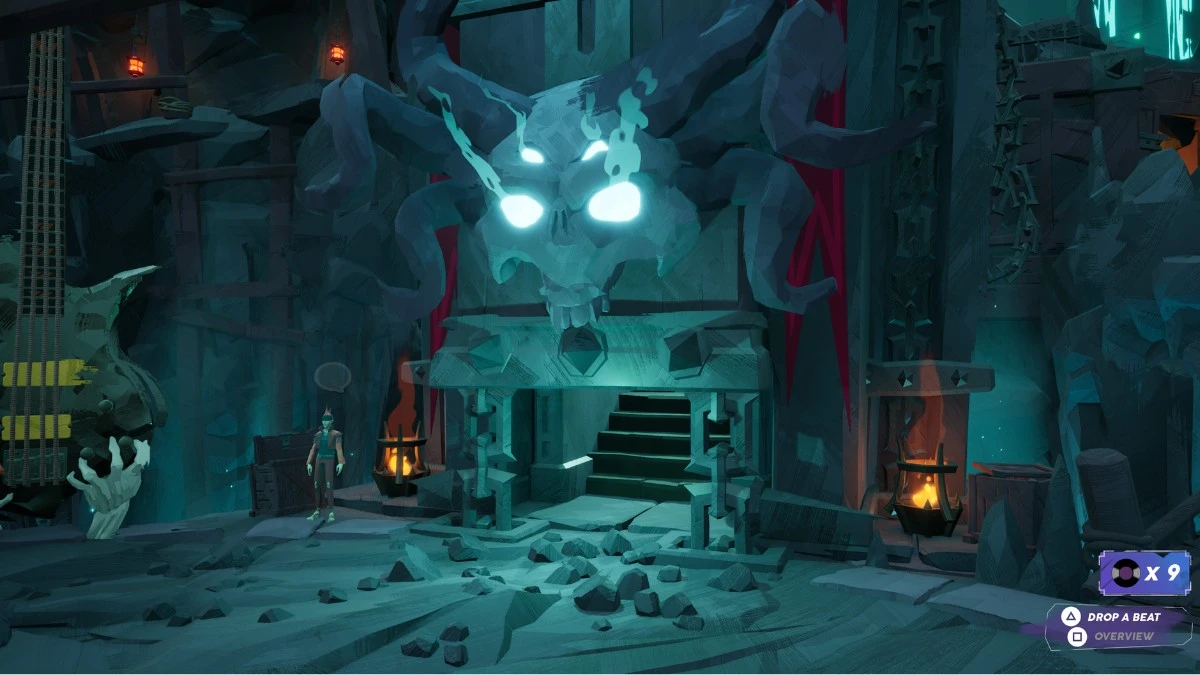
Combat, on the other hand, tends to drag. The idea behind it, building mechanics around musical terms, is clever, and there’s creativity in how it’s designed. But in practice, that doesn’t translate into engaging encounters. Battles stretch longer than they should, with enemies becoming increasingly tanky in a way that feels more tedious than challenging.
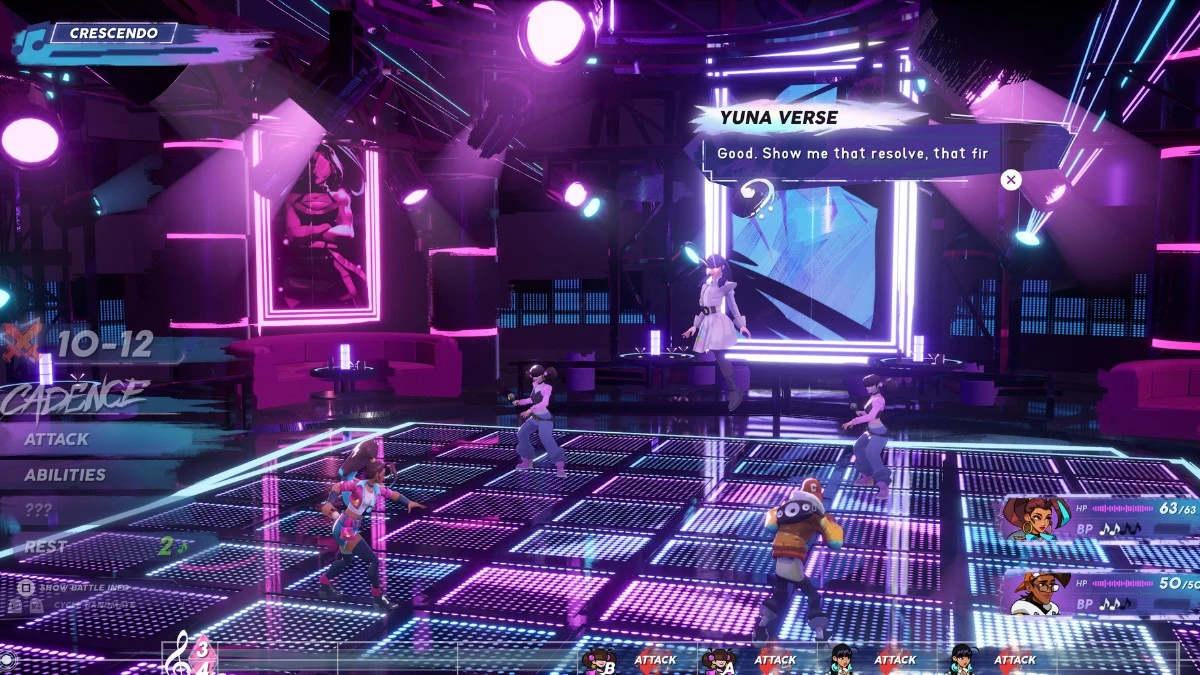
Even with accessibility options in place, the pacing often feels slow and heavy, taking away from what should be more exciting moments. Instead of a sense of accomplishment after every major boss fight, the tendency is for one to say “Whew, that’s finally over.”
Is the music in People of Note actually good?
For a game built entirely around music, People of Note sounds surprisingly inconsistent, like a track that can’t quite decide what key it wants to be in.
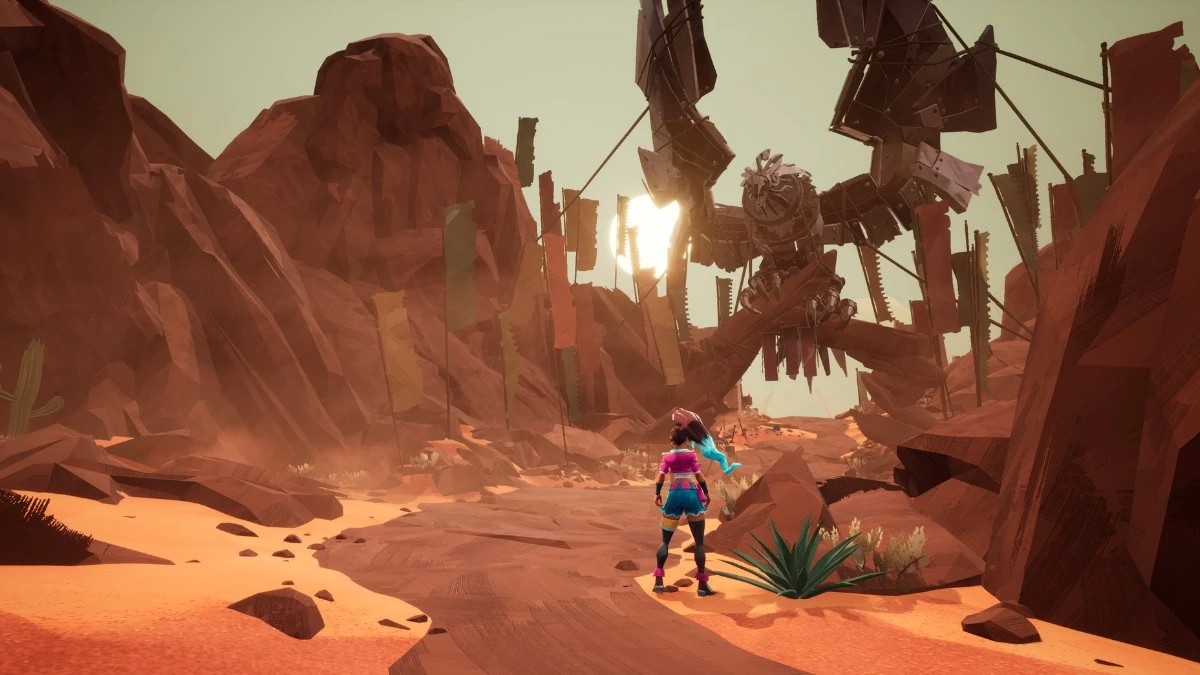
The background music does most of the heavy lifting. Each city has a clear sonic identity, and it’s immediately obvious what genre you’re stepping into. Durandis is probably the most consistent, cleverly playing around with the different subgenre splits within rock, and actually letting those variations breathe, so much so that you can feel yourself start to vibe with it. Accapelago stands out too, with its choir harmonies building a steady crescendo that makes even regular battles feel a bit more elevated.
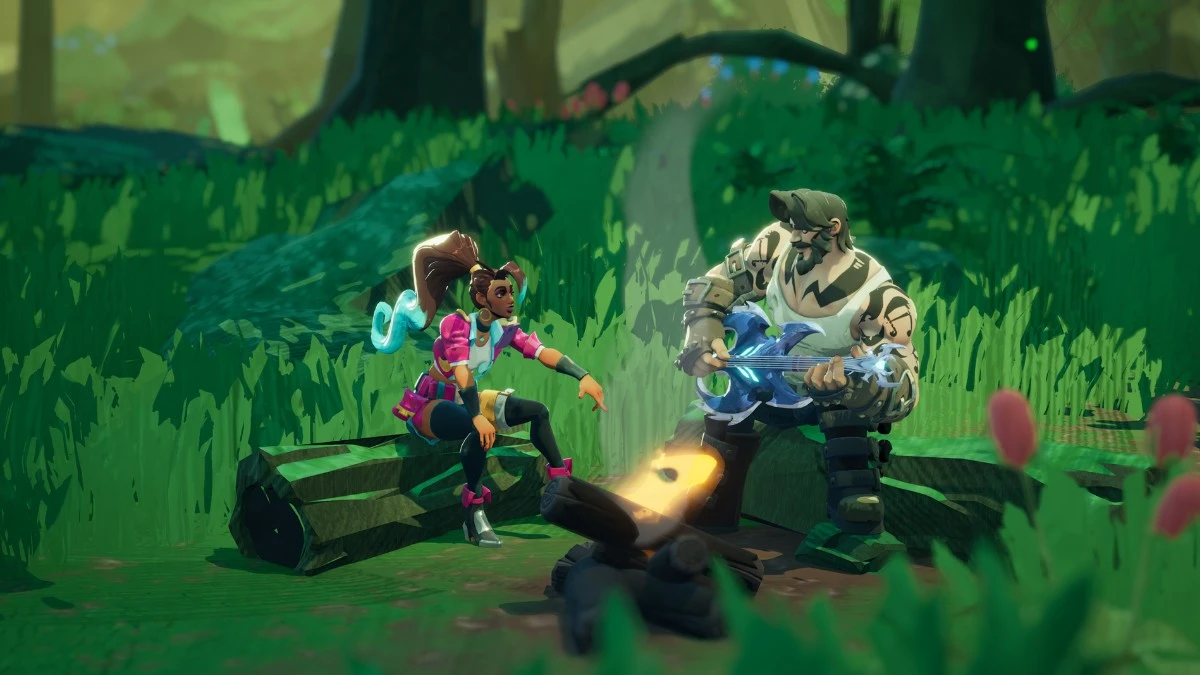
But that consistency drops the moment the spotlight shifts to the vocal tracks. Some of the featured songs do land. There are moments where they stick, even hit emotionally, like the song in the forest between Durandis and Lumina, which oddly ends up being one of the more memorable pieces in the game.
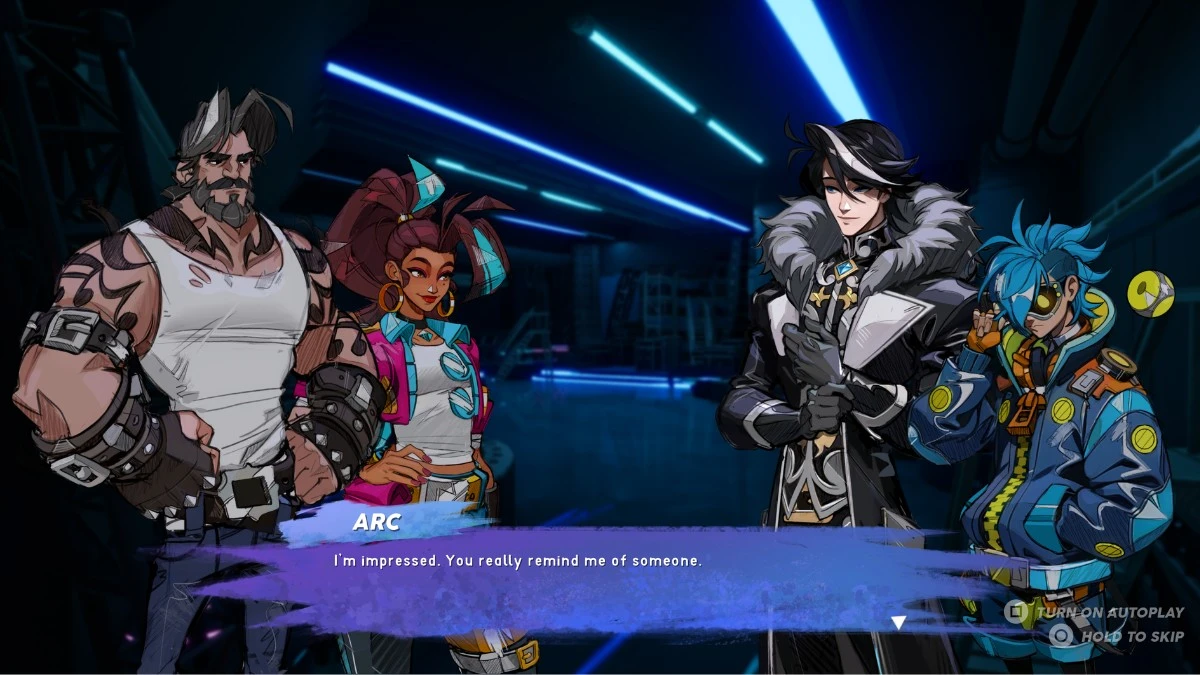
Across the rest of the soundtrack, though, a lot of tracks feel underdeveloped, like rough drafts that never quite made it to a final mix. Instead of pushing the genre forward, they often fall back on surface-level tropes. And in some cases, they don’t even sound like the genre they’re meant to represent.
Lumina is where this becomes most obvious. Tracks that are supposed to lean into EDM end up feeling flat, missing the punch, structure, and build you’d expect. The drops don’t hit, the energy doesn’t peak, and the lyrics feel like they’re being forced onto the beat rather than moving with it. The result is something that feels out of sync, both musically and emotionally.
And that’s really the bigger issue: how often the songs just don’t come together. The lyrics and melody regularly feel like they’re pulling in different directions, like they’re slightly out of tempo with each other. Instead of flowing, they clash. It creates this awkward, off-beat, slightly pitchy feeling that’s hard to ignore once it starts standing out.
If one of the most memorable songs in the game comes from a group of forest guardians, characters who don’t even join Cadence’s band, it says a lot about how the rest of the setlist lands.
How does People of Note’s combat work?
The game makes a big deal out of blending musical genres, but that idea barely comes through in gameplay. When characters like Cadence (Pop) and Fret (Rock) perform a mashup, it feels underwhelming. There’s no real sense of creating a new, combined sound, just a repeated animation and the same chord or tune being played.
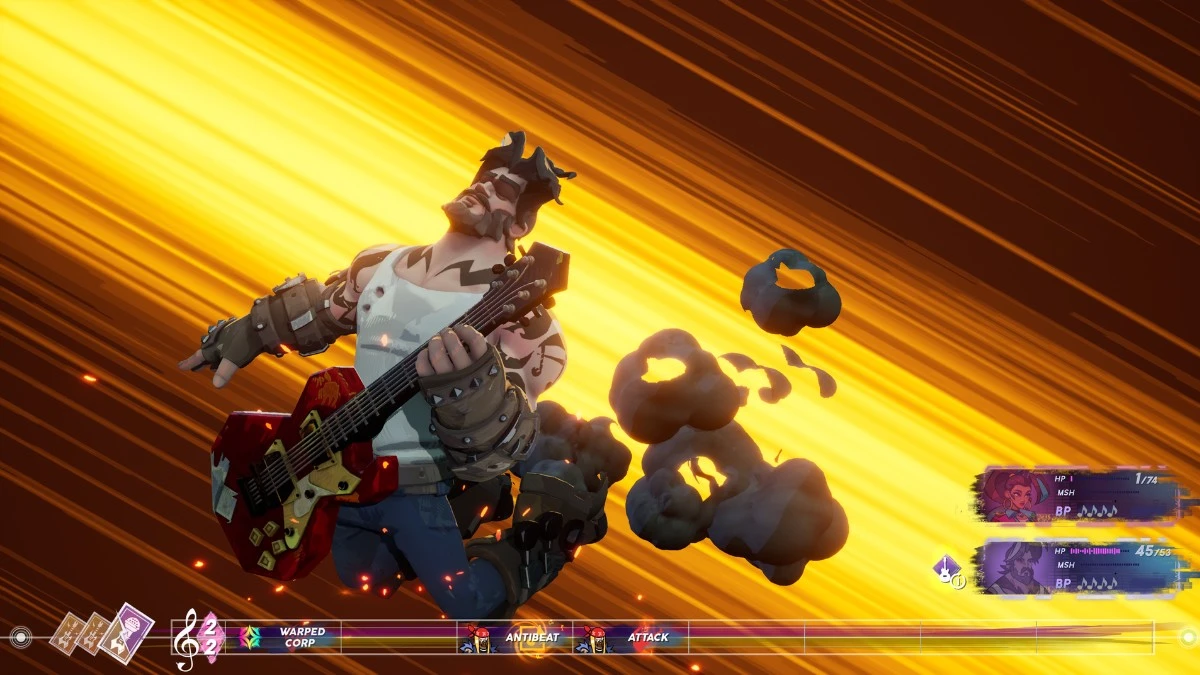
It ends up feeling like a missed opportunity. What should have been one of the game’s most exciting features ends up lacking impact, making those moments feel more routine than special. So when bosses in every fight ask, “Is that a new kind of sound?” it’s hard to not question where that newness actually lies.
People of Note’s performance on PlayStation 5
Performance issues add another layer of frustration. On PlayStation 5, there are moments where the game gets stuck, either during combat or while exploring. Menus remain accessible, but there’s no way to resolve the issue without returning to the main title.
It doesn’t happen constantly, but it occurs often enough to stand out (at least four or five times during the playtest). And when it happens mid-fight or during exploration, it breaks whatever momentum the game has built up.
Verdict
People of Note brings together strong ideas, but the execution never quite finds its rhythm. The world design, visuals, and background music hit the right notes early, setting a strong tempo and painting a world that feels vibrant and well-composed. But as the piece goes on, the rest of the arrangement struggles to stay in time.
The story feels underwritten, never quite developing into a full-bodied composition. The gameplay drags, losing its tempo and energy, while the music, despite flashes of brilliance, swings between inspired and completely off-key. Moments that should soar instead feel muted, like a chorus that never quite lands.
It’s a game that feels pitchy throughout, building as if it’s heading toward a crescendo, but never quite commits, never quite peaks. Instead, it lingers in an uneven space, occasionally sharp, often flat, and ultimately out of sync with itself.
People of Note is available to purchase on PC via Steam and Epic Games Store, PS5, Xbox Series X|S, Nintendo Switch 2 for US$24.99, with an introductory price of US$22 until 22 April. We received a copy of the game for this review.
How much is People of Note?
People of Note is available to purchase for US$24.99, with an introductory price of US$22 until 22 April.
Is People of Note available to play on PC?
Yes, People of Note is available to play on PC via Steam or Epic Games Store.
Which consoles can run People of Note?
People of Note runs on PS5, Xbox Series X|S, and Nintendo Switch 2.
When did People of Note come out?
7 April, 2026.