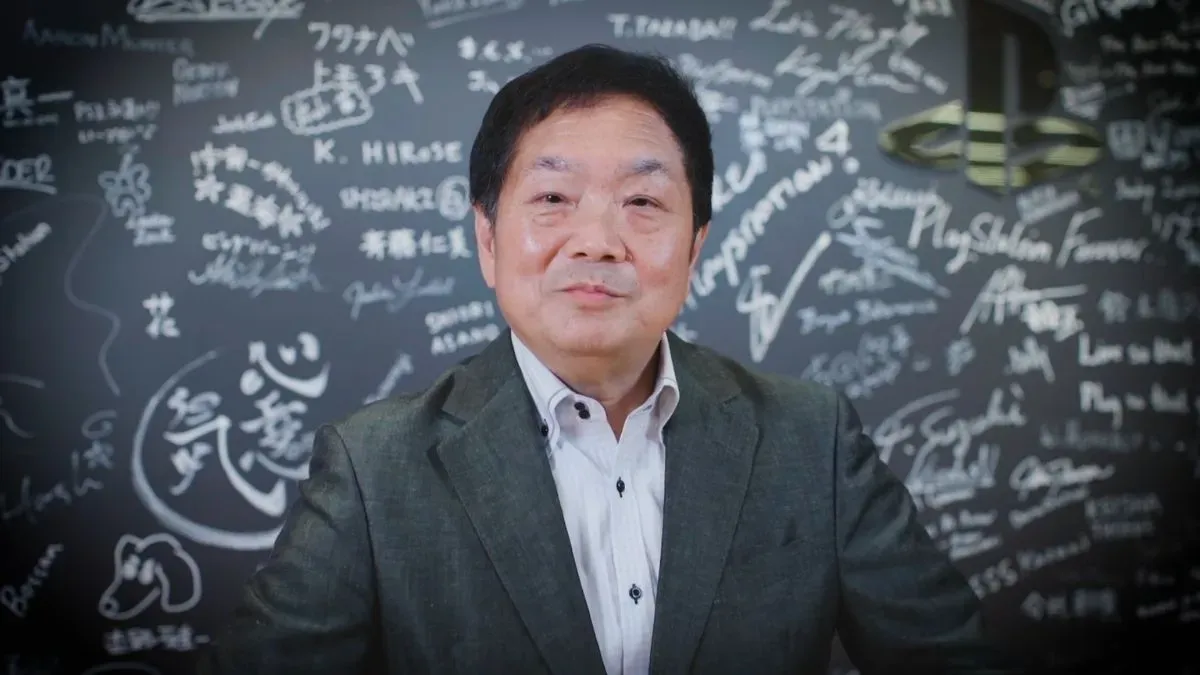
The Final Fantasy VII Remake director says the final instalment is progressing smoothly, and explains why the team decided to remain on Unreal Engine 4.
The series director of the Final Fantasy VII Remake project, Naoki Hamaguchi, has stated that production on the third instalment is progressing smoothly. In the interview with Automaton, he also addressed Square Enix’s decision to continue the three-part remake using Unreal Engine 4–a choice that sparked mixed reactions from fans.
The original Final Fantasy VII was released on the PlayStation in 1997 and quickly became a cornerstone of the gaming landscape–winning multiple Game of the Year awards, popularising the Japanese RPG genre, and earning recognition as one of the most influential titles of all time.
Since then, the game has been ported to modern platforms and reimagined with a full remake in 2020. An enhanced edition, Final Fantasy VII Remake Intergrade, followed in 2021. That version later expanded to additional platforms, most recently arriving on Xbox Series X|S and the Nintendo Switch 2 last month.
The second installment, Final Fantasy VII Rebirth, launched last year and went on to secure several accolades, including Best Score and Music at The Game Awards 2025.
Final Fantasy VII remake trilogy will continue using Unreal Engine 4
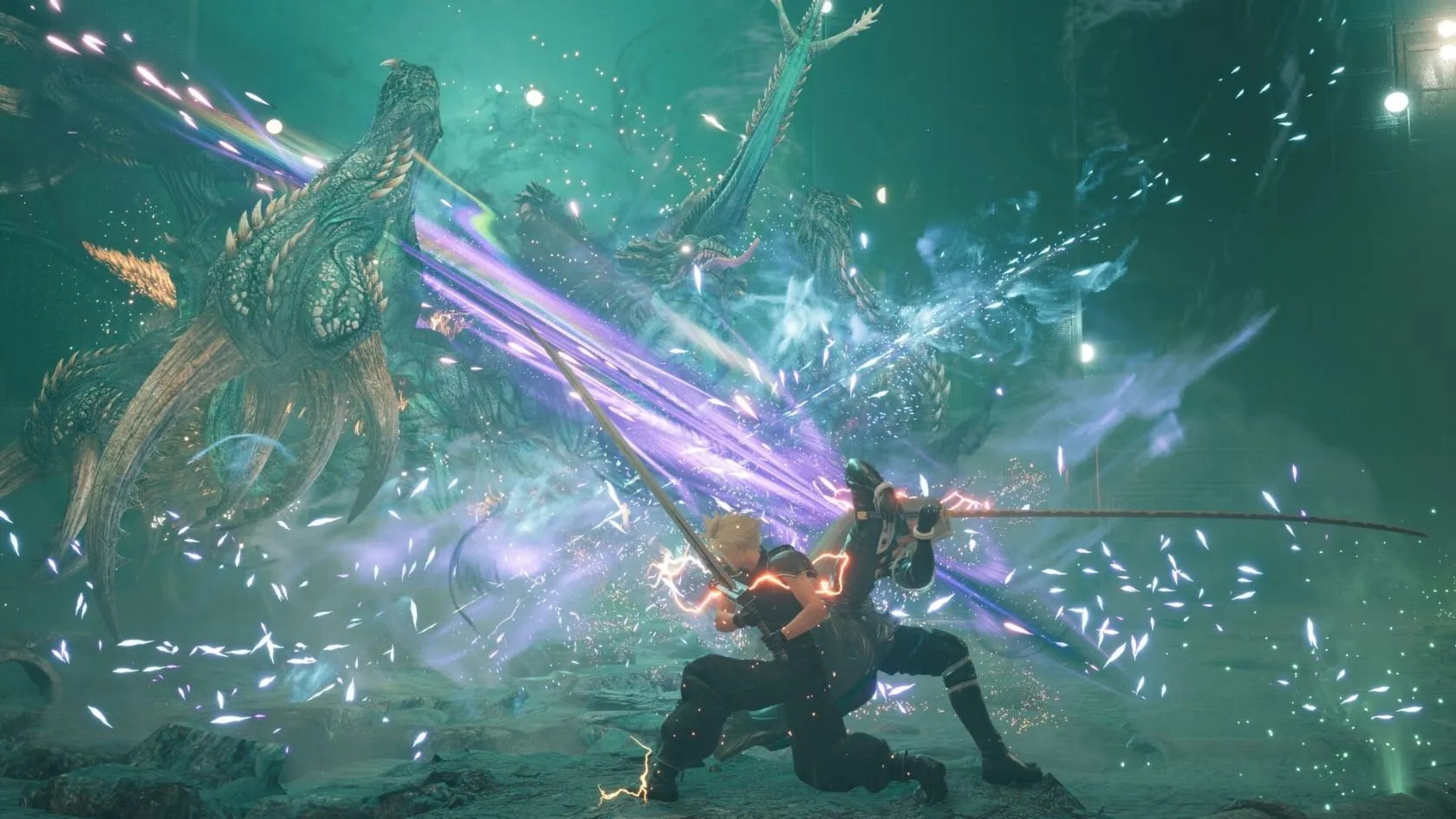
Speaking about the upcoming and final entry in the remake trilogy, Hamaguchi addressed the debate surrounding the engine choice that surfaced during the project’s initial reveal.
He explained that refining the game in Unreal Engine 4 ultimately made more sense for the development team than rebuilding everything from scratch in Unreal Engine 5–a process he believes would take an impractically long time.
“If we had tied our development schedule and milestones too closely to Unreal Engine 5’s roadmap, we would have risked our own progress being stalled if the engine encountered any kind of delay.”
Hamaguchi emphasised that a newer engine does not necessarily guarantee better results. The team, which committed early on to Unreal Engine 4, used an in-house graphics pipeline to fine-tune performance, making optimisation and porting across various hardware platforms more straightforward.
“We’re using the know-how and development environment we cultivated with FFVII Rebirth as a base and further refining it to create the third game. In that sense, the quality will certainly not drop, and we’re working hard to deliver something even better. Production of the third instalment itself is progressing very smoothly,” he added.
The director also took the opportunity to praise the development team, many of whom have worked together for over a decade. According to Hamaguchi, this long-standing collaboration has resulted in strong team dynamics and clear communication–key factors behind the project’s steady progress.
The final entry in the Final Fantasy VII Remake trilogy is currently in development for Nintendo Switch 2, PlayStation 5, Xbox Series X|S, and Windows PC.