MIO: Memories in Orbit turns a drifting spacecraft into a playground of skill and discovery.
It’s only the first month of the year, and with new games are landing left and right, smaller titles can easily slip through the cracks.
Among the flood of games releasing, MIO: Memories in Orbit, developed by French indie team Douze Dixièmes and published by Focus Entertainment, is one of those hidden gems that deserves to be unearthed.
What is MIO: Memories in Orbit about?
In the game, you play as MIO, a small and nimble robot who wakes up on a workbench inside the Vessel, a spaceship that’s drifting silently through space. The ship is a tangle of ruins, overgrown corridors, broken machinery, and rogue robots lurking in the shadows. Its AI caretakers, the Pearls, have gone offline, leaving the Vessel to slowly decay. It’s up to you to navigate the ship, piece together what went wrong, and slowly uncover both its secrets and your own history.
Even though the game’s world is full of robots, each character you meet has its own personality. Some of the major ones even have backstories that flesh them out, while others just show up and invite you to follow along, letting you piece together the journey they have undertaken. Encounters in the game are rarely repetitive.
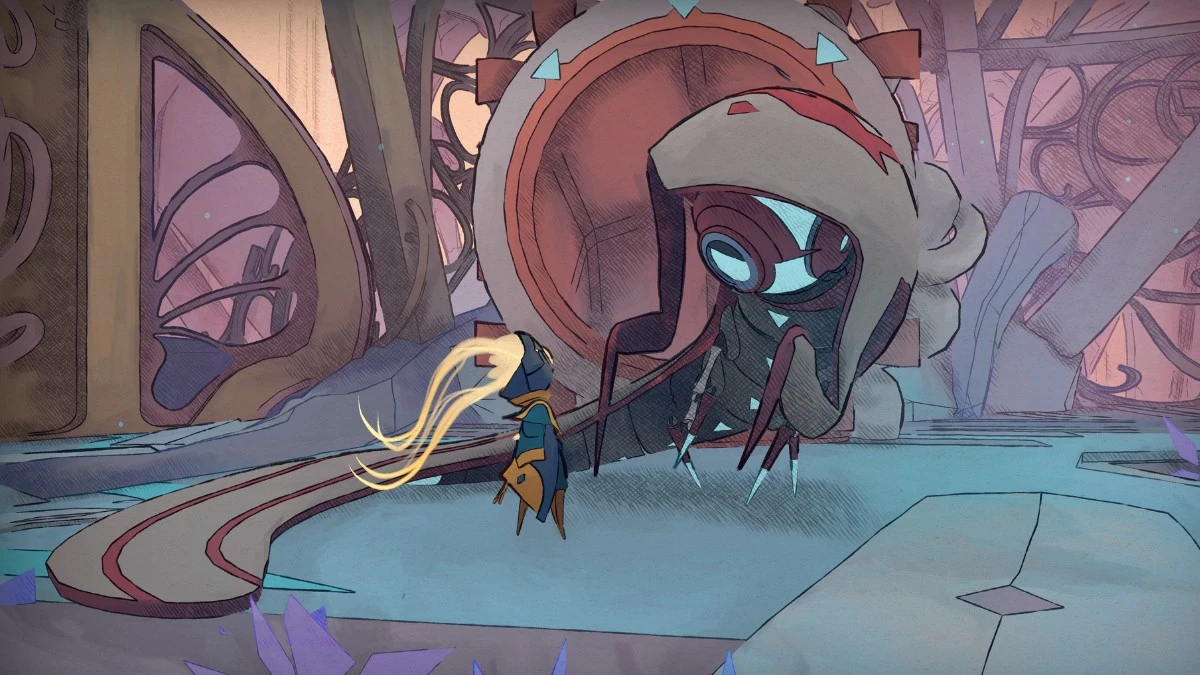
Almost every encounter either raises a question, unveils a new discovery, or drops a clue about the ship or one of the characters’ stories. It keeps you moving, keeps you curious, and makes exploring even quiet corridors feel meaningful.
Great visuals and music paint a world that’s dark, colourful, and quietly immersive
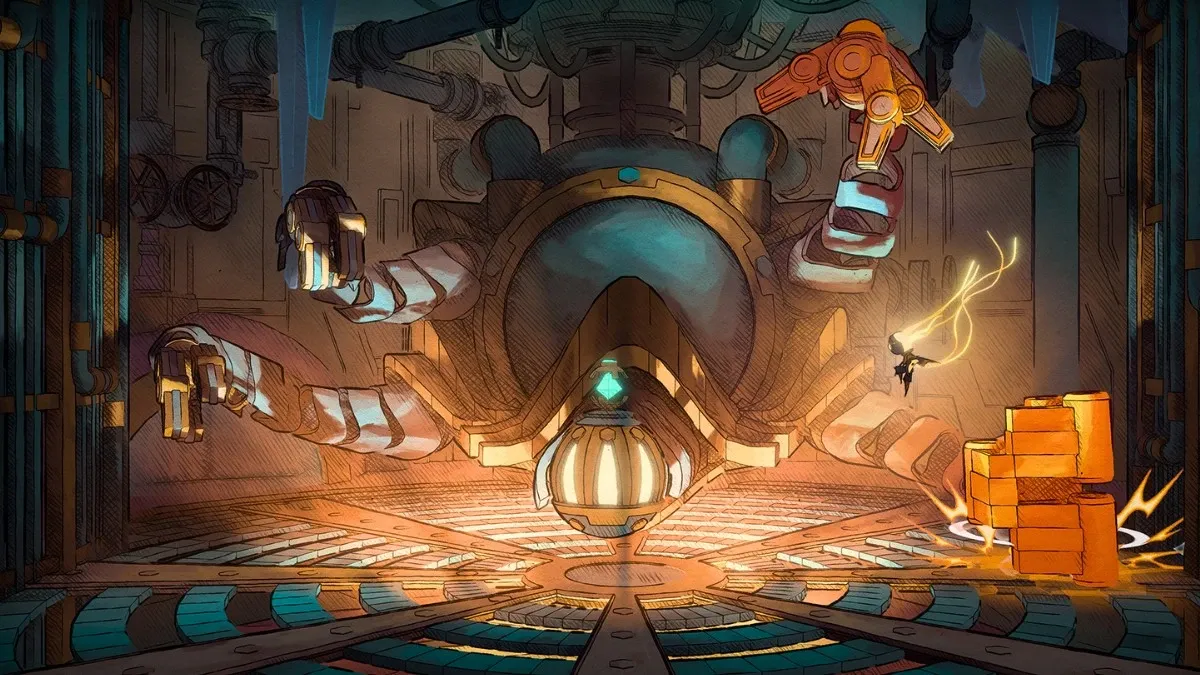
The artwork in MIO is striking, and the art style is marvellous. According to the developer, characters and environments fully hand-drawn before rendered in 3D, with influences ranging from the works of Hayao Miyazaki and the movie Ernest et Célestine, to the science fiction novel series Hyperion. The game also takes inspiration from Metroidvania classics like Hollow Knight and Ori and the Blind Forest.
When the game begins, the world may look dark and monotonous as MIO wakes up on the workbench: dark, bleak, full of greys and dull colours. In fact, I felt like a sentient piece moving through the parts and pathways of a ten-year-old, worn-down, partly broken CPU, mostly due to the state of the environment, and the predicament the ship itself was in.
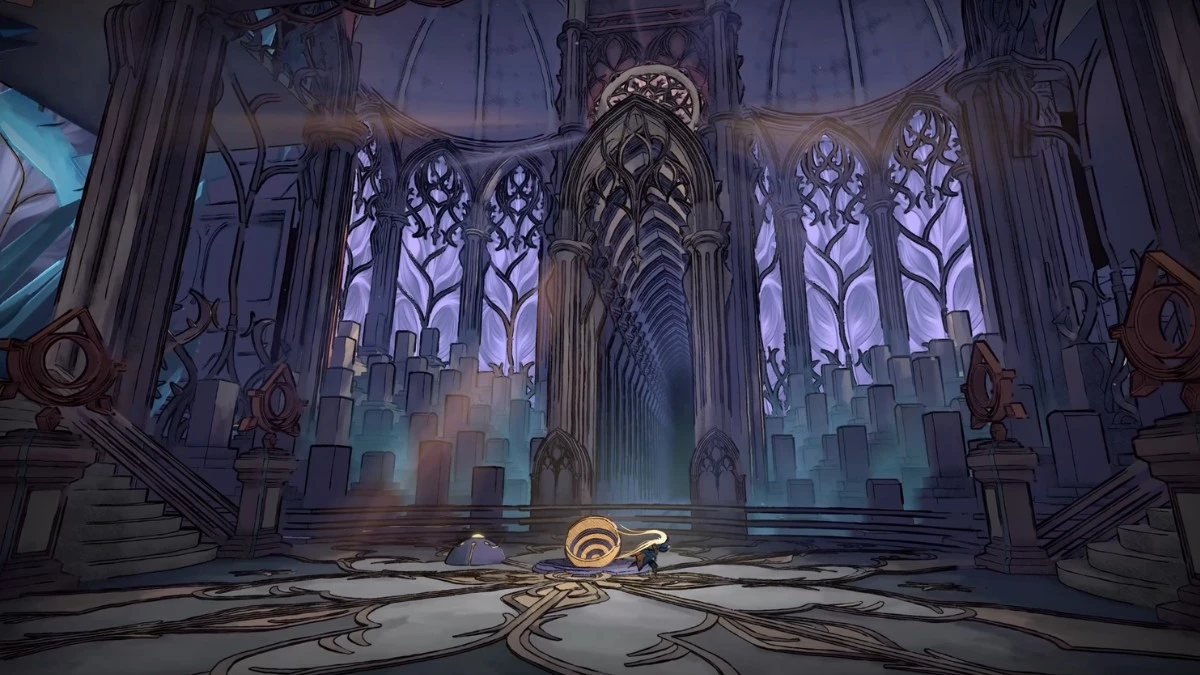
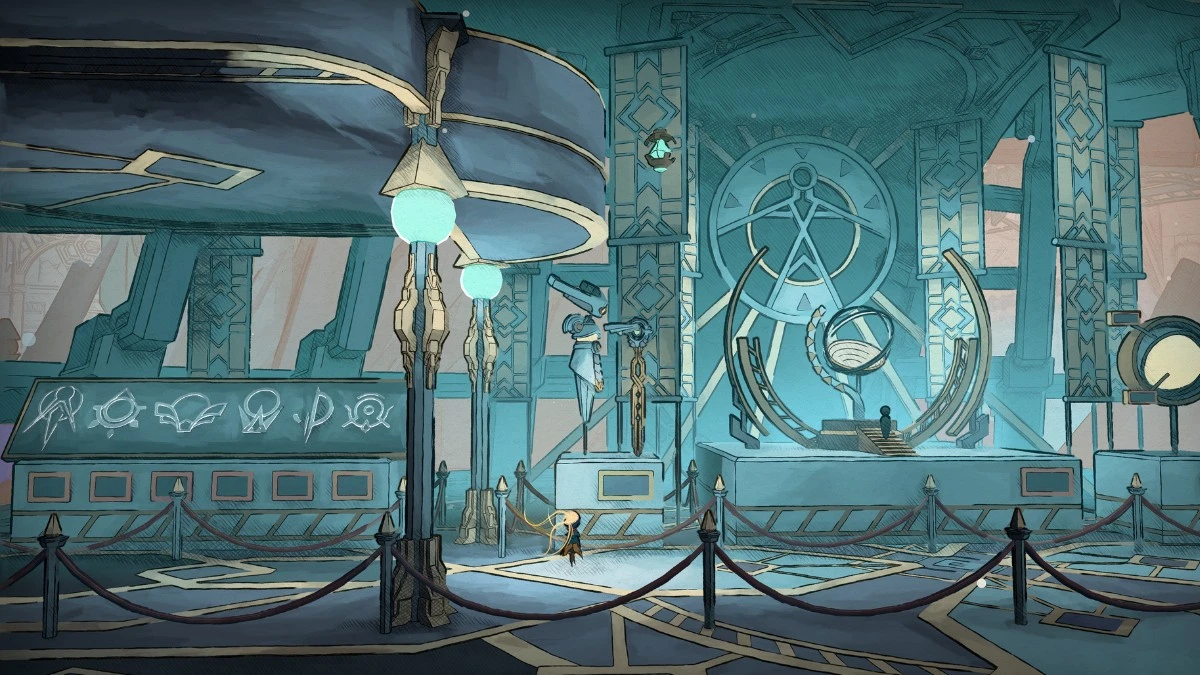
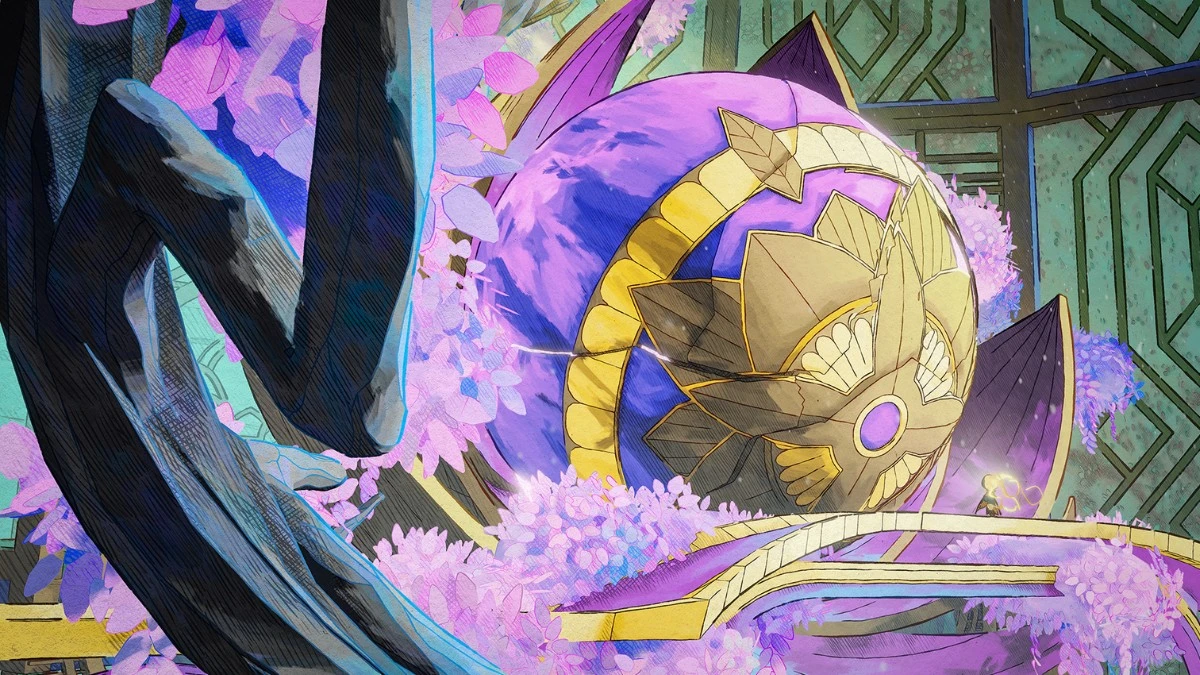
But as you explore further, new areas start to unfold in bursts of colour and style. Each world is distinct, yet tied together in a cohesive artstyle that makes the whole vessel feel like a moving painting. The use of light and shadow is particularly effective, reminding me of Ori and the Blind Forest: darkness isn’t just darkness: it always has a purpose, and bright, colourful areas can be full of suspicion. Not everything that looks inviting is safe, and the only way to learn the truth is to interact with it.
The music quietly reinforces this visual storytelling. It’s not flashy or over-the-top, but it’s beautiful, with subtle lofi tones that add a calming layer to the ship. Exploration takes on a gentle rhythm, sometimes mysterious, sometimes serene, letting the soundtrack breathe without forcing emotions on the player. Together with the hand-drawn visuals, the music makes the Vessel feel fully alive, even in its quietest corners.
MIO's gameplay challenges you through combat, platforming, and clever exploration
In terms of combat difficulty, MIO is slow-paced. It doesn’t overwhelm you with plenty of enemies on every turn, but it doesn’t allow you to yawn your way through the game. Some may find this as a negative, as there are vast areas that have no enemies at all. However, each area of the map is large anyway, and this serves a purpose.
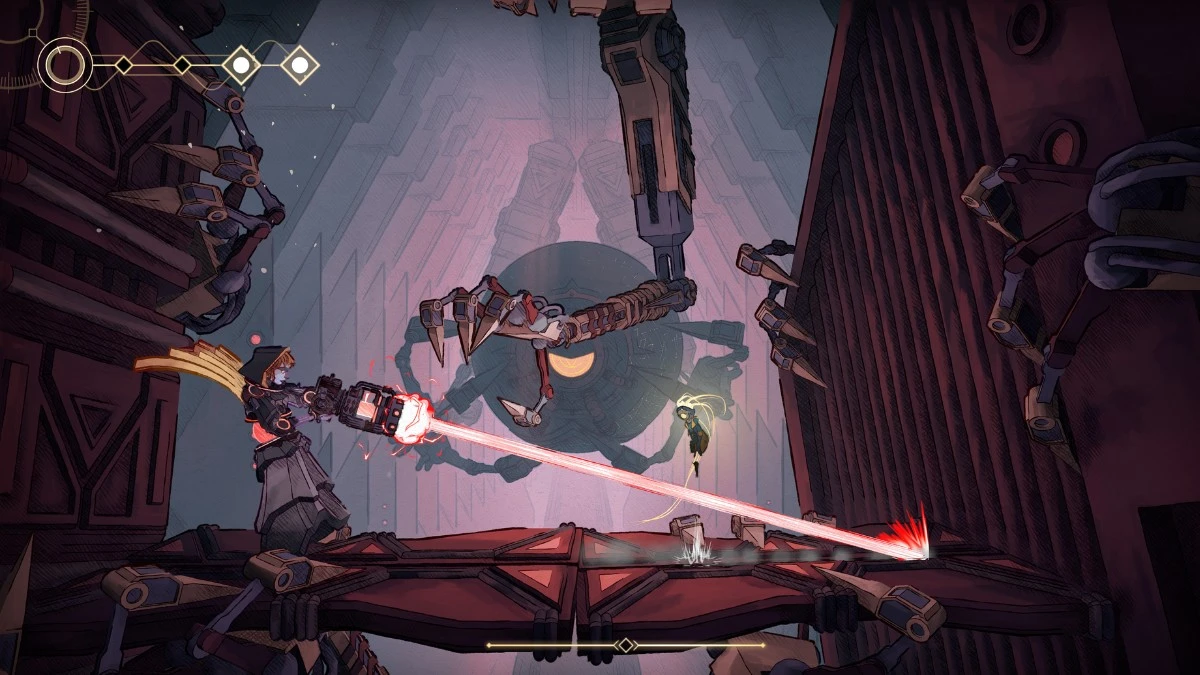
Boss difficulty, on the other hand, is pretty good. Each boss fight presents varying amounts of challenge and plenty of them are uniquely designed. Each one gives you just enough frustration to have you stomping your feet and returning to try again another time. I learned this the hard way: I brute-forced an early fight and only made things harder for myself. Later, I found a power-up that would have made the fight so much easier, I facepalmed.
Platforming is precise, satisfying, and cleverly designed
Platforming in MIO is some of the most interesting I’ve seen in a while. Sure, there are double-jumps, pogos, and occasional swings, but what makes it stand out is how well the mechanics integrate with the world. Even in the beginning, when MIO doesn’t have many skills, elements like ice affect movement, and enemy placement is deliberate. Sometimes you can even use enemies themselves to reach new areas.
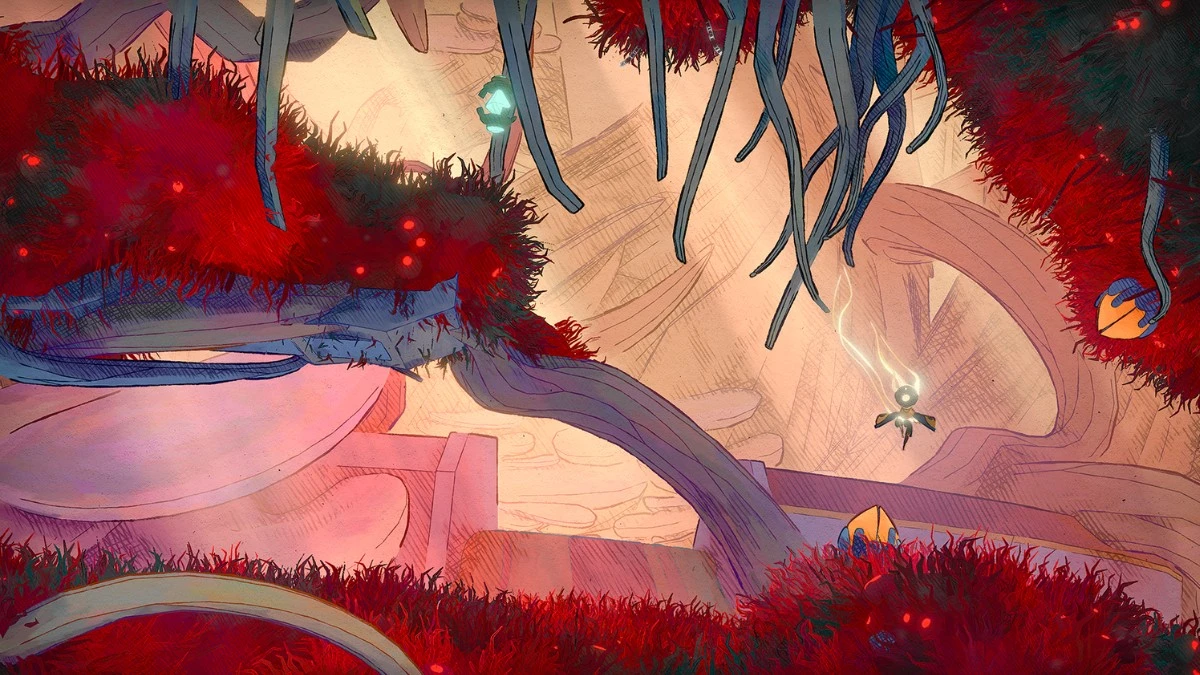
Every jump, angle, and trajectory feels carefully considered. There is no way to just cheese your way through a tricky section. You need precision, timing, and a bit of experimentation. When you finally nail the exact angle or movement the developer intended, the satisfaction it brings is enormous. It feels like the physics of the game were built around these moments. That kind of seamless platforming makes you want to test different paths, retry sequences, and really play around with the tools the game gives you.
Exploration rewards curiosity and skill progression
Exploration is where MIO really shines. As you gain new skills, areas you’ve been to before suddenly open up in surprising ways. Hidden paths, secret rooms, and entirely new zones appear. Even ceilings that look decorative can hide cracks. Crevices lead to ledges you didn’t think were reachable, and just when you think you’ve seen it all, there’s always another obscure corner to stumble upon.
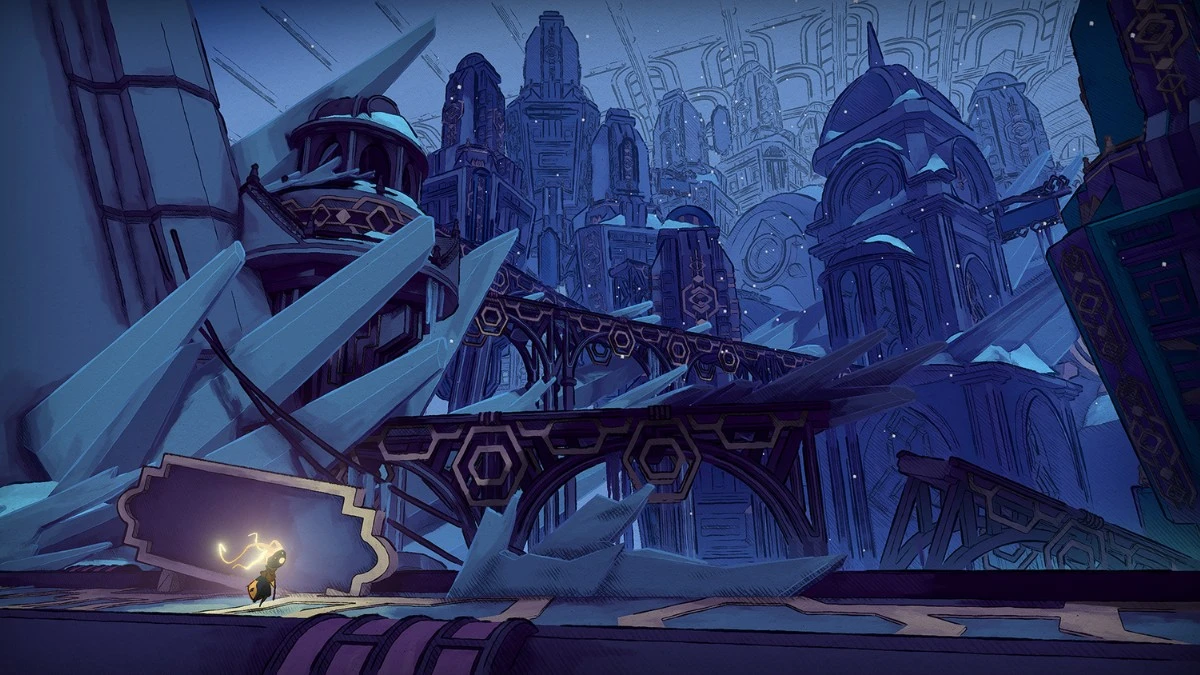
The map often feels like a series of puzzles, even when you’re just moving through platforms. So if you’re the type who wants to poke into every single corner of the game, MIO lets you do exactly that, and your time never feels wasted. Every secret, shortcut, and hidden nook feels deliberately placed, making the ship feel fully utilised.
Accessibility options give breathing room without breaking immersion
The game is thoughtful about accessibility, letting you tweak difficulty without killing the challenge. Normally, I stick to standard settings, but when this review was assigned I happened to be dealing with an injury, so I had to toggle a few assists.
They didn’t feel like cheats. Well, maybe except for one, the Pacifist option, where small enemies don’t attack when MIO doesn’t, but I didn’t toggle that one as it felt too tame. The other assists, however, just gave me a little breathing room. It was enough for me to keep playing without breaking the flow, and honestly, a bit of grace like that can make all the difference on a rough day.
Verdict
Overall, MIO is a fantastic game that deserves more attention. It’s mysterious, stunningly beautiful, fun and challenging without ever feeling alienating, and full of heart and soul you can feel in every carefully crafted frame, each precise platforming section, and every clue scattered throughout the ship.
MIO: Memories in Orbit is available on PlayStation 5, Xbox Series X|S, PC (Steam, Epic Games Store, Microsoft Store), Nintendo Switch and Nintendo Switch 2. It’s also on Xbox Game Pass and fully playable on Steam Deck. The standard price is US$19.99, but most platforms are offering a 10% launch discount for a limited time, reducing it to around US$17.99. Owners of the original Nintendo Switch version also receive a free upgrade to the Nintendo Switch 2 edition. You can also pick up a copy of the game on Playasia here.
We received a copy of the game for this review.