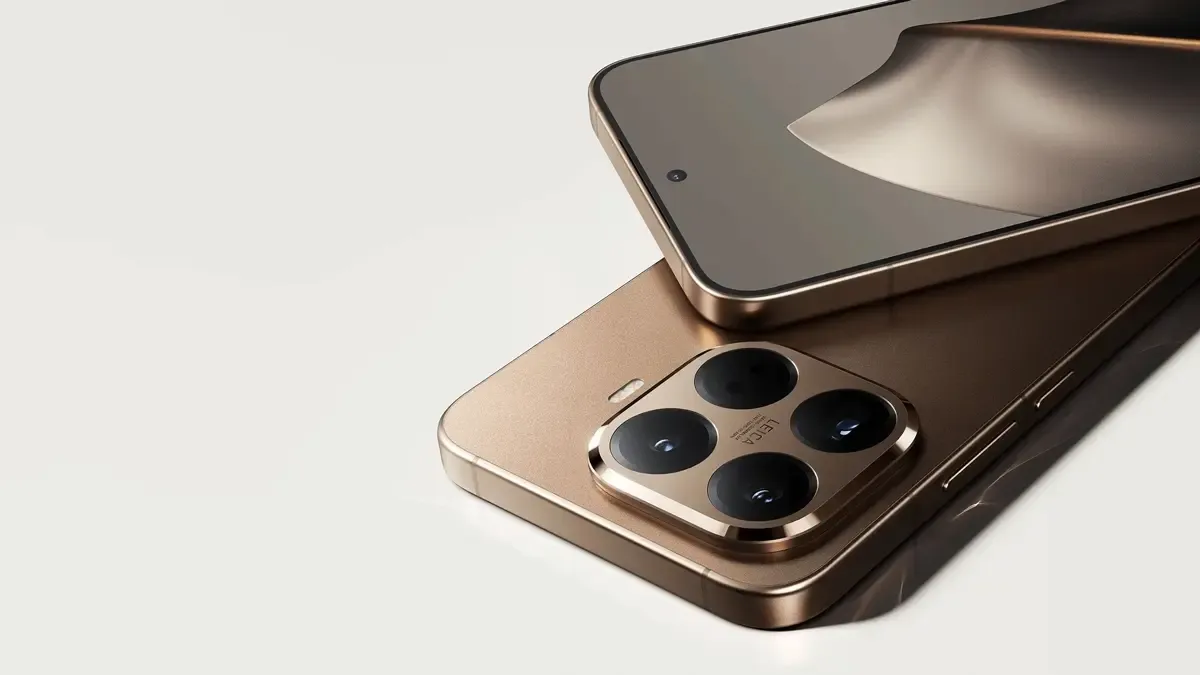
The Xiaomi 15T Pro is worth considering if you need an all-rounder mid-range phone.
Xiaomi and POCO tend to offer a lot of bang for your buck where gaming and photography are concerned, and this year’s Xiaomi 15T Pro is no different. The phone is decidedly more focused on delivering upgraded camera features to users upgrading from the 14T series, but its performance specs are nothing to scoff at. This is despite the fact that Xiaomi’s POCO arm has always been marketed as the more gaming-focused of the two branches.
With POCO offering a more rounded package with this year’s F7 series, and Xiaomi putting out a pretty great camera set with the 15T Pro, we’re seeing both of these brands get serious about competing with the big flagships from companies like Google, Apple, and Samsung. However, does that mean Xiaomi’s new phone holds up just as well in long gaming sessions? Let’s find out.
Note: while the Xiaomi 15T Pro boasts some impressive camera specs, we will be focusing on its capabilities as a gaming device in this review. Here is a picture of my cats as compensation:

The Xiaomi 15T Pro is a classy-looking device
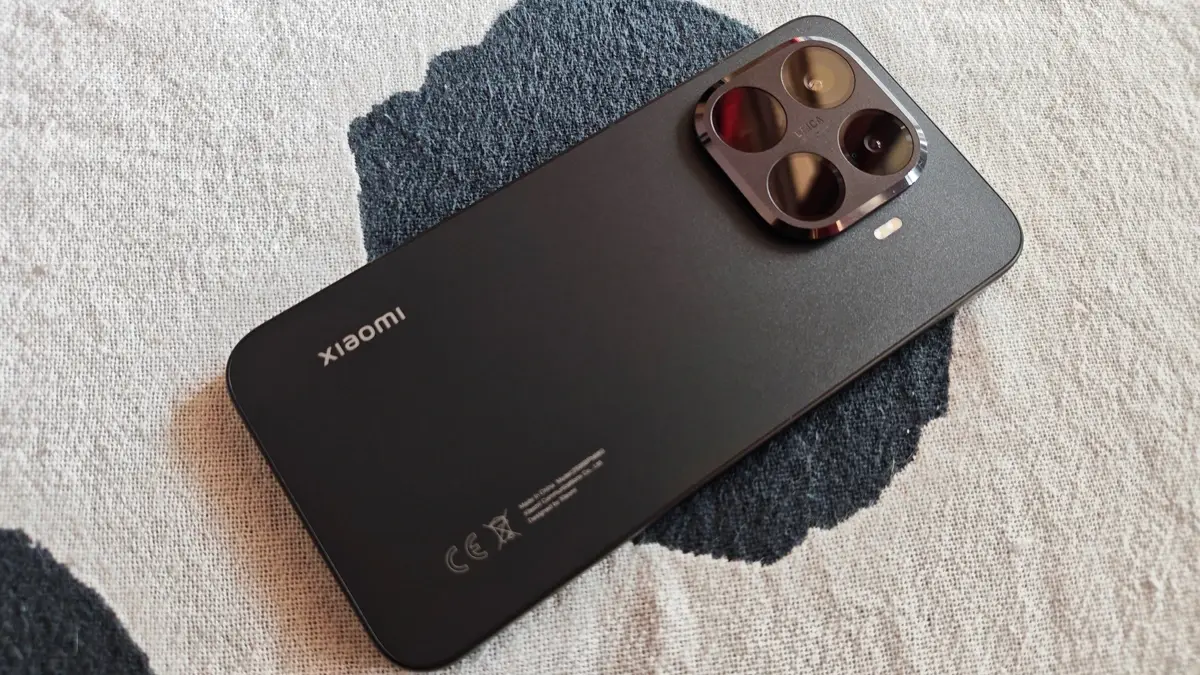
Let’s start with how the Xiaomi 15T Pro looks and feels. This device certainly doesn’t come across as a gaming phone, and to be fair, it's not masquerading as one either. Anyone who has owned recent iterations of Xiaomi's T Pro series will notice a similar shape and feel here, with a relatively flat and almost fragile-feeling build. Thankfully, the Corning Gorilla Glass 7i panel for drop resistance, and IP68 rating for splash, water, and dust resistance, do grant some peace of mind for the more clumsy phone owners out there; myself counted among them.
The island housing this camera’s lenses is also level and evenly-shaped, allowing all of the cameras to be grouped together in one flat square on the top left side of the phone. With a matte finish and three colour options–Black, Grey, or Mocha Gold–there is a metallic and luxurious feel that accompanies this phone, which is in keeping with the series’ overall visual identity in recent years.
The only issue is that it has some pretty thin and sharp corners compared to this year’s POCO F7 Ultra, leading to a less balanced feel while gaming, or even simple photography sessions. Granted, this problem is easily solved by picking up a phone case–though you would be trading away the premium feel that this device is going for by looks alone. I also felt a tad nervous about putting the phone down on its back, as the camera feels pretty exposed to scratches in doing so.
Xiaomi 15T Pro’s colourful display
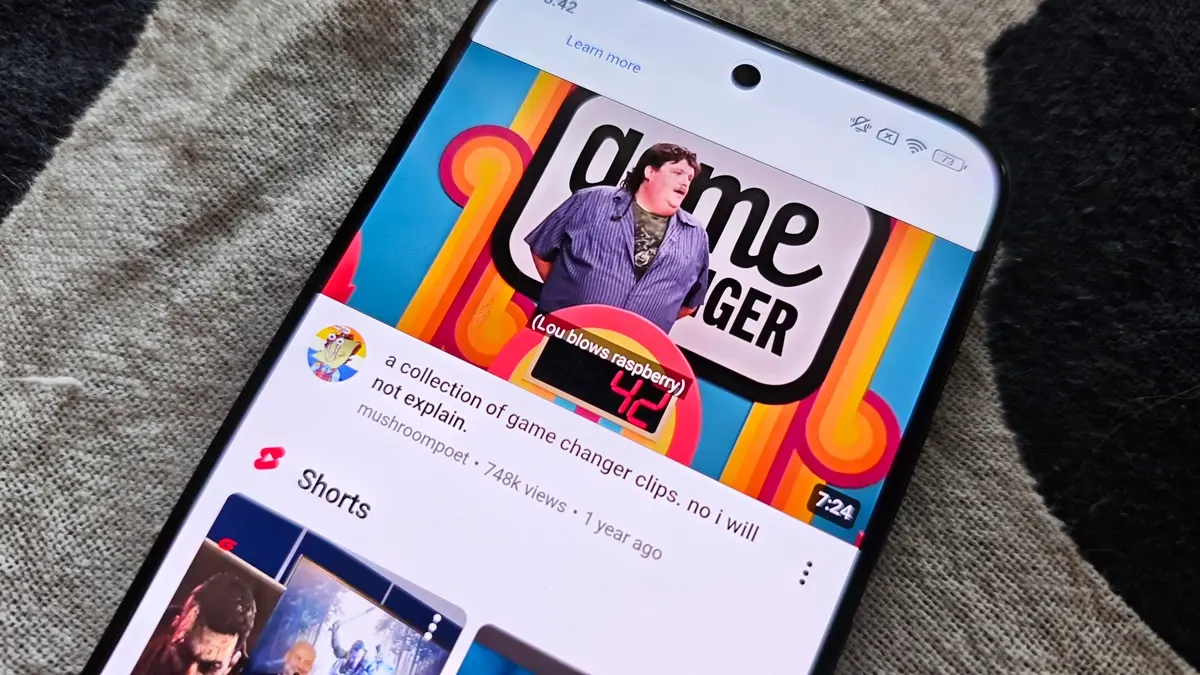
The Xiaomi 15T Pro sports a very nice 6.83-inch, 1280x2722 pixel AMOLED display with nice and thin bezels. It also has 480Hz touch sampling, both HDR10+ and Dolby Vision support, and a high 144Hz refresh rate. Its peak brightness is an odd downgrade, however, coming in at 3,200 nits against the Xiaomi 14T Pro’s 4,000 nits. The depth of colour here is pretty large all the same, with 68 billion colours covered.
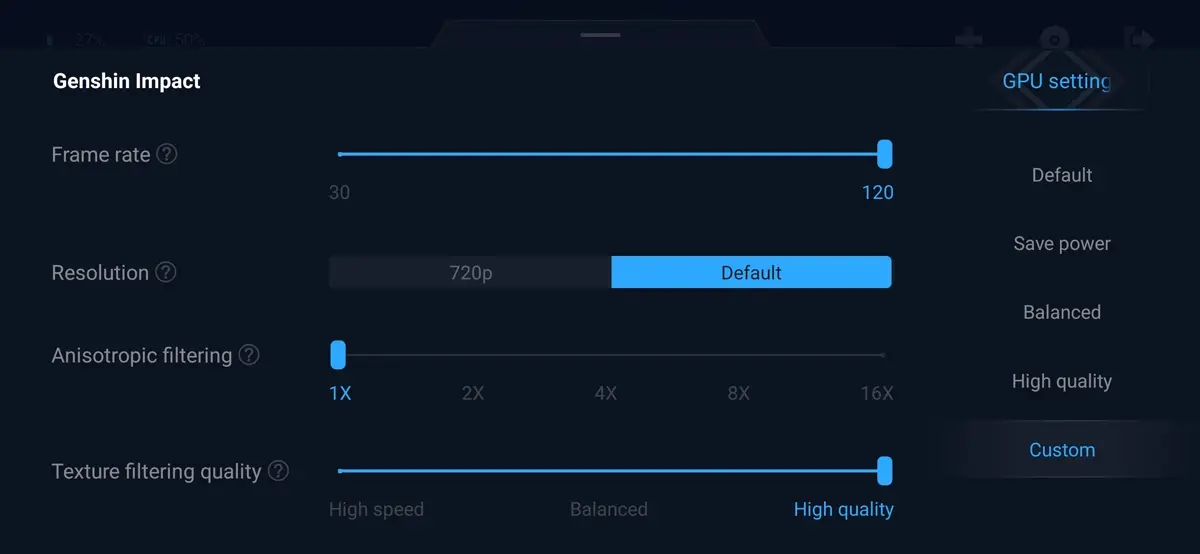
The display can go from 30Hz to 144Hz, depending on which display mode you’re using (Automatic or Custom), and what the phone is doing. The Custom 144Hz refresh rate display mode seems to be a tad overkill for regular every day use, however, if not oversold as a feature entirely. Most apps will simply run at up to 120Hz, even counting more demanding mobile games like Genshin Impact.
Still, it is a beautiful display in practice, and I did not find myself missing the 14T Pro’s 4,000 nits terribly.
Here’s how the Xiaomi 15T Pro fares while gaming
When it comes to performance, the Xiaomi 15T Pro does pretty well for itself. A MediaTek Dimensity 9400+ chipset powers the phone, which proves to be more than satisfactory for everyday tasks like streaming videos, editing photos, and browsing social media. It delivers relatively flawless performance to that end. To keep that momentum going while gaming, the phone touts an octa-core CPU and the Immortalis-G925 as a GPU.
For a phone that largely sells itself on its camera capabilities, we were surprised at just how well it handled just about every game we threw at it during our two-week review period. We tested out Zenless Zone Zero, Sonic Rumble, Genshin Impact, and Umamusume: Pretty Derby on the phone, and noticed smooth performance throughout.
If there were any frame drops, they could largely be attributed to software optimisation issues rather than the phone’s hardware capabilities. For example, we’ve noticed noticeable frame drops occurring during our daily HIA Club runs for upgrade resources, and that carried over to this phone as well. These issues kicked in with Zenless Zone Zero’s recent patches; hence, this is likely an issue with the game and not the phone.
What does end up being a problem here is battery life and device cooling. The Xiaomi 15T Pro packs in a 5,500 mAh battery, with 90w HyperCharge and 50W wireless HyperCharge. During regular use, the battery actually takes ages to deplete–roughly granting a day of use all in all (around 10–12 hours). It also doesn’t run very hot when you’re taking pictures or scrolling through social media alone.
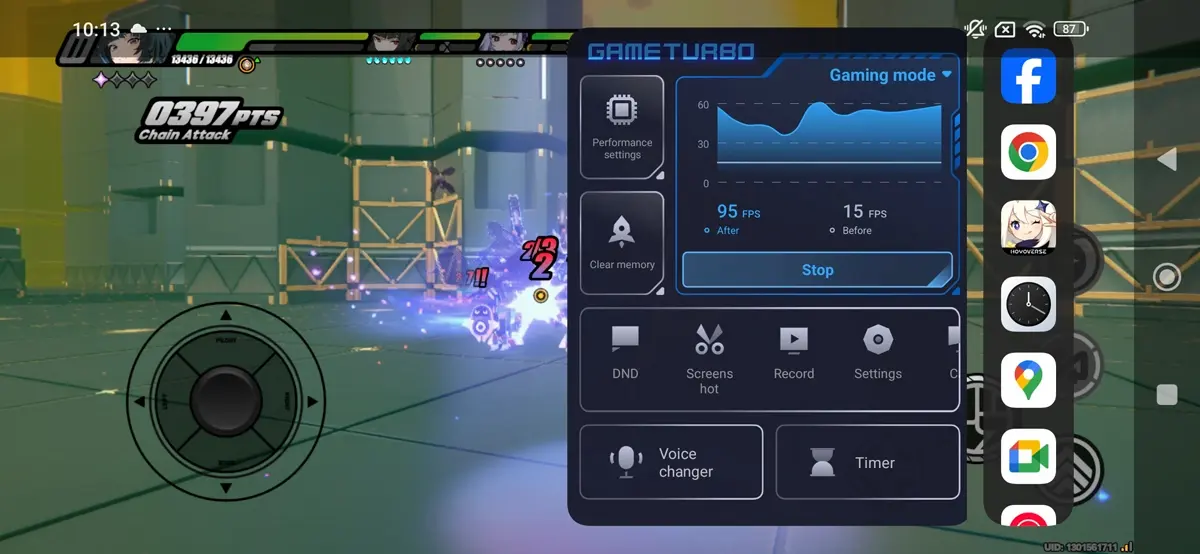
Unfortunately, things take a turn when you start using the phone for gaming alone. We tested the phone out with GameTurbo on, which ostensibly boosts in-game performance by increasing CPU/GPU usage while gaming. It’s easily activated by pulling up a thin window from the left side of the phone, which also gives you access to other features like a voice changer, game captures, and a timer. Alternatively, you can open up the GameTurbo app for a fuller suite of adjustable performance options.
The result is smoother performance overall, but it isn’t perfect. On Zenless Zone Zero, we noticed that some of the frame drops we’d been noticing during combat had been alleviated by turning GameTurbo on, though we were still seeing a few hiccups now and again while turning the camera. That being said, the differences were tangible enough for me to keep the feature on. Sadly, it does have quite an impact on the phone’s battery life.

When we left Zenless Zone Zero on full brightness and with GameTurbo, the battery went down by 40–50% over roughly 90 minutes of play. This comes with the caveat that the game generally has a tendency to chew up battery life, and results may differ from one app to another. Of course, users will be able to extend battery life simply by lowering screen brightness and turning GameTurbo off, but the tradeoffs might not be worthwhile.
Your mileage will vary; personally, I don’t love how quickly my battery life was sapped while playing games with GameTurbo on. However, if you only play your games in short chunks of time, rather than for 90 minutes at one go, this won’t be such an issue. I will say that the phone also became very hot during those 90 minutes, to the point that it could be felt even through a case. I wouldn’t necessarily feel good about putting the phone through that on a daily basis.
Verdict and price
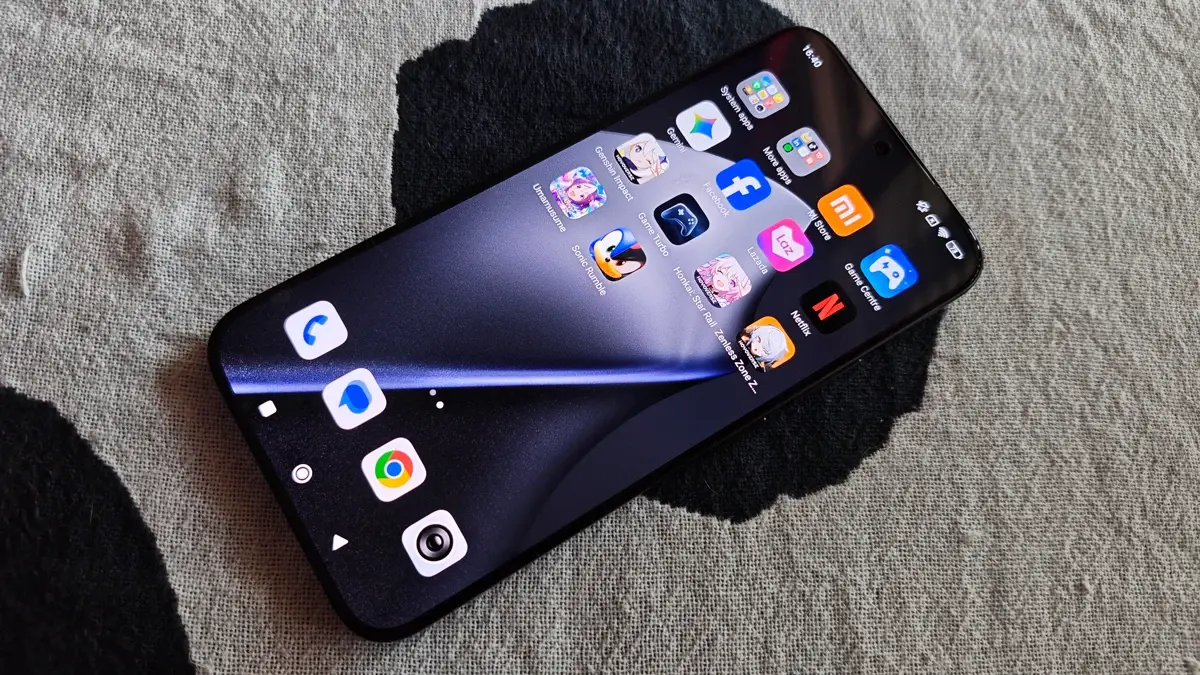
The Xiaomi 15T Pro is a surprisingly great phone for gaming, especially given that the phone sits at a mid-range price point and seems to cater mostly towards photography enthusiasts. This phone should be able to run most games at a solid 60Hz, and if not, GameTurbo is around to give it a helping hand in that regard. It does run hot during long gaming sessions, and its battery isn’t quite equipped to handle its own gaming capabilities for long, which is the only point I can make against it gaming-wise.
It should be noted that if you’re using the phone purely for gaming purposes, it does come at a pretty hefty price point. Its lower-end 12GB + 256GB version comes in at RM2,699 (around US$652). Comparatively, the POCO F7 Ultra is perfectly adequate in running most mobile games and will cost you RM2,199 (around US$531) for the 12GB + 256GB version.
Granted, this phone isn’t meant for gaming alone; its camera, display, and design lend it a level of finesse that’s more than worth the price point. When all of its robust features are considered in tandem, we find that it’s certainly worth the purchase; even if the camera is the true selling point of the whole package here.
The Xiaomi 15T Pro is now available for purchase. We received a review unit for this article.