The approval came with no consideration of prior games that already used the system.
Nintendo’s newly approved U.S. patent has left many in the gaming world unsettled. Patent No. 12,403,397, which broadly covers summoning additional characters in a game to fight alongside the player, is being criticised as unnecessarily sweeping, with developers warning it could cast a shadow over long-established mechanics seen across countless titles.
Although the patent has drawn attention for its potential ties to Nintendo’s ongoing dispute with Pocketpair’s Palworld, industry voices argue that its implications extend far beyond a single lawsuit.
A patent with reach far beyond Pokémon or Palworld
Florian Müller, an intellectual property activist, broke Nintendo’s patent down in a report on Games Fray.
Here’s the simplified version of what Nintendo now holds a patent on:
- The game runs on a device with storage (standard for any console or PC).
- You can move a player character around a virtual world.
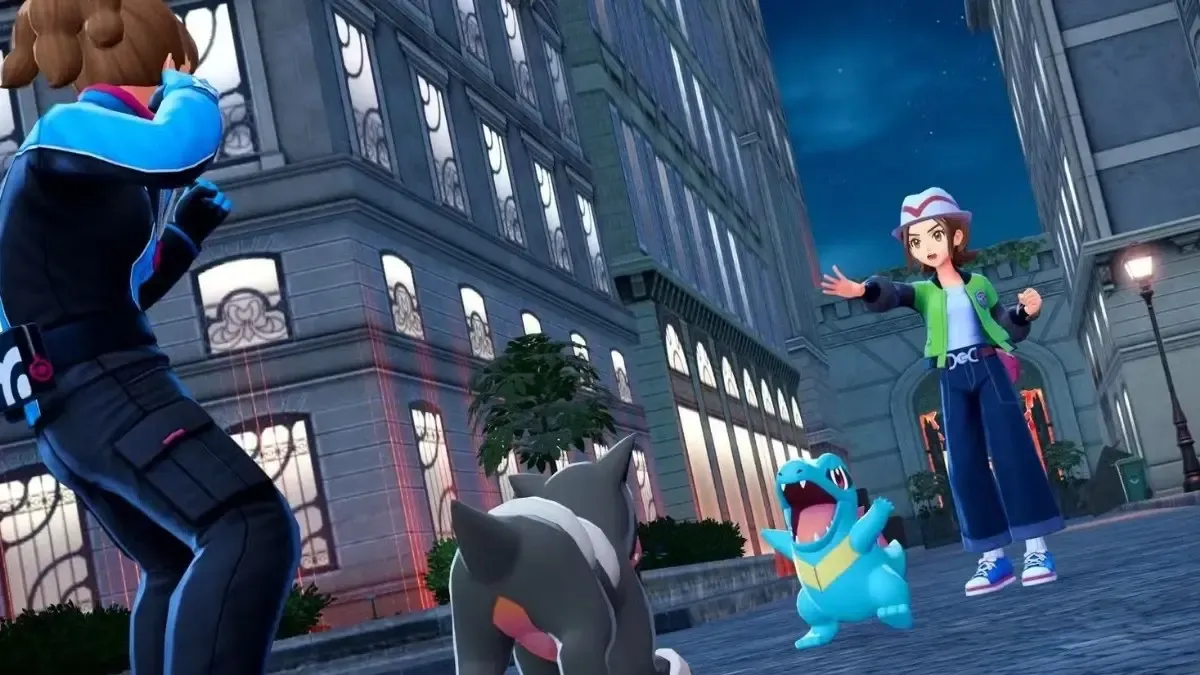
- You can summon a “sub character,” think a Pokémon, pet, or ally, that isn’t the main character.
- If that sub character appears near an enemy, it fights when told to.
- If there’s no enemy, the sub character moves automatically until it finds one.
- Battles can also run on autopilot once the sub character has been sent in a direction.
In other words, if a game lets you move your hero, summon a companion, and have that companion fight enemies, whether directly controlled or automated, it could fall under Nintendo’s new claim.
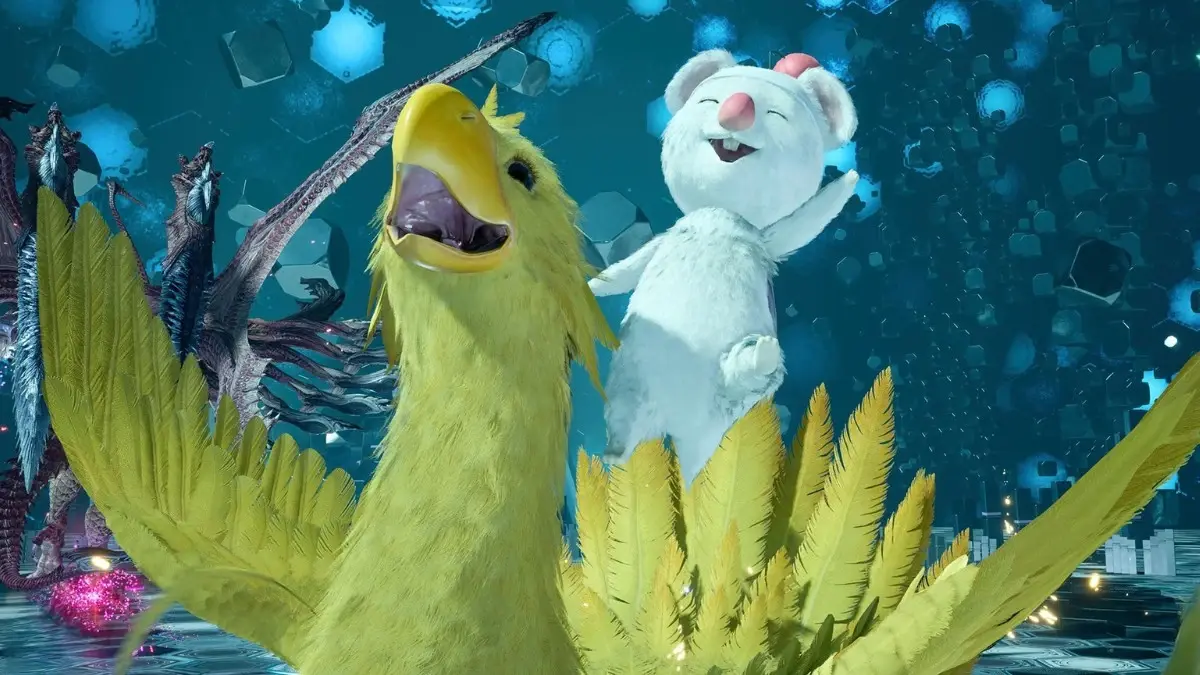
On paper, this could cover a wide range of RPGs, from Final Fantasy to Persona, even though some of these games predate Pokémon’s summoning systems.
For Müller, the concern is not that Nintendo will suddenly sue every developer, but that the patent creates legal uncertainty. “Even if a game is technically different, it might still risk infringement,” he noted, warning that the vagueness of the claims could be wielded as a weapon.
Why indie developers are most at risk
Patents like this one are not unusual in the games industry, but the scope of Nintendo’s claim has drawn attention.
The broader fear within the industry is the chilling effect on smaller studios. Larger publishers such as Sony or Microsoft generally have the resources and their own patent portfolios to handle disputes. Independent studios, however, may find it harder to navigate or challenge such claims.
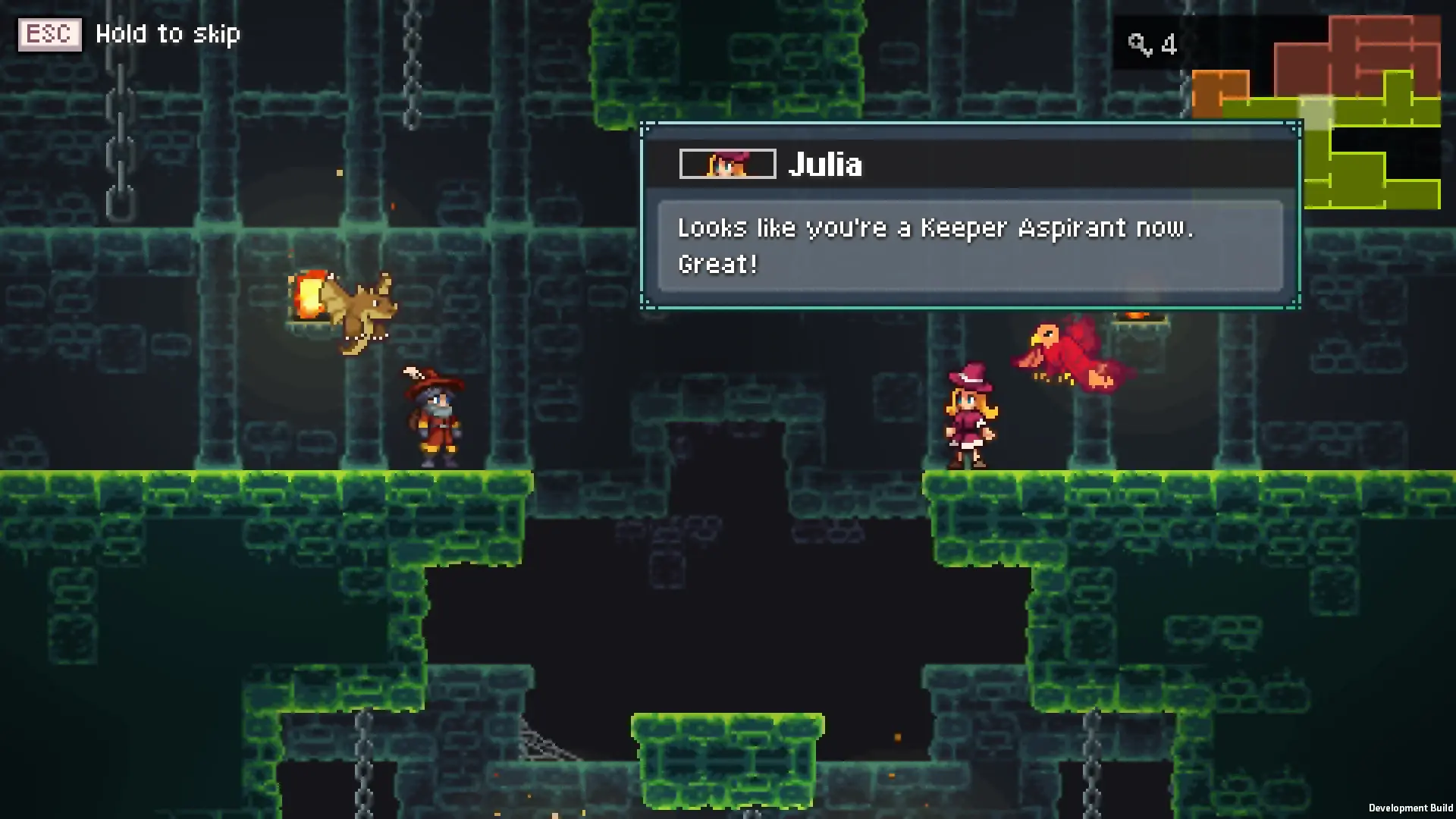
moi rai games).
For indies, the risk is stark. Many would rather redesign a game mechanic than face the threat of prolonged legal action. This imbalance means patents like Nintendo’s could be used less as a shield and more as a deterrent, restricting creative freedom for those without legal firepower.
Müller highlighted in his report how the U.S. Patent and Trademark Office (USPTO) approved the filing without properly considering prior art from video games.
“They didn’t even Google,” he remarked, pointing to how common summoning mechanics already are across the medium. By relying mainly on previous patents rather than the broader history of gaming, the USPTO left the door open for this claim to pass unchallenged.
What it means for the future of gaming
The industry has long wrestled with the tension between innovation and overreach. Patents were designed to protect unique inventions, not broad gameplay ideas, but the lines have blurred as games become more complex. If such claims go unchecked, developers may increasingly need to navigate a minefield of potential infringements, with creativity taking a backseat to legal safety.
Larger publishers like Sony or Microsoft can absorb those risks, armed with their own portfolios of defensive patents. The real danger lies with smaller studios who drive much of gaming’s innovation. If these creators are pressured into limiting their designs, the entire ecosystem loses.
As Müller concluded, the best defence is vigilance. Müller notes that vigilance will be important: “Developers need to actively monitor filings from industry giants and challenge patents that overstep.” He also points out that the current U.S. system makes revoking granted patents difficult, which raises the stakes for smaller developers.
The broad scope of this patent could certainly be contested, given that older games have long used similar mechanics. For now, though, both developers and players will need to keep a close watch on how it might be applied.