Monster Hunter Stories 3: Twisted Reflection is Pokémon for Monster Hunter fans.
Monster Hunter Stories 3: Twisted Reflection arrives a long five years after Monster Hunter Stories 2, though it arguably couldn’t have come at a better time. There’s a dearth of content for fans of the franchise before an expansion hits Monster Hunter Wilds, which means that they have time on their hands to try something new.
Don’t be fooled by Monster Hunter Stories 3’s Pokémon-like monster-collecting and turn-based combat, either–this is a Monster Hunter game through and through. The loot-grinding, monster-hunting, and armour customisation has remained–bolstered by unique combat mechanics, an eclectic cast, and colourful cel-shaded visuals.
Monster Hunter Stories 3: Twisted Reflection
Release date: 13 March, 2026
Platforms: Nintendo Switch 2, PlayStation 5, PC, Xbox Series X|S
Developer: Capcom
What is Monster Hunter Stories 3: Twisted Reflection about?
Monster Hunter Stories is an anthology game series that largely stands on its own two feet, separate from the mainline action-RPG franchise. That means you won’t have any catching up to do before playing Monster Hunter Stories 3: Twisted Reflection, as the game takes place hundreds of years after its predecessor and follows an original storyline.
The turn-based RPG is set during the imminent arrival of an environmental disaster called the Crystal Encroachment, which is infecting monsters around the land and rendering them vicious, more powerful, and difficult to put down. In the midst of all this chaos, two kingdoms come together with an uneasy alliance: Azuria and Vermeil.
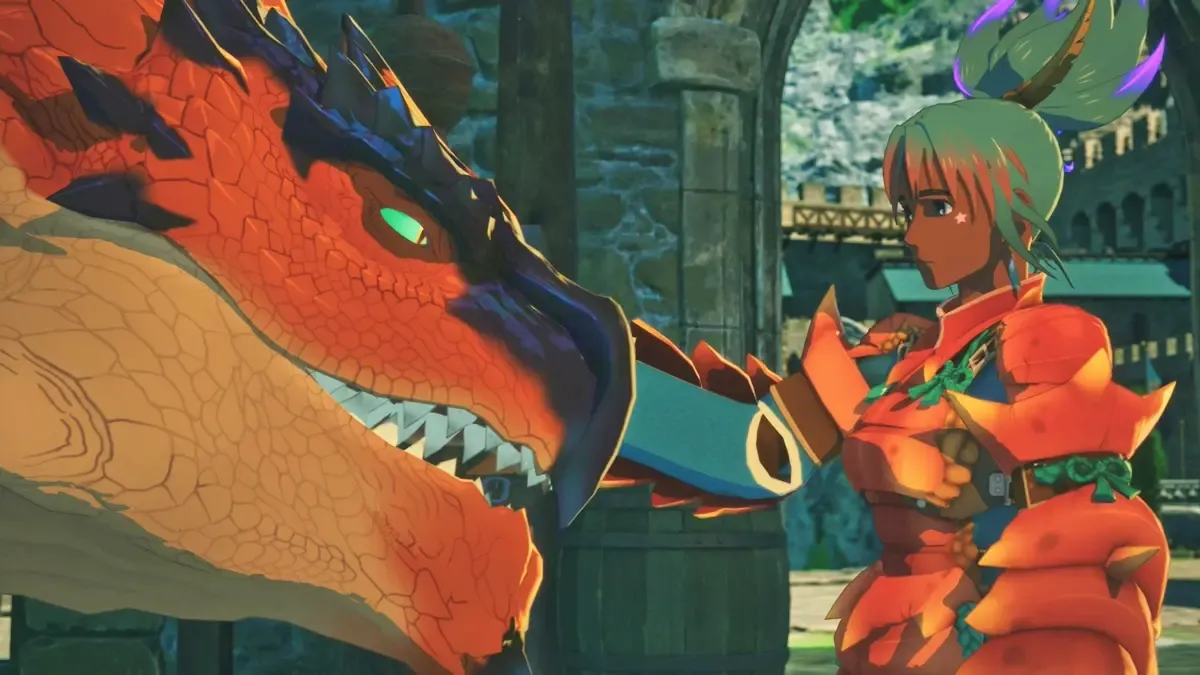
The game puts players in the shoes of Azurian royalty as the kingdom’s heir, tasked with working together with Vermail’s princess Eleanor to investigate and stop the Crystal Encroachment. As they embark on their journey together, they’ll add more friends to the party looking to put a stop to the monsters’ violent bloodshed. At the centre of it all is a mystery concerning a pair of twin Rathalos, one of whom calls the player a friend. The other’s whereabouts are unknown.
The narrative is serviceable, largely carried by the strength of its likeable cast, and the side quests that dive into their backstories. A slow start does leave the momentum dragging, however, with extensive combat tutorials and worldbuilding exposition bogging things down before you’re finally allowed to carve your own path. The world’s saturated colours, cel-shaded visuals, and loveable Monsties do a lot to keep you going as well, in between some of the larger setpieces that make the story pop.
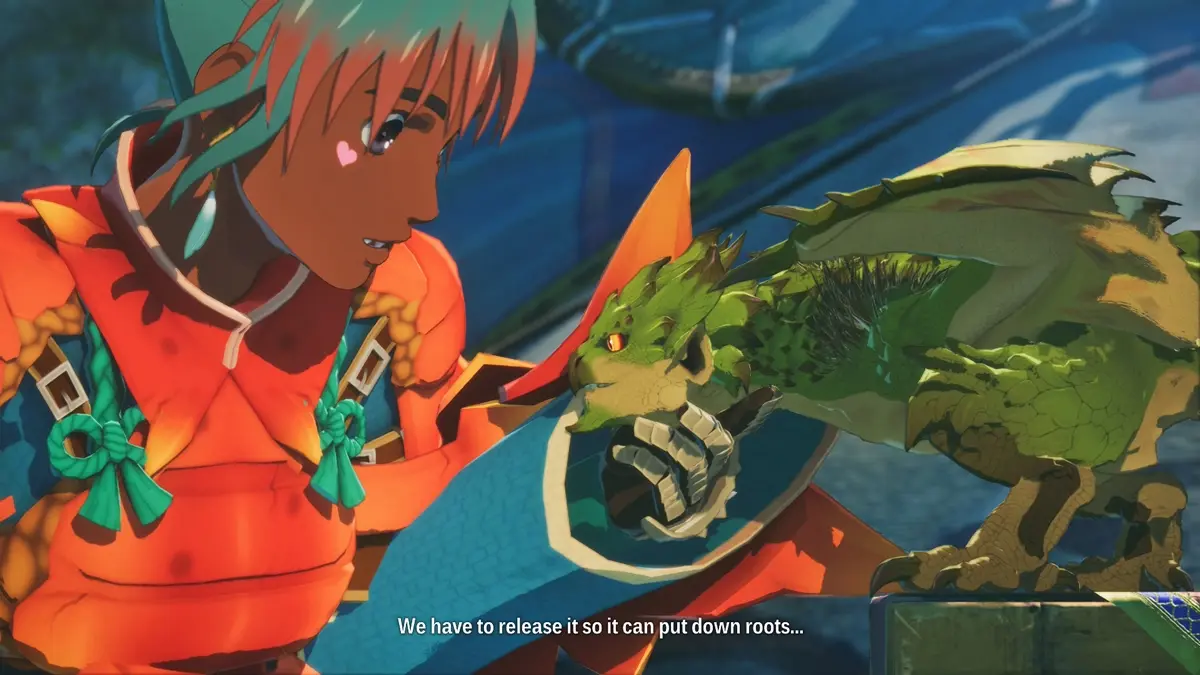
The only issue here is that much of the game’s side content won’t be avoidable unless you’re willing to miss out on key materials and resources, which get funnelled into the game’s crafting and Monstie-taming systems. That level of grinding becomes an issue when dealing with repetitive and boring sidequests, which largely involve killing x number of monsters or gathering x number of materials, slowing things down even further.
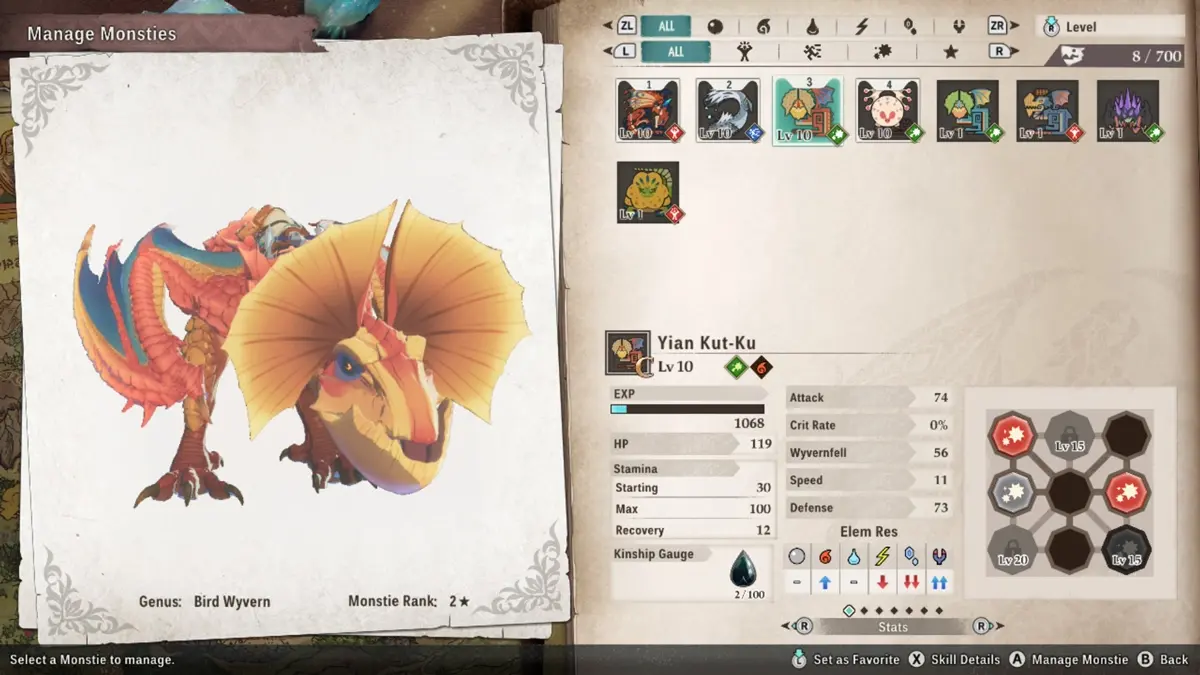
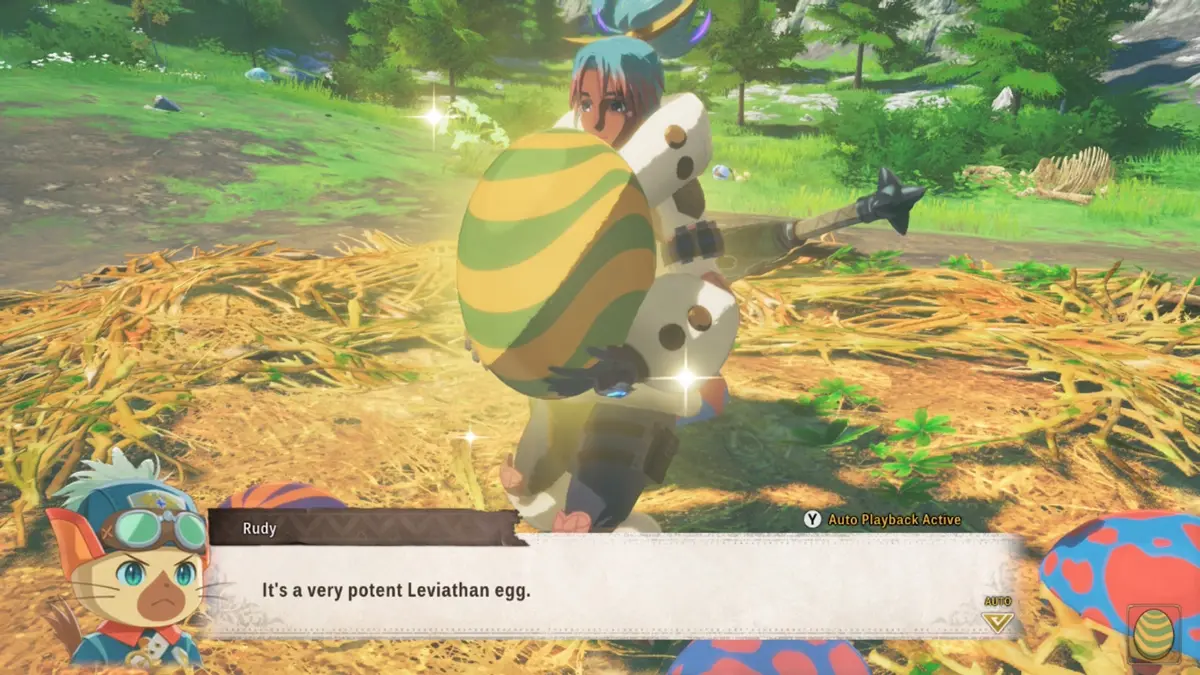
Thankfully, anytime the game asks you to take part in Monstie taming–whether it be delving into nests to nick eggs off of other monsters, or releasing Monsties in order to develop your surrounding ecosystem–things get much more interesting. It’s just a shame that the sidequests are so generic in comparison to these other systems, which are interesting and deep enough to get lost in for hours on end in between story missions.
What is combat like in Monster Hunter Stories 3: Twisted Reflection?
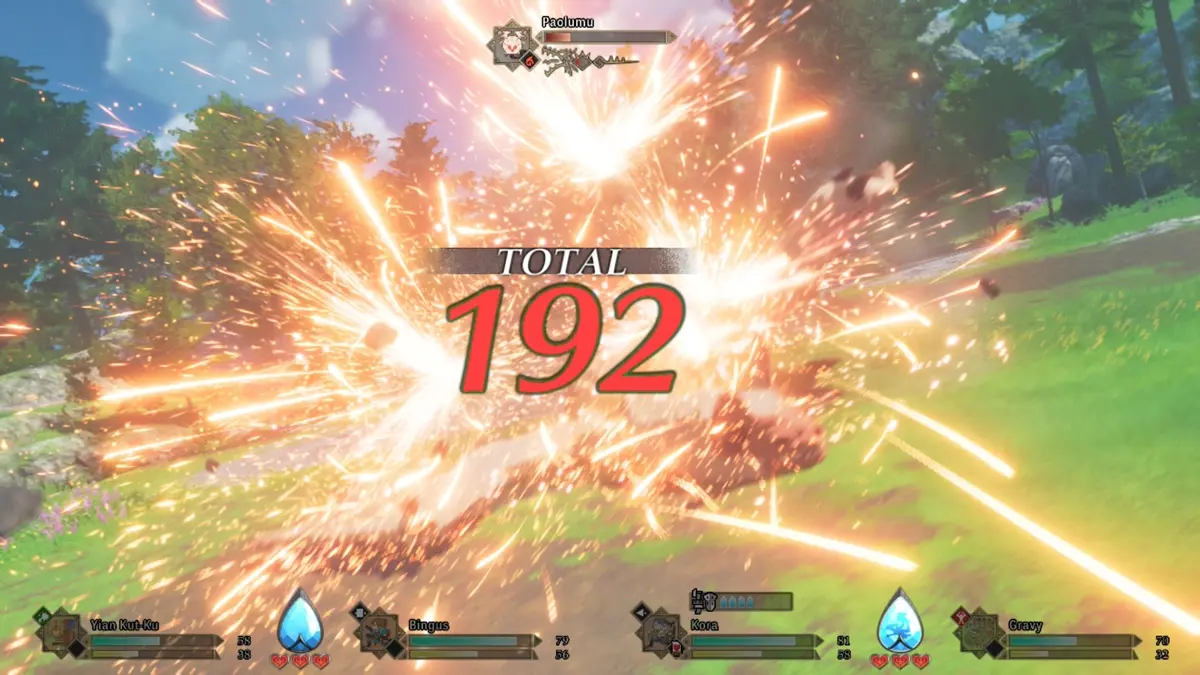
Monster Hunter Stories 3: Twisted Reflection follows a turn-based combat system, with a few twists that lend its battles a satisfying level of complexity. Three types of attacks are available–Power, Technical, and Speed–with each type meant to counter the other. Monsters will go with one type of attack, leaving it up to the player to counter them directly and deal more damage.
There’s also the ability to target specific monster parts to deal more damage, which ends up being very important for taking down frenzied or crystallised monsters. They can be nigh invulnerable otherwise, harkening back to the mainline series’ combat loop. Monsters can also use different elemental attacks, and players can employ a party of their own Monsties with different elemental kits to swap around as needed.
During these combat encounters, the game almost feels like a grown-up version of a Pokémon game. You’re still fighting monsters with other monsters, but here players can join the fight themselves, target specific parts, and use different layers of tactics to end the fight in their favour. And yet, I found myself tiring of it all rather quickly.
While it’s always satisfying to take down a tough monster at the end of a long battle, getting to that point can sometimes feel like you’re beating these things with cushions one round after the other. Fights get long and repetitive when more challenging fights crop up (and you haven’t grinded out enough levels to deal with them), which means that you either resort to the aforementioned dull sidequests or brute force your way through.
These sidequests aren’t terribly arduous, and some of the character stories are genuinely fun to play through. Fixing up the ecosystem and hunting for eggs is a satisfying enough gameplay loop to make the grind fun, but getting level-gated at various points in the story can pull the pace to a screeching halt.
Verdict
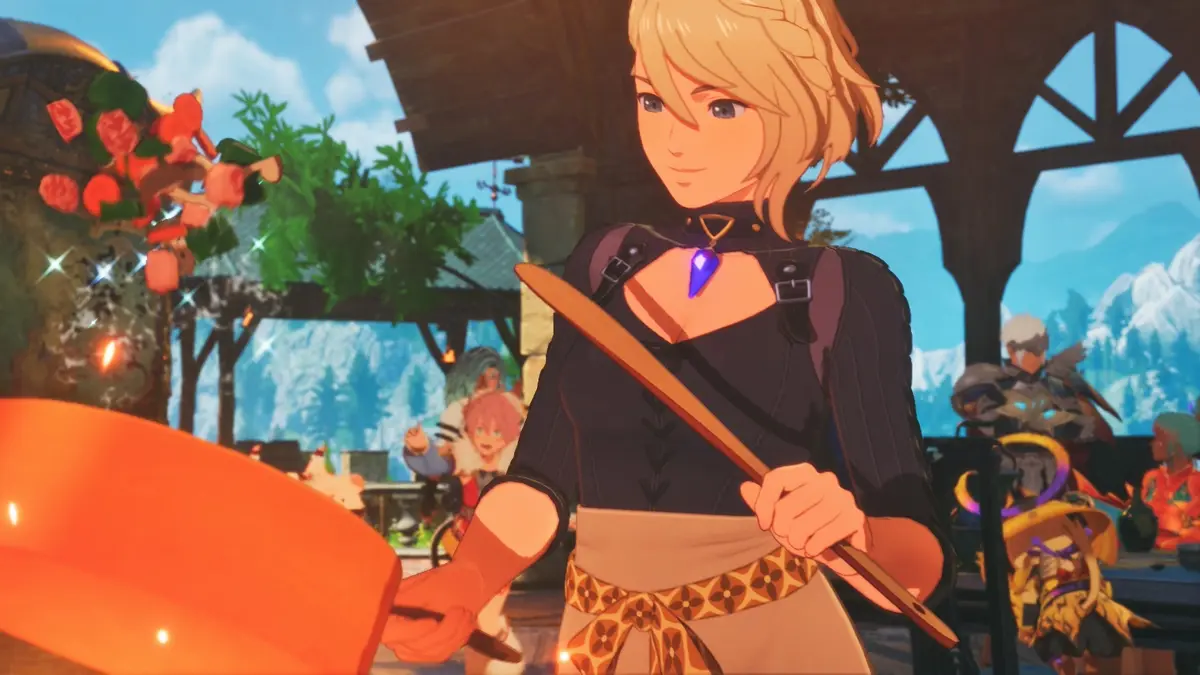
Monster Hunter Stories 3: Twisted Reflection is at its best when you’re engaging with its cosier elements. Taming Monsties, cooking food, learning more about your friends, and revitalising ecosystems all fit into a surprisingly addictive, if simplistic, gameplay loop. A slow start might hamper the game’s early hours, and the game’s fights can get more tedious than satisfying, but there’s still a good variety of RPG systems here to chew on for Monster Hunter fans.
Monster Hunter Stories 3: Twisted Reflection is now available on PlayStation 5, Xbox Series X|S, PC, and Nintendo Switch 2 for US$69.99. We received a copy of the game for this review.
Do I need to play Monster Hunter Stories 1 and 2 to understand Monster Hunter Stories 3?
Thankfully, the answer to the above question is a resounding no. Monster Hunter Stories 3: Twisted Reflection picks up hundreds of years after Monster Hunter Stories 2, and features a standalone story with a separate cast of characters. That means you won’t have to catch up on either the Stories series or the mainline Monster Hunter franchise to grasp its story.
Does Monster Hunter Stories 3: Twisted Reflection support multiplayer?
No, Monster Hunter Stories 3: Twisted Reflection is a turn-based singleplayer RPG.
Who made Monster Hunter Stories 3: Twisted Reflection?
Capcom, the developer behind Monster Hunter Wilds and the mainline Monster Hunter franchise at large, developed Monster Hunter Stories 3: Twisted Reflection.