Marathon is a sci-fi extraction shooter with some bite.
Bungie has a lot riding on the success of its latest game, Marathon. The sci-fi extraction shooter is a reboot of the studio’s 1994 game franchise of the same name, which has remained dormant since 1996’s Marathon Infinity. It’s also Bungie’s first new game since 2017’s Destiny 2, a now nine-year-old multiplayer game that has seen diminishing returns for the studio in recent years.
Despite the necessity for its success, however, Marathon is not playing it safe. This isn’t an easier or more accessible take on the extraction shooter genre–it’s a hardcore shooter that challenges players to embrace strategy and tactics, or die losing everything. Its stylised visuals and addictive gunplay make a good case to convert even those who avoid this genre like a plague–but its poor UI layout and mission structure might similarly turn them off even more.
There’s a lot to love and hate about Marathon–and much of it has more to do with the sandbox nature of the game’s extraction runs, rather than the game’s bevy of daunting systems and missions.
Marathon
Release date: 5 March, 2026
Platform: PC, Xbox Series X|S, and PlayStation 5
Developer: Bungie
What is Marathon about?
Let’s get this out of the way first: no, you don’t need to play Marathon (1994) to enjoy Marathon (2026). While the first game was indeed a shooter, it was more story-focused than this year’s reboot, which builds on its world in a more multiplayer-focused setting. The game is set 99 years after the 1994 game, in the year 2893.
A colony ship called the UESC Marathon has gone dark after being attacked by various alien forces, and several factions back on Earth have only become aware of it long after the fact. These factions–ranging from the UESC government to pharmaceutical mega-coporations–all have a vested interest in the fate of this colony, and thus have hired synthetic Runners to explore the colony and retrieve valuable data.
Here’s the catch: all of the factions have sent out Runners–which are cybernetic shells serving as human vessels–to retrieve these resources for themselves, which means that the colony is now filled with competing Runners who are all out to get the same slice of Marathon’s pie. As players progress through the story, they’ll learn more about the fate of the Marathon ship, and the colony at large–though if we’re being completely honest, they might find it all difficult to absorb at first.
How to progress Marathon’s story
Marathon’s story is told to players via moody and heavily stylised cinematics, which players typically only see in between ticking off faction missions. Deepening your relationship with each of the game’s factions not only allows you to gain access to better equipment and abilities, but it also gives you more insights on this lost space colony, and the many players looking to scavenge its bones.
Even this limited story content manages to draw a rich tapestry of the game’s barren and desolate world, which is filled with dangers and vying foreign forces. Marathon’s clinical sci-fi aesthetic is distinct, but not singular–the many factions seen in the game each stand out thanks to their melancholic figureheads, who are only ever seen as distant and obfuscated beings currying the Runner’s favour.
However, much of Marathon’s lore is locked behind progressing the factions. While this encourages the player to keep diving back into the game with more missions under their belt, it did feel like many of these quests forced me to carve out a more linear path forward than I would have liked. Some missions are pretty repetitive, asking the player to simply kill other bots and players, which is easy enough to do over the course of multiple matches.
More complex missions will instead ask the player to complete a series of specific tasks, like interacting with computers and security systems across multiple points of interest on the map. Some of these quests are more mindless than others, and at worst, they distract from the game’s actual hook–which is trawling these maps for good loot and vulnerable players. Still, the rewards are always worthwhile, even if the endeavour of attaining them proves rather annoying.
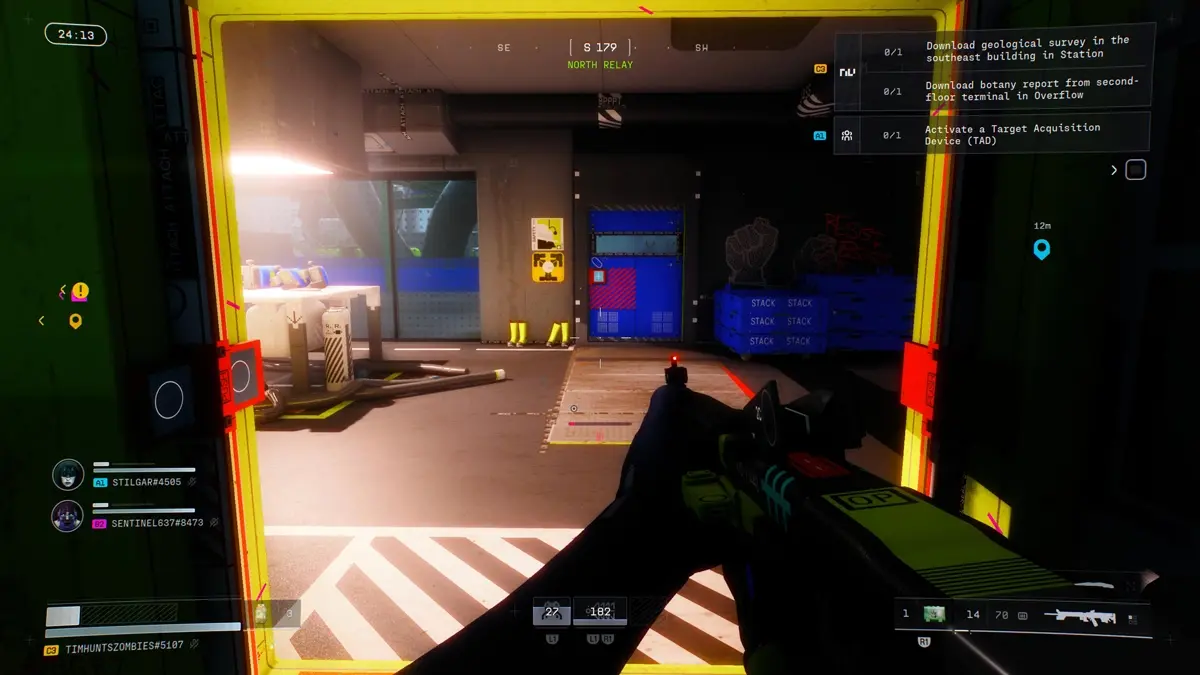
Bungie has set the scene for some very interesting future narrative work here, with the recent introduction of Marathon’s Cryo Archive. The new map, which unlocked following the completion of a community ARG, allows players to explore the first deck of the UESC Marathon–finally offering some catharsis to players who spent the first few weeks since launch wondering what happened to the game’s namesake.
Cryo Archive came at a perfect time, following up on all the worldbuilding done in Marathon’s early faction quests. It proved that the game has plenty of avenues for live-service storytelling, and much like Helldivers 2, has the ability to suck players back in with meaty story updates down the line. The only question is whether Bungie can keep up this pace, as the game’s current narrative all but peaked with background lore and worldbuilding at launch, expansive as they were in scope.
Much like the faction’s many figureheads, Marathon’s story presents itself as mysterious and abstruse, serving to provide a layer of intrigue over the game that hasn’t paid off just yet.
Does Marathon support solo play?
In case you missed the boat on this, Marathon is an extraction shooter, breaking away from the format laid out by previous entries in the franchise. Where similar games in the genre can vary from unforgiving (Escape From Tarkov) to a little less challenging (Arc Raiders), Marathon can best be described as a hardcore extraction shooter belonging in the former category. There are ways to ensure a good run, but if you die, you still lose everything permanently.
Meta progression comes in the form of faction contracts, which allow the player to level the game’s factions and earn permanent upgrades. In the early game, these upgrades can be few and far between–and you still need to complete successful runs to earn the cash needed to unlock them. This also isn’t the type of extraction shooter that encourages other players to be friendly by default. Everyone is out to get you for XP or contracts, which means that you’re playing at a high level of tension all the time.
Sadly, that does mean Marathon is best played with a group of friends. The game’s systems simply aren’t built to support solo play (there is a solo character class called Rook, but it’s designed for a different gameplay loop), as players are often chasing down different contracts across the map at a time, but need to stick together to survive despite their actual needs. It’s much easier to tick off contracts and co-ordinate with each other when you’re playing with friends, but take it from me: playing this game solo is a frustrating experience through and through.
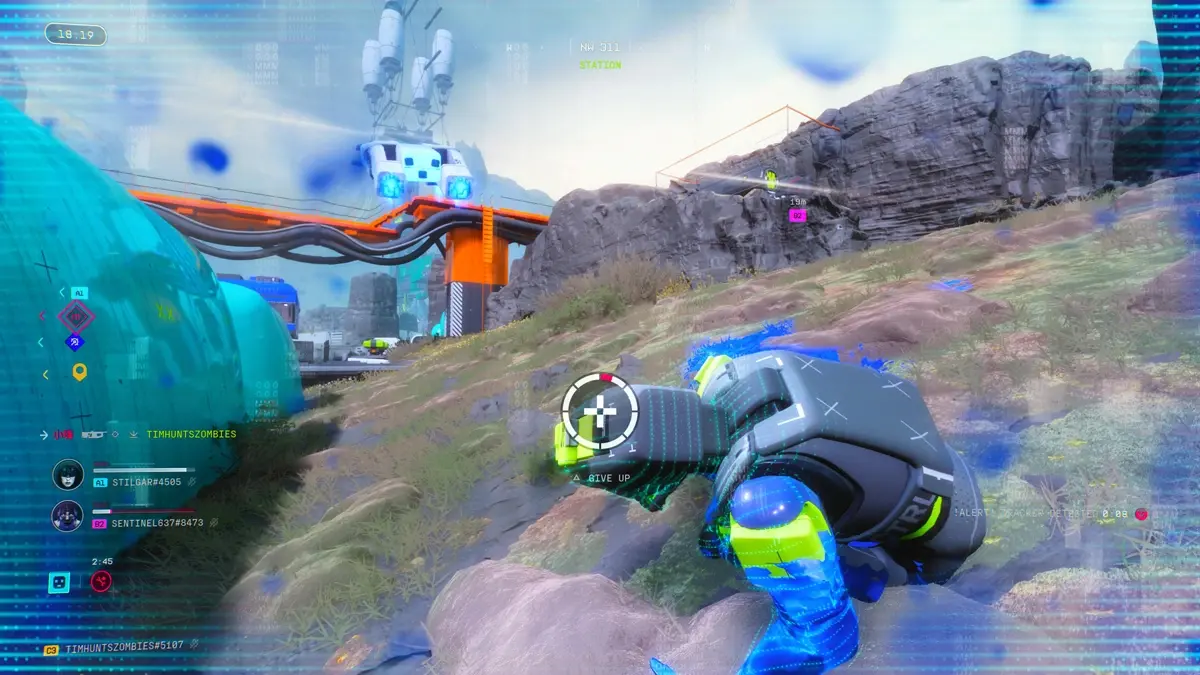
It’s also a lot more fun to play this game with friends. Marathon’s maps, which are few–four in total, including Cryo Archive, which is only available on weekends–are much smaller than one might think, but packed with secrets and verticality. The small number of Points of Interests in each map house structures with multiple points of entry and various areas to loot, along with locked doors and rooms which need specific keys to unlock.
It’s a lot of fun to explore these areas with a good team, and working out how to complete your objectives in an utterly hostile area together. Getting downed by an enemy NPC or real-life player is still frustrating, but it feels easier to jump back in and give it another go. When you’re playing with strangers, it’s much more discouraging when a run goes south–the existing pinging system doesn’t work quite as well as it does in battle royale games like Apex Legends to encourage good teamwork.
How do you use Shells in Marathon?
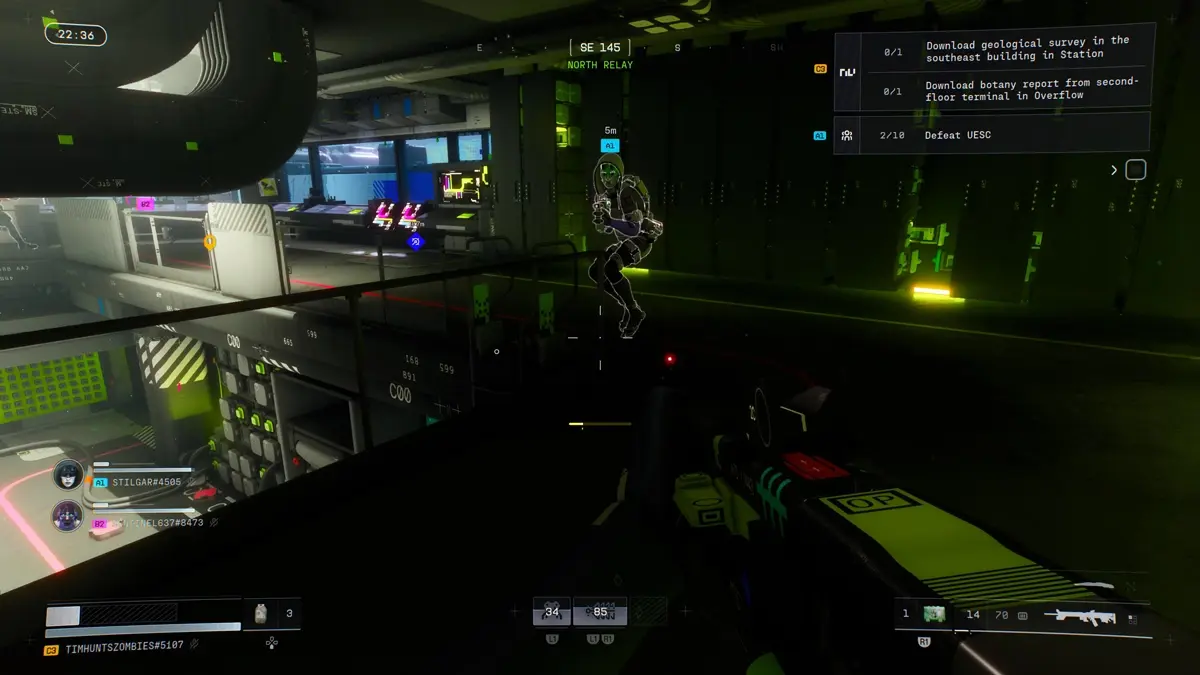
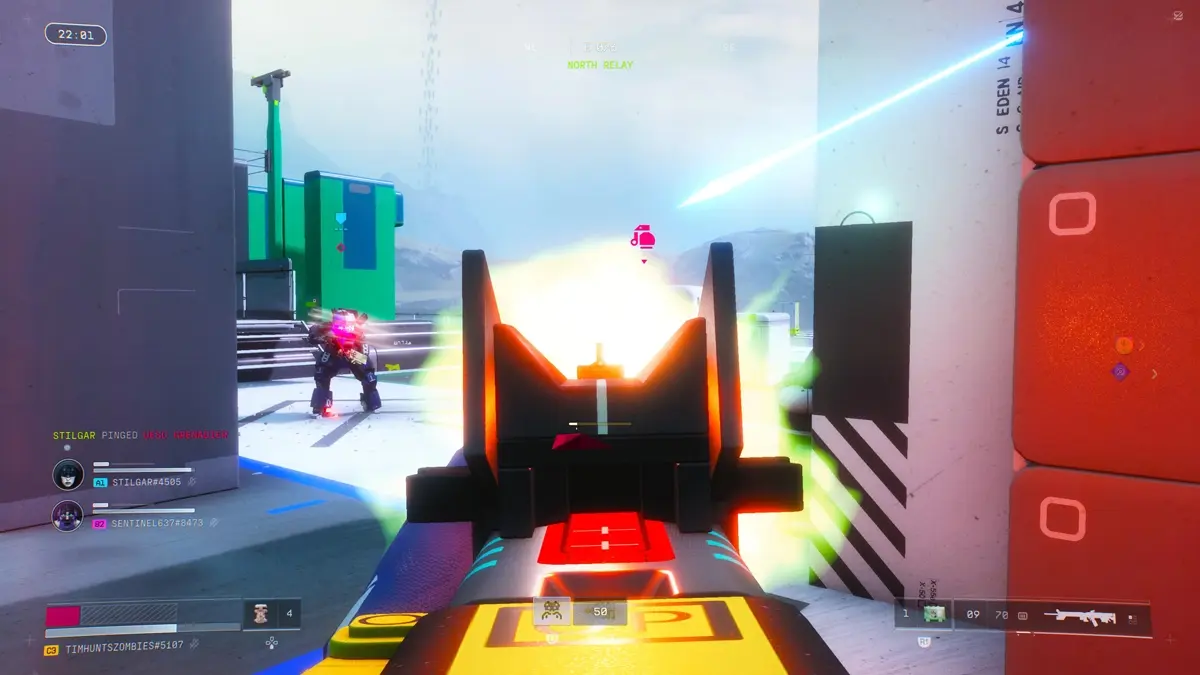
Marathon comes from the makers of Halo and Destiny, and thus it should come to no one’s surprise that its guns sing like an angelic choir. The variety of weapons Runners have at their disposal come in satisfying breadth, and with different ammo types that may alter their combat effects–from Volt ammo that power tech weapons, to light bullets that power SMGs. Higher-rarity weapons feel like a huge upgrade over their lower-tier counterparts, which means that the chase for better loot is not only meaningful, but necessary.
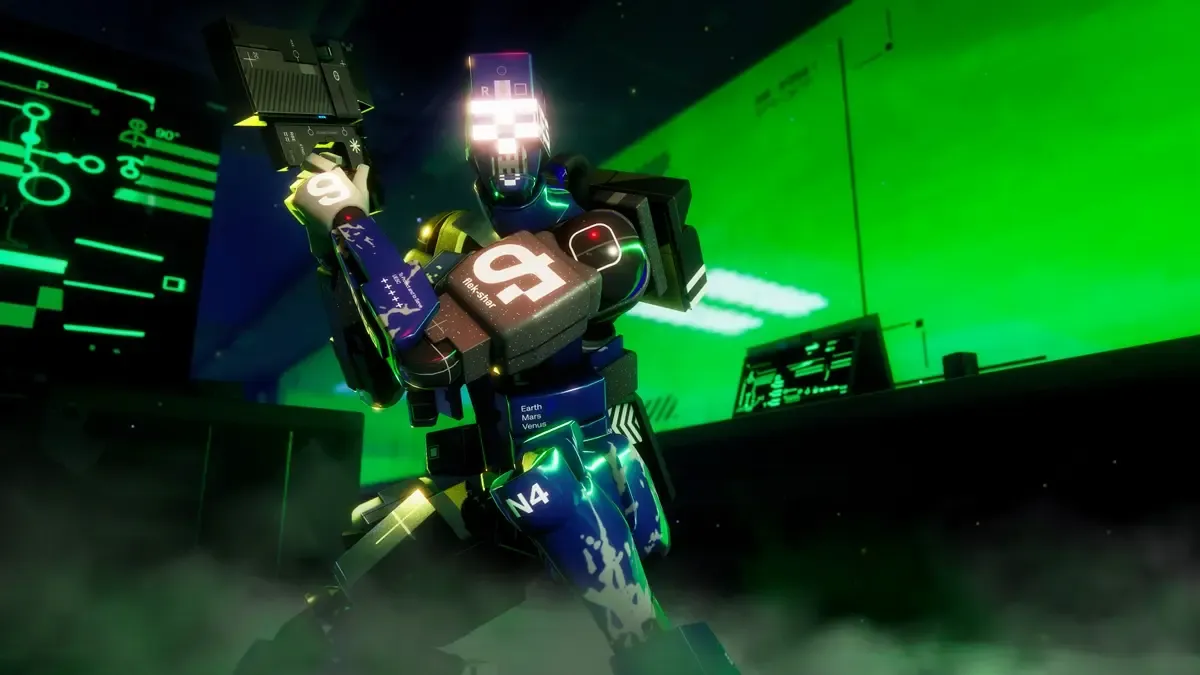
Players can also choose from different playable “Shells,” which function as character classes with unique kits. These Shells’ abilities are effective, but not quite as reliable as the average Apex Legend or Overwatch hero, as their cooldowns are punishing, and their effects won’t always guarantee a kill. Still, each Shell feels well-balanced around a specific playstyle, depending on the player’s preference for stealth, aggression, or heals.
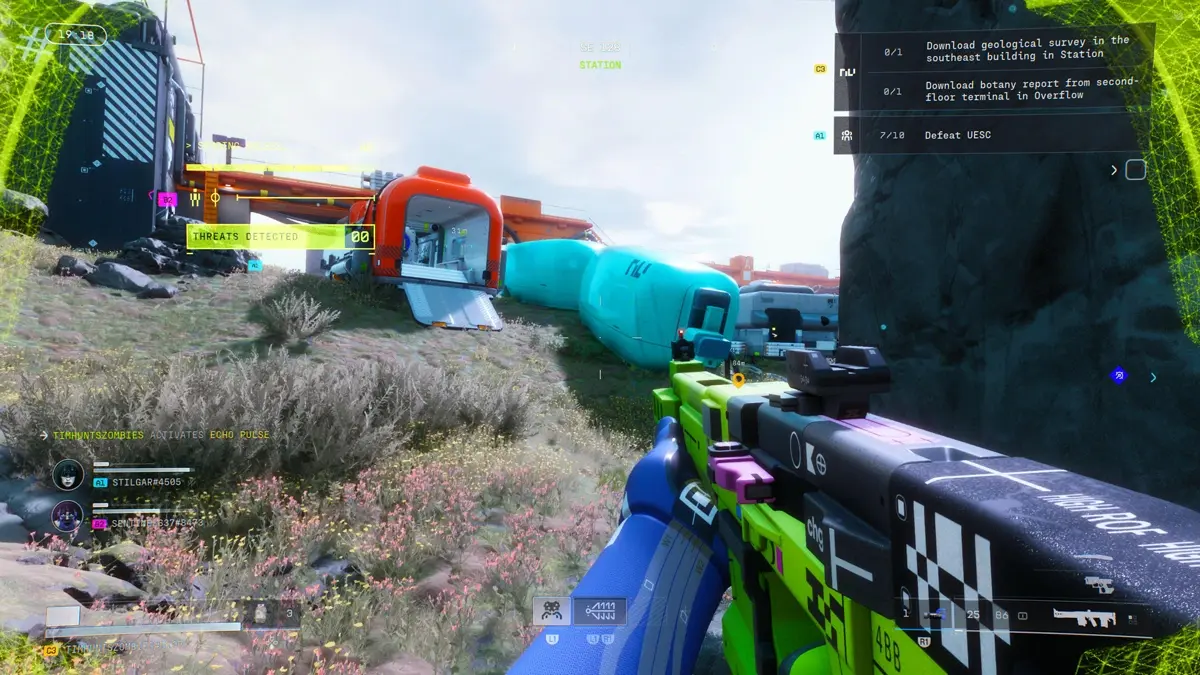
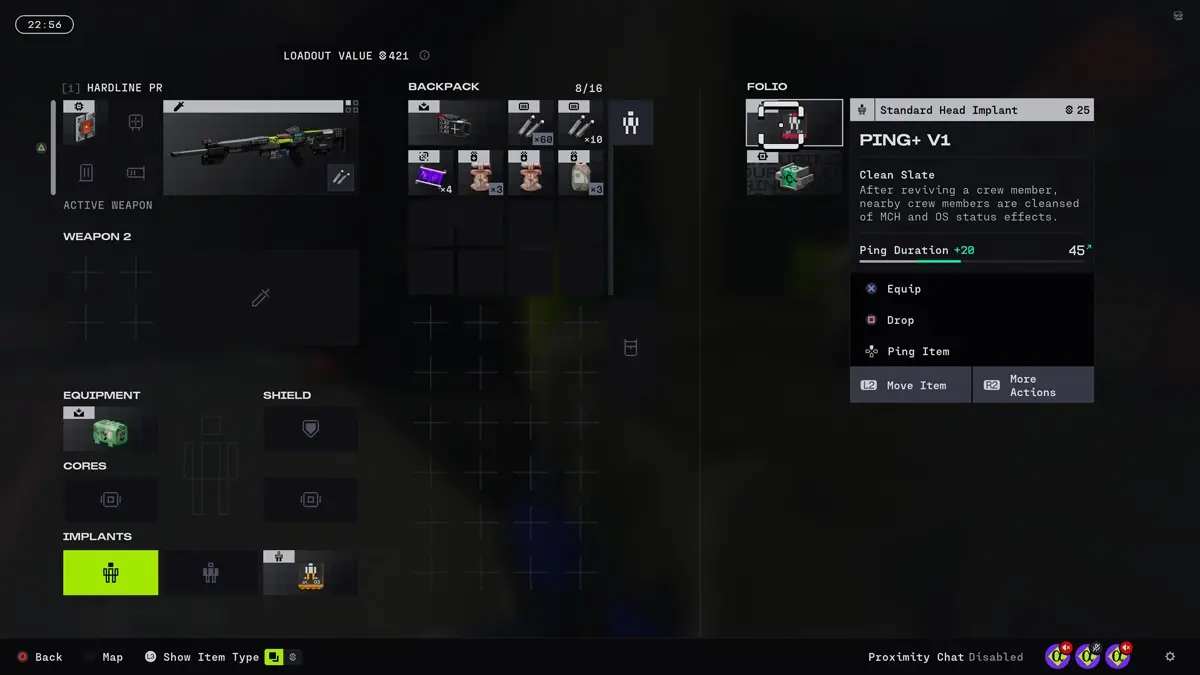
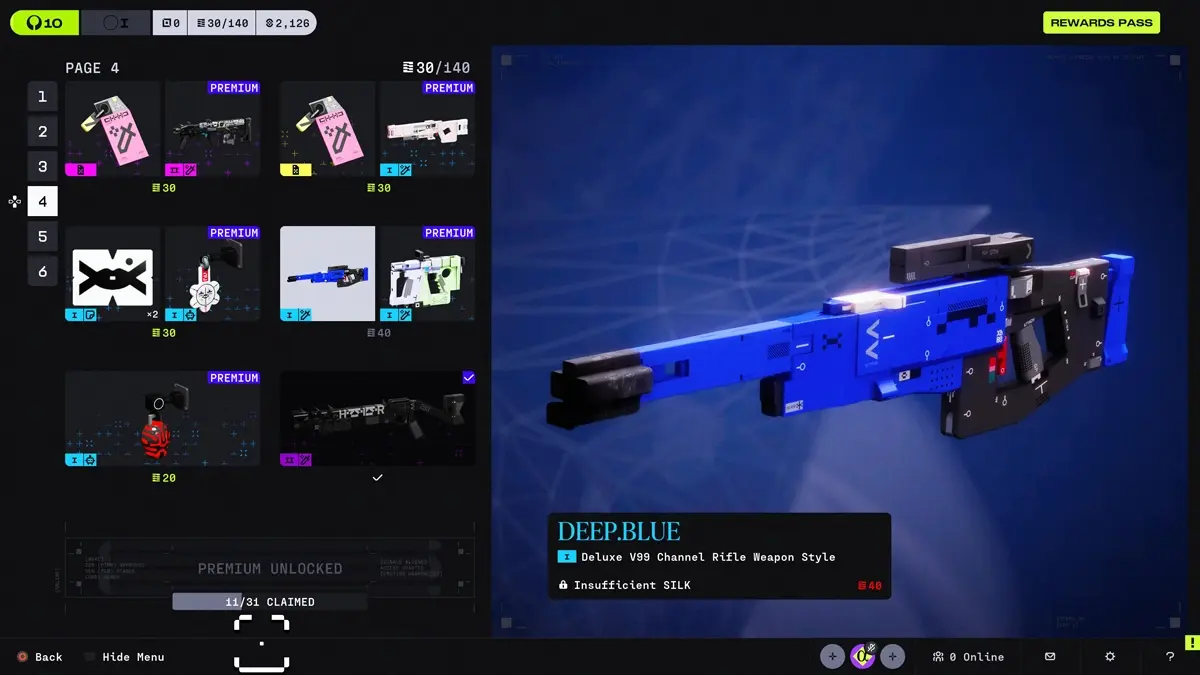
Now comes the game’s lowest point: its horrible UI. This perplexingly constricted mess of clickables, text blocks, and scrollables will greet the player at every turn, no matter what they’re trying to do in Marathon. It takes far too many clicks to even change the cosmetic on a Shell from the main menu, and even more to scroll to the item shop and start depositing new items into the player’s inventory. Factions, faction quests, and faction upgrades are all stuck behind different menus, all of which are small and difficult to read on a living room TV.
It seems to me that the game’s systems could have been presented in a less labyrinthian way for a more pleasant onboarding experience. As it stands, it took me far too long to grasp the game’s systems and terminology simply because I couldn’t stand navigating its menus. It’s certainly aesthetically pretty in a retro sort of way, but at what cost?
Verdict
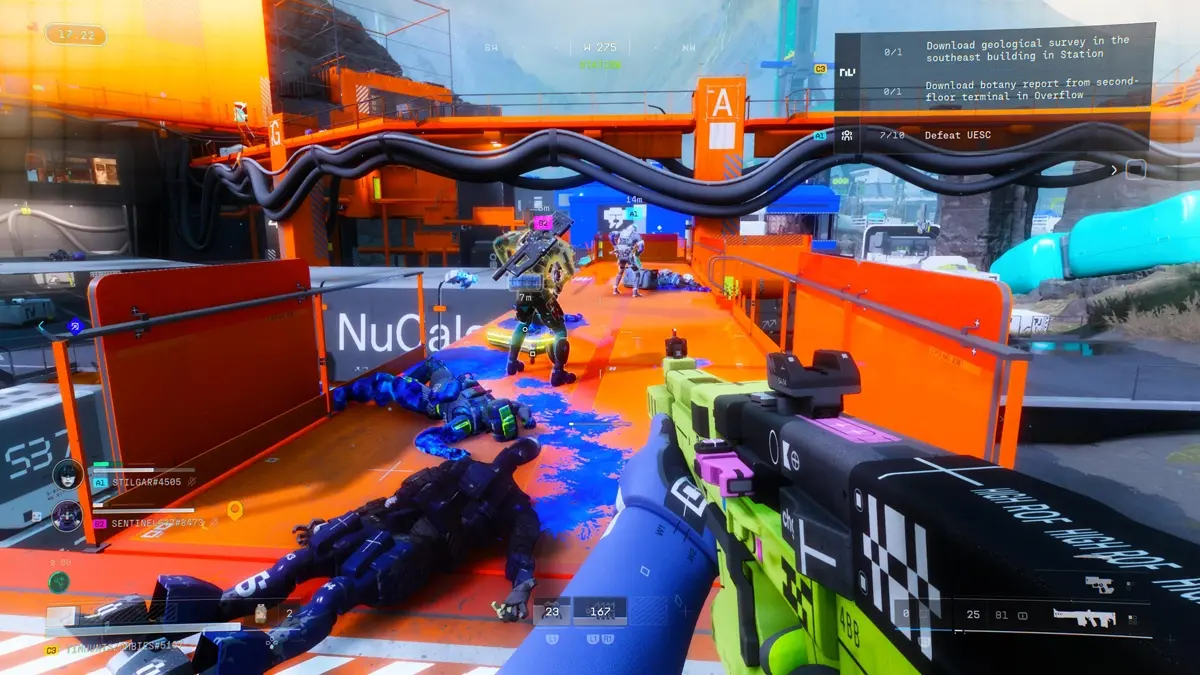
Marathon is a very well-made extraction shooter, though its more hardcore elements might be difficult for genre newcomers to digest. Its retro aesthetics are very pretty, and its gunplay is addictive and satisfying. While its existing story content simply needs more meat on its bones, what's already there is at least interesting enough for me to keep tabs on the game over the coming months, just to see what’s going on with the UESC Marathon.
Live-service video games like these typically launch in the worst state you will ever see them in. Some of my biggest issues with the game, like its boring faction contracts and horrible UI elements, will likely be addressed, if not outright mended, in the coming months. Still, Bungie has bigger worries it should pay heed to: Marathon needs more than just four maps and so few Shells for players to tinker with over the next year.
Is the developer willing to take this game as far as it took Destiny 2, and are players willing to follow it all the way there despite its niche appeal? Time will tell.
Marathon is now available on PlayStation 5, Xbox Series X|S, and PC for US$39.99. We received a copy of the game for this review.
When did Marathon come out?
Marathon launched on 5 March, 2026.
Does Marathon support solo play?
Yes, players can choose a specific playable shell named the Rook for Solo runs. The Rook will be the only
Who made Marathon?
Game developer Bungie developed and published Marathon.
Is Marathon available on PC?
Yes, Marathon is available to play on PC via Steam, PlayStation 5, and Xbox Series X|S, with full cross-play and cross-saves enabled.