Fancy a drive through the streets of Tokyo? A Tokyo... drift, if you will.
Playground Games’ Forza Horizon franchise has long carved out a distinct identity for itself as Forza Motorsport’s more carefree younger sibling. Where Forza Motorsport focused on closed tracks and realistic sim racing, Forza Horizon embraced the open-world structure with a fun, if totally unrealistic, style of racing.
Now that the Motorsport franchise has sadly been put down by Xbox, seemingly for good, Horizon is keeping the Forza engine running with a brand-new installment, Forza Horizon 6. This is a big one, taking the arcade racing series to a location long-awaited by diehard fans: Japan.
This represents a crucial opening for the franchise to pick up Initial D fans nostalgic for the days of watching insane drifts on a big boxy TV growing up. Having played quite a bit of it over the past week, I can safely say those fans won’t be let down. Forza Horizon 6 sees the franchise make its winning formula sing, with hundreds of customisable cars, gorgeous and scenic environments to explore, spectacular story events, and, of course, addictively flashy racing.
Forza Horizon 6
Release date: 19 May, 2026
Platforms: Xbox Series X|S, PC (PlayStation 5 launch TBA 2026)
Developer: Playground Games
Price: US$69.99
What is Forza Horizon 6 about?
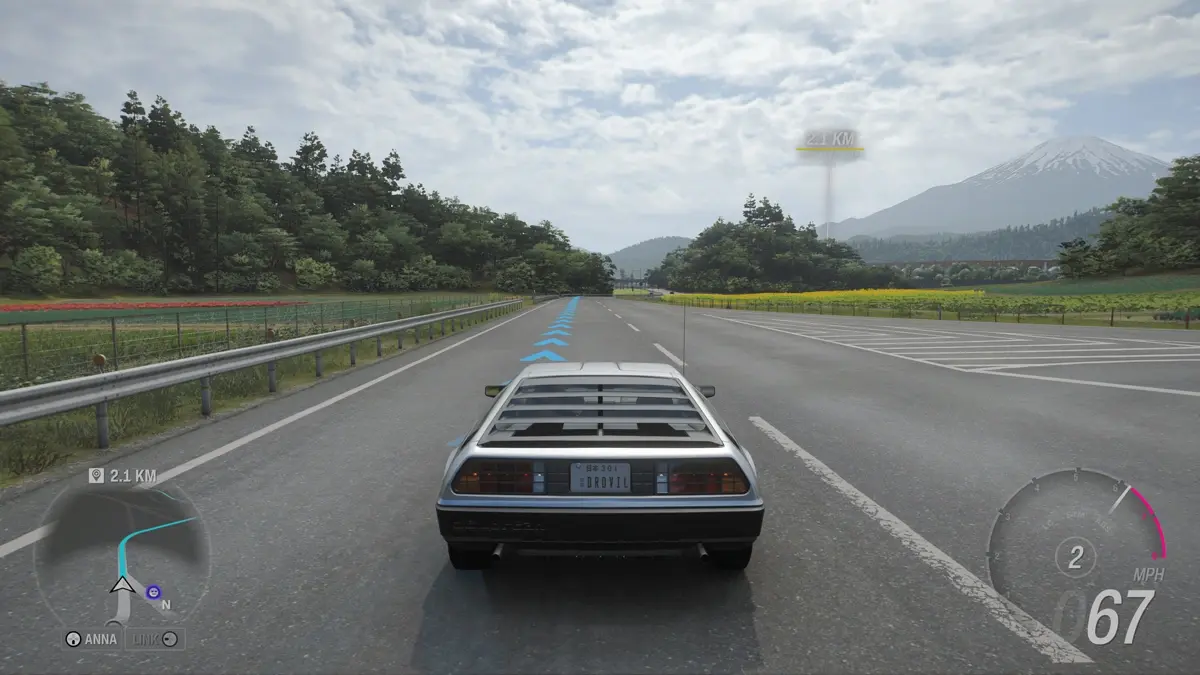
Forza Horizon 6 once again revolves around the Horizon Festival, an inexplicably bombastic event that brings the unmitigated chaos of street racing to one specific city. This year, that city is Tokyo, Japan. Players start off as newcomers in this story, who get introduced to the Horizon Festival via their friends, and must work their way upwards to unlock higher-tier wristbands.
Each new wristband will unlock better cars and more racing events, but players are given plenty of leeway in how they want to go about getting these wristbands. Several racing events of every flavour–from drag races to dirt races–will become available all over Japan, and most of them will reward the player with a certain amount of points required to unlock the next Horizon Festival event. You can only unlock more races by getting more wristbands.
This is the bulk of the story mode: grind through races to unlock the next Festival event, get a new wristband, and then unlock new races to grind through. Rinse and repeat. This cycle can get repetitive if you’re trying to mainline the game’s campaign content, which would be understandable considering that its Showcase and Rush events provide pretty major spectacle. One Showcase is an adrenaline-pumping race against a legally-distinct Gundam, while another Rush is an obstacle course underneath a soaring aircraft carrier. They're almost like bossfights, in that way.
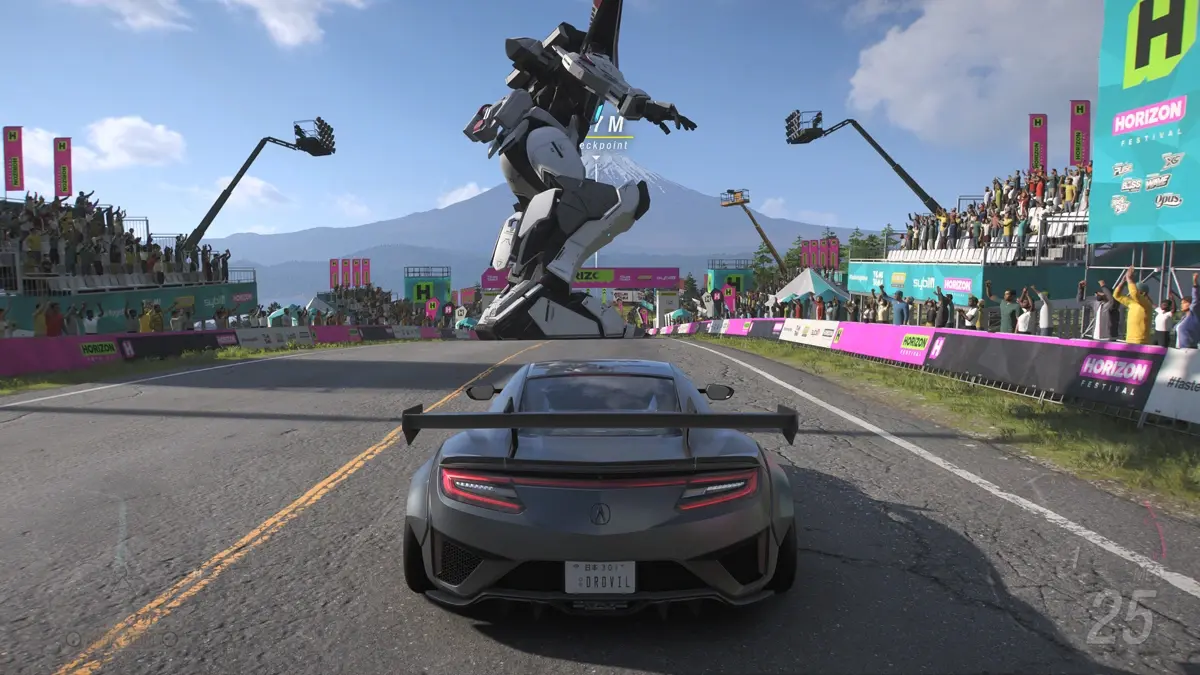
While these events are tense and exciting enough to make each Wristband feel meaningful to attain, the racing activities that must be completed in between each Festival event will quickly bog down your playthrough. It doesn’t help that the game’s actual story–involving your climb up the Horizon Festival ranks with your friends–is hopelessly boring, if not outright tedious to bear through. The game’s character customisation system also feels shockingly outdated compared to the abject photorealism it offers elsewhere. Only a limited suite of options are available to adjust its stiff character models, which then pair awkwardly with the many clothing options on offer.
The Forza Horizon franchise’s wristband collectathon campaign structure is starting to feel a little formulaic. However, it hasn’t worn thin just yet–thanks to its excellent driving gameplay and the novelty of this game’s setting.
How to progress through the Horizon Festival
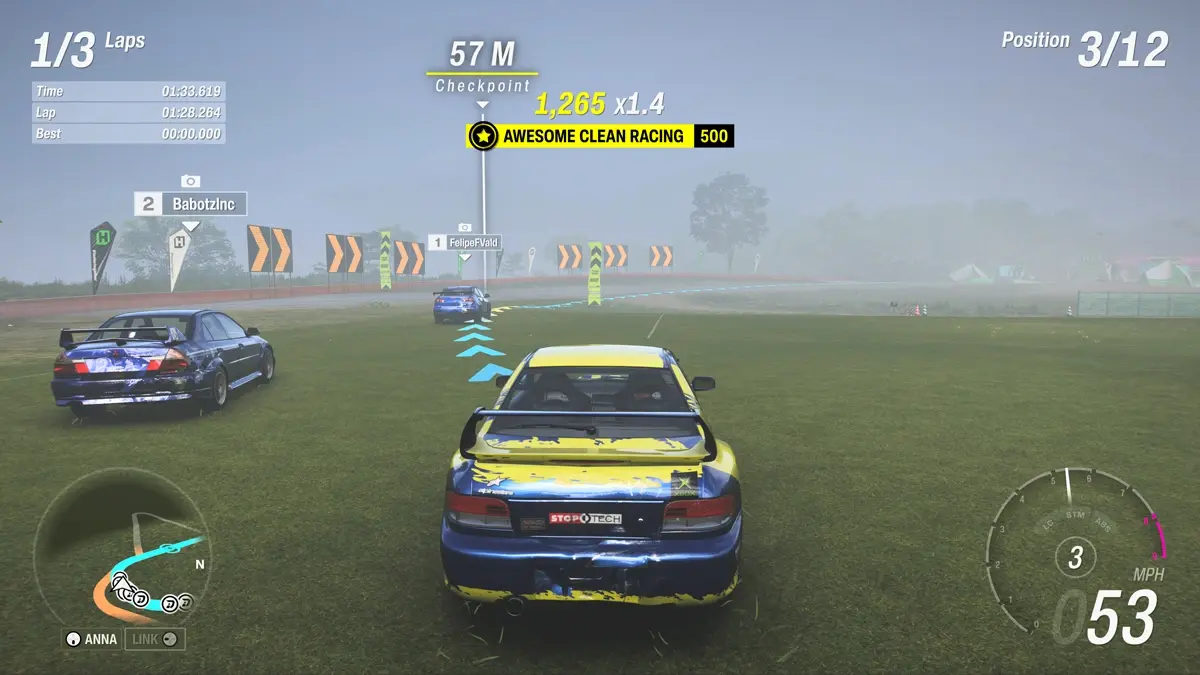
It’s worth noting that the formulaic nature of Forza Horizon 6’s campaign shouldn’t be much of an issue if you play through it in the manner it was seemingly meant for: by constantly going on touristy detours and completing side-activities, rather than sticking to the main story. In that sense, it’s an open-world game like any other.
While progressing through the Horizon Festival will be the player’s constant goal, they can also diverge from the main path and pursue Discover Japan side-activities. Here, you can collect stamps, explore smaller driving activities like PR stunts, or even go on treasure hunts to find collectible cars hidden around Japan. Exploring new parts of Japan and driving down new routes will also reward the player with stamps and XP, encouraging freedom of exploration outside of the Horizon Festival’s bounds.
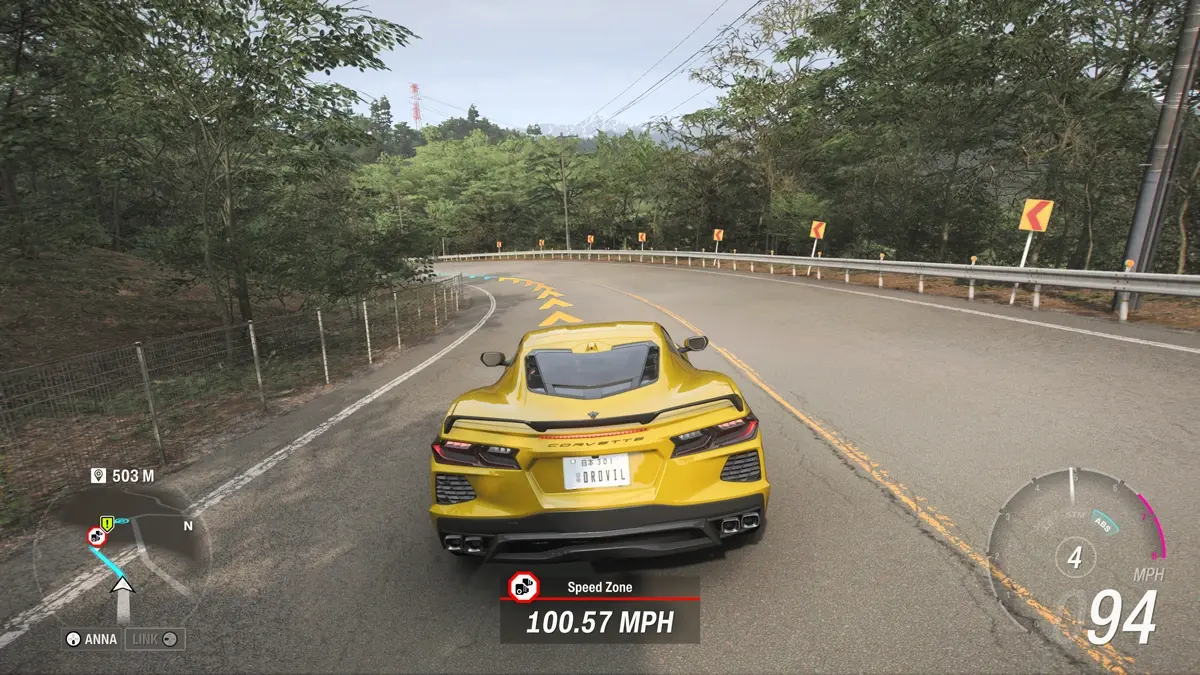
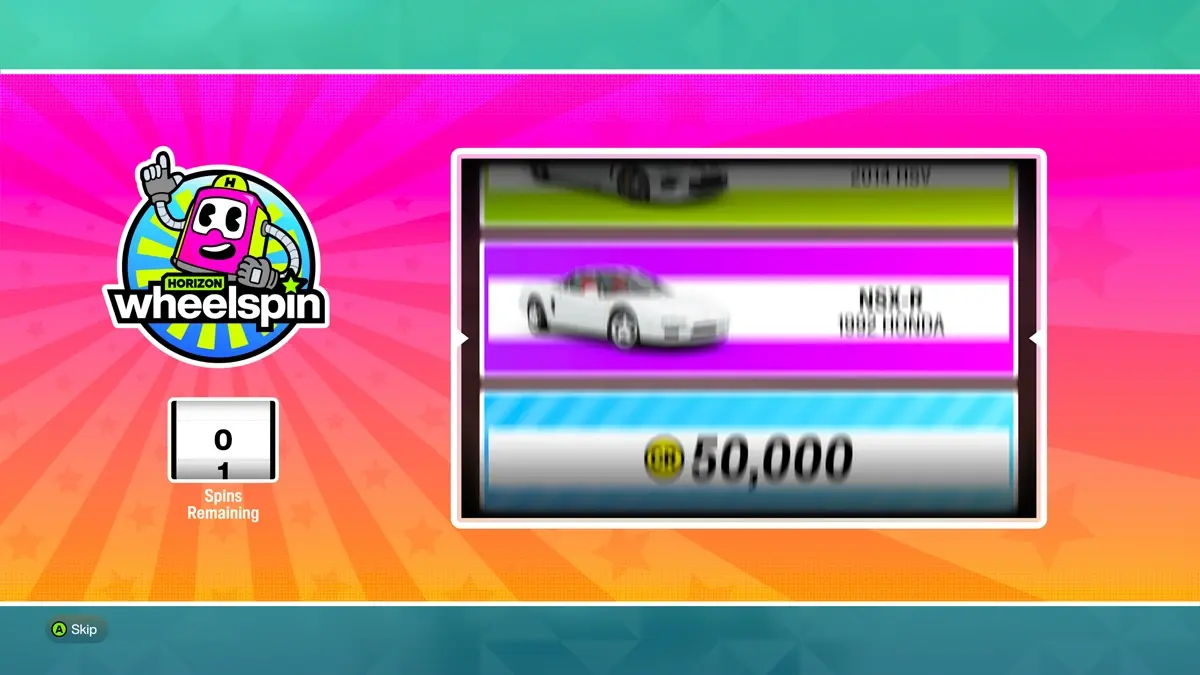
In fact, you can earn rewards by doing almost anything in this game–from driving certain cars for longer and upgrading their skill trees, to doing tricks on the road. The rewards themselves are bountiful: The slot machine-like Wheelspins and Super Wheelspins are a particularly important reward, as they can give the player plenty of money to buy cars, or straight away unlock supercars with a lucky spin.
Unlike Forza Horizon 5, however, you’ll find that new cars aren’t being thrown at you every five minutes. I found myself sticking to mostly the same cars for a bulk of the game’s first 10 hours or so, only unlocking new cars every few races, or whenever I got a lucky spin. Wheelspins seem to reward fewer cars to the player (I might have just been unlucky), and money can be slow to rack up. That alleviates concerns of the previous game's reward system, which constantly chucked more cars at the player than they knew what to do with.
How much of Japan is in Forza Horizon 6?
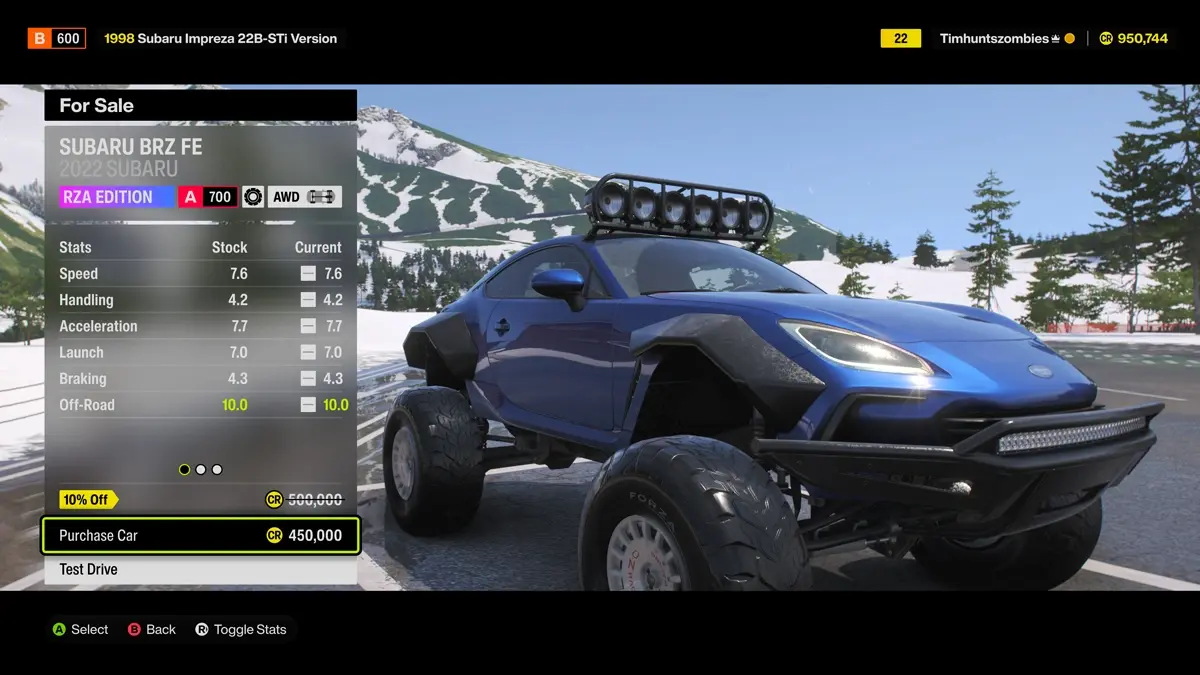
It’s safe to say that Japan is the best map this franchise has had to date. It’s absolutely massive, split into multiple regions ripe for exploration: Legend Island, Ito, Tokyo City, Minamino, Ohtani, Hokubu, Takashiro, Sotoyama, Shimanoyama, Nangan. These are mostly inspired by real-life locations, though anyone who’s travelled to them in real life might find that some of the architecture and roadwork has been slightly rearranged. Still, it’s close enough to the real thing, and deeply immersive too, so that you would hardly notice while driving around. There's room for expansion, however, as key cities like Kyoto and Osaka appear to be missing.
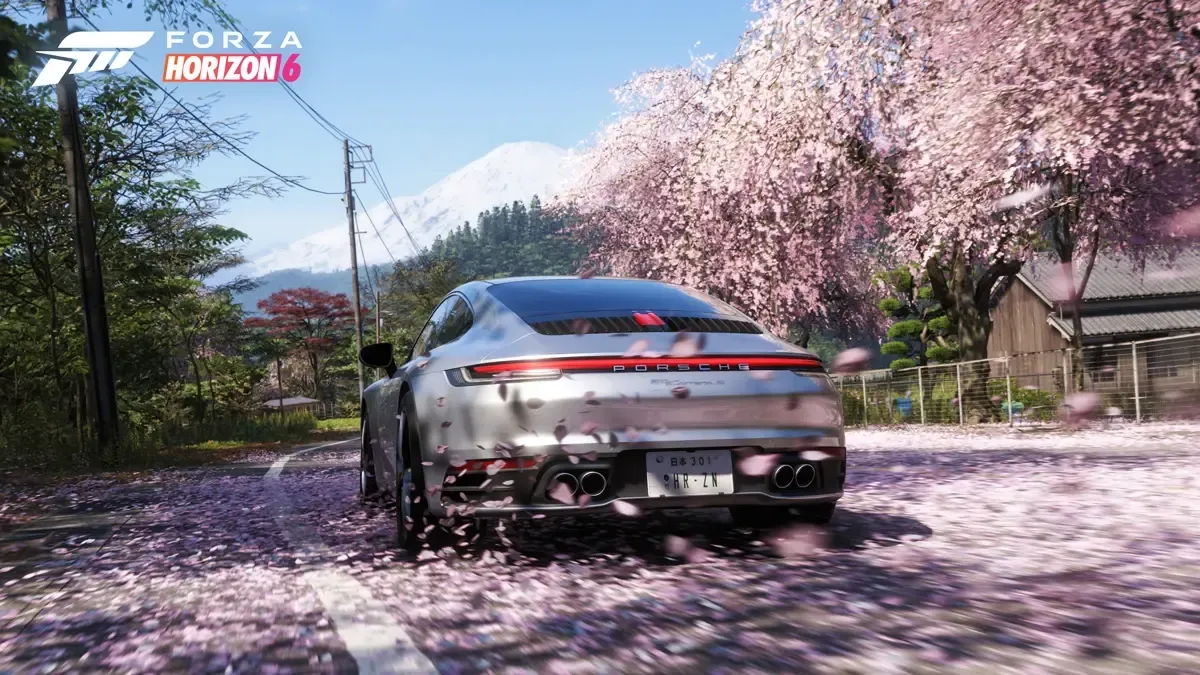
Tokyo provides a fantastic urban map, densely packed with iconic locations like Shibuya Crossing, which make for thrilling backdrops to street races and side-activities. The other regions of Japan provide a reprieve from the concrete jungle, allowing you to cruise through scenic snow-capped mountains, grassy countrysides, and rural towns. Seasons operate on an in-game timer, and constantly change how the entire map looks and feels. Through it all, Japan is brought to life in gorgeous detail here, and anyone looking forward to the long-awaited setting will not be disappointed.
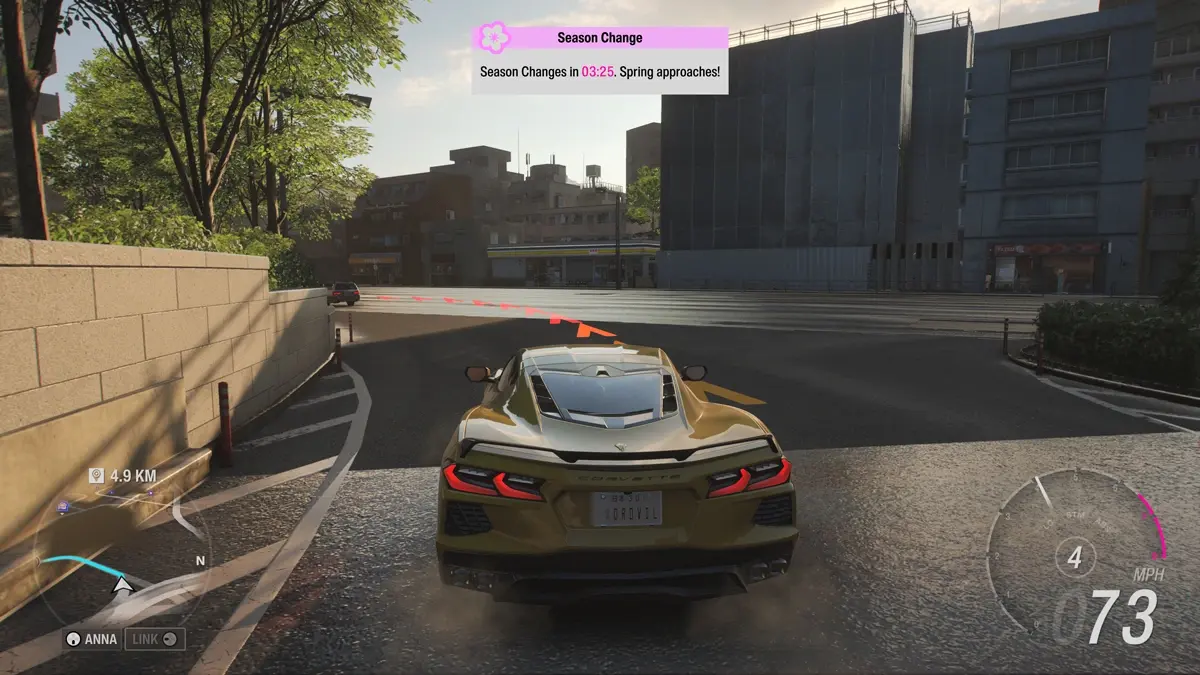
There is one caveat to this game’s impressively graphical fidelity. On Xbox Series X|S consoles, urban environments like Tokyo can look a little flat due to the lack of ray tracing. The detail is still there, and the routes are plenty enjoyable to drive through all the same, but the lighting does feel lacking on consoles. I didn’t notice any other performance issues, as the game ran smooth as butter otherwise. There’s just one instance of an icy race up the mountains, where I noticed that snow was actively growing on the road as I drove through it–as if it were coked-up foliage. That was funnier than it was annoying.
To add onto the immersive nature of its setting, Forza Horizon 6 is also one of the best-looking and sounding racing games you can play today. It’s an absolute technical achievement for Playground Games, with cars that have been brought to life with painstaking detail–they can even be “exploded” to allow players to get a better look at their inner workings. Cosmetic car customisation is also available to the most minute detail, along with gameplay-altering tuning options for racing. Driving does feel a little different here, with cars sliding around more easily, which might be an intentional move to make drifting easier across a wider assortment of cars.
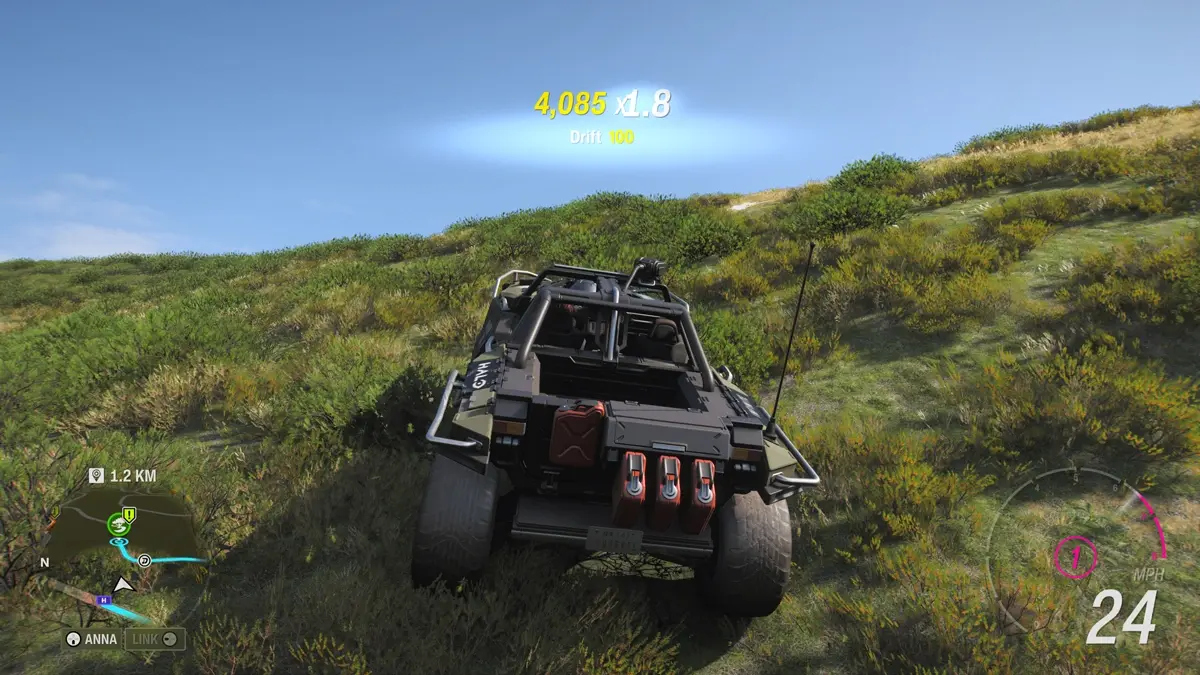
The sound design is exquisite, with cars humming and roaring depending on your vehicle of choice, and the sounds of racing becoming even more true-to-life when playing in first-person. Funnily enough, you can also unlock different horn sounds based on Xbox games–from Halo to The Outer Worlds–in the garage. You can also unlock entire vehicles based on existing Xbox IP, which is how I ended up spending most of my in-game travels in a Warthog. It controls better in Forza, I’ll tell you that much.
Forza Horizon 6 also allows you to become something of a property magnate, buying up homes all around Japan to refurbish as you wish. These houses can be customised using a base-building system similar to Starfield, with an asset editor allowing you to remove and plop in different items to create garages, nice homes, or just one big empty swathe of land with a gigantic beach ball.
It’s up to you, but this isn’t a system I particularly enjoyed messing around with. There doesn’t seem to be much of a reason to actually build up all your homes across the entire map, unless you want to bring friends over to each and every property, leaving it feeling tacked-on and largely negligible as a result.
Verdict
Forza Horizon 6 is an interesting driving-racing game hybrid. If you spend all your time in the game racing, it’s likely that you’re going to come out of the experience feeling a little burnt out. The campaign, which encourages you to grind through races to get new wristbands in half the time, might lead you astray–so it’s important to remember that beyond the fast cars and competitive races, this is still ultimately an open-world game, and games in this genre are all about finding the path less travelled.
Bringing the franchise to Japan has been a long time coming, and the game doesn’t disappoint in that regard. Exploring the entirety of Japan is a delight that is best savoured slowly, as you unlock different cars, tune them to your heart’s content, and tick off the side activities while honing your skills. The fantasy of driving and owning not just fast cars, but a variety of cars best-suited for entirely different purposes is well-realised here.
The Forza Horizon formula continues to be a winning one, and while it could use some fine-tuning for the next installment, Forza Horizon 6 proves that this franchise hasn't come close to spinning its wheels yet.
Forza Horizon 6 launches on PC, and Xbox Series X|S on 19 May, 2026 for US$59.99. We received a copy of the game for this review from Xbox.
Who made Forza Horizon 6?
Developer Playground Games made Forza Horizon 6, with assistance from Forza Motorsport developer Turn 10 Studios.
How many cars are in Forza Horizon 6?
Forza Horizon 6 has more than 550 cars at launch.
What parts of Japan can you explore in Forza Horizon 6?
Japan's C1 loop and Gingko Avenue, as well as mountain passes, such as Mt. Haruna and Bandai Azuma, are in the game. There are other iconic locations and landmarks, like Tokyo and its Shibuya Crossing, but they are largely scattered about the in-game map regions: Legend Island, Ito, Tokyo City, Minamino, Ohtani, Hokubu, Takashiro, Sotoyama, Shimanoyama, Nangan.
Does Forza Horizon 6 have multiplayer?
Yes, you can play Forza Horizon 6 either solo or in co-op multiplayer.