While Kiwami 3 can still be heaps of fun, Dark Ties is not as engaging.
If you’re about to play Yakuza Kiwami 3 + Dark Ties expecting a modernised version the exact same experience Yakuza 3 Remastered offered, you’re probably going to be disappointed. However, if you’re coming in with fresh eyes, or at least without the expectation of being served a fully faithful remake of Yakuza 3 in a new engine, the experience will be far more enjoyable.
That’s because Ryu Ga Gotoku Studio (RGG) has opted against making Yakuza Kiwami 3 a straightforward remake. Instead, it overhauls many aspects of the original game, from its maps and combat systems, to certain minigames and sub-stories.
The visual upgrade is strong, but some character redesigns don't sit right
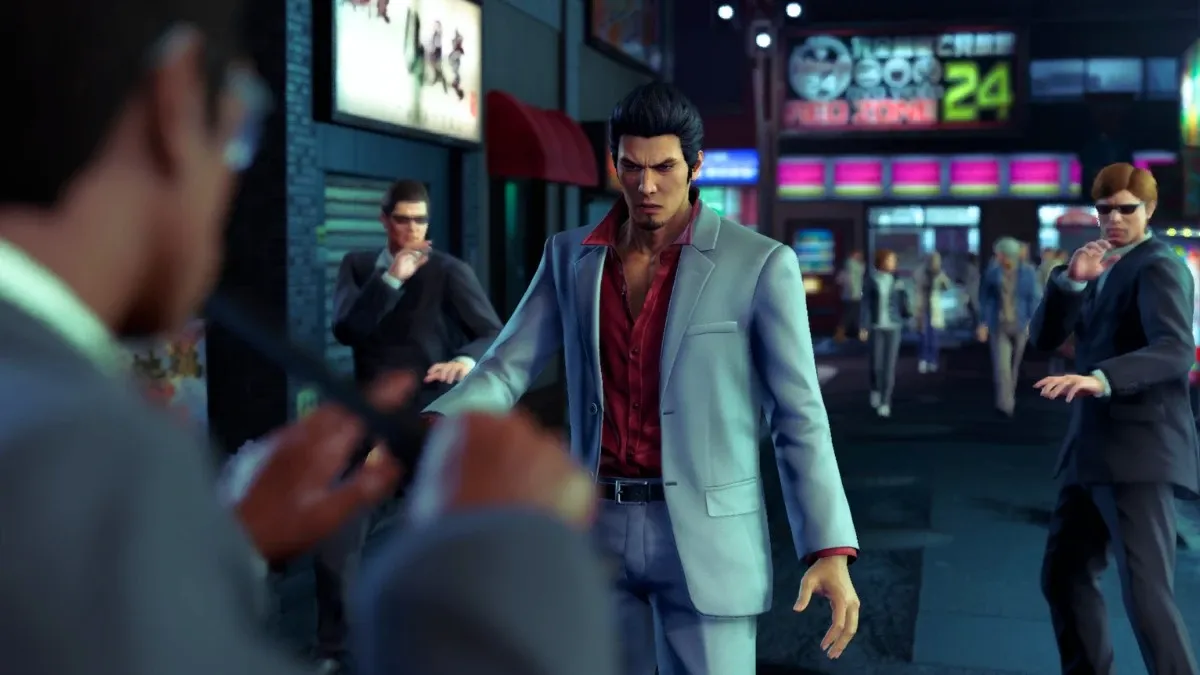
In terms of graphics and visuals, Kiwami 3 and Dark Ties received a significant upgrade, especially when compared to the remaster and even Kiwami 2. During the first few days of the playtest, there were issues with textures and lighting that made everything look flat and overly bright, but RGG addressed this through a mid-cycle patch. The update dramatically improved the overall presentation, with skin textures in particular benefiting from added detail, highlighting pores, wrinkles, and other subtle facial features.
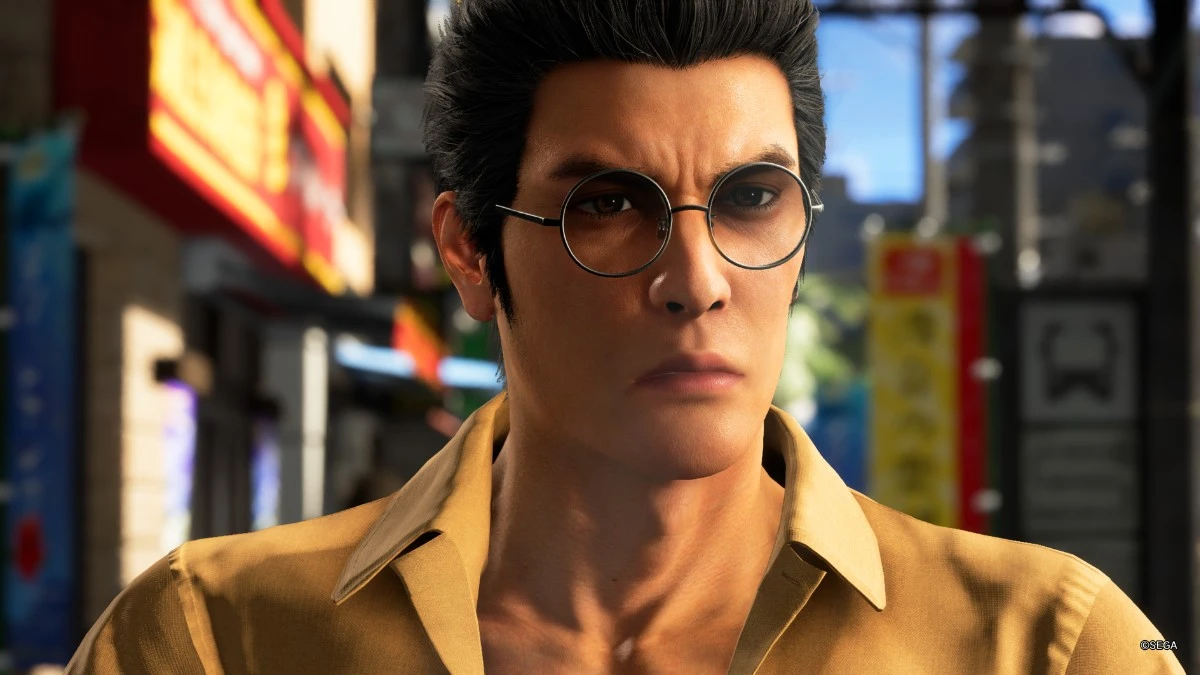
Character design is largely spot-on, with most major characters remaining faithful to their original portrayals, albeit with light touches of modernisation. However, two redesigns in particular have proven contentious: Rikiya Shimabukuro and Goh Hamazaki.
Rikiya’s updated look makes him appear more modern and more Japanese, which may feel unsettling to long-time fans. While his facial expressions are subtler, they still succeed in delivering emotional weight, provided players can move past the visual change.
The most controversial redesign, however, belongs to Goh Hamazaki, now modelled after Japanese film and kabuki actor Teruyuki Kagawa.
Kagawa’s casting has been met with significant backlash due to multiple accusations of sexual assault. One woman came forward with alleged photographic evidence, while in 2022, Kagawa admitted to and apologised for an incident of alleged sexual assault. Another accuser has since stated that she never received an apology.
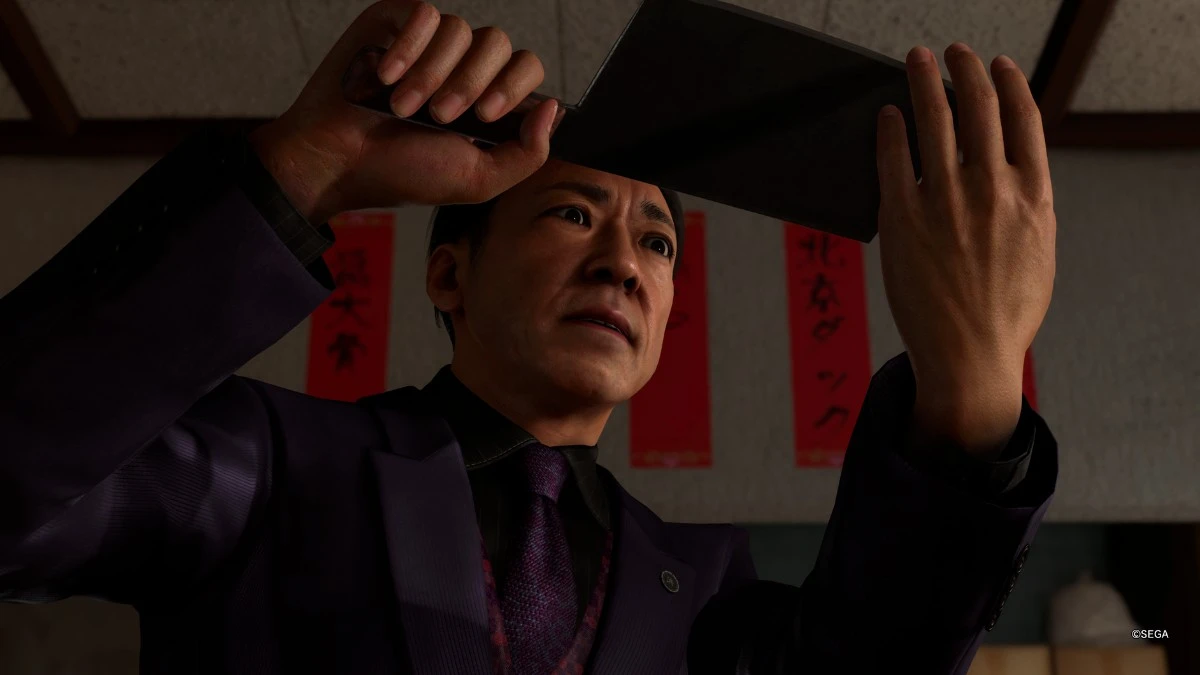
Following the announcement, fans reacted angrily across social media, pushing #REMOVEKAGAWA to trend across multiple platforms and launching a Change.org petition that has gathered nearly 10,000 signatures at the time of writing.
In an interview with Japanese outlet Game Watch last January, director Ryosuke Horii explained the decision. According to machine-translated excerpts, Horii described Hamazaki as a “tenacious, nasty, militant yakuza” who lacks the explosive force of Kanda, instead embodying something far more insidious. He stated that Kagawa was chosen specifically to bring out that ugliness, that makes you think “This guy is a creep”.
If the intention was to make Hamazaki feel like a deeply uncomfortable, creepy presence that players actively dread seeing on screen, then RGG absolutely succeeded, in a move that arguably proved to be more distracting than effective.
The environments successfully transport players back to early 2010s Japan
Kiwami 3 is clearly not a direct recreation of Yakuza 3 Remastered, and nowhere is this more apparent than in its environments. Both Kamurocho and Okinawa feel firmly grounded in the early 2010s, rather than the late 1990s aesthetic of the original.
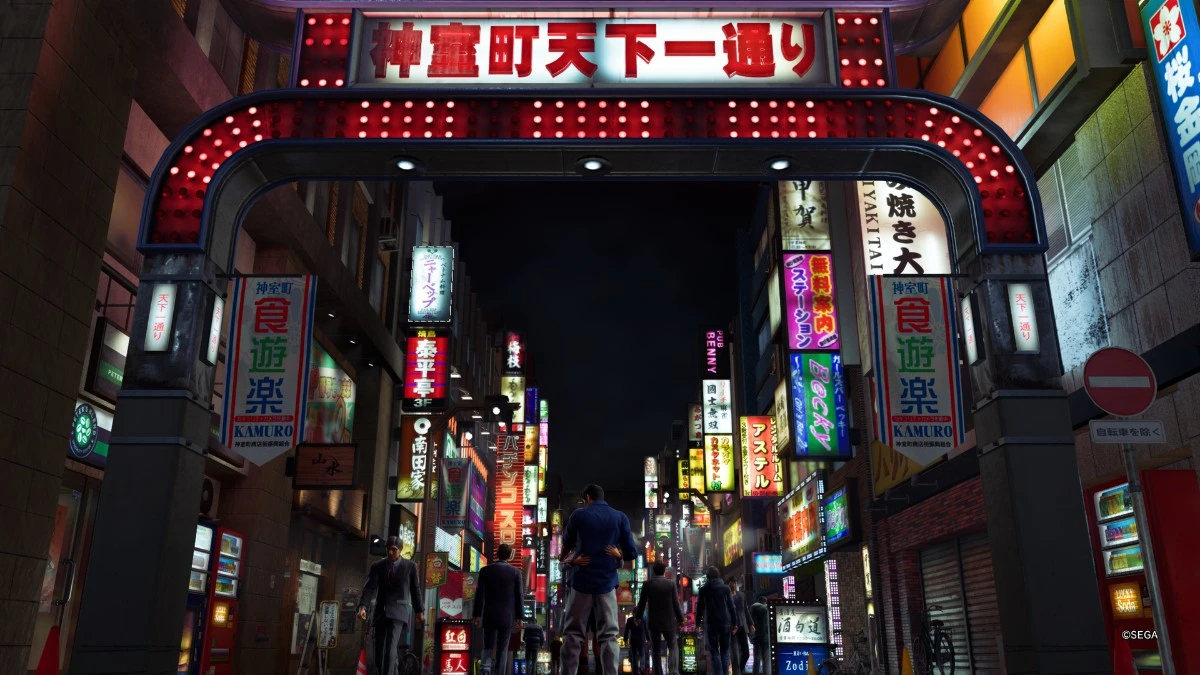
Restaurants, shop fronts, advertisements, and fashion choices all evoke the era convincingly, reminiscent of peak-era J-dramas. Hairstyles favour layered textures, while mobile phones reflect the transition period, blending flip-phone designs with early smartphone functionality.
Exploration feels smooth and well-paced, with mini-games and sub-stories integrated in a way that rarely disrupts the main narrative. One minor frustration is the sheer number of random street encounters, which can frequently interrupt progress between story beats.
Minigames are abundant and consistently enjoyable
Mini-games in Kiwami 3 are impressively varied. In fact, the selection is so broad that I spent nearly four days simply exploring Kamurocho and Okinawa, absorbed in side activities and sub-stories.
Classics such as bowling, darts, mini-golf, and batting cages are intuitive, with a forgiving learning curve. Gambling games including Mahjong, Shogi, and card games play identically to their modern Yakuza counterparts.
One nostalgic highlight is the inclusion of the Game Gear, featuring twelve classic titles from Sega and Bandai Namco. That said, a couple Sega arcade games suffer from noticeable latency issues, particularly Pac-Man and one of the Sonic entries.
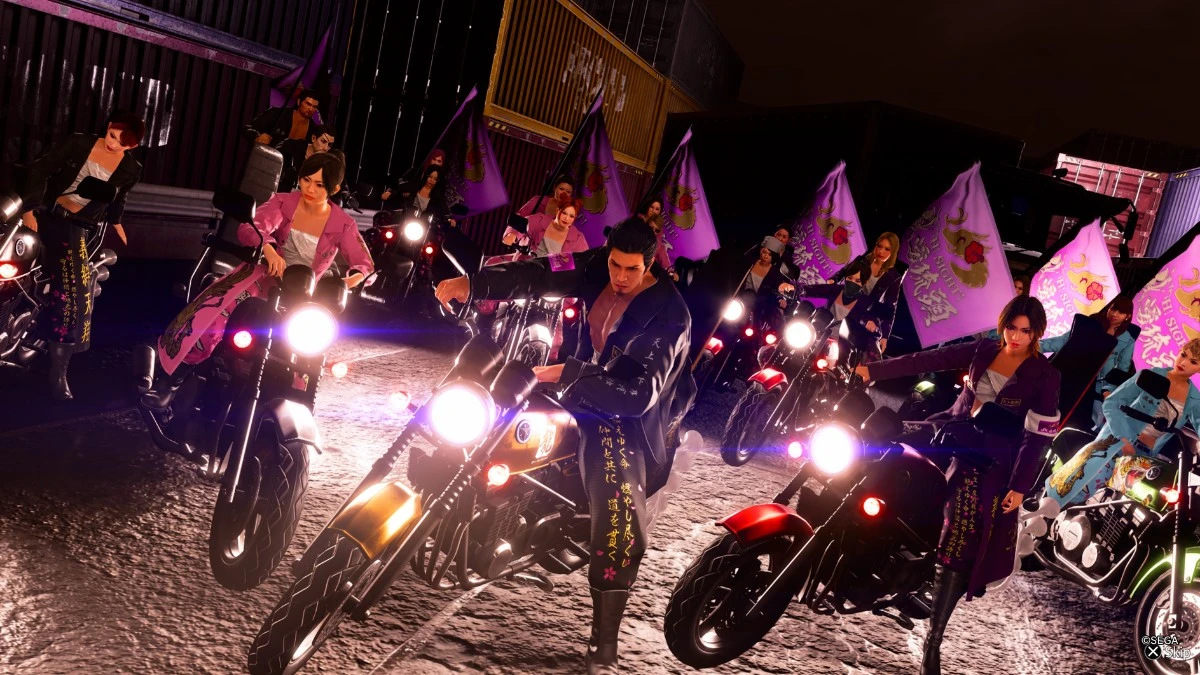
One welcome change to a minigame one centred around women: the Haisei Girls/Bad Boy Dragon. In Yakuza 3 and the remastered version, Kiryu had to recruit women for hostess clubs. However, this was replaced by a mini sub-story (with minigames) of a girl gang who aimed to become the strongest in Okinawa to protect it.
The whole thing felt familiar, like how Majima had to recruit pirates for his ship and assemble teams to go against other pirate ships in Like a Dragon: Pirate Yakuza in Hawaii. This time, when Kiryu recruits women (and sometimes men) to the gang, it’s to go against other gangs through turf wars, group encounters, and more, which all culminate in protecting Okinawa from the Tokyo Terrors.
Substories are refreshed but still engaging
Speaking of stories, most of the sub-stories from Yakuza 3 have been removed or replaced with new ones, in what has become a topic of contention among Yakuza fans who had been looking forward to this remake. While the original game’s stories didn’t revolve around a single theme, it would have been nice if RGG had retained a few of them.
That said, the Kiwami 3 substories in both Kamurocho and Okinawa are engaging, each offering interesting angles that make it easy to feel invested. In Okinawa, many of the substories focus on family, which aligns well with the game’s broader themes. There are still plenty of silly moments, but emphasising family gives Kiwami 3 a thoughtful touch that runs throughout the experience.
The Morning Glory orphanage becomes one of the game’s emotional anchors
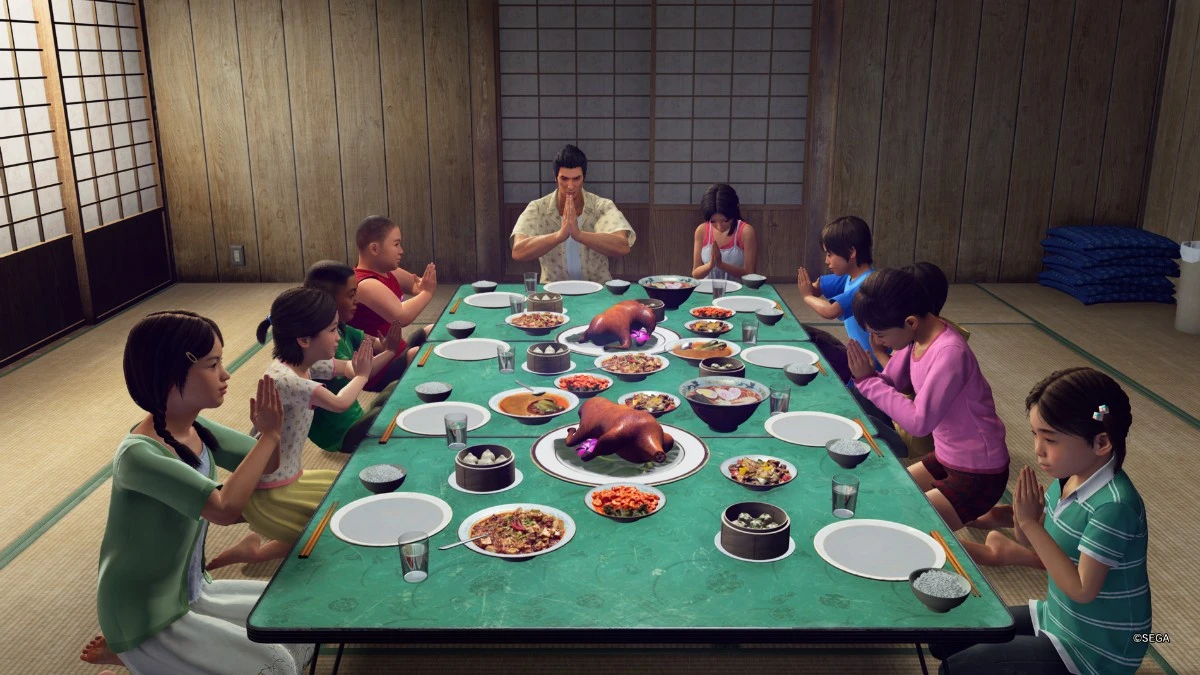
The Morning Glory orphanage is one of the game’s standout features. Rather than wandering the seaside town and chatting with residents, the focus shifts to managing the orphanage itself. This section provides a cosy, feel-good break, centred on the chores Kiryu undertakes to help his first adoptive daughter, Haruka, run the place. It often serves as a welcome breather between the game’s more intense moments.
Cooking returns once again, following the familiar style of newer Like a Dragon titles and spinoffs. Gathering ingredients naturally fits with the story, as players routinely return to the orphanage, keeping the flow smooth and organic.
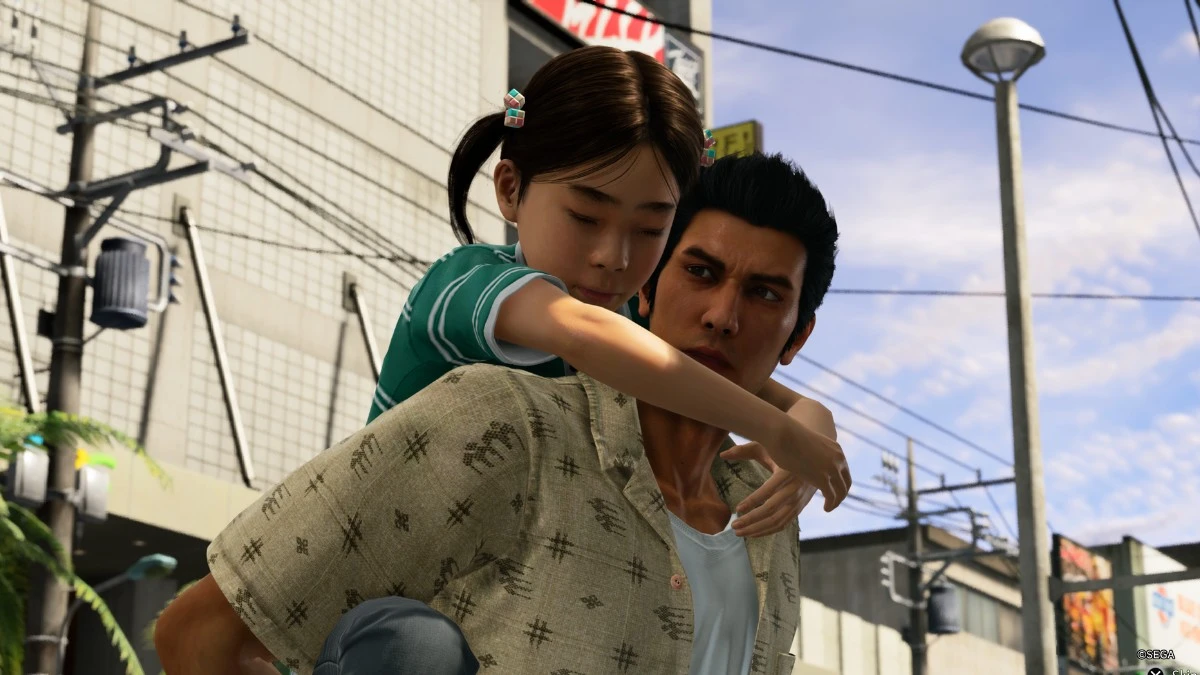
The activities don’t stop there: there’s farming, fishing, bug-catching, sewing, helping the children with homework, and even playing Reversi with each kid. While almost entirely optional, these minigames are genuinely fun, and spending time on them is highly rewarding. Beyond the gameplay, building bonds with each child reveals heartwarming stories that highlight their struggles and showcase Kiryu’s growth as a father figure.
Combat shows flashes of brilliance, but never fully realises Kiryu’s potential
Combat in Kiwami 3 is enjoyable but inconsistent. While the different fighting styles and weapon options provide variety, they feel simpler than those of characters like Majima or Mine. Training at the Okinawa dojo allows Kiryu to unlock new abilities, and working towards his final form can become an engaging side pursuit.
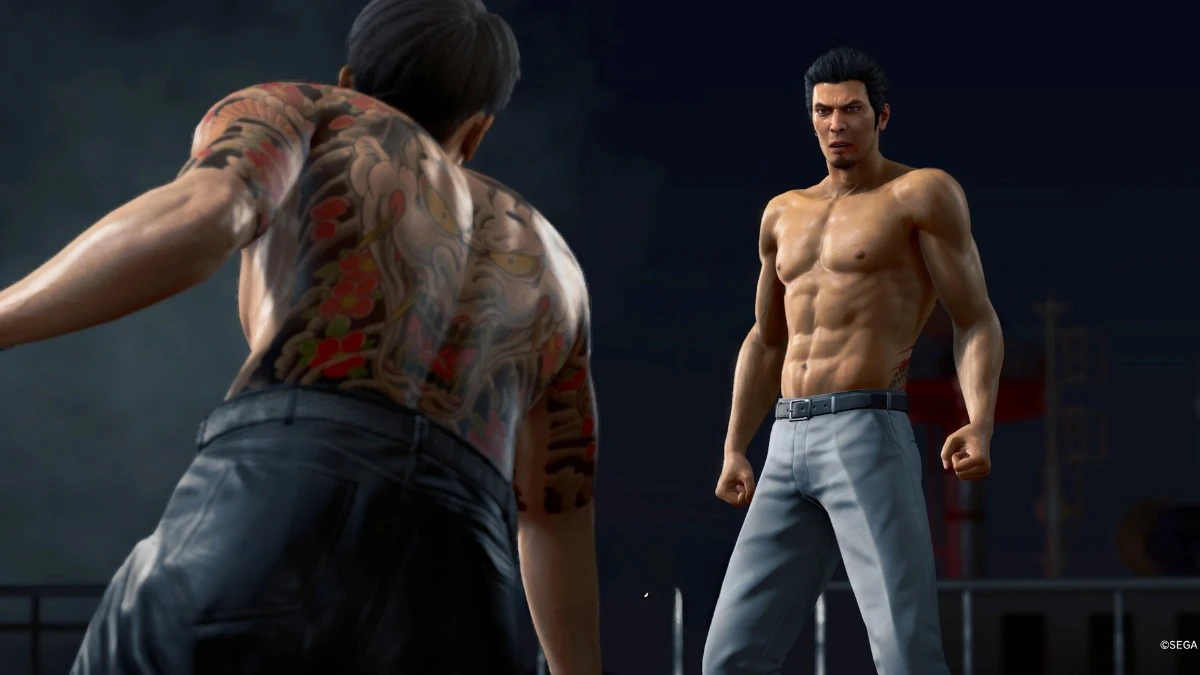
However, many moves quickly begin to feel repetitive, and the system never quite showcases Kiryu’s full potential. Given the updated engine and mechanics, combat could have been a standout feature, but instead feels like a missed opportunity.
Dark Ties attempts a darker narrative, but feels rushed and underdeveloped
Dark Ties is a smaller standalone experience focusing on Yakuza 3 antagonist Yoshitaka Mine. The premise is strong, showcasing the darker side of yakuza life, Mine’s shrewdness, and how he managed to form a bond with Daigo Dojima despite himself. However, the game feels rushed and incomplete compared to the main title.
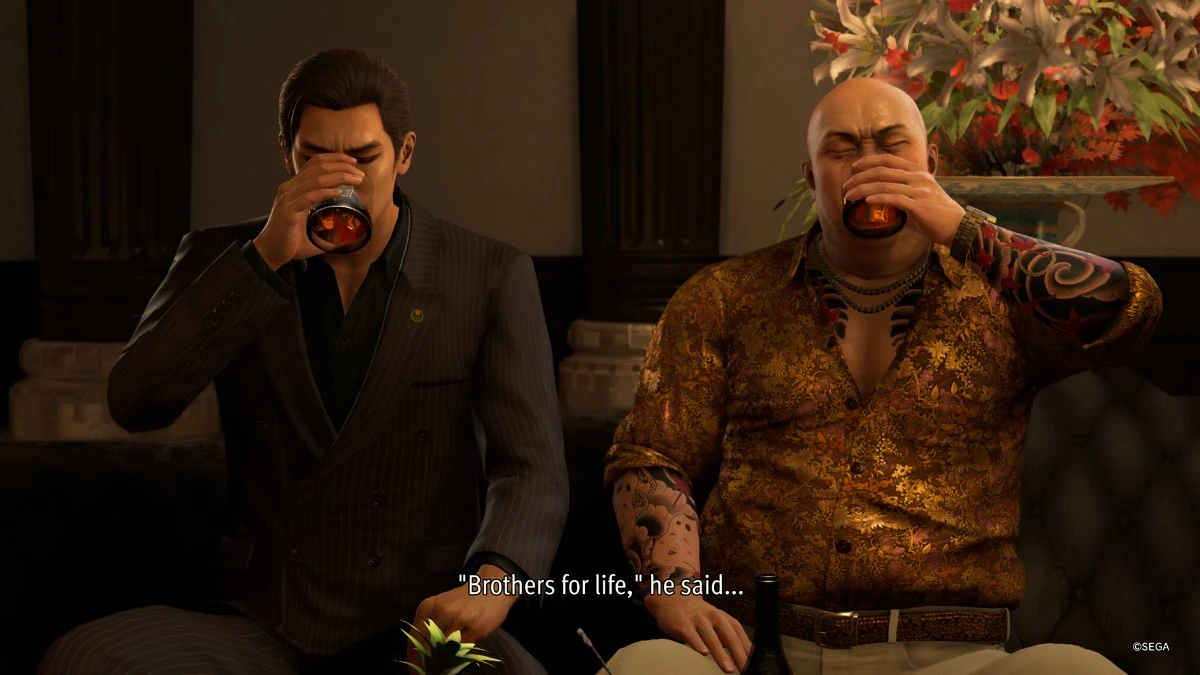
The story starts off interestingly, but being condensed into just three chapters leaves little room for depth. I had hoped for a deeper dive into Mine’s past and how he became so calculating. Instead, apart from one scene in the opening, Mine is presented as a shrewd scumbag from start to finish. While consistent with his role as the antagonist, it comes across as flat and one-dimensional, with virtually no character development. The narrative simply shows that this is a bad guy through and through. Mine has a minor change of heart, but nothing of substance comes through, because he never truly earns it.
Exploring Kamurocho is equally stifling. Even with side stories and quests, the experience feels rigid and serious. There are no costume options, no phone customisation, and this lack of freedom or side activities makes everything feel dull, grey, and task-oriented.
Progression revolves almost entirely around money, and fittingly so given Mine and Kanda’s obsession with power. Sidequests mostly involve combat or errands, like “Please buy me sake” or “I’m hungry, a sandwich would be nice,” and few of them are actually memorable. Skill upgrades are expensive and heavily tied to earning money, though completing Kanda’s Charisma Program quests and defeating street thugs helps alleviate this. Even so, these tasks remain straightforward and repetitive.
In terms of minigames, most of them remain available in Dark Ties. However, Dark Ties has two additions unique to them: Hell’s Arena and the Kanda Charsima Project.
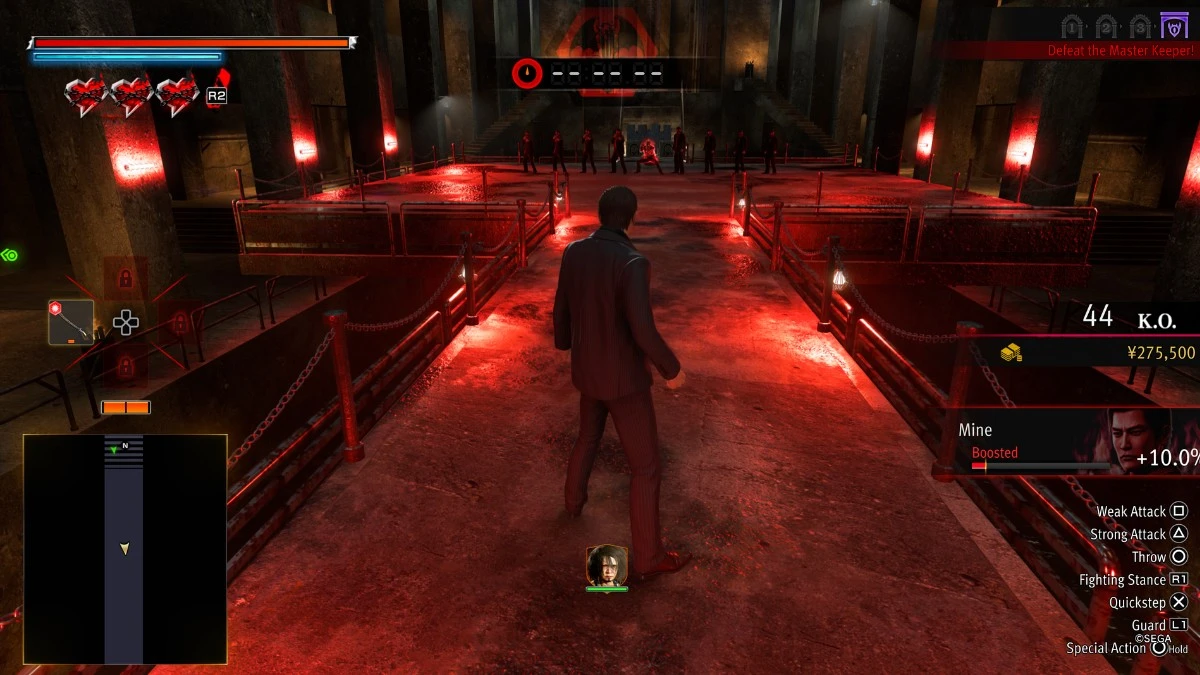
Hell’s Arena is a underground fighting ring that lets players fight to the death. Survival Hell lets you play in a maze with different phases and plenty of enemies. It’s unique to the theme of Dark Ties and can be pretty enjoyable, especially once you start adding upgrades to your mercenary and weapon list. On top of that, there’s an exit, in case you feel like you're coming close to dying, and thus losing all the winnings you’ve earned so far. There’s also Brawler Hell, which just pits you against enemies.
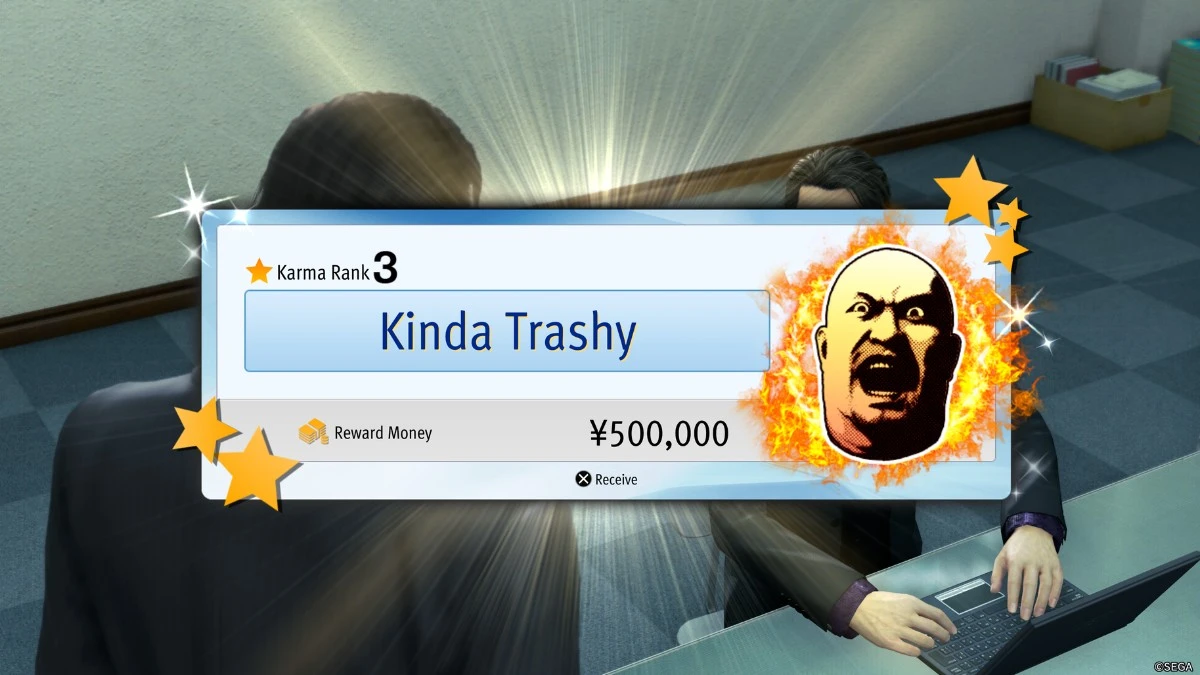
The Kanda Charisma Project has Mine do good deeds around Kamurocho in Kanda’s name and as you progress, Kanda’s reputation goes from Actual Trash to Somewhat Human and beyond, but apart from the title of each rank, the whole thing gets old because the good deeds you had to do were again, mostly just task-oriented and repetitive.
Verdict
Overall, Yakuza Kiwami 3 & Dark Ties delivers a mixed experience. Kiwami 3 remains faithful to the original story while modernising key systems, creating a nostalgic yet accessible entry point for new players. Its environmental design, expanded sub-stories, and especially the Morning Glory orphanage make the experience considerably enjoyable.
Dark Ties, however, lacks the narrative depth and emotional engagement of the main campaign. Its characters fail to resonate. The game felt like a stripped down B-version of what a normal Yakuza series would offer. It’s straightforward, cuts to the chase, and removes almost everything that makes a Yakuza game feel feature-complete. While it offers a darker perspective, it ultimately feels like a hollow companion piece rather than a fully-realised standalone title.
Yakuza Kiwami 3 & Dark Ties will launch on PC, Nintendo Switch 2, Xbox Series X|S, and PlayStation 5 for US$59.99 on 12 February, 2026. We received a copy of the game for this review. You can pick up a copy of the game on Playasia here.
Playasia also supplies official SEA-region Steam Keys for SEGA games with no hidden fees. Buyers can get cashback for every successful order, and get up to 80% off on select titles too! Check out Playasia's SEGA page here.