Gamers and PC builders might have brace themselves for this potential price hike.
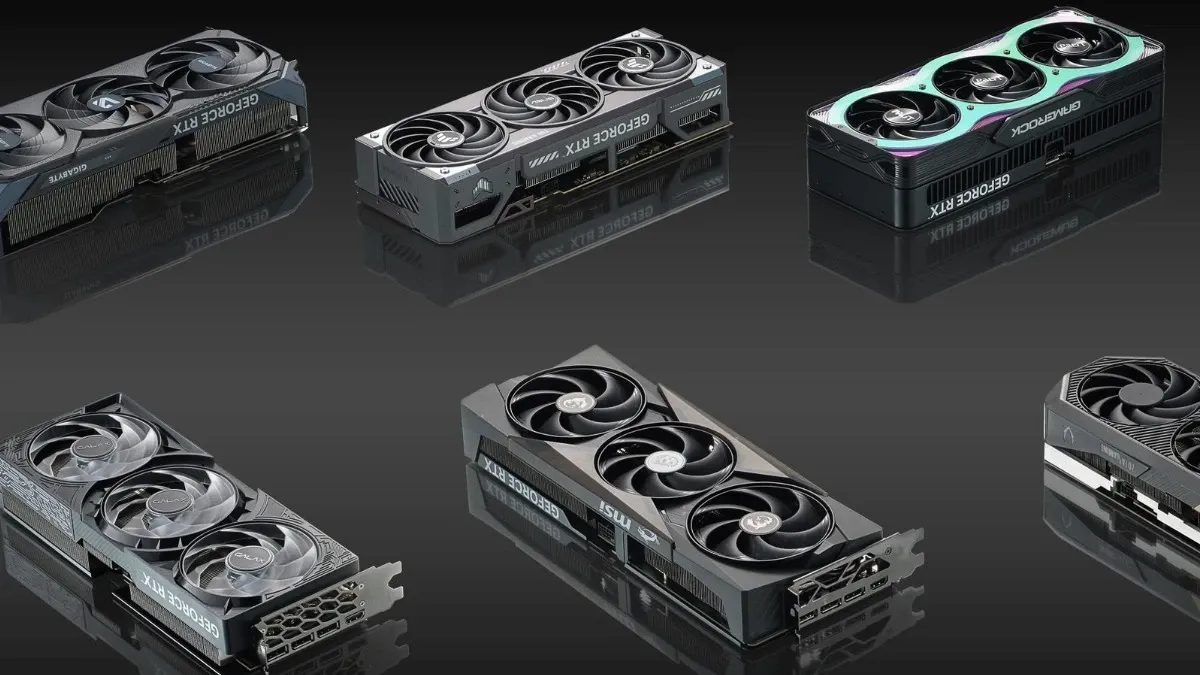
The price of gaming GPUs could soar in 2026, as NVIDIA and AMD reportedly prepare a series of significant price hikes across their consumer and AI-focused graphics cards. According to a report from South Korean outlet Newsis, high memory costs and booming AI demand are key factors behind the planned increases.
These rising costs are tied to the growing complexity of modern GPUs. NVIDIA’s next-generation GeForce RTX 50 series, unveiled at CES 2025 in Las Vegas, exemplifies this trend, with more powerful, memory-intensive designs that are likely to put additional pressure on prices. Industry sources say that both NVIDIA and AMD are planning gradual price adjustments over several months rather than a single spike, meaning GPU costs could climb steadily throughout 2026.
Rising memory prices are driving GPU costs higher for gamers and AI companies alike
Industry insiders cited by Newsis reveal that the proportion of memory in GPU manufacturing costs has recently exceeded 80%. The price of DDR5 16GB modules, a common component in consumer graphics cards, surged from US$5.50 in May to over US$20 by the end of the year. Analysts predict this trend will continue, with memory costs potentially climbing another 40% by mid-2026.
The price hikes are expected to hit high-end models first, including NVIDIA’s RTX 5090 and AMD’s Radeon RX 9000 series. The RTX 5090, initially launched at US$1,999, could approach US$5,000 later this year, according to Newsis. GPUs designed for AI data centres and servers, such as NVIDIA’s H200, are also likely to rise further, with memory-intensive configurations like six HBM3E modules contributing to the overall increase.
The demand surge is largely driven by AI companies building out data centres, which are consuming huge quantities of GPUs and high-bandwidth memory. NVIDIA’s Huang has previously noted that next-generation AI will require “100 times more" computing power than older models, while Microsoft executives have highlighted the logistical challenges of accommodating all the required hardware.
For gamers and PC builders, this means a more expensive year ahead. With consumer GPUs forming part of a broader market under pressure from AI growth, supply and demand dynamics suggest that hardware prices will continue to climb throughout 2026.