Inside Funcom’s exclusive plans for Dune: Awakening Chapter 3 and beyond to respect player time, deepen PvE, and future-proof the desert.
When Dune: Awakening launched in June 2025, it had big plans for a persistent online Arrakis, large-scale multiplayer systems, deep crafting and building, and a narrative rooted in Frank Herbert’s universe, all contained within a parallel timeline. At its peak, it sold one miillion copies in two weeks, and nearly 189,333 concurrent players were fighting, building, and surviving on the sands. Players were riding sandworms, building intricate bases, and having fun in the sands of Arrakis. And while there were some issues like PvP players bullying others in the Deep Desert, a few bugs, and other issues, player count remained steady for the first couple of months.
Six months later, the numbers tell a different story. Average concurrent players now sit between 2,000 and 8,000, and discussions around player drop-off have become increasingly frequent.
But in an exclusive interview with GosuGamers, Dune: Awakening Production Director Ole Andreas set the record straight: the community is still alive, and the game is continuing to be reshaped to fit the player needs.
From base decay and PvE progression to server migrations and long-term sustainability, Funcom is taking a hard look at what worked, what did not, and what needs to change if Arrakis is going to endure.
Players have turned Dune: Awakening into something bigger than expected
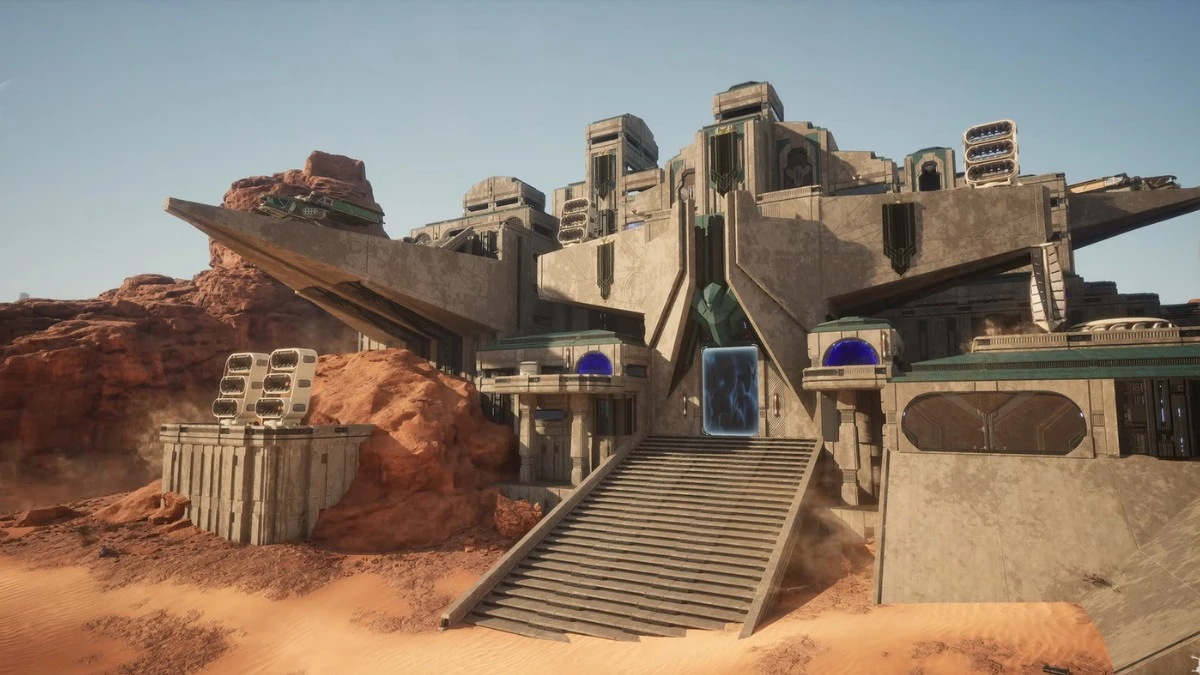
One of the team’s biggest successes, Andreas explained, was not just blending survival, RPG systems, and multiplayer, but seeing how players pushed those systems further than anticipated.
“The game stands out as a pretty unique multiplayer survival RPG,” he said. “It’s a mash-up of genres you see often, and I think the team did a really good job in pulling that off.”
What truly stood out internally was how the community began creating its own content. Deep desert death races became a recurring spectacle, with players building full tracks, racing sandbikes and treadwheels, and narrowly escaping sandworms. Elsewhere, guilds leaned into roleplay, hosting meetings inside decorated bases, planning weekly desert runs, and building social structures rooted in Dune’s lore.
“I love the aspect of people playing together and coming together,” Andreas said. “We follow that closely and look at where the game lacks, then focus on improving that experience.”
Addressing the player count drop
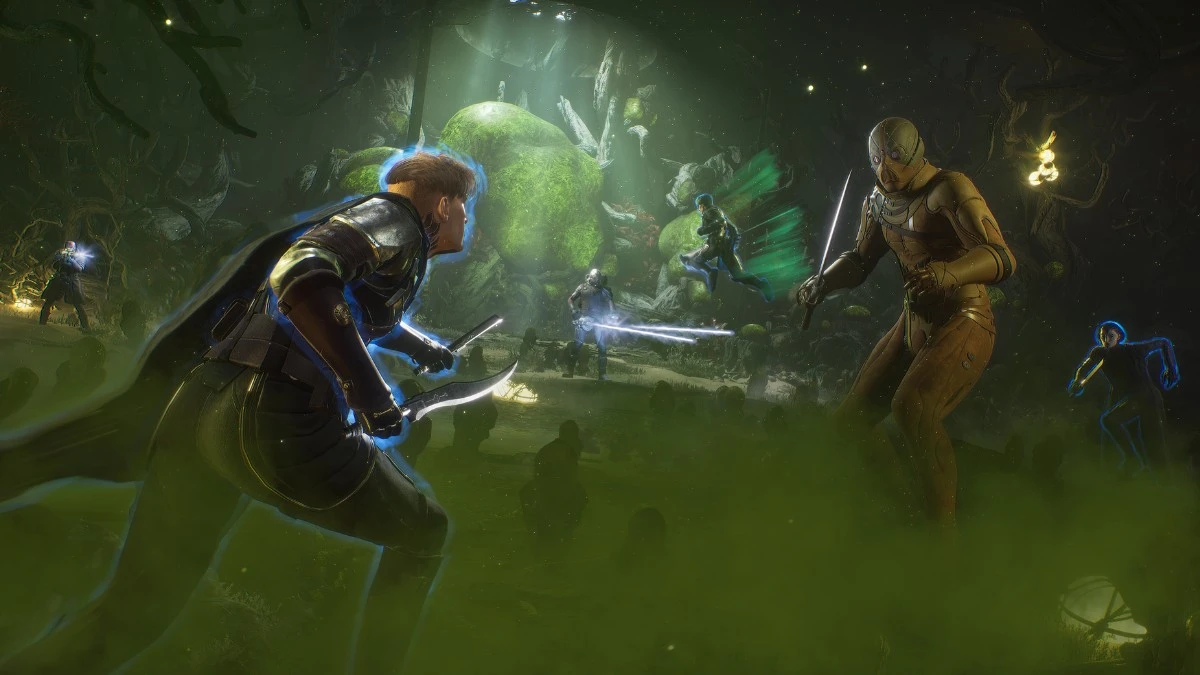
Coverage around declining player counts has not gone unnoticed at Funcom, but Andreas stressed that concurrency charts alone never tell the full story.
Internally, the team tracks where players disengage, how they interact with systems, and what they say directly through surveys. That feedback is then worked through systematically.
“We gather data on where the game is dropping off people, but also player surveys, asking what they like, what they don’t like, and what they want to see in the future,” he said. “Then we work very methodologically through those issues.”
One issue surfaced again and again, especially in Steam reviews. Players felt that the game did not respect their time.
Funcom is fixing Base Decay to allow players to take breaks
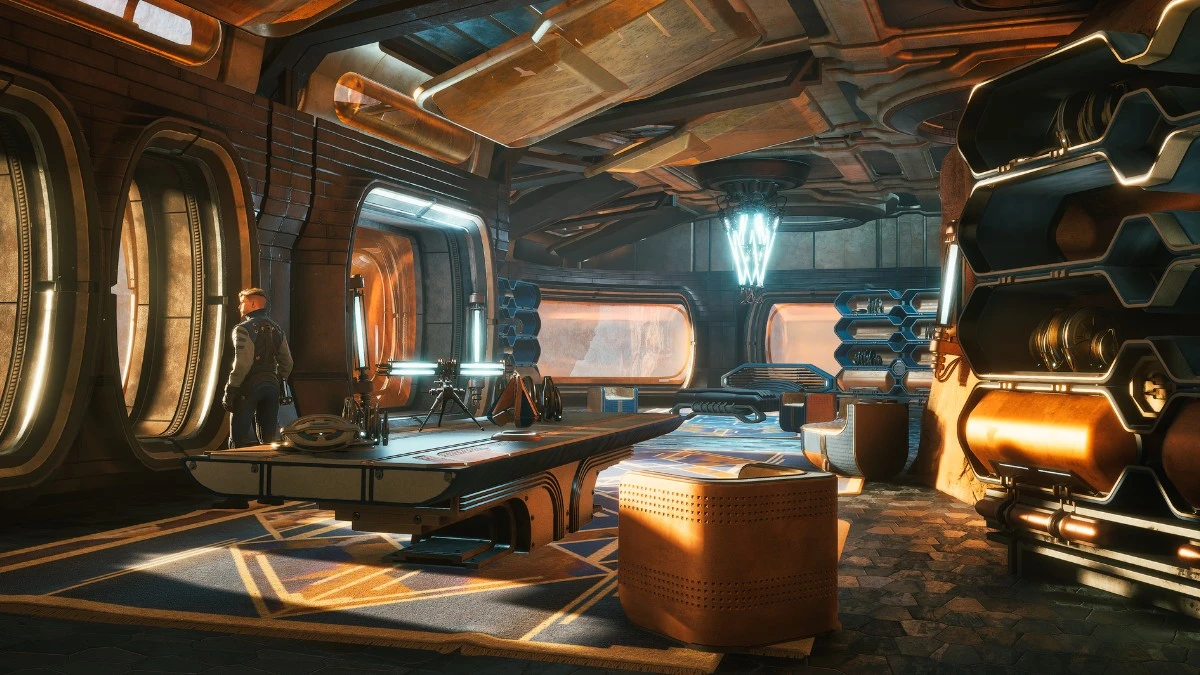
On that criticism, Andreas did not deflect. “I can kind of agree with the sentiment.” Base decay was originally designed to reinforce persistence, but in practice, it punished players for taking breaks. That fear of losing progress pushed many towards burnout rather than long-term engagement. Funcom’s December update introduces a direct response: The Base Reconstruction Tool.
This new tool allows players to instantly pack up entire bases, including inventories, crafting queues, placeables, and building pieces, into a single object. Up to three bases can be stored, letting players step away without worrying about decay. When they return, bases can be redeployed either at their original location or somewhere new. “That’s a huge part of what we’re doing to help players not be scared about their base decay and be able to take a break,” Andreas said.
Dune Awakening: Chapter 3 is about giving PvE players a real endgame
Another hard lesson from the first six months was how sharply the experience shifted once players reached the Deep Desert. “I would say the game is a fantastic PvE experience, even solo, for most of the game,” Andreas said. “Then once you reach Deep Desert, it very much didn’t give you many options except PvP.”
Chapter 3, arriving in early 2026, is built specifically to address that gap. At its centre is a revamped Lansraad system, introducing repeatable PvE missions that feed into new progression loops. Completing these missions rewards specialisation XP, which can be invested across five paths: combat, exploration, gathering, crafting, and sabotage. Each path offers deep upgrade trees, allowing PvE players to meaningfully customise their playstyle without being forced into PvP.

Funcom has also added new locations in the Overland map, with brand-new missions and unique repeatable Testing Stations. These stations escalate in difficulty and rewards, giving Tier 6 players meaningful late-game progression, while still providing opportunities for group play.
Layered on top are new boss encounters, complete with phases, difficulty scaling, and progression-based rewards. Parties are encouraged, but solo players are not locked out if they are willing to gear up and take the risk. “It’s our first proper stab at boss encounters in the game,” Andreas said.
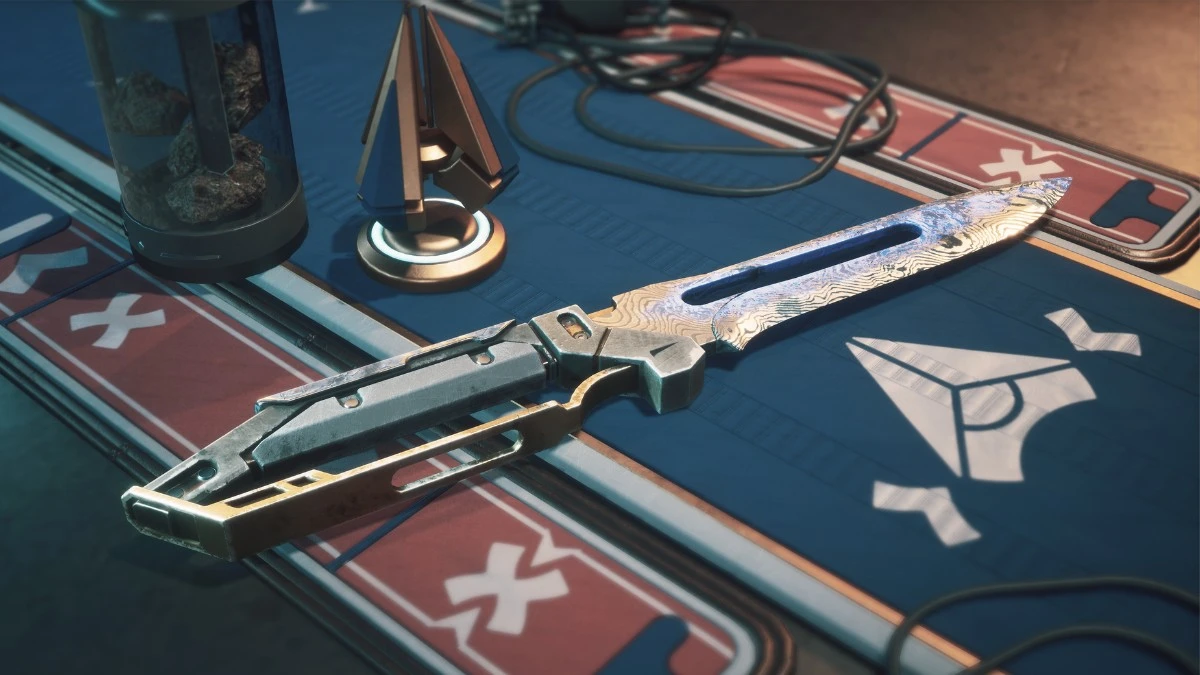
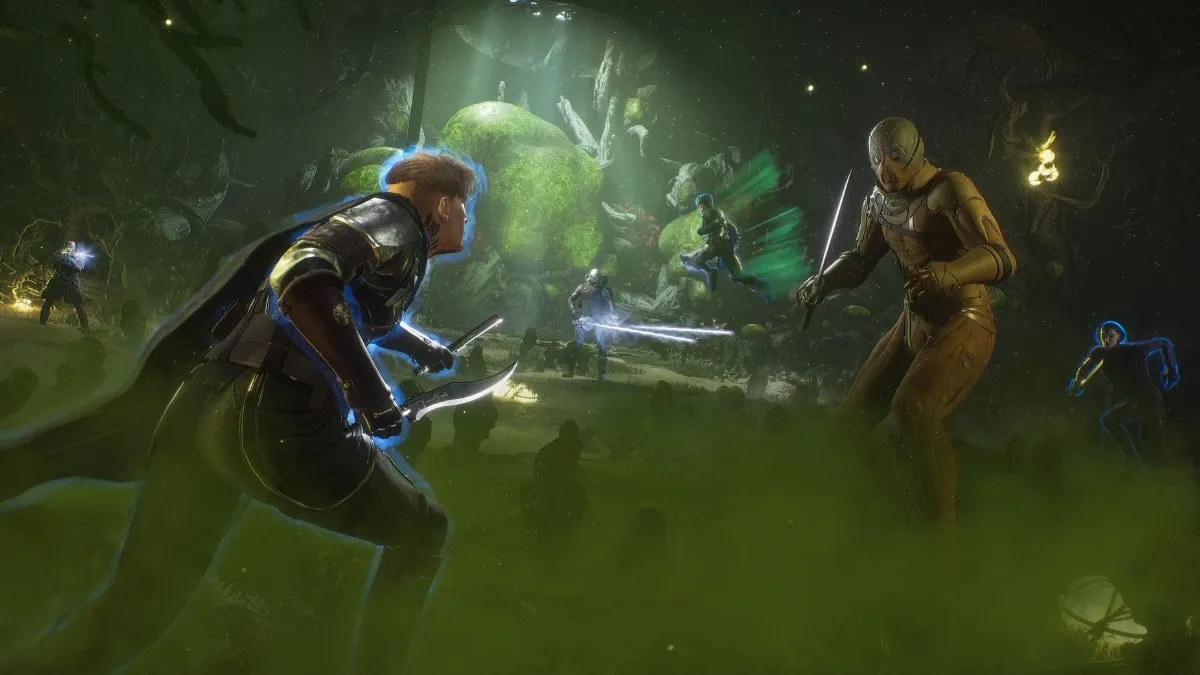
Beyond PvE loops, Chapter 3 significantly expands character progression. A new augmentation system allows weapons and armour to gain additional slots via a modding bench, enabling further stat customisation and specialisation. Faction ranks are also being extended to a new final cap, complete with additional story characters and a concluding faction mission. Combat sees several improvements as well, including the introduction of the Dual Blades, the Pyrocket, and a full Rapier rework, giving each style a distinct feel.
Chapter 3 also continues the narrative from Chapter 2, offering hours of additional story-driven survival gameplay, while giving players more tools and options in combat. The Overland map is receiving new fly-to locations, and Andreas noted, “It’s such a blast just to fight with it.”
Raiders of the Broken Lands paid DLC available with the Season Pass
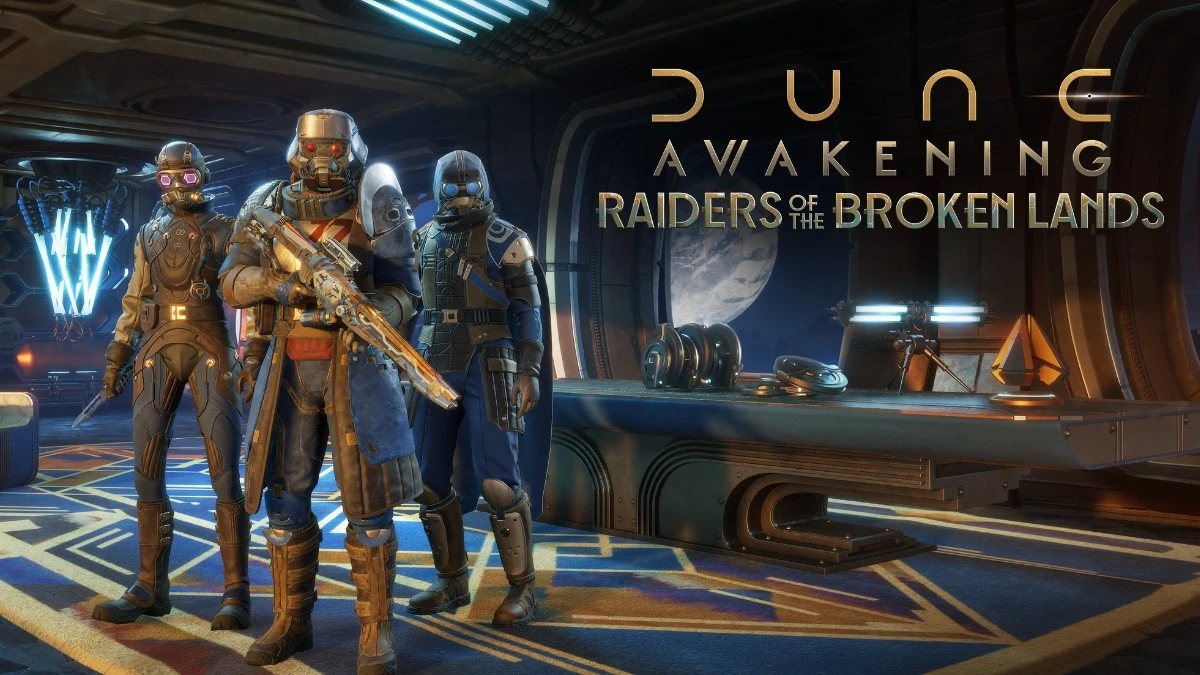
Chapter 3 will also be accompanied by a Smugglers-themed DLC, Raiders of the Broken Lands, launching alongside the free update. The expansion delivers 73 building pieces, 17 decorations inspired by the Imperium’s Smugglers, a dedicated stillsuit set, light and heavy armour, weapon variants, swatches, and emotes, addressing one of the community’s most requested additions for more ways to build and customise bases. Players can access it at no extra cost through the Season Pass.
Staying faithful to Dune while exploring a parallel timeline
Narratively, Dune: Awakening continues to draw heavily from Frank Herbert’s work while charting its own path.
“We very often go back to the source material to see how we can pull inspiration from it and build on top of that,” Andreas explained. “Because you’re always excited to go back and meet characters from the original source material.” Funcom works closely with Legendary, ensuring narrative alignment with the wider Dune universe and avoiding overlap with themes reserved for other projects.
A sneak peek at the long-term future of Dune: Awakening
Beyond Chapter 4, Andreas offered a rare glimpse at Funcom’s long-term thinking. The goal, he said, is simple in principle, but complex in execution: let players play how they want and when they want.
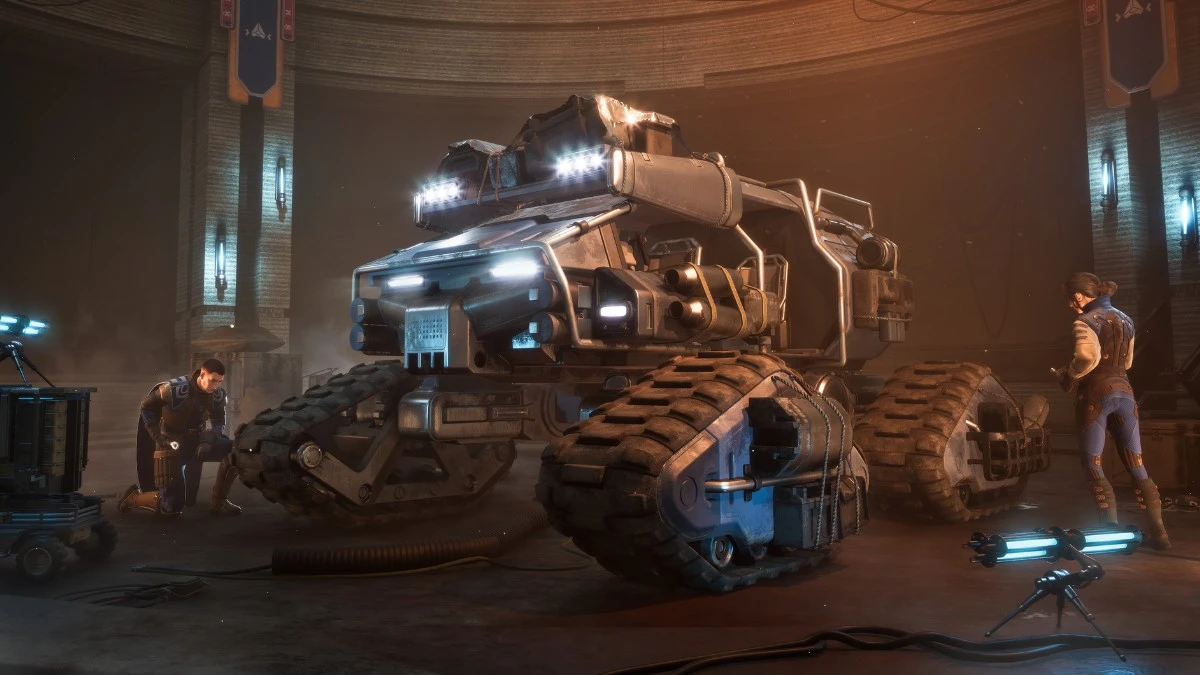
That philosophy underpins upcoming character transfers, launching before Christmas, which will allow players to move between worlds to join friends or find more active servers. In 2026, this expands into full server migration systems, where flagged servers approaching shutdown will allow seamless transfers. Bases, vehicles, and progression will be automatically backed up and moved, even for players who return late, thanks to preserved databases.
Looking further ahead, Funcom is exploring alternative ways to host and play Dune: Awakening, including options not tied to official servers, such as single-player or co-op experiences. “We are fully dedicated to make sure that the players are getting the tools to play the game,” Andreas added.
Arrakis is still evolving
Dune: Awakening may no longer command the staggering numbers it did at launch, but Funcom is not chasing a reset or a rebrand. Instead, it is committing to keeping its current players happy, welcoming back older players, and inviting new ones to join the adventure through flexibility, deeper PvE systems, and long-term stability that respects player time.
Because on Arrakis, survival has never been about speed. It has always been about adaptation, a phase Dune: Awakening is now stepping into with Chapter 3.
Dune: Awakening Chapter 3 will be free available to players for free, and the Raiders of the Broken Lands DLC can be purchased for US$9.99 or as part of the Season Pass (US$24.99).
Players can also take advantage of the Steam Winter Sale, with Dune: Awakening available at 35% off, the highest discount the game has seen since launch, making it an ideal moment to join Arrakis ahead of Chapter 3 and the Raiders of the Broken Lands DLC.