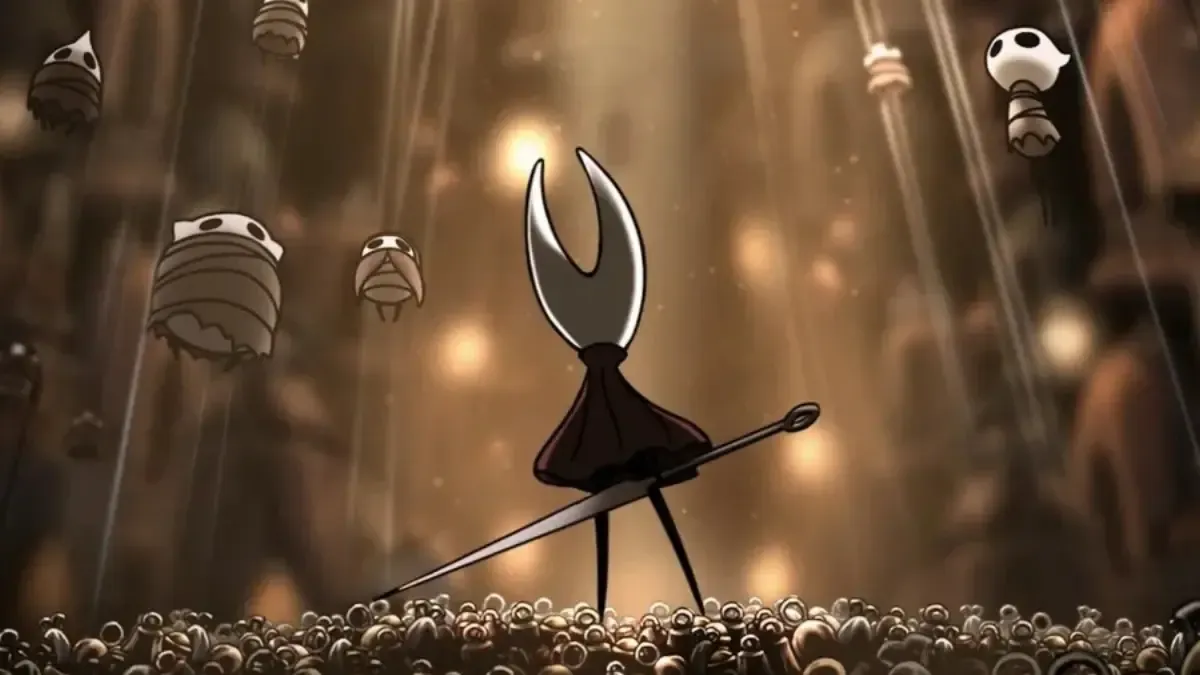
If Silksong has you hooked on challenging platforming and atmospheric worlds, these seven Metroidvanias will keep the adventure going.
The Hollow Knight: Silksong hype is far from over, especially since it’s just been released and people are already talking about its memorable characters, beautiful graphics, and lovely music. Of course, a major topic of discussion has also been just how difficult the game is in some areas. But there’s no denying the game is enjoyable for most, and if you’re starting to see the joy of platforming Metroidvanias, there’s a whole world of other games in the genre that offer different takes and levels of difficulty.
So if you’re enjoying Silksong so far and wanting some more, here are seven games you should definitely check out.
Nine Sols
Nine Sols pops off the screen with a colourful, beautiful hand-painted East Asian artstyle, blending serene pagodas with grim cybernetic factories lurking just beneath the surface.
At the heart of it all is Yi, a stoic little white-furred warrior with an oversized blade and an even bigger score to settle. His journey across New Kunlun isn’t just about unseating its nine rulers; rather, it’s about surviving a world that constantly swings from charming to nightmarish.
One moment you’re chatting with colourful characters in tranquil sanctuaries, the next you’re navigating industrial deathtraps or facing down towering mechanical beasts.
Combat ties it all together, turning every fight into a dance of timing and precision. Yi’s parries, slashes, talismans, and explosive finishers flow together in a rhythm that is as punishing as it is exhilarating. New abilities steadily open up more of the map, layering traversal into the challenge with wall jumps, air dashes, and the ever-satisfying Tai Chi kick. Exploration feels alive. Every zone hiding secrets, upgrades, and gauntlets that test both nerves and reflexes.
Nine Sols thrives in this balance: beautiful yet brutal, playful yet uncompromising, always pushing you forward with the promise that your next hard-won victory will feel unforgettable.
Ori and the Blind Forest, and Ori and the Will of the Wisps
Both Ori games are among the most beautiful and touching titles in the genre. The art style in each game is enchanting, with environments that are a constant delight to look at. Coupled with Gareth Coker’s moving score, the experience sets the stage for epic, emotional storytelling that has the power to move hearts and even draw a few tears.
At first glance, the games might seem like relaxing platformers, where players simply strike down a few mobs and journey through breathtaking landscapes in the pursuit of reuniting with loved ones. Yet, both titles reveal themselves to be far more challenging than they initially appear; particularly the second game, Ori and the Will of the Wisps.
That said, the Ori series still makes for a great entry point for those new to the genre. Each game introduces quick-fire tutorials whenever a new skill is acquired, ensuring players grasp the basics. But that’s where the handholding ends, as the journey quickly fills with unforgiving areas and many tense, frustrating escape sequences. In the second game, I remember spending an entire night (or even two) just trying to get through a single escape sequence. Yet, it’s exactly this balance that makes Ori so good; it remains accessible to newcomers while offering enough challenge to keep veterans fully engaged.
For many Metroidvania titles, finishing the final boss and completing the game can feel like a hard-won accomplishment. With Ori and the Blind Forest and Ori and the Will of the Wisps, however, the feeling goes beyond triumph. The ending carries a bittersweet weight, like saying goodbye to something so enjoyable and beautiful that you can’t help but wish there was more of it.
Animal Well
Animal Well’s platforming may not seem as punishing as Silksong or many other games in the genre (though it’s no cakewalk either). But once you’ve found your footing, the real game begins–a labyrinth of obscure puzzles scattered across its world, daring you to dig deeper.
Animal Well drops you into its strange underground world with almost no explanation–you’re just a blob waking up in a flower bud, left to puzzle out the rules for yourself. There’s no combat and little in the way of platforming gauntlets, but what it lacks in traditional challenge, it makes up for with layers of secrets and ingenious puzzles. Every screen hides something, whether it’s a hidden passage, a quirky tool like a frisbee or slinky, or an encounter with a bizarre creature that begs experimentation. The joy comes from testing ideas: throwing firecrackers at a ghost, sending a bubble wand floating skyward, or using tools in surprising combinations, and finding the world responds in clever, consistent ways. Exploration is wide open, each flame-guarded zone offering its own tricks and items, and the game never punishes you for wandering off course.
What makes Animal Well shine is how obsessively crafted every inch of its map feels, wrapped in lush pixel art and eerie, ambient soundscapes. Light, colour, and physics don't just provide aesthetic value; they’re clues, teasing you toward discoveries both big and small.
Tension builds not through combat, but through encounters with looming threats you can only outwit or escape, turning each close call into a victory that feels just as satisfying as a boss fight. Even after the credits, the well keeps pulling you back with mysteries stacked inside mysteries, a rabbit hole of secrets that rewards curiosity with genuine awe. It’s a Metroidvania that trades sword fights for brain-bending puzzles, and in doing so creates something unforgettable: a dense and playful labyrinth where every solved riddle sparks the thrill of uncovering ten more.
Laika: Aged Through Blood
Laika: Aged Through Blood puts the metroidvania genre in the fast lane, strapping you to a motorbike and sending you wheel-to-wheel with death across a shattered wasteland. Every flip, wheelie, and ramp jump is high-octane combat in motion, with reloading tied to mid-air stunts and survival balanced on the throttle. You’ll crash and burn often, but generous checkpoints and forgiving resource recovery mean you’re never left idling for long. Between its slick handling, striking hand-painted landscapes, and ruthless firefights, Laika keeps the engine revving and never stalls out.
What really shifts Laika into overdrive is the story under the hood. Playing as a coyote mother burdened with immortality, you’re constantly forced to steer between protecting your daughter, supporting your village, and skidding back into a cycle of violence. Beícoli’s mournful soundtrack fuels the ride with haunting ballads, while side quests and family ties add horsepower to the emotional stakes. With unforgettable bosses, daring level design, and a narrative that keeps the pedal to the metal, Laika: Aged Through Blood is a ride-or-die journey that leaves you gunning for the finish line.
BioGun
At first, I thought BioGun from indie studio Dapper Dog Digital was just another flashy Metroidvania. But once I picked it up, I realised that this wasn’t a run-of-the-mill dungeon crawl, but a whole new breed.
You’re not storming castles or saving kingdoms; you’re a bacon-infused “smart vaccine” injected into a scientist’s beloved dog. From one organ to the next, you chase down the Duper Virus in a vibrant twin-stick shooter that feels more Metroid than Castlevania. Exploration comes first, blasting enemies is constant, and upgrades keep piling up as you sniff out every corner of this biological playground.
The premise is as odd as it is paws-itively charming. The organs are colourful, lively, and full of surprises, from stranded “feepups” waiting to be rescued, to side quests that raise more questions than answers. And while you’re busy saving good boys and girls from a pet-demic, the game smooths over the rougher parts of the genre with thoughtful touches: closer checkpoints, multiple retries, and even an enzyme mechanic that gives you a quick burst of power when you fall.
It’s silly, smart, and surprisingly satisfying; the kind of game that fetches the best parts of a Metroidvania and leaves out the unnecessary bite.
Rusted Moss
Rusted Moss may not have the flashiest visuals or the most sweeping soundtrack, but it carves out its own space as a sharp, underrated Metroidvania. The cast is witty, sarcastic, and often darker than you’d expect, but the real star is the grappling hook–a tricky, momentum-based tool that blends twin-stick shooting with freeform platforming. It turns traversal into a mix of geometry, timing, and improvisation, making every swing feel like a small puzzle of its own. The exaggerated physics take some getting used to, yet they strike a balance between forgiving and demanding, encouraging players to experiment and find their own rhythm.
Add in the promise of multiple endings and a story that constantly makes you question who’s really the hero or villain, and Rusted Moss pulls you in deeper than you’d expect. The grappling hook might get you moving, but it’s the twists in the plot that keep you hooked all the way through.
Ender Magnolia: Bloom in Mist
Ender Magnolia: Bloom in Mist, the sequel to Ender Lilies, feels like stepping into a playable anime, complete with emotional arcs and dramatic battles. You play as Lilac, an Attuner who purifies rogue Homunculi and turns them into allies, with each boss fight unfolding like an episode cliffhanger that expands your cast. The world itself is a glow-up from Ender Lilies’ gothic shadows, now painted with vibrant watercolour backdrops and paired with a soundtrack that lingers like an anime ending theme, equal parts haunting and beautiful.
Combat is fluid and strategic, with Lilac directing her Homunculi in battle, each bringing unique abilities that range from icy blasts to protective shields. Dodging and timing still take practice, but once it clicks, fights unfold like orchestrated battle scenes. Beyond the story and action, Ender Magnolia also improves on its predecessor with a clearer, more intuitive map and additional difficulty options that boost its replayability. This game gets you invested in its world and story effortlessly.