The latest Steam restrictions have left fans with plenty of questions about the upcoming game.
Marvel Tōkon: Fighting Souls is still a month away from launch, but players across 132 countries have already been locked out of buying the game on Steam.
The upcoming tag-team fighting game from Arc System Works and PlayStation cannot be activated or purchased across a long list of regions, including the Philippines, Egypt, Serbia, Morocco and Zimbabwe, according to its SteamDB package restrictions.
Neither Sony Interactive Entertainment nor Arc System Works have explained why the restrictions are in place. However, all 132 affected regions are countries where the PlayStation Network is unavailable, which has led some to speculate that Sony's PlayStation Network policies is the likely reason players are once again being blocked from accessing one of its PC releases.
The timing has only made the situation stranger. Marvel Tōkon: Fighting Souls is set to launch on 6 August, 2026, while Morocco, one of the countries affected by the restrictions, is also set to host an EVO event in 2027.
MARVEL Tōkon: Fighting Souls
Release Date: 6 August, 2026
Platforms: PlayStation 5, PC
Developers: Arc System Works
Why is Marvel Tōkon: Fighting Souls blocked in 132 countries?
The reason behind the restrictions has not been officially confirmed. However, the list of affected regions has quickly drawn attention to PSN, which is unavailable across the countries where Marvel Tōkon: Fighting Souls is currently blocked from purchase and activation.
That has left players questioning why a PlayStation Network requirement could be involved at all, particularly after Sony moved away from mandatory PSN account linking for several of its PC games.
There is also some confusion over how the restriction is currently being applied. Unlike previous PlayStation releases affected by PSN availability, some players in blocked countries can apparently still access the Marvel Tōkon: Fighting Souls Steam page, and may even be able to purchase the game.
Which countries is Marvel Tōkon: Fighting Souls blocked in?
The 132 affected countries and territories listed for the game's Steam package are:
- Afghanistan
- Albania
- Algeria
- Angola
- Antarctica
- Antigua and Barbuda
- Armenia
- Azerbaijan
- Bahamas
- Bangladesh
- Barbados
- Belarus
- Belize
- Benin
- Bhutan
- Bosnia and Herzegovina
- Botswana
- Brunei Darussalam
- Burkina Faso
- Burundi
- Cabo Verde
- Cambodia
- Cameroon
- Central African Republic
- Chad
- Comoros
- Congo
- Cuba
- Côte d'Ivoire
- Democratic Republic of the Congo
- Djibouti
- Dominica
- Dominican Republic
- Egypt
- Equatorial Guinea
- Eritrea
- Estonia
- Eswatini
- Ethiopia
- Federated States of Micronesia
- Fiji
- Gabon
- Gambia
- Georgia
- Ghana
- Grenada
- Guinea
- Guinea-Bissau
- Guyana
- Haiti
- Holy See (Vatican City State)
- Iran
- Iraq
- Jamaica
- Jordan
- Kazakhstan
- Kenya
- Kiribati
- Kyrgyzstan
- Laos
- Latvia
- Lesotho
- Liberia
- Libya
- Lithuania
- Madagascar
- Malawi
- Maldives
- Mali
- Marshall Islands
- Mauritania
- Mauritius
- Moldova
- Monaco
- Mongolia
- Montenegro
- Morocco
- Mozambique
- Myanmar
- Namibia
- Nauru
- Nepal
- Niger
- Nigeria
- North Korea
- North Macedonia
- Pakistan
- Palau
- Papua New Guinea
- Philippines
- Rwanda
- Saint Kitts and Nevis
- Saint Lucia
- Saint Martin
- Saint Vincent and the Grenadines
- Samoa
- San Marino
- Sao Tome and Principe
- Senegal
- Serbia
- Seychelles
- Sierra Leone
- Solomon Islands
- Somalia
- South Sudan
- Sri Lanka
- State of Palestine
- Sudan
- Suriname
- Syria
- Tajikistan
- Tanzania
- Timor-Leste
- Togo
- Tonga
- Trinidad and Tobago
- Tunisia
- Turkmenistan
- Tuvalu
- Uganda
- United States Minor Outlying Islands
- Uzbekistan
- Vanuatu
- Venezuela
- Viet Nam
- Western Sahara
- Yemen
- Zambia
- Zimbabwe
The SteamDB listing also shows three struck-through unknown country codes, which are not included as named countries above.
What are players saying about the Marvel Tōkon restrictions?
The lack of an explanation has left players trying to make sense of how the restrictions are actually working. As one player on Steam explained it: "This is weird. When PSN was mandatory I couldn't access the store page of the game. I couldn't access or buy God of War Ragnarok and Spider-Man 2. Once the PSN stopped being mandatory then I could buy those games. How come this game store isn't invisible [to me in this country] and how come I can purchase this game?"
The apparent restrictions have also raised a much bigger problem for the competitive fighting game scene, particularly with Marvel Tōkon: Fighting Souls expected to have a major presence at EVO.
Another player added, "Tōkon's assumedly going to be a main-stage game at EVO for the 2027 circuit and you cannot legally obtain the game in Morocco, one of the countries hosting EVO next year. That sure is a decision that Sony made".
Others have expressed that they have taken the game off their wishlist. “I literally just found out they're doing the PSN ♥♥♥♥♥♥♥♥ again. It's not even listed on the store page. Off the wishlist it goes,” says Ralph Pootawn. Another player named Neru also added, “I do wanted to support this game but it appears they don't want our support.”
It is not the first time PlayStation's PC strategy has run into the same problem. Helldivers 2 faced widespread backlash in 2024 after Sony announced plans to require Steam players to link a PSN account, which would have locked out players in countries where the service was unavailable. Sony later reversed course on the requirement.
When does Marvel Tōkon: Fighting Souls come out?
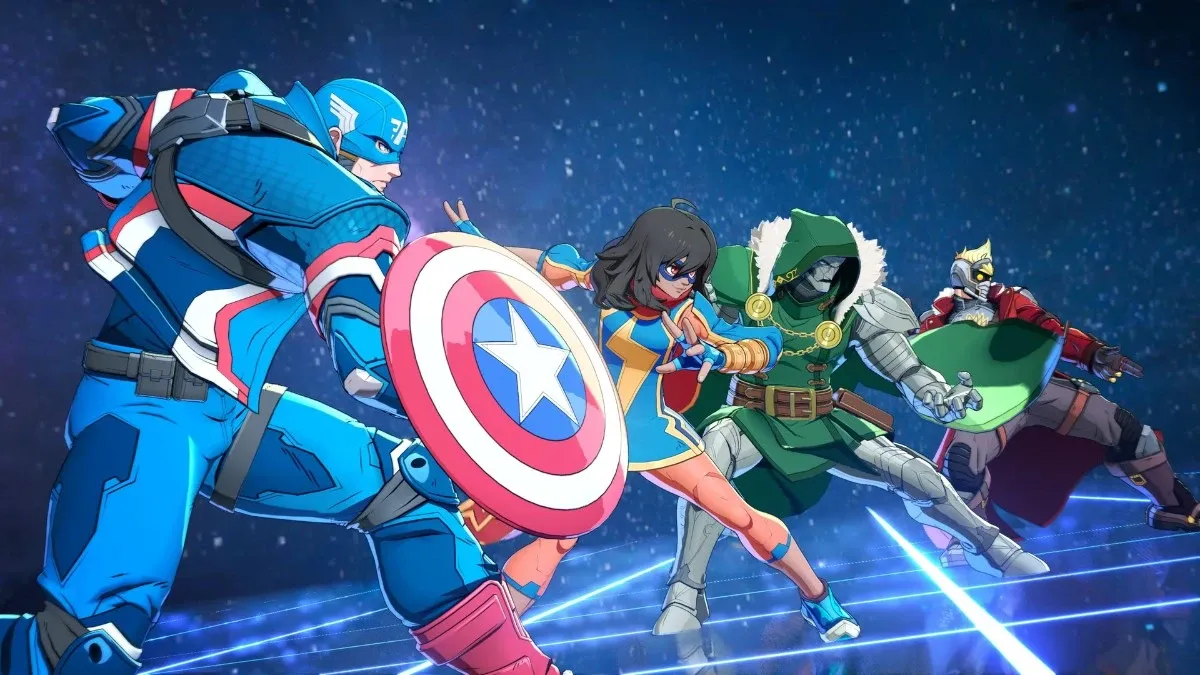
Marvel Tōkon: Fighting Souls will launch on 6 August, 2026 for PC and PlayStation 5. The four-versus-four tag-team fighter includes Storm, Magik, Wolverine, Danger, Spider-Man, Ms. Marvel, Star-Lord, Peni Parker, Captain America, Iron Man, Black Panther, Hulk, Doctor Doom, Magneto, Green Goblin, Carnage, Ghost Rider, Blade, Deadpool, and Loki confirmed for the roster.
With the launch now just a month away, Sony and Arc System Works have yet to explain the restrictions or confirm whether the game will become available in the 132 affected countries before release.