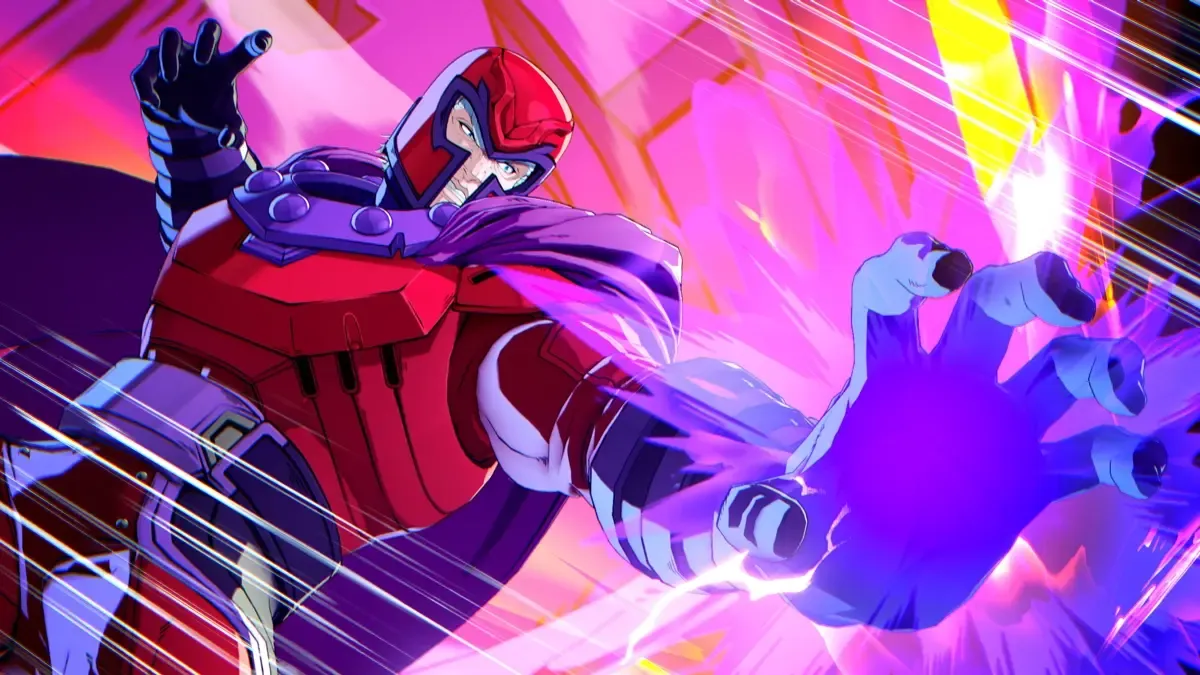
We previewed Marvel Tōkon: Fighting Souls, and walked away from it with a new main.
Developer Arc System Works and publisher PlayStation Studios have a new tag team fighting game in the works, and no, it isn’t a new Marvel vs. Capcom game. In fact, one could argue that this game is straying as far from any sense of familiarity one might find with Marvel-based fighters as it possibly can, with Japanese anime-inspired designs, a toned-down tag team system, and simplified combat.
The game is called Marvel Tōkon: Fighting Souls, and while the game lays a solid foundation for newcomers to find their footing in the fighting game genre, make no mistake: there are layers here that are worth digging into. We had the chance to play roughly an hour and a half of the game at a PlayStation preview event held on 1 July, and came away feeling very positive on how the game is shaping up, following multiple betas and on-ground demos’ worth of iteration.
MARVEL Tōkon: Fighting Souls
Release Date: 6 August, 2026
Platforms: Playstation 5, PC
Developers: Arc System Works
What was included in the Marvel Tōkon: Fighting Souls preview?
Marvel Tōkon: Fighting Souls is a tag-team fighting game that has players assemble teams of four characters, with the ability to swap between fighters at will or use party members for assists. For this week’s media preview, I was able to try out the following characters:
- Black Panther (Shuri)
- Captain America
- Danger
- Doctor Doom
- Ghost Rider (Robbie Reyes)
- Hulk
- Iron Man
- Magik
- Magneto
- Ms. Marvel (Kamala Khan)
- Peni Parker
- Spider-Man
- Star-Lord
- Storm
- Wolverine
Alas, some of the fighters I was most interested in were not available to play in this preview, specifically Blade, Loki, Carnage, Green Goblin, and Deadpool. We’ll have to leave the latter’s fighting game references aside for discussion another time. As for the stages, I got to try out:
- Knowhere
- Marvel's New York (Day)
- Marvel's New York (Night)
- Savage Land
- Wakanda
- X-Mansion
There was just one stage not included in the preview: Asgard. Besides that, I also didn’t get to try out the game’s story mode–making this a PvP-only preview. I was able to try out all the above characters and maps, and spend some time battling it out with members of the media after getting a few practice matches in.
Marvel Tōkon: Fighting Souls controls
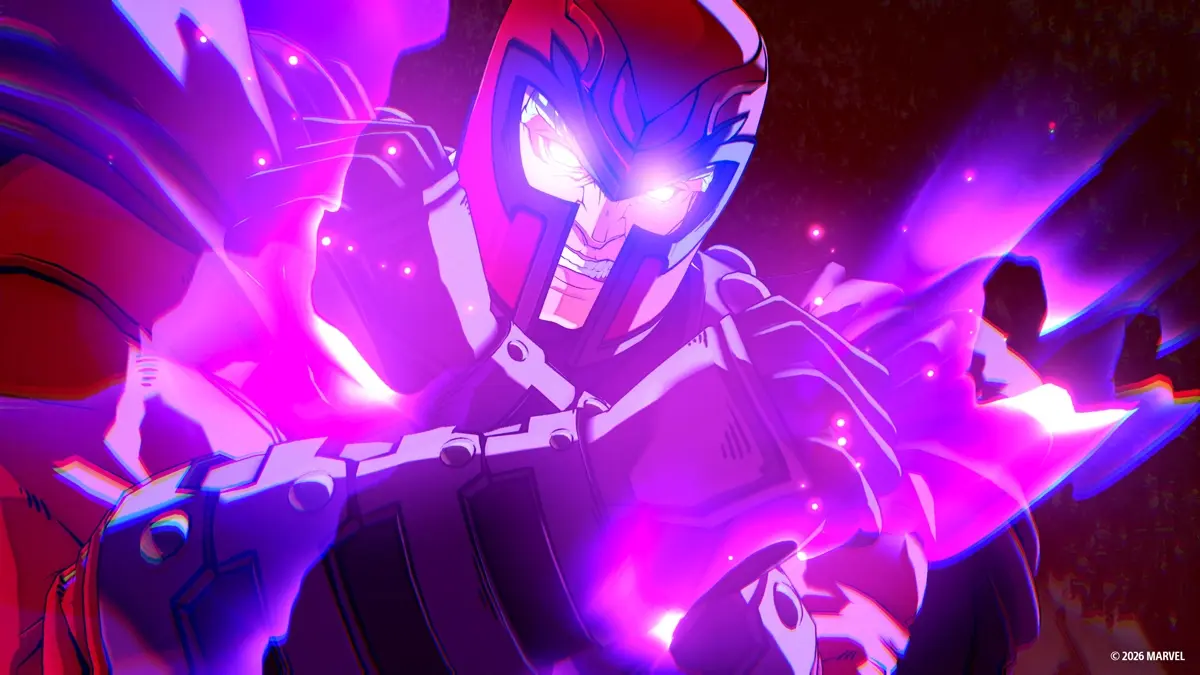
I have some prior experience with Marvel Tōkon: Fighting Souls, thanks to earlier closed betas and on-ground demos that I’ve been fortunate to try out over the last year. That allowed me to come into the game with some familiarity over its mechanics. It should be noted that even hardcore fighting game fans might have a little difficulty picking said mechanics up immediately, as the simplicity of the game’s controls lends a very different feel to its combat.
Whether you’re using the DualSense or a fighting stick, Marvel Tōkon: Fighting Souls ultimately has five buttons to keep track of: the Light Attack, Medium Attack, Heavy Attack, Assemble, and Unique Attack. The first three, you’ll want to mix around and use movement controls to execute ranged or melee combos. The Assemble button allows you to execute assists with fellow teammembers, while the Unique Attack simply allows you to use a character’s unique ability, or gimmick.

There are three more buttons to simplify certain moves. The Quick Skill button allows you to execute certain special moves with the press of a single button. This will do a little less damage, but it’s easier to execute. Quick Assemble likewise lets you do Assemble moves with one button, and Quick Dash allows you to dart around the map quickly. Otherwise, you can double-press the movement button to start a Dash.
The game’s controls are deceptively simple. We’re not looking at complicated input combos like Mortal Kombat, but instead a few specific movement + attack button combos that can be learned quickly and easily. Depending on the character, you might have no trouble at all learning a fighter’s moveset. Some characters–like Magik and Magneto–require a bit of setup to work properly, opening portals or building up Magnetism effects to become truly effective in battle. Others, like Danger or Ms. Marvel, were a lot easier for me to pick up in the limited time I had to play with them.
Is Marvel Tōkon: Fighting Souls fun to play?
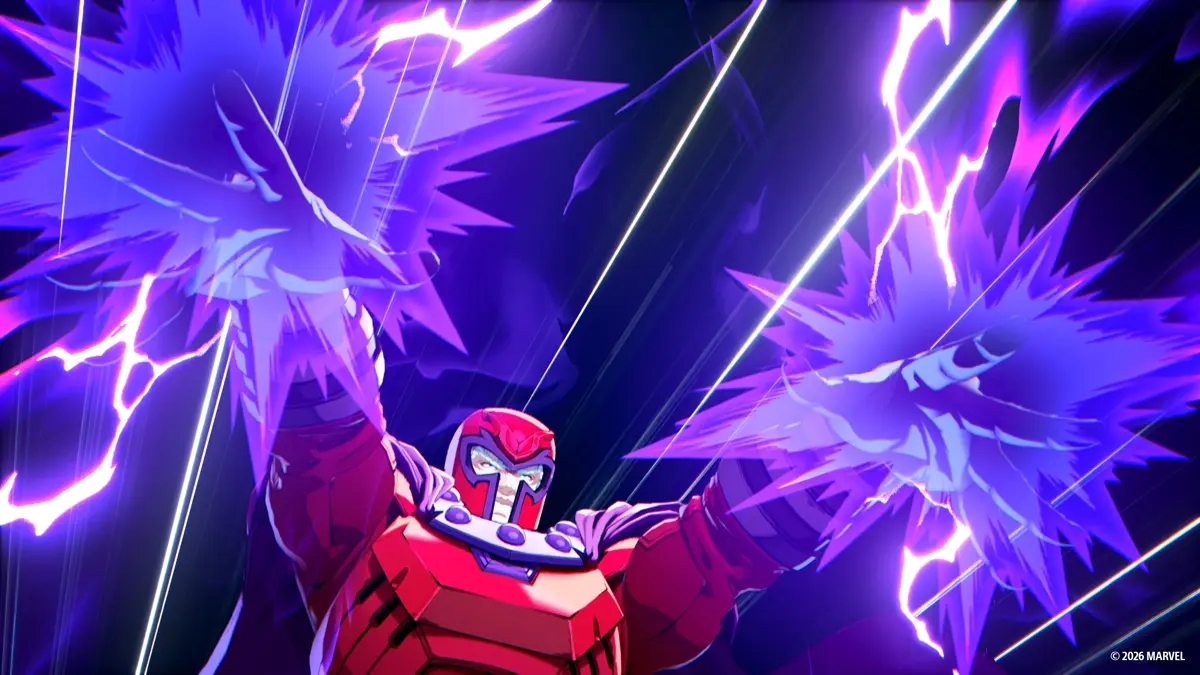
Getting too deep in the weeds of Marvel Tōkon: Fighting Souls’ mechanics might be better-suited for a review down the line, so I’ll keep my impressions simple for the sake of this article. Arc System Works is known for its fantastic combat animations and addictive fighting gameplay, and that holds true with this game; from the Wall Breaks that lead to Stage transitions to Assemble attacks that feature full-party assists, this game is a non-stop dopamine boost.
Some of these characters are deeply saturated in current Marvel media–from Marvel Rivals to Midnight Sons, it feels like I’m seeing Spider-Man and Magik everywhere of late. Still, the visual and mechanical designs of these characters allow them to stand apart here. It’s not just the game’s Japanese-inspired aesthetic, which is great, but the fact that Magik’s portals open up fun new avenues in combat, and Spider-Man’s web zips allow for awesome manoeuvrability on the fly.
The game’s control layout will take some getting used to, but it takes no time at all to start executing incredibly flashy combos and Assemble moves–to the point that with full four-player tag teams at play, things can get wildly chaotic on the battlefield. Tagging out characters also doesn’t feel all that necessary, and players can largely stick to using their team as assists. That appears to be a deliberate design choice on the developer’s side to keep this game from feeling like a more complex tag fighter like 2XKO, which might not please everyone.

However, there were some iffy downsides to this demo that I can see becoming more grating in the long run. Pre-match banter between the characters can be wildly inconsistent in quality, with writing that varies from hilariously savage to plain awkward. In the game’s English dub, these small cutscenes can fall completely flat thanks to the complete lack of lip sync, as characters sometimes move their lips while saying nothing at all. Additionally, I found myself skipping through the pre-match introductions introducing the player-made teams–they got repetitive real fast.
Granted, these are all issues I only noticed in the game’s preview build–so changes might still be made by the time it launches. It was far from enough to actively hamper my enjoyment of the game’s combat, which was flashy and addictive enough to keep me coming back to the same characters (namely Magik) in an effort to learn their playstyles. That’s as good a sign as any that this fighting game is set for success.
Marvel Tōkon: Fighting Souls launches on 6 August, 2026.