After years of steady decline, the once-storied North America Dota 2 scene only has one noteworthy team left standing: Wildcard.
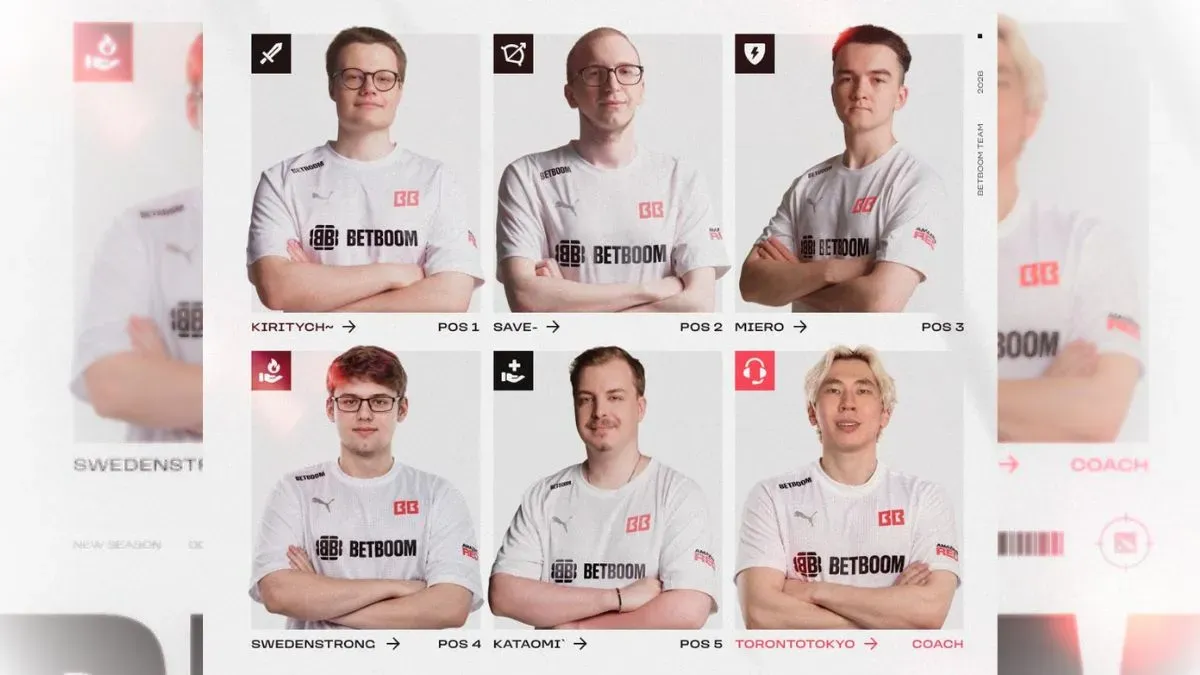
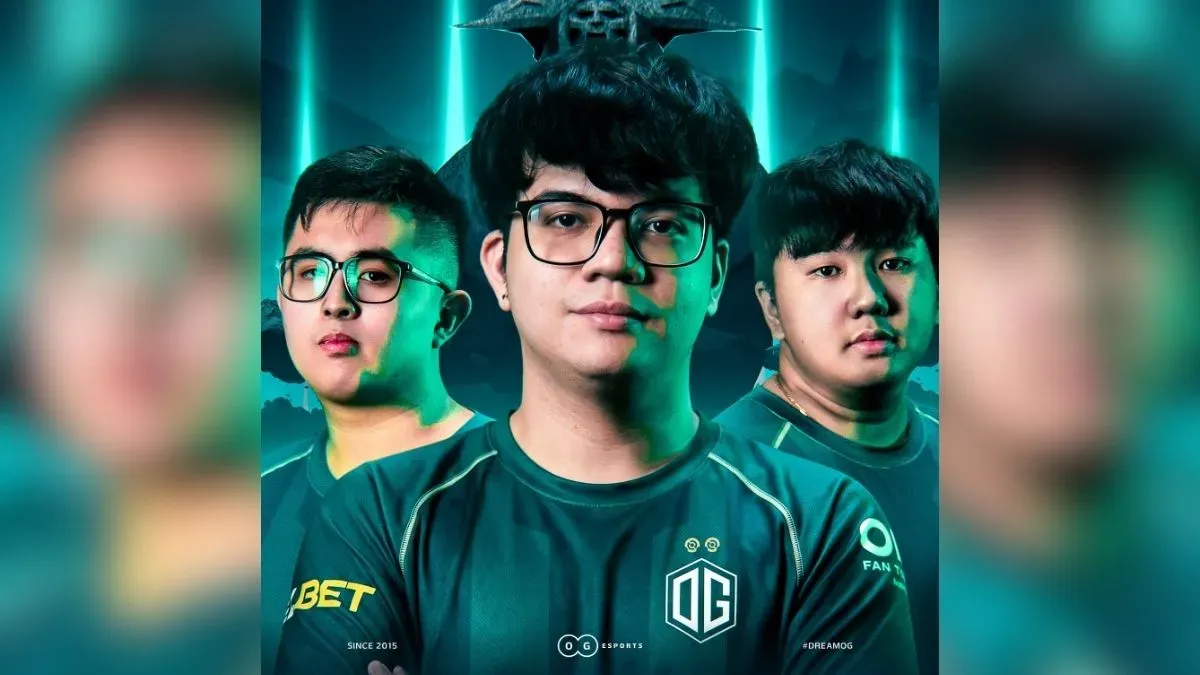
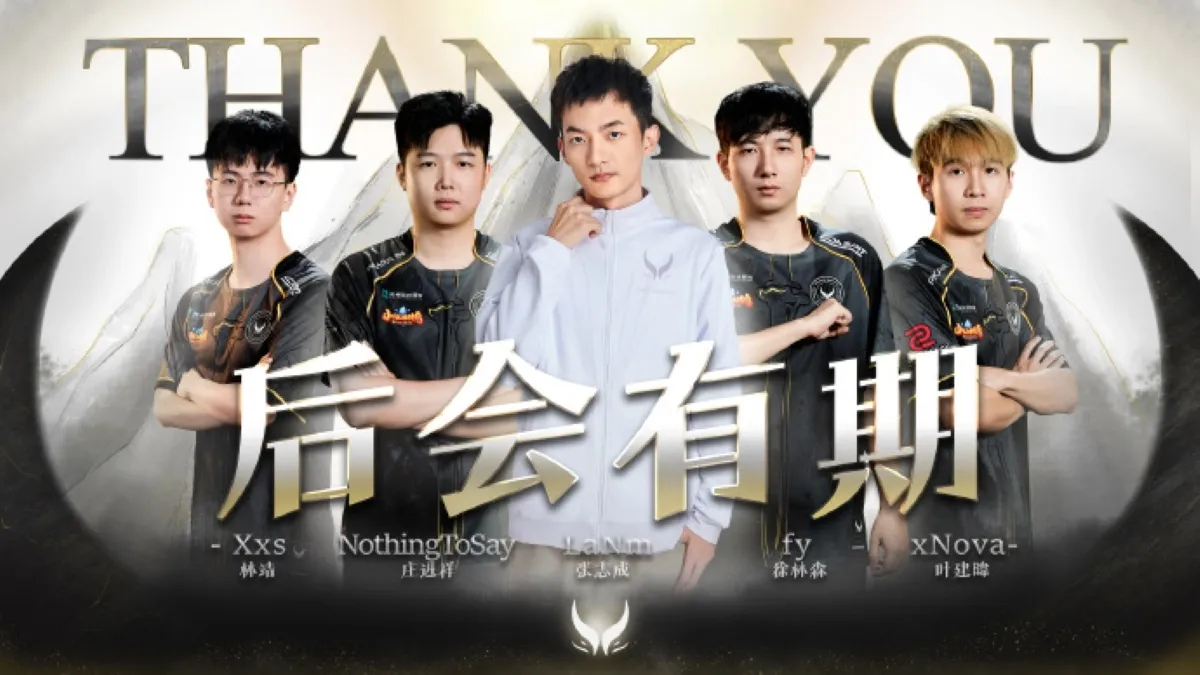
It's no secret that the North American Dota 2 scene is on its last legs. After many years of steady decline, almost all organisations that competed in the region have left.  Nouns Esports left the scene last November, while
  Shopify Rebellion made its exit at the end of July after failing to qualify for The International (TI) 2025.
Only one noteworthy team remains standing in North America:  Wildcard, the team that defeated Shopify Rebellion in TI 2025's North American regional qualifier after languishing under their rival's shadow all year long. And in this year's Dota 2 world championship tournament, Wildcard will have to compete against the best teams in the world as the lone flagbearer of a region barely clinging to life.
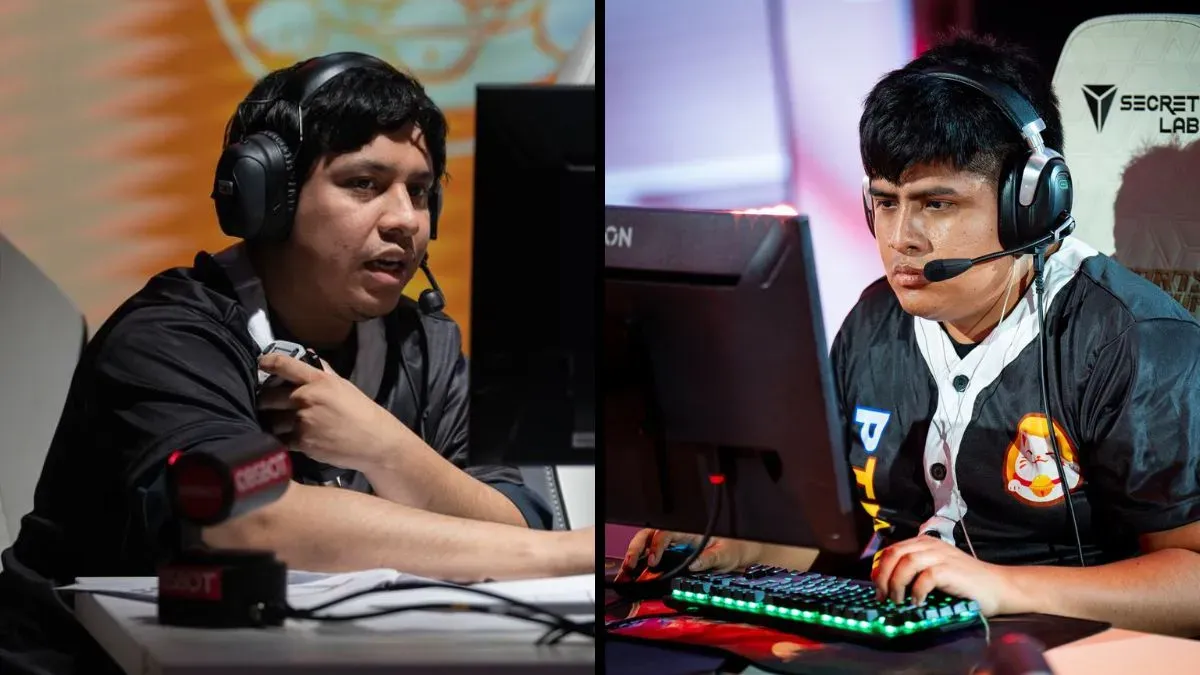
In an exclusive interview with GosuGamers,  Paul “Speeed” Bocchicchio admitted this fact is not something he's proud of.
"I watch [
Jaron “monkeys-forever” Clinton's] stream at night while he's playing some NA pubs. I'm just watching these games and I'm like, “My god, this is the worst sh*t I've watched. What has NA become?” It's so sad, the region is just fully dead. I don't think it's going to change, I don't even know what to say about this thing. I don't even think there's going to be a North American qualifier next year. I think we'll probably be merged with South America, if I had to guess, it'll just be American qualifiers.
There was essentially one good team after Nouns disbanded, it was Shopify. And then eventually just us. I don't really take pride in it."
While he is arguably better-known as the face of GameLeap Dota 2 Pro Guides, a popular YouTube channel that produces educational Dota 2 content, Speeed has been competing in North America's Tier 2 scene since 2021. After years of grinding, Speeed's career truly blossomed this year with Wildcard by qualifying for TI–a feat most other players would never get to achieve.
Even so, Speeed admits that being able to compete professionally–let alone play in TI–was as much a matter of luck as talent and hard work. In a dying region like North America so bereft of competitive opportunities, knowing the right people mattered more than it normally would in other regions. Speeed laments the fact that other aspiring North American players won't be as fortunate in pursuing their dreams as he was.
"There's just a lack of players and a lack of money. And that's kind of why it took me so long to get on a team. I would say, personally, I'm not someone who loves making connections, who reaches out to a lot of people. I don't necessarily have a lot of friends, which is not me complaining, it's just how I orient my life. Because there were so few good North American players, if I wasn't friends with those few players, then I'm basically not going to get on a good team.
It just sucks when basically if I wasn't friends with [
Luke “YamSun” Wang], even if I was decent at Dota, I probably just would have never ended up in the pro scene. I mean there were multiple times where I considered stopping playing completely, because it's taking up so much time and energy. And I was getting practically nothing out of it, outside of just stress and pub teammates screaming at me. So, yeah, I mean, it's pretty brutal. There's not much to do about it either."
‘To be like a cockroach’
It takes a lot of persistence to be able to survive in the wasteland that is the North American Dota 2 scene, let alone thrive in it.
You need to be able to stomach an eight-match losing streak against a single team, barely being able to play in international events as a result. You need to be able to take those losses on the chin, grow from them, and somehow overcome your rivals in the biggest qualifier of the year. And you have to do all that while seeing other regions enjoy better support and more opportunities than you.
To be able to do all that, according to Speeed, you have to be “like a cockroach.”
"You're not making money. You're playing against people who have 15k salaries, coaches, boot camps. And you have to beat these guys, who don't have nearly as much stress as you. Because I needed to make money, I had to do all this other sh*t. It was pretty tough. You just have to keep trying. Again, I almost quit multiple times because of how hard it is, how stressful it is. When you just lose four or five qualifiers in a row. You're not progressing in a job, you're not moving up in the world, you're kind of just stagnant.
If you want to get to the top of something that's difficult, you kind of just have to be like a cockroach."
Of course, it helps to have other people with the same level of persistence and dedication as you do. Many lesser teams would have already been broken by what Wildcard had to go through this year, even more would not have been able to make it as far as they have. Speeed credits the team's maturity as the key reason why they were able to face such Herculean struggles and grow from them together.
"There's a lot of struggles, but at the end of the day I actually think a lot of people on our team are pretty positive, pretty mature. We have a lot of issues like any other team, but regardless of those issues, we definitely have people who kind of just keep trying and don't give up. We, of course, tilt, we get pissed at each other. But we're pretty good at getting past it, as frequently as it happens. We move on, we get past it, we keep trying. We just try to find out what our problems are. I don't think we gossip very much, we work together as a team. We hammer out our issues.
I think that's the biggest thing we have going for us, even though you know a lot is stacked against a North American tier 2 team."
The lone flagbearer
But while Wildcard have already gotten over one wall by qualifying for TI 2025, actually playing in Dota 2's biggest stage is another matter altogether. It has been a decade since a North American team lifted the Aegis of Champions. While Wildcard are certainly huge underdogs this year, reclaiming the title is not impossible. Anything can happen once you're up on that stage.
For Speeed, playing in TI 2025 is the culmination of a struggle few other Dota 2 pros will ever know. Of the hundreds, if not thousands, of players that have gone pro in the game's long history, only a select few get the chance to compete at TI. Of those fortunate ones, none had to go through what Wildcard did to make it this far. Even so, Speeed admits the elation and pressure that comes with playing in TI go hand-in-hand.
"Grateful and stressed are certainly the top two emotions for me right now. I don't think people understand. When I talk to people who don't understand Dota, they think I'm having some dream job that's super fun where I'm just playing games. Frankly, I think playing pro Dota, especially when you're outside of the money, you're on the cusp, is one of the hardest things to do.
It's a lot of pressure. You know you want to make the most of it but at the same time, as I've told a lot of my family and friends, I'm just grateful. You only live once, and for some reason, I was able to make it to where I've been trying to make it to since high school. You know, I watched TI5, I watched [
Peter “ppd” Dager] lift the trophy. And I'm like, “Alright, I gotta get there.” Somehow it worked out."
What makes a TI champion? Is it encyclopedic knowledge of the metagame, knowing that heroes to pick and what strategies to run? Is it pure mechanical skill, calculating all the myriad possibilities that can happen in every second of a game of Dota 2 and pressing the right buttons before your opponents? Or is it all just a matter of luck?
For Speeed, it's exhibiting that same drive and persistence amid near-insurmountable odds that he and his team showcased this year. It's taking every loss, growing from them, and moving forward. It's paying no heed to whoever your opponent may be and all the noise that comes with competition, and just focusing on yourself. To become a TI champion, in Speeed's own words, is to become like a cockroach.
"What I've learned after losing to Shopify 40 trillion times in a row is that goals are good, it's good to say I want to do well. I think, for me personally at least, I like just trying to be confident in my own gameplay and trying to become a better Dota player. I just want to play my role well, and if that means it's good enough to win TI, then great. If it means we come in 16th and I need to learn a lot more sh*t, I'll learn a lot more sh*t. Again, it's kind of what I said earlier, you have to be a cockroach.
Regardless of your circumstances, whatever's happening, you just keep going. I think if you worry too much about what happens or what could happen or what does happen, you just get fried. You get burnt out.
Every top player is just like another guy, they're just like another dude. And like I'm also just a dude. And I'm just going to play well and I'm just going to try to beat them. And I enter every game like this. I don't really care who I'm playing against, I'm just going to play."
For more information on the biggest Dota 2 tournament of the year, check out GosuGamers' guide to this year's Dota 2 world championship tournament and TI 2025 tournament tracker.

For Dota 2 match results and updates on the go, don't forget to check out our Telegram channel.