GosuGamers sat down with Chris Greeley, Global Head of LoL Esports, to discuss Worlds 2025, the esports' growth, and what keeps League’s magic alive.
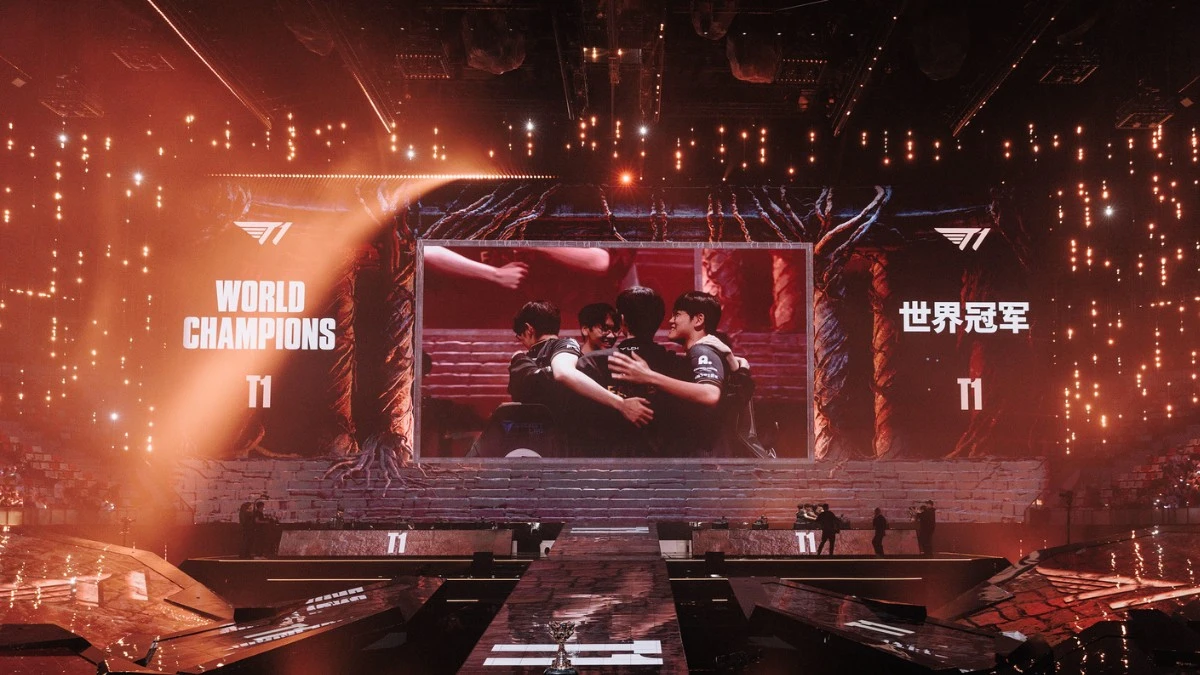
The League of Legends (LoL) World Championship 2025 in Chengdu, China had just come to a close, ending in an electric five-game clash between South Korean telecom rivals  T1 and
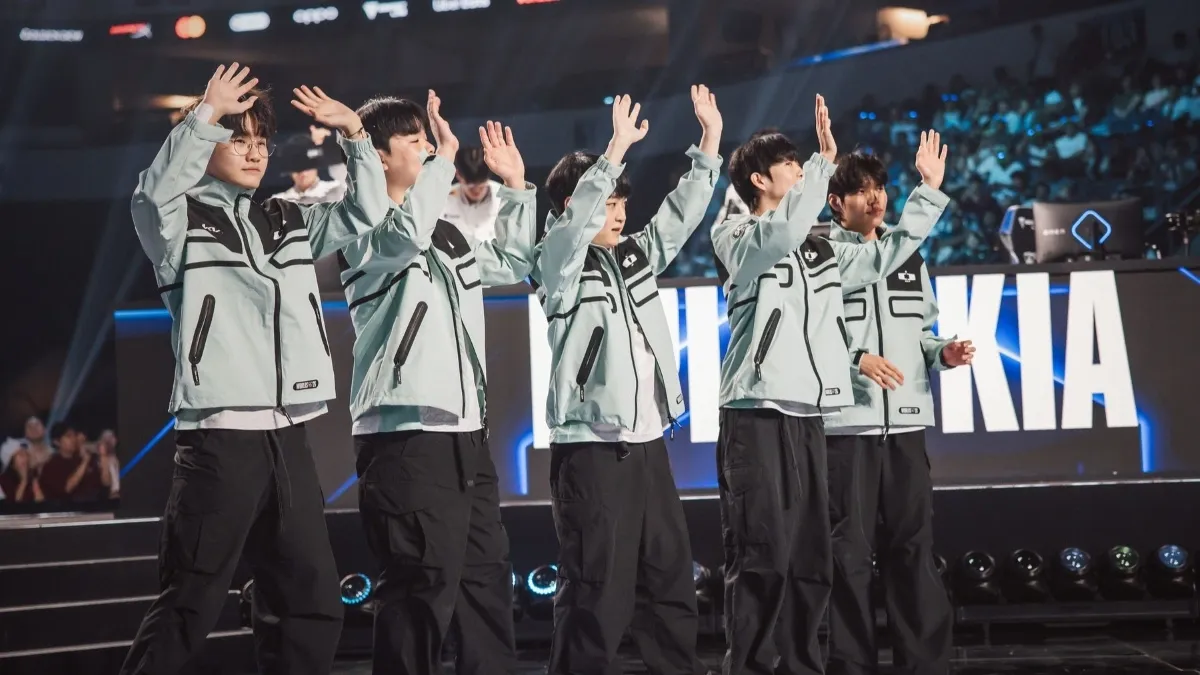
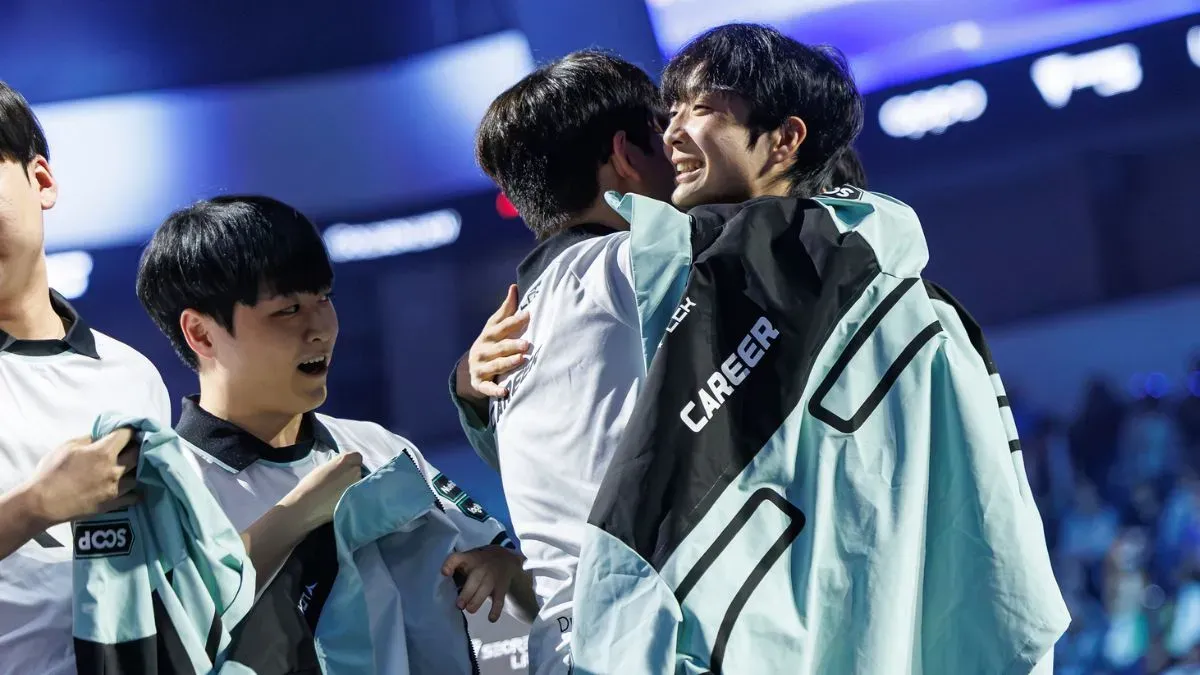
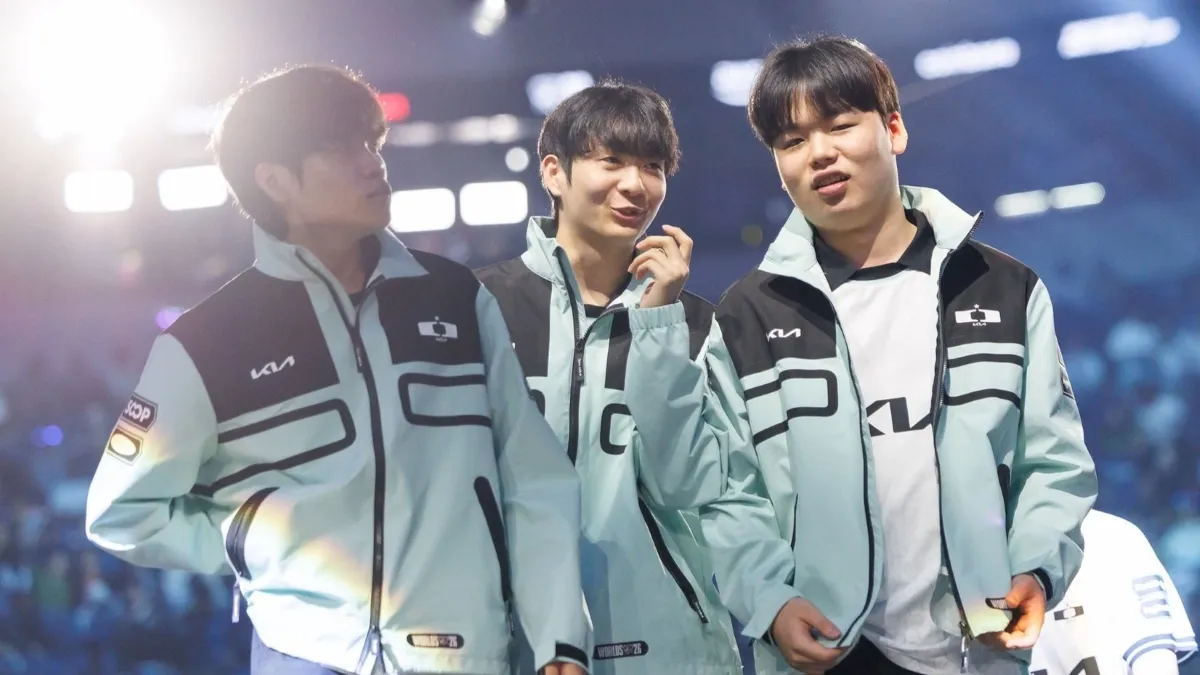
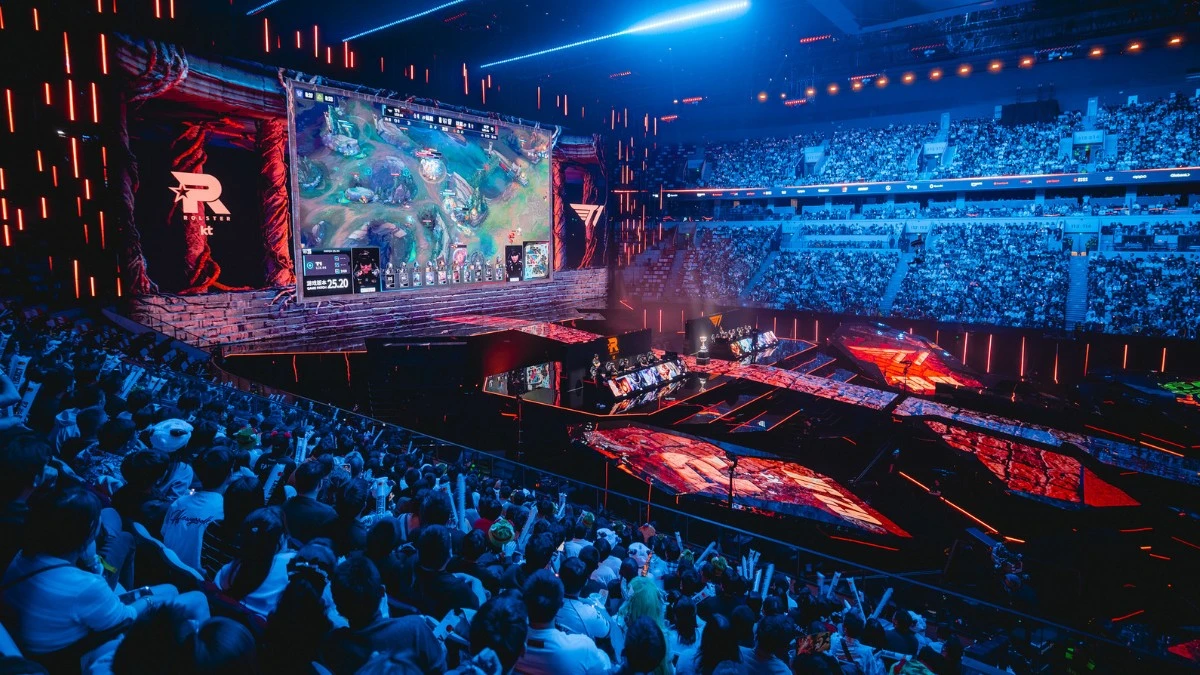
  KT Rolster,where T1 completed a three-peat for their sixth title. Dong’an Lake Sports Park Stadium in Chengdu thundered with chants, lights, and confetti, the kind of sound that shakes through the floor before fading into memory.
15 years in, the spectacle of LoL esports remains the same, and somehow, it keeps growing. Every year brings new memes, new stories, and new fans tuning in from around the world. And it makes one wonder: how does a game this old still feel this alive?
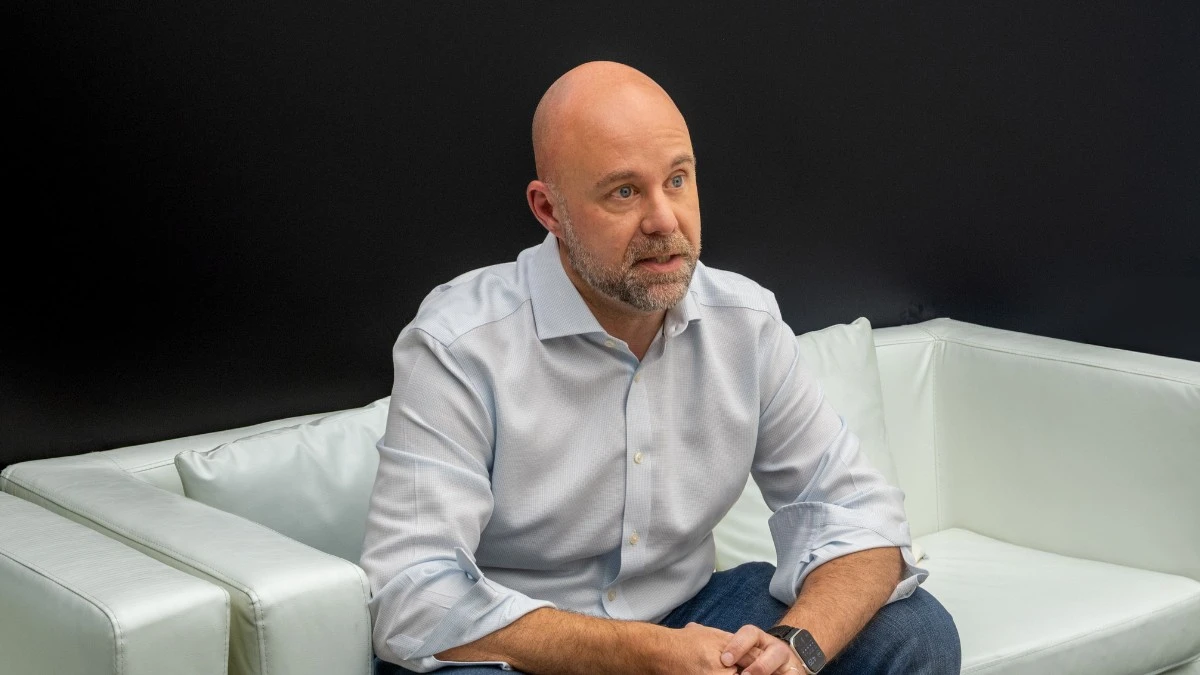
Before the Grand Finals began, GosuGamers sat down with LoL Esports Director Chris Greeley to look back at how the esport has grown, what it’s learned, and where it might go next.
“We’re still here.”
For Greeley, one of the esport’s biggest achievements isn’t just the latest viewership record, but the fact that it has endured. When asked what was the esport’s biggest achievement, his answer was straightforward:
“Honestly, that we’re still here,” Greeley said. “It’s been an incredible ride.”
“I think the fact that the popularity of the esport just continues to grow year over year. We broke our viewership records for MSI this year.”
Worlds 2025 may have fallen a little short of surpassing last year’s peak, but not by much. According to a report sent to GosuGamers by Esports Charts, the Grand Finals between T1 and KT Rolster became the second most-watched esport event of the year, drawing 6.7 million viewers, only about a hundred thousand shy of Worlds 2024.
But numbers aren’t the only measure of success.
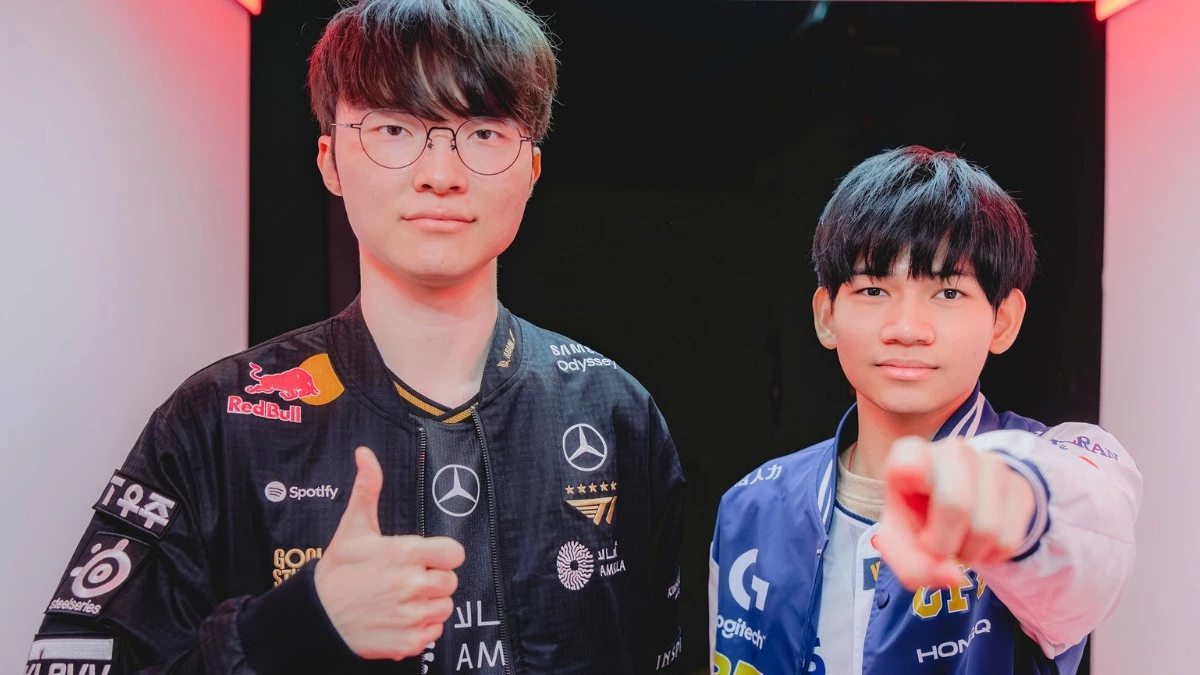
“We’ve got some real generational talents across regions,” Greeley said. “Folks like  Lee “Faker” Sang-hyeok, who I think spans regions. Kwak “bdd” Bo-Seong on stage... Bin has been incredibly popular out of the LPL.
  Rasmus “Caps” Winther is generational from the LEC.”
He also pointed to the legends who built the foundation. “We had a lot of really old-school pros who brought a lot of attention to the sport and really created connections with fans.”
Ultimately, he says, the purpose has stayed the same. “We’re a sport first, but we’re here to entertain people. There are so many things our fans could be spending their time doing, and the fact that they choose to spend that time with us is both a great honor and a responsibility.”
He paused, smiling at the thought. “You can look back at prior Worlds and some of the venues we’ve graced, whether it was our first show in the Staples Center in Season Three, or the Bird’s Nest in 2017 with the AR Dragon.”
Moments that live beyond the screen
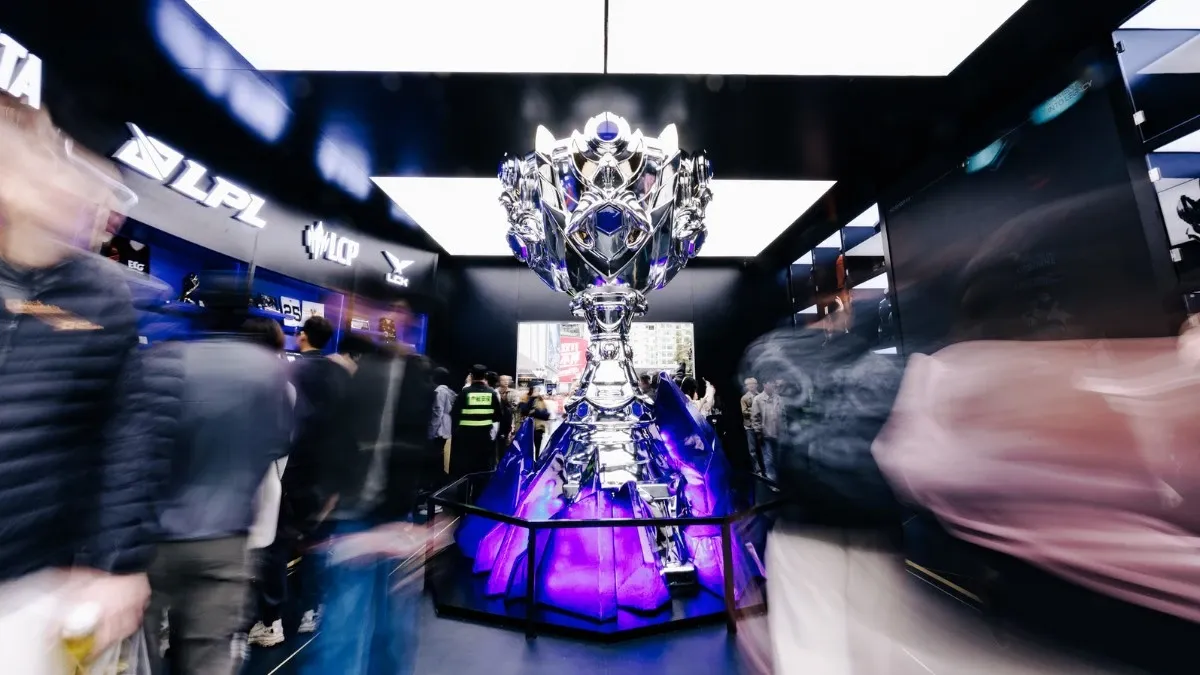
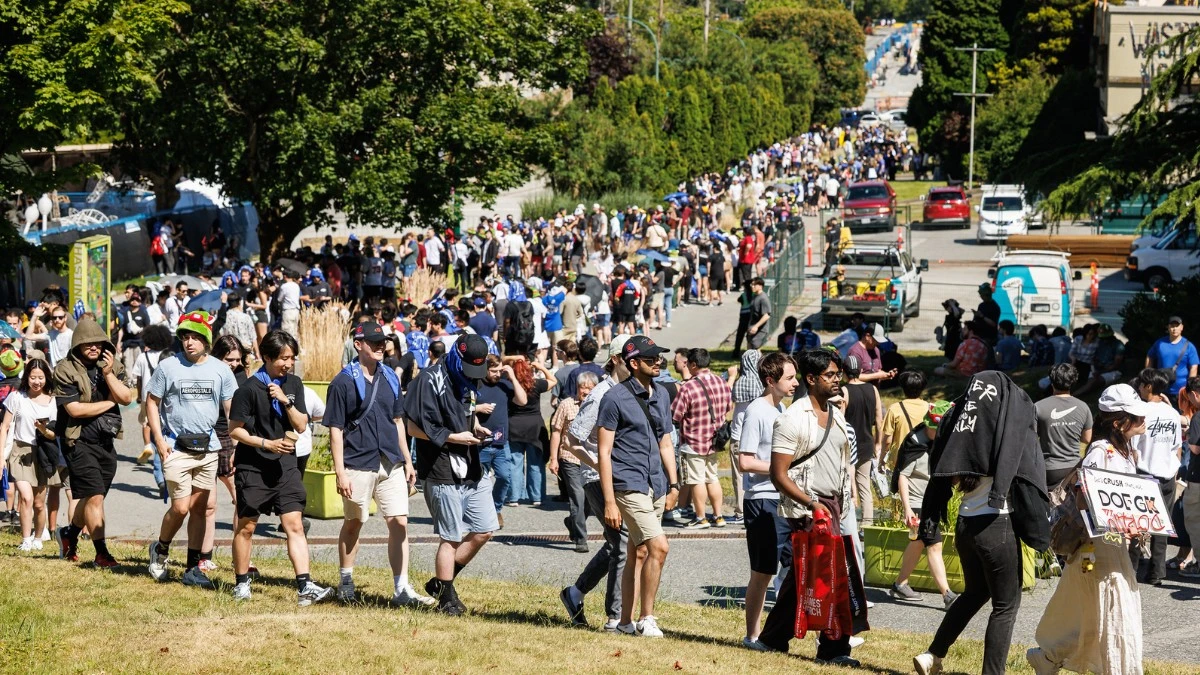
It was a busy weekend in Chengdu: fans lining up for watch parties, picking up merchandise, and exploring the LoL Carnival along Chunxi Road in Chengdu, where a massive Summoner’s Cup stood atop one building and an Elder Dragon perched on another.
Moments like these, both on and off stage, stay with those who love the esport most. Greeley shared some of his favourites, of which there are many.
“My very first esports event was [the] Worlds Semifinals 2016 at Madison Square Garden. It was the T1–ROX Tigers match,” he recalled.
“When PraY’s arrow went across the map to stop the recall, the entire arena [gasped] and was dead silent. Arrow hits, and the place erupted. It’s always lived in my head.”
Another memory came from LoL Championship Series (LCP) 2022.
“ Kyle “Danny” Sakamaki [from
  Evil Geniuses] had a pentakill on Jinx in the Baron pit. The entire arena, no matter what jersey you were wearing, chanted his name. Everyone understood what they were watching, it felt like witnessing greatness.”
These are the kinds of shared moments that make LoL Esports more than competition. They’re collective memories that remind fans why the game matters.
Learning while building without a blueprint
Fifteen years ago, there was no manual for building an esport. “There was no blueprint to follow,” Greeley admitted. “A lot of the early decisions we made… we realized, okay, these three things were great, and these two things were stupid. Let’s not do the stupid things anymore.”
He laughed, then added that community feedback has always been part of that process.
“Fans complain a lot, sometimes specifically about me,” he said. “But you don’t complain about things you don’t care about. You just move on. So we’re happy to take that feedback, as loud or as soft as it is, and make the best decisions we can with it.”
For Greeley, that push and pull with fans is what’s kept the esport honest. “It’s not about being right; it’s about getting it right.”
Revisiting formats: learning through iteration
One of the clearest lessons from those early years was the need to evolve international formats.
In 2022, Riot sat down to rethink the structure of both the Mid-Season Invitational (MSI) and Worlds: what worked, what didn't, and what could make competition feel fresh again.
“We went from people not caring about MSI and pros saying spring split doesn’t matter, to fans tuning in, enjoying the format, and pros caring,” Greeley said.
Greeley said that some of the mistakes the LoL esports team have made they’ve “done [their] best to go back and repair and learn from, and then hopefully continue to create something that fans want to watch and spend their time on.”
Revisiting the format for MSI and Worlds made something else clear. If the structure of competition could change, the wider scene could also be opened up again. That led to another question: how has League of Legends esports itself evolved over time.
Third-party tournaments are finally back
That same spirit of adaptation has opened new doors. “I think we went from a time where there were a lot of third-party operators to a time when there wasn’t,” Greeley said. “And now we’re starting to see more interest coming back.”
For years, Riot kept a close hand on the competitive calendar, not to exclude others, or “not that we could do it better,” as Greeley would put it, but to ensure consistency as the scene matured. Now, fifteen years later, there’s more room for collaboration again.
“I think we’ve gotten to a place where we’re more comfortable with partners operating events inside and outside the season,” he said.
Some tournaments, like the KeSPA Cup and Demacia Cup, never left. But newer ones, such as the Asia Invitational organized by Huya Douyu Bilibili this year, are bringing fresh energy.
“It gave players who weren’t getting to play international games that experience, and fans the opportunity to meet those players and learn their stories,” Greeley said. “It may sound cheesy, but it helped fans find new heroes, new players to love, and new reasons to watch.”
According to Esports Charts, the first-ever Asia Invitational peaked at 318,816 viewers, with over 5.2 million hours watched, which is an encouraging start for a regional experiment by a third-party organiser.
Keeping relevant to the new generation: Fearless Draft and other new reasons to watch
Esports now exist in a crowded entertainment landscape, something Greeley acknowledges clearly. “We’re in a constant competition for time and attention,” he said. “If you’re fifteen and really good at games, you’re making a decision on what game you want to pursue professionally. And we want that to be us.”
But staying relevant isn’t just about big spectacles. It’s also about making the experience meaningful for everyone involved, fans, players, and teams alike.
“I think it’s really important to find that alignment so that pro players, pro teams, and fans are all expecting the same thing,” Greeley said.
That mindset shaped one of this year’s most successful experiments: Fearless Draft.
“The LPL was kind enough to test it for us,” he explained. “We had a lot of hope for it. Fans liked it, pros liked it, it felt like we had tapped into something.”
By the middle of the split, it became clear that the format worked not just technically but emotionally. Matchups felt less predictable, and teams had to adapt again. “You can only watch Lissandra versus Renekton so many times,” he joked.
Almost every team supported the switch. “Players liked it. Fans liked it,” Greeley said. “It felt like a good reminder that the game can still surprise people.”
After all the milestones it reached and changes it went through over the years, LoL Esports today feels both familiar and new. Riot is still learning, still building, still finding new stories to tell. With formats evolving and fresh tournaments joining the fold, the next phase may not be about starting over, but about opening more doors: for teams, for players, and for the fans who keep showing up.