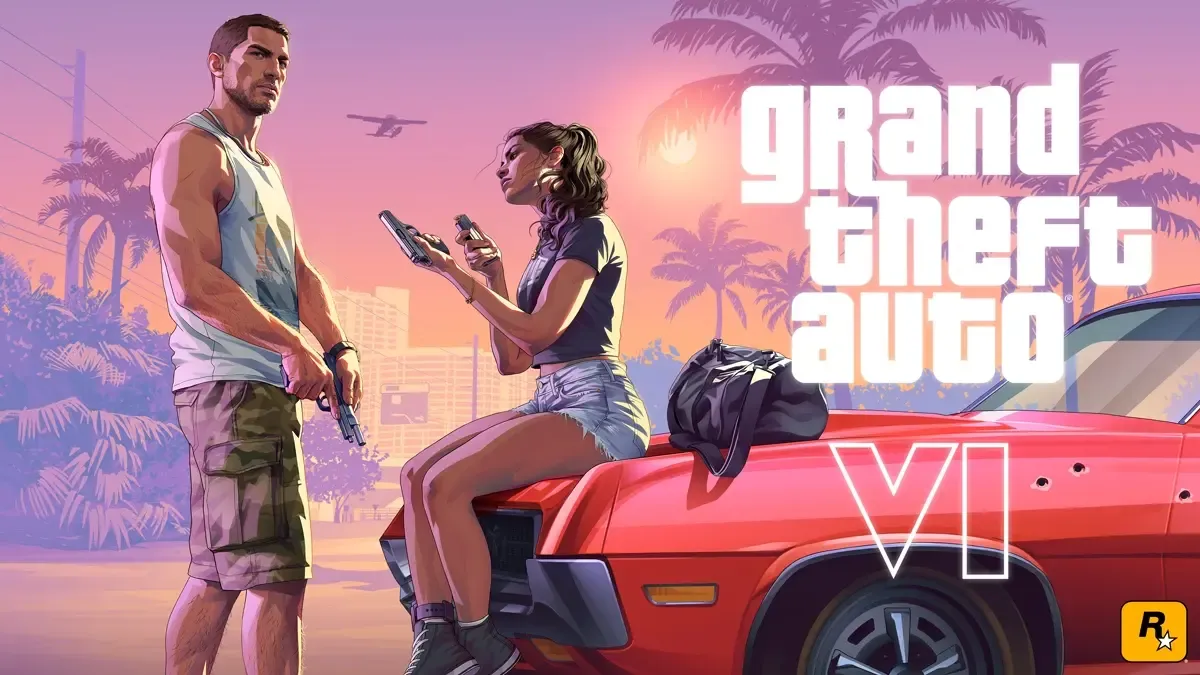
It only took 13 years, but we have finally played GTA VI.
Rockstar Games’ Grand Theft Auto VI has been a long time coming. The game arrives 13 years and two months after the release of Grand Theft Auto V in September 2013, the latter of which wound up being re-released on not just one, but two additional console generations. Having one game be successful enough to span three console generations is something of a blessing and a curse, however. While GTA V enjoyed its extended longevity, GTA VI spent years blurring the lines between meme and myth.
After all this time, it’s hard to imagine that any game could live up to such a long wait. Divorced from its extenuating circumstances, GTA VI is an excellent video game sequel; it boasts a gorgeous and dense open world, grounded character work, and immersive sim features far beyond anything its predecessor was capable of.
Any game would be crushed under the weight of such an overdue release, but GTA VI bears its lofty expectations admirably. The game has a lot to prove, and while it’s probably not worth waiting 13 years to play, we’re just glad that the wait is over.
Grand Theft Auto VI
Release date: 19 November, 2026
Developer: Rockstar Games
Platforms: PlayStation 5, Xbox Series X|S
What is GTA VI’s story about?
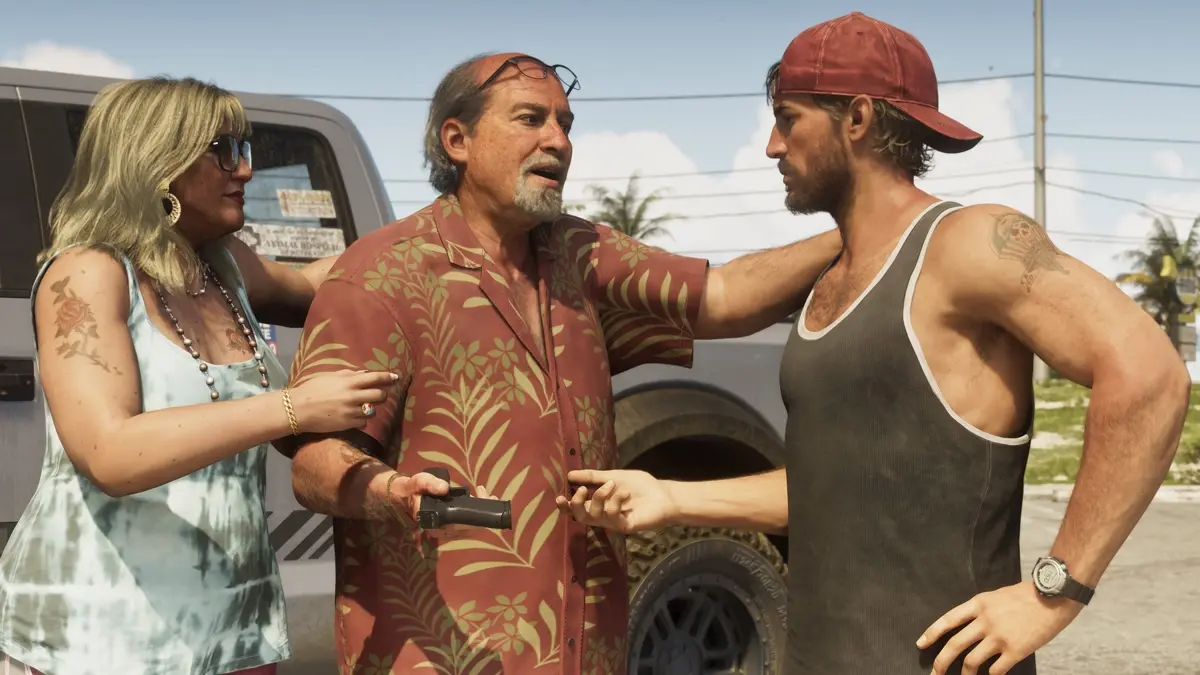
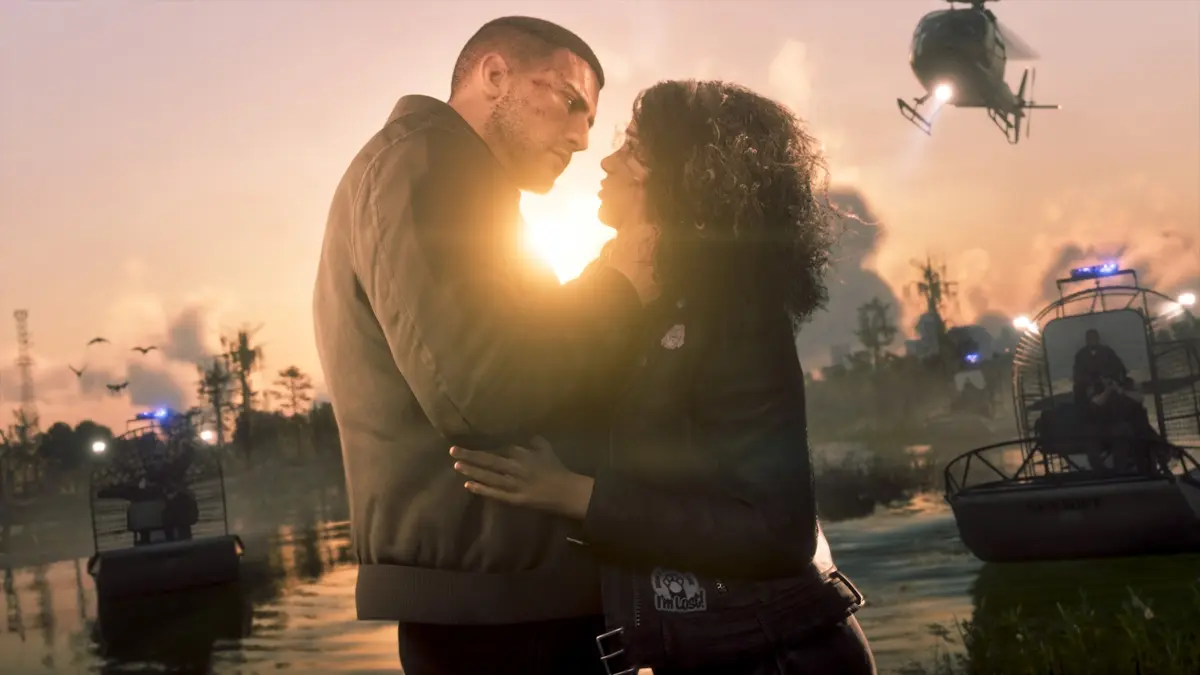
Rockstar’s marketing has focused heavily on the Bonnie and Clyde-like premise of GTA VI’s story–one that follows its dual protagonists Jason and Lucia as they embark on a crime spree across the state of Leonida. However, their wanton acts of lethality are a lot less impulse-driven than Rockstar is letting on–in fact, the pair have a very specific goal in mind from the very beginning of the story, and thus become intertwined until the job is done.
I’m being a little vague here to avoid spoiling anyone on the game’s premise (despite all the leaks, there are still plenty of surprises to be had), but suffice it to say that it makes a solid case for why Jason and Lucia are willing to ride or die for each other beyond romance alone. Their relationship gives the story real stakes, and it grows in a meaningful and believable way throughout the campaign.
However, Jason and Lucia’s relationship is difficult to buy into at first, largely because it begins without any real source of internal tension or drama. The game only makes them both playable after some 10 hours or so, and asks you to decide whether their relationship is romantic or platonic in nature by having them spend more time together. There isn’t a slow burn or teasing buildup to spark the embers of their romance–those flames pop into existence on their own, and somewhat jarringly too.
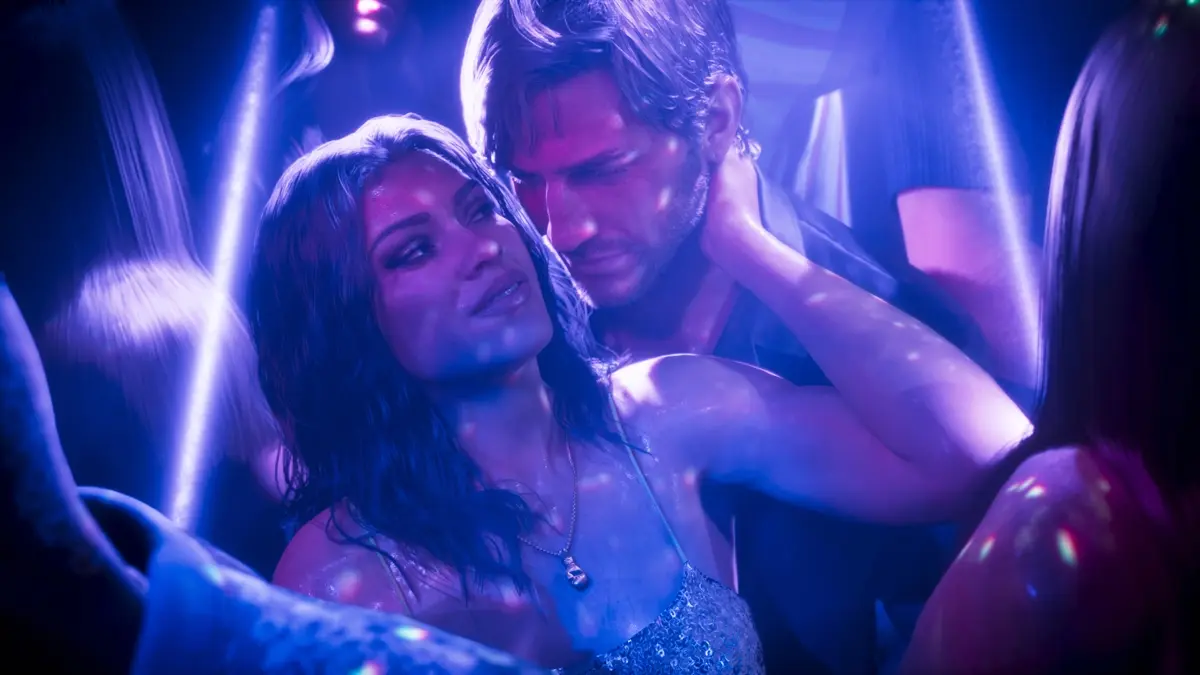
Like many Rockstar protagonists, Jason and Lucia boast strong central performances in an already killer main cast. While Jason’s delivery and general demeanour come off as overly stoic to the point of wooden, the character thankfully opens up throughout the campaign. He jokes around with Lucia, expands on his past in random open world conversations, and generally shows a vulnerability that makes him much more endearing as time goes on. The final act of the game arguably rests on his shoulders, and the actor (whom I’m not yet allowed to name in this review) bears it well.
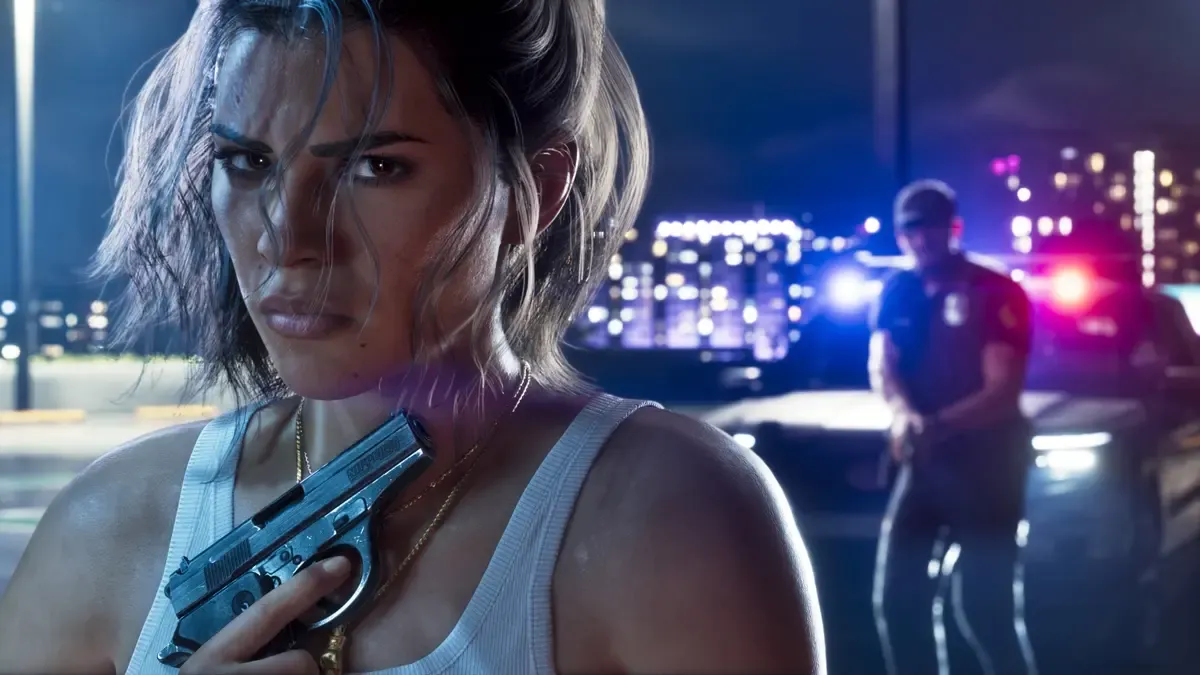
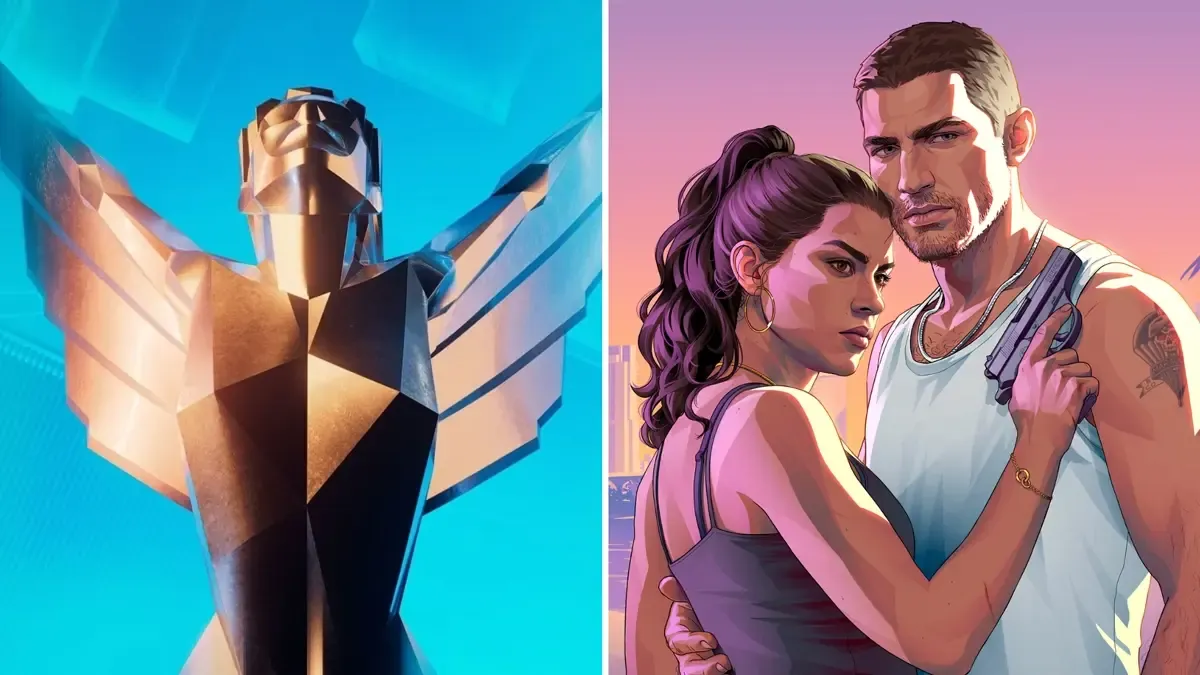
By contrast, Lucia’s actor, whom we now know to be Manni L. Perez due to her Game Awards nomination, is fantastic from the outset. Perez is a natural fit for Lucia, a judicious ex-convict recently freed from prison and looking to make big money in Vice City. There’s an easy charm to her performance that makes her a lot of fun to play in the open world; reacting with giggles and sarcastic taunts to Leonida’s many shenanigans, where Jason is more likely to issue a one-word response by contrast. She’s a lively chatterbox and he’s the strong and silent type–we all know that one couple in real life, and they fit into that box authentically. Jason is at his best when he’s playing along with her and goofing off, but it takes time for him to get there.
Is GTA VI’s story good?
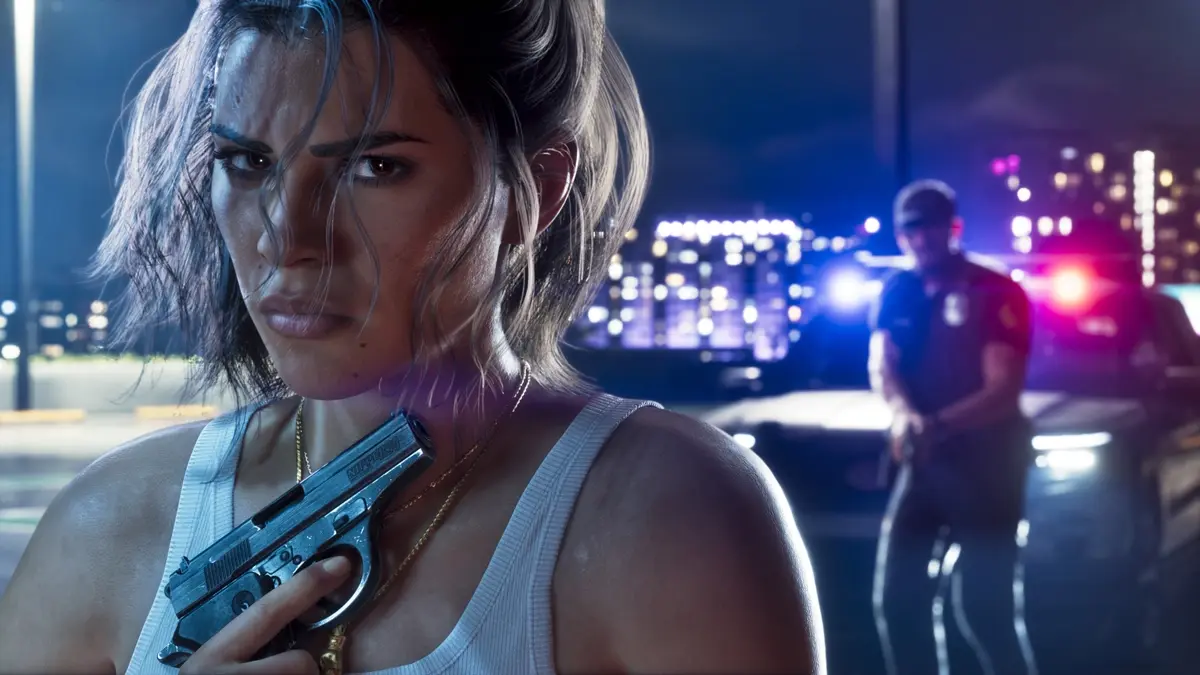
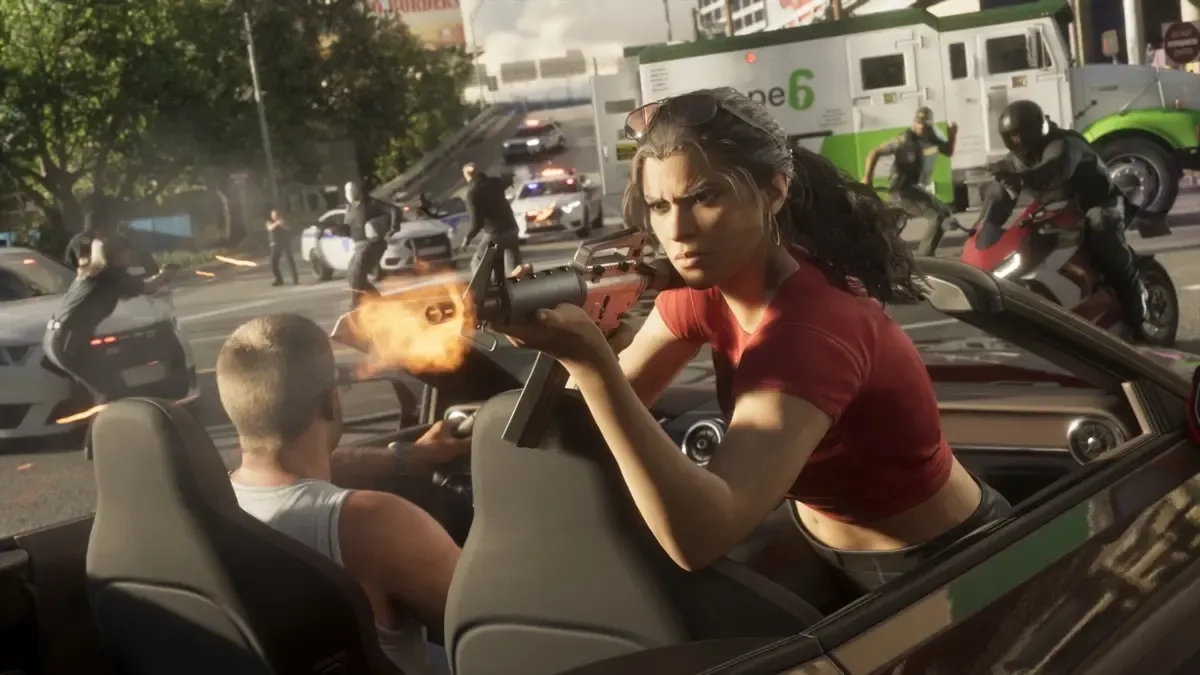
The game’s basic campaign structure is a winning one, if a little repetitive. Jason and Lucia move to different corners of Leonida throughout the story, meeting new faces and executing heists upon arriving at the climax of each of the game’s five Chapters. These heists provide Uncharted-like levels of action-packed spectacle, and often go south in unexpected but thrilling ways, putting players in the shoes of gun-toting criminals attempting to beat increasingly impossible odds time upon time again.
Despite the game’s central crime simulation premise, Grand Theft Auto VI feels closer to Red Dead Redemption 2 thematically–it’s significantly darker than its Los Santos-set predecessor, starring a version of Vice City that isn’t too dissimilar to Cyberpunk 2077’s Night City. Yes, criminals burn bright here–but they also burn out fast. The game is constantly introducing endearing new characters to Jason and Lucia’s journey, only to cruelly remind players that crime doesn’t pay out in the long run. This isn’t to say the central crime fantasy of the franchise is gone–it just carries with it dire consequences.
Where the narrative falters is its pacing. This is a significantly longer game than GTA V, taking me roughly 82 hours to see the credits roll with all narrative side quests (but not all side activities, like hunting and racing) complete. In that time, Jason and Lucia’s adventures change in shape wildly as they journey across Leonida. It’s much like early entries in the franchise in this respect, with the dual protagonists completing odd jobs in Leonida for the most part, until things build up to a massive climax at the end of each Chapter.

GTA has always been an eccentric franchise. It isn’t all robberies and car chases, and this game represents that facet of the series well. You’ll be deep sea diving, racing through mud, investigating the supernatural, making package deliveries, and otherwise engaging with “The Goodtime State” in more ways via narrative quests alone. The game goes to great lengths to poke fun at modern American culture–ranging from pleasure-inducing tampons designed by male scientists, to the trials and tribulations of the average Amazon delivery driver–and somehow does so without feeling overly grating, given how saturated online discourse has become.
The one thing I found conspicuous here is the lack of queer representation–besides one strange coming out twist capping off a lacklustre racing side quest, it felt like Rockstar was a little fearful of including any characters from the wider queer spectrum in the main story. However, it’s more than happy to label non-binary and furry communities (the latter of which gets a particularly amusing side quest here tackling fascism) as perverts through NPC call-outs and radio ads, though admittedly in a way that’s meant to poke fun at the fun-havers, instead of the minority communities at hand.
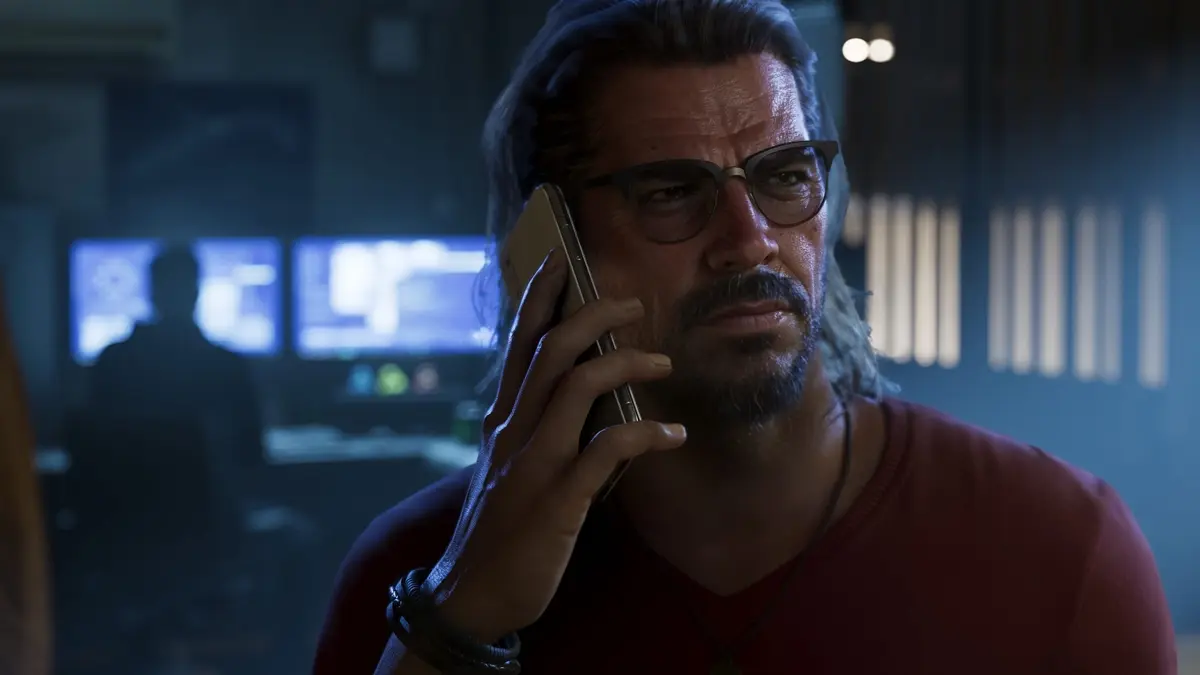
Despite being made with one less Houser running things, GTA VI hits some of the highest highs that this franchise’s adrenaline-pumping crime escapades have to offer. Its story is packed with memorable characters and given tension by way of high stakes, though it can often feel like it’s taking a slow casual jog to the finish line. When it does get there, it ties up all of its loose ends neatly, but not always satisfyingly–some villains are written off rather unceremoniously despite being built up for so long, for example, and the game lacks a meaningful postgame, unlike Rockstar’s last few titles.
Granted, your mileage may vary–the game has multiple endings, depending on your final actions in the story and how much wealth you’ve accrued. In terms of its story alone, this feels like a step down from Red Dead Redemption 2, as impactful as its final moments may still be. Jason is one of the franchise’s stiffest protagonists to date, and while he did endear himself to me in the end, he doesn’t quite measure up to Trevor, Michael, or Franklin in terms of instant likeability.
I’ve long held the theory that any game can be compelling if you’ve spent enough time with it. As its flaws grow more apparent, so too does your affection for its various idiosyncrasies, and your affection for its characters. GTA VI’s rendition of Leonida is one I spent dozens of hours exploring, and Jason and Lucia are familiar faces I now have a really hard time letting go of. Where the story ends up is practically spelled out from the get-go, but I’ll be damned if it didn’t leave me teary-eyed all the same.
Does GTA VI have a remake of GTA: Vice City's map?

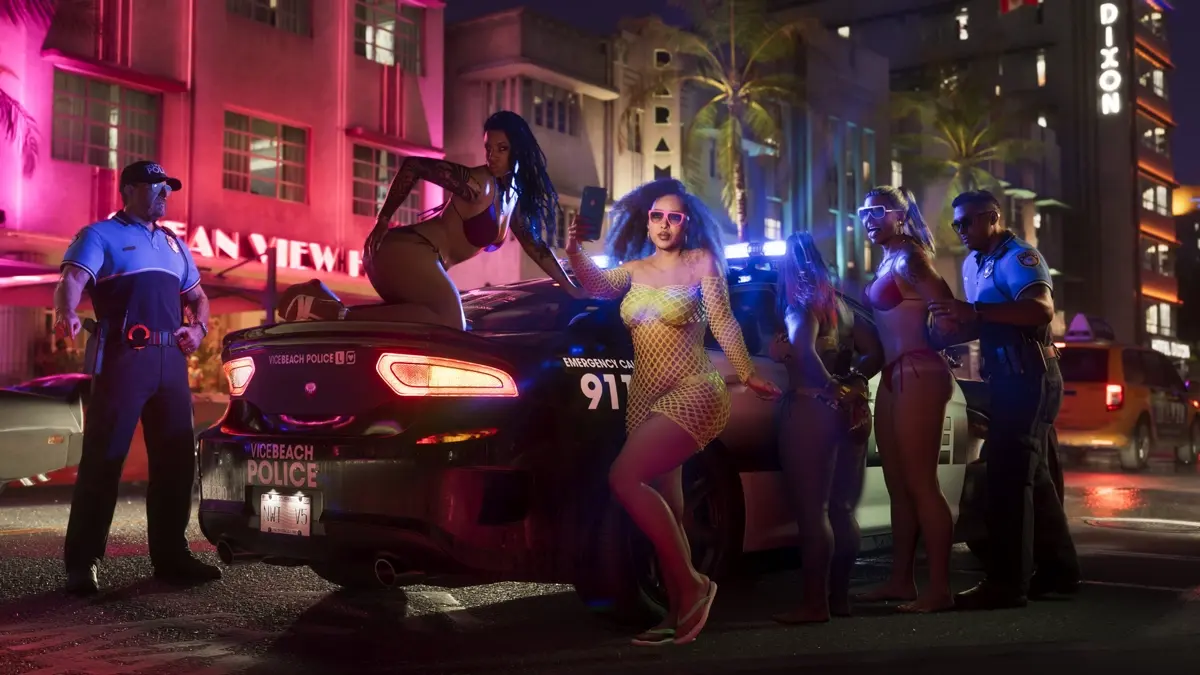
GTA VI takes place in the state of Leonida, incorporating an aged-up version of GTA: Vice City’s map while expanding on its surrounding environs. That means the pastel-coloured buildings of Ocean Beach are present still, on top of the mountainous Mount Kalaga park in the north, the swampy Grasslands to the east, and the tropical Leonida Keys towards the south.
The map is absolutely massive, but somehow at little cost to Rockstar’s signature eye for detail. Environments feel lived-in and diverse, thanks to not only the density of NPC crowds, variety of body types, and vehicle traffic AI, which by themselves raise the bar for games of this scale, but also the type of people you see in each location. For example, low-income areas like Port Gellhorn are populated by unfriendly folks who are more than willing to pull a gun on you at the drop of a hat. NPCs dress in dirty clothes and cheap denim, and convenience stores are cramped and lack security, with vagrants standing outside asking for cash.
In higher-income areas like Vice City, things look and feel rather different. A wide swathe of NPCs here have doubled-dipped in plastic surgery and flaunt as much, while dressed to the nines in maxi dresses and fancy suits. Cars are small and fast, and banks are much bigger and packed with armed guards. Various criminal factions have also seized their own little corners of Leonida, and each one comes from different cultural backgrounds, reflecting their controlled territory.
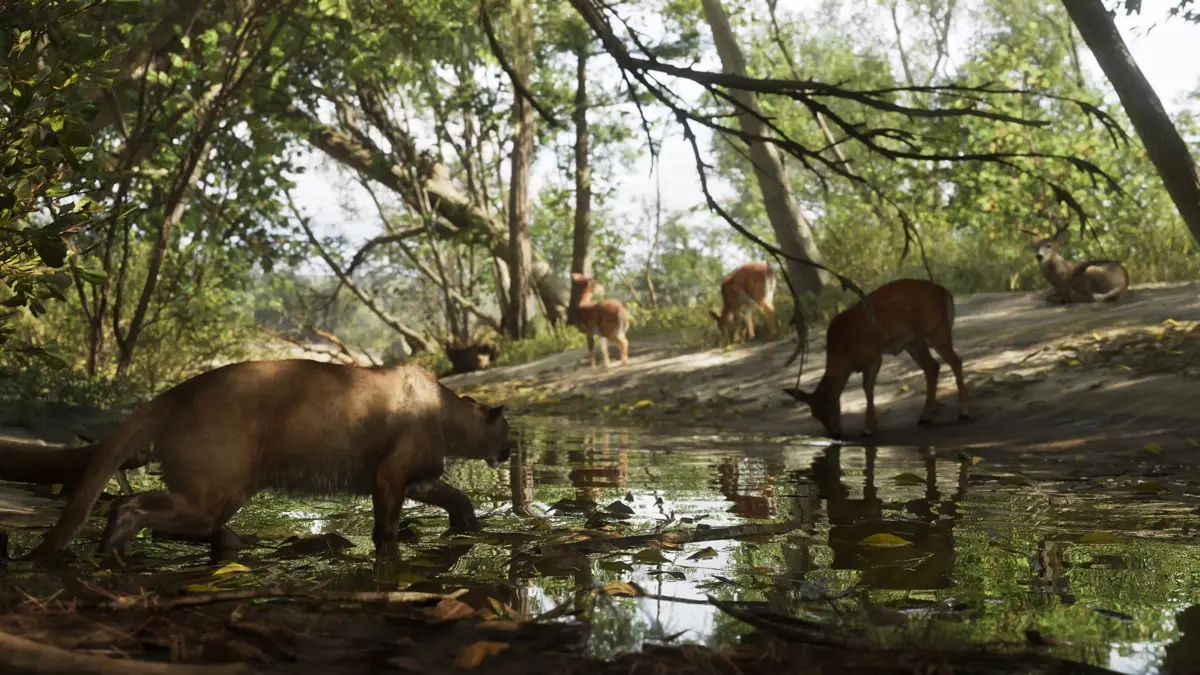
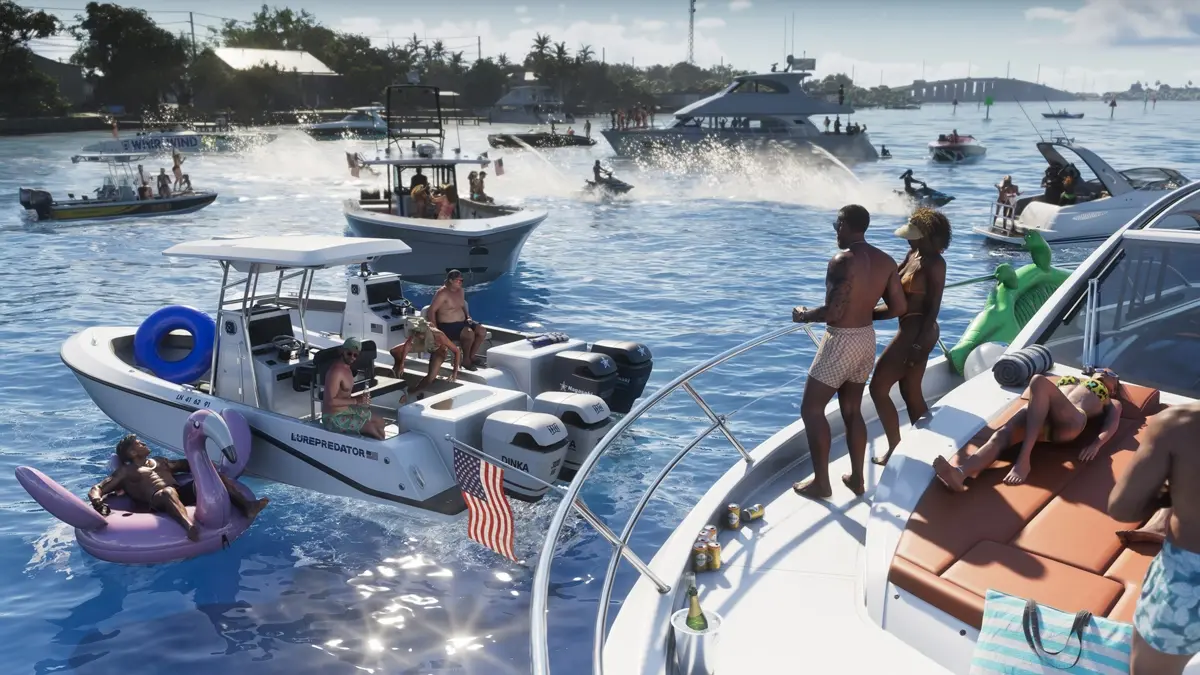
Each corner and every crevice of Leonida is packed with detail, to the point that it’s sometimes difficult to discern a scripted story event from an ordinary day in Vice City. Cops will pull cars over to write them a ticket, and tourists will gather on islands for a beach party. At the same time, someone may ask you to help spray fecal matter all over the home of their employer, or a group of Satanists might pull you into a rock-and-roll trip through hell.
Either way, it feels like the world is constantly moving with or without you in it, making Leonida feel incredibly lively and interesting to explore. I’ve lost count of the number of times I pulled over in Leonida to check out something that looked interesting from a distance, only to end up in a shockingly fleshed-out multi-part questline. The level of immersion is so strong here that you’ll want to engage with Leonida on its terms organically–ignoring fast travel (via public transport) to go on long drives, or simply explore many of the game’s surprisingly detailed interiors, like tech shops and malls. While you do so, chances are high that your journey will be derailed by something rather interesting.
The game’s side quests are classic Rockstar fare, top-tier stuff that incorporates the wildest members of Leonida’s colourful populace as they get into all manner of shenanigans. I’d argue that the missions here are even more bombastic than GTA V’s, with Rockstar doubling down on iconic elements of the series, like cryptids and conspiracies, for unexpectedly elaborate questlines, all of which are entirely optional outside of the main story. Some secrets present themselves in rather unexpected ways, leaving you always uncertain where a night out in the town might eventually take you.
GTA fans will also be relieved to hear that there are plenty of Easter eggs and references to past games in the franchise to be found, from name drops of Los Santos and Liberty City to in-universe brands like iFruit and Bilgeco returning to the fray. Vice City’s map is cleanly laid into Leonida’s map, with paint-chipped buildings and aging hotels remade from the iconic 2002 video game.
The music of GTA VI also deserves a special mention here, as the game would be significantly less cinematic without it. The licensed radio tracks–which include all-new songs released with the game–often left me unwilling to finish a drive simply because I was vibing with the music too much. Justice’s pulsating electronic score is also fantastic, building upon itself during heists and shootouts to give missions an escalating sense of tension.
GTA VI performance on consoles: does it hit 30fps?
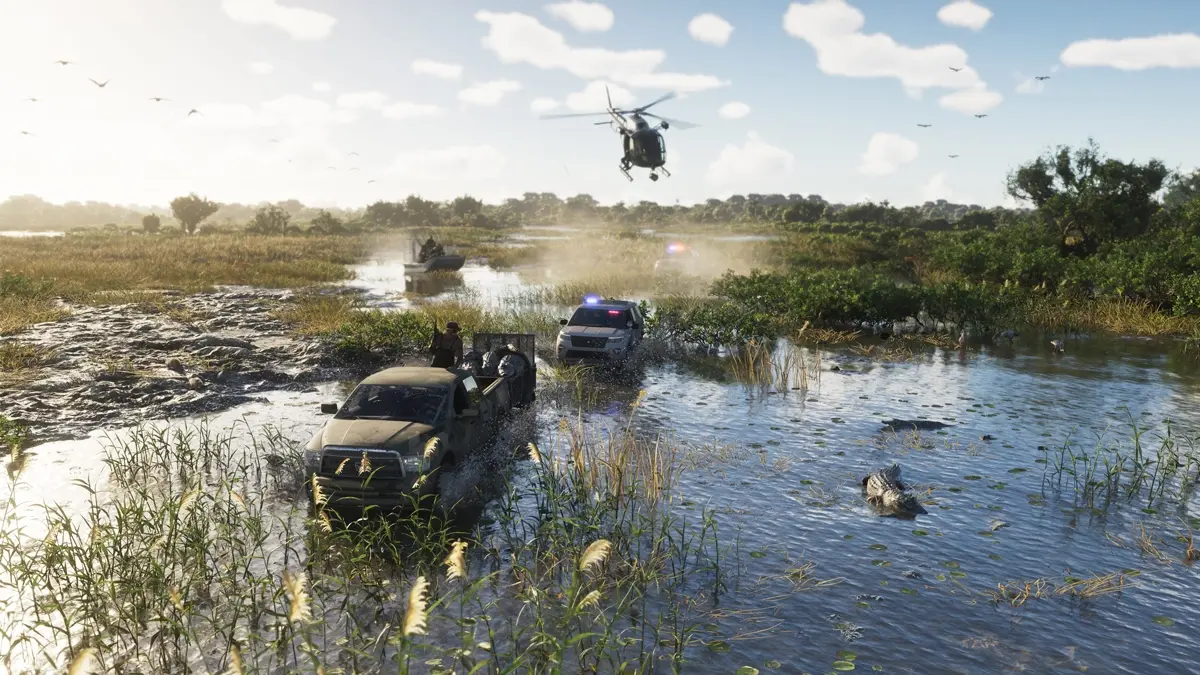
Now comes the lowest point of my time with GTA VI: its performance on the base PlayStation 5 console. GTA VI only has one 30fps performance mode, and while that does take some getting used to in this day and age, it really wasn’t an issue for me overall. After all, Red Dead Redemption 2 ran at an oftentimes rough 30fps on PlayStation 4, which is where I played it at launch. This game boasts a similar level of maxed-out fidelity for its own console generation; there is simply no other game with an open world that feels this real or looks this good on PS5.
The problem is that the game hardly ever maintains a smooth 30fps without making frequent dips during gameplay. Busier environments, like Mount Kalaga’s park teeming with foliage, or especially dense segments of Ocean Beach, bring framerates crashing down to the 20s. Performance also worsens during high-octane action sequences like driving, shootouts, and quickly-edited gameplay montages.
Again, this is not surprising due to the sheer level of particle effects being thrown onscreen during shootouts alone, but it does actively hamper one’s enjoyment of the game when its framerate makes such frequent dips. It can make gameplay difficult to read during the game’s most intense story sequences, like its climactic heists. Driving also takes a hit, as speeding through busy environments in extremely fast sports cars causes the game to lag out.
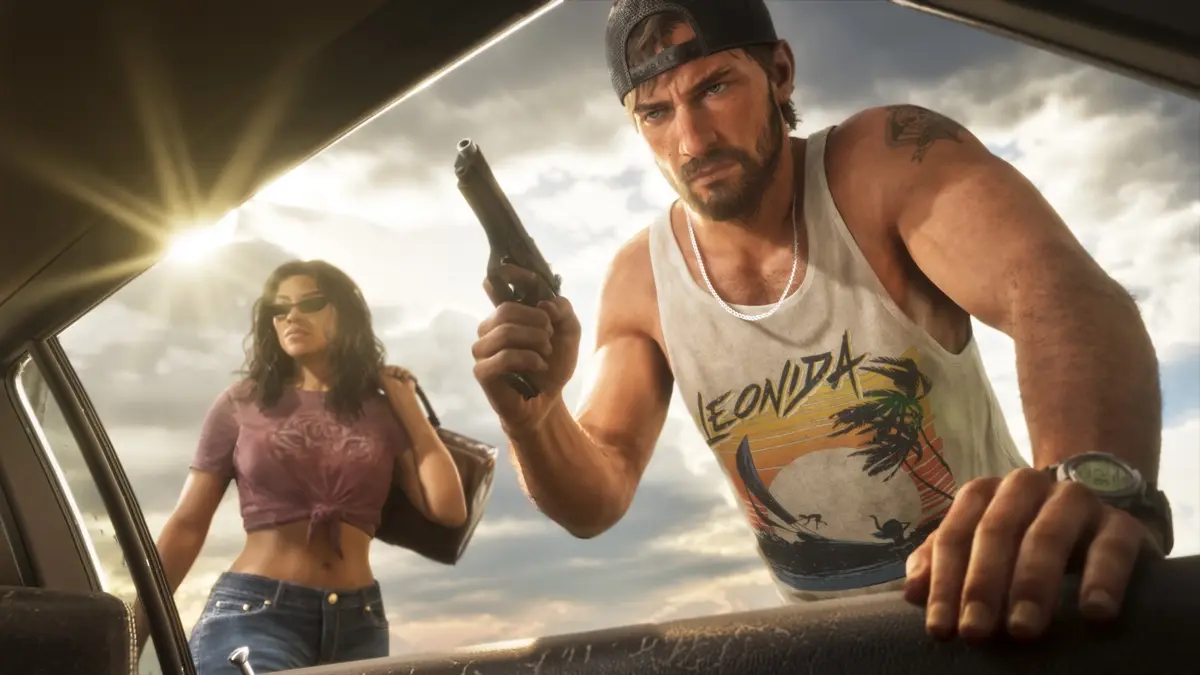
It’s clear that Rockstar wasn’t willing to compromise on GTA VI’s visuals, even at the cost of its console performance. The developer has rarely put out a game with flawless performance in recent times (even Red Dead Redemption 2’s PC port was originally rife with technical woes), so this is just par for the course. However, I do think this is bad enough that you might want to hold off and play the game once it hits PC with, hopefully, a stable framerate at the very least.
It’s a real shame, because the game is otherwise a graphical showpiece on the PS5 with remarkably glitch-free gameplay throughout its lengthy campaign. I genuinely couldn’t believe how good the game looked at times–if not during its stunning cinematics, then certainly while exploring its robust open world. Alas, the framerate issue popped up often enough to hamper my enjoyment of the game, regardless of its many other technical achievements.
Does GTA VI have any sim gameplay mechanics?

In many ways, GTA VI feels like a sequel to Red Dead Redemption 2 rather than GTA V. Certainly, all the hallmarks of a traditional GTA game are still present here. From car chases and gunfights to bank heists and a six-star Wanted system, this is a GTA game through and through. However, this also the most intimately detailed a GTA game has felt in a long time, packing in many more sim-like features than its predecessor had afforded players.
Mechanics like weight gain and outfit customisation work much the same as Red Dead Redemption 2–if you eat a lot (and I mean a lot, it’s not easy to gain weight), then Jason and Lucia’s body shape will change accordingly. If you eat too little, they become hungry and their stamina becomes affected. Body fat and muscularity are calculated separately–meaning that Jason and Lucia can be a little overweight and have high muscle mass at the same time. Jason and Lucia’s character models sport muscular deformation and body physics, which means that the effects of working out a ton or eating too little are quite literally more than just skin deep. You can physically see the difference when Jason and Lucia wear tank tops and dresses, even in cutscenes.

The game’s crime mechanics are also more thoroughly fleshed out this time around. As Jason and Lucia work their way up the criminal food chain, they’ll move from convenience store stick-ups to bank heists. The bigger the score, the more complicated the heist. It’s always better to have both of them involved as well, so one can keep employees quiet while the other empties the safe. In the event that both end up being chased down by cops, they’re also able to do things like change their clothes, change vehicles, or simply put on a hat and glasses to throw the police off their tail.
Throughout all of it, you also have the option to swap between either character–meaning that you can let Lucia handle the driving while Jason shoots down a pursuing helicopter, or switch to Jason to keep an eye on the other side of a bank during a robbery. During heists, you can destroy camera recordings and turn off alarms, and even find alternate points of entry to ensure robberies go off as stealthily as possible. The reactivity of Rockstar’s world and NPCs is on full display here, as a quick cash grab can quickly go sideways and turn into a five-star car chase if you’re not careful. Cops are clever, setting up roadblocks and helicopter pursuits when you rack up a high enough wanted level, so evading them is no joke.
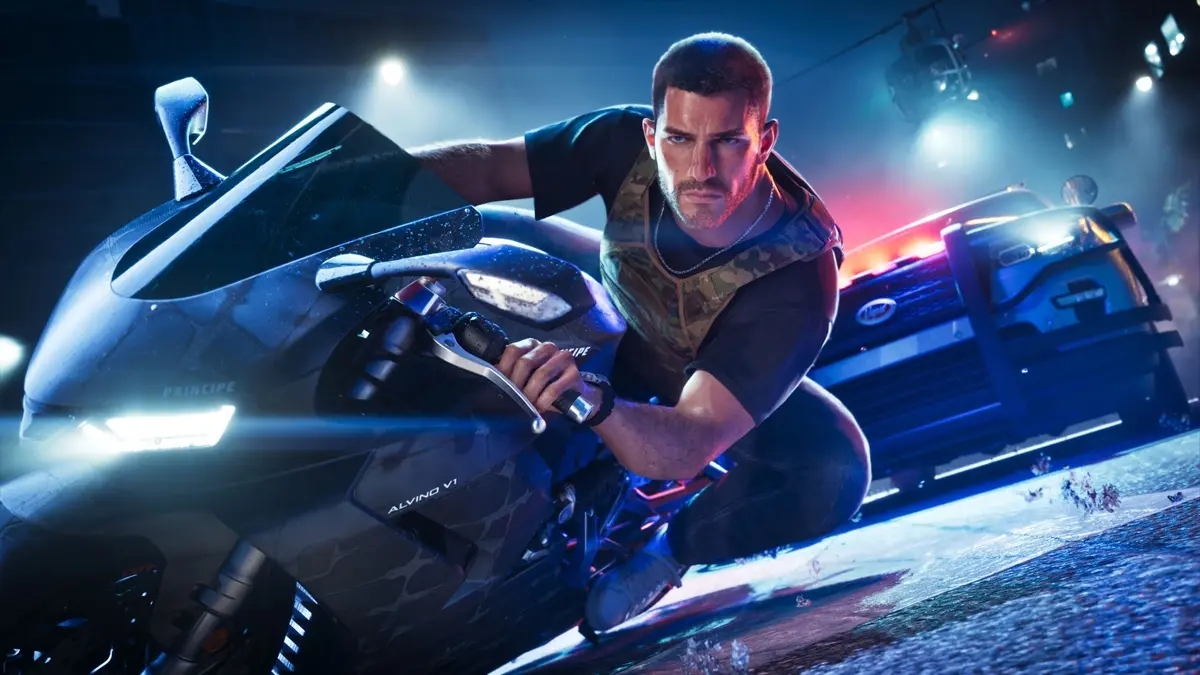
This all means that the game’s story heists are often easily recreated in actual gameplay. Sure, their level of spectacle is often loftier–but getting chased down by cops, ducking into a parking lot, switching cars and outfits, and then driving out unrecognised provides the exact kind of exhilaration that the most iconic heist films attempt to deliver on the big screen. The difference here is that you’re in the driver’s seat, and you have the agency to decide how Jason and Lucia get in or out.
GTA VI’s gunplay is largely unchanged from Red Dead Redemption 2, besides the manufacturing period of the weapons involved. Weapons look and feel fine, and offer extensive levels of customisation–but combat itself is not terribly challenging, nor did it provide me with as many opportunities for creativity as I would have liked. Shooting galleries largely offer the same cut-and-paste experience, with vehicle chases and stealth sequences often peppered into the story to mix things up. There aren’t a whole lot of reasons to change the weapons you use on the fly, as many are equally effective in combat, especially if you’re trying to avoid lethality by taking out enemies’ kneecaps for a takedown.
Driving, however, feels markedly better than GTA V. Again, there are tons of customisation options–from lighting and interiors, to decals and body material–on top of a wide variety of different vehicle types to use. Large vehicles are slower but more useful in car chases, as they can take more hits. Smaller vehicles may be fast, but much more fragile as a tradeoff. Ultimately, you might choose to go for a classic sports car or an SUV depending on your aesthetic values–there are no wrong answers, and you can always give them a tune-up at Leonida’s many mod shops to get them where they need to be.
How much player freedom is there in GTA VI?
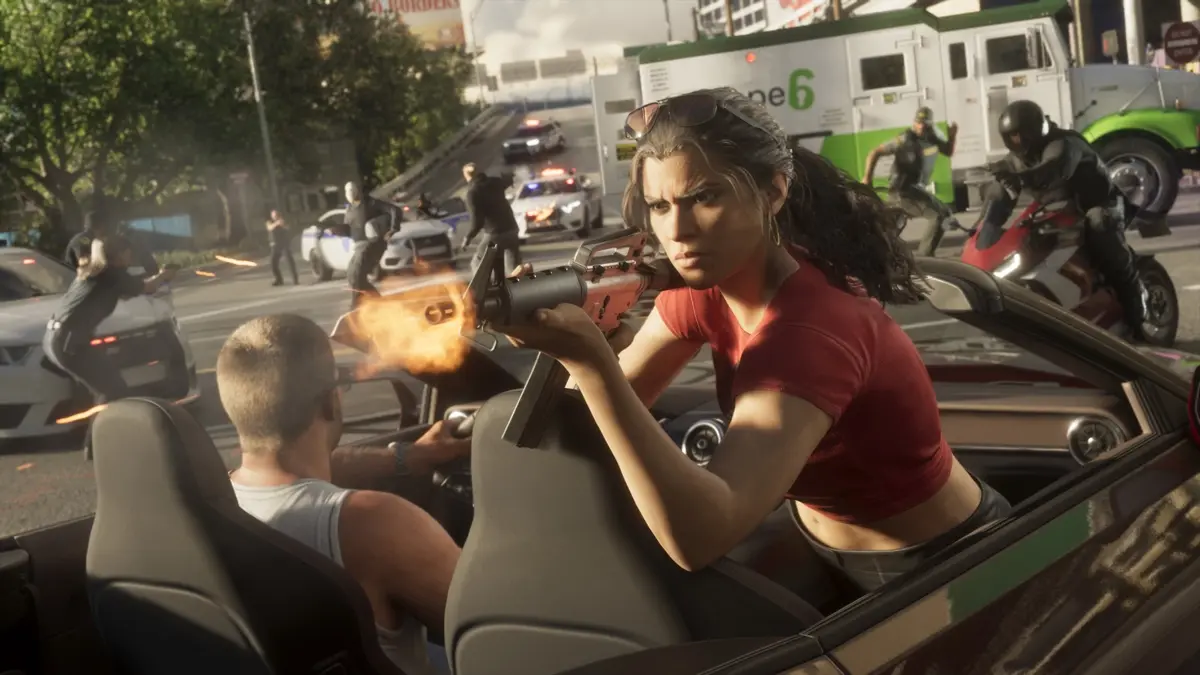
The world of GTA VI is overflowing with gameplay opportunities outside of narrative content alone, to the point that I’m confident many will spend most of their time simply doing optional activities like hunting, racing, and going to the gym, rather than seeing the campaign through. The sim-like mechanics add layers to Jason and Lucia’s daily lives, allowing you to further immerse yourself in the various corners of Leonida that they visit. Waking up in the morning, going to the gym, hitting a bank for a big score, and then retiring to watch TV at home with Jason or Lucia is a real daily routine you can cook up here, and one that feels satisfying enough to keep you plenty occupied outside of the main story.
When Red Dead Redemption 2 launched, its linear missions–which would often box players into taking specific paths during missions–were heavily criticised, as they were fashioned at the cost of player agency. With GTA VI, Rockstar seems to have taken those complaints to heart. Even the most inconsequential side quests can go a different way if you choose to go off the beaten path, and the game hardly ever spells your options out for you. In one mission, you may be given a straightforward “spare or kill” choice to decide how to deal with an enemy. In another, you can either sit around while watching an ally engage with a shootout before dying in battle, or pick up a gun and aid them. Both options will have different outcomes, depending on your given impulse at that moment.
It’s refreshing for a massive narrative-focused game like this to have a looser grip with its storytelling–setting scenarios up so players can see things through for themselves. They aren’t given as wide a berth as, say, The Legend of Zelda: Breath of the Wild does, but even the campaign’s looser structure doesn’t have a fixed progression path. You are often given multiple main quests to complete all at once, and the order in which you go about it is entirely up to you–there are roughly 100 missions all in all, so what’s the rush?
That being said, not all 100 of those missions are winners. In an attempt to avoid spoilers, I’ll put it like this: while the journey is almost unerringly spectacular, the destination can sometimes prove unsatisfying. After all the work you put into helping a side character out, they might take a wild U-turn at the end and perish in a final and completely flabbergasting blaze of glory. Characters bounce back and forth in personality between missions, to the point that their actions feel erratic and nonsensical given what you’ve already learned about them.
It’s almost like they’re being handed off to another writer from one mission to the next like a line of comedians playing improv. Where these quests might often leave you wanting, however, Jason and Lucia's hangouts often dissect the day's events to give these storylines some much-needed closure.
Verdict
Grand Theft Auto VI once again proves that no one’s doing it quite like Rockstar Games. Even after heavy-hitters like GTA V and Red Dead Redemption 2, the developer has once again managed to one-up itself by creating a bountiful open world practically spilling over with opportunities for story and exploration.
At almost every moment, the game invites you to further steep yourself in its living world. Whether you’re brewing a cup of coffee or dressing up for a beach date, you’re making choices to stay connected to the world Rockstar has conjured. It’s the kind of immersive magic trick few other games in this genre can replicate.
Jason and Lucia’s story might not be the most compelling campaign in the franchise, but it is by far the most fun to play through. Massive heists and high stakes keep the tension rising, while colourful characters and tons of side activities ground the duo even as they move further up in the world.
Was GTA VI worth the 13-year wait? It's a difficult question to answer, as few things could possibly be worth that level of patience. Nevertheless, a game like this feels generational and industry-defining. I’m just glad to have experienced it in my lifetime, though I will admit, the wait was really killing me.
Grand Theft Auto VI launches on 19 November, 2026, on PlayStation 5 and Xbox Series X|S. We received a copy of the game for this review. We were not able to take screenshots or videos during our review period with the game. Hence, all images are provided by Rockstar.