1. The International 2014
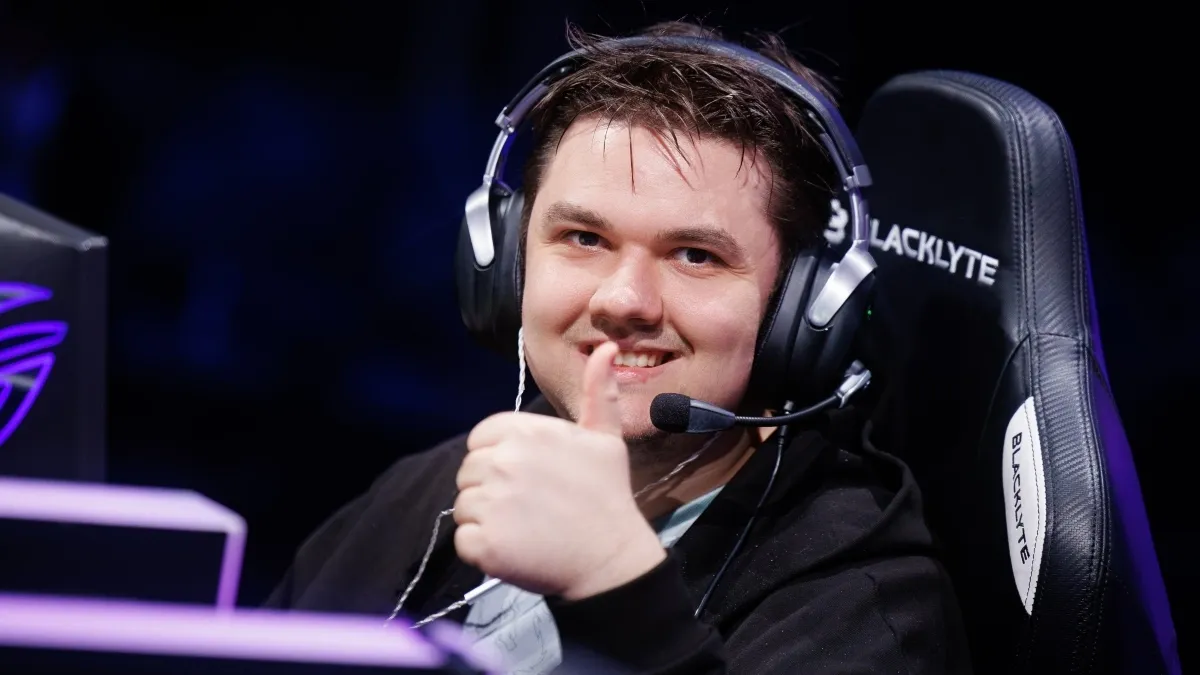
The International has always been the centrepiece of competitive Dota 2, and this year it hit a new scale of grandeur with the main event moving to KeyArena in Seattle. With a capacity of over 10,000 people, the main event was a different sight to behold from the previous instalments of the event. Having lost the intimate and cosy feel of the Benaroya hall, all there was left was to surpass all of that with a sense of grandeur and achievement.
Amidst the sell-out crowds and the cheering, The International 4 could be said to have been a roaring success. From the qualifiers – with the nonstop streaming at the EU and NA hubs – to the massive 16-team, 120 game round robin group stage, the path to the summit of competitive Dota has never been harder, and never before swathed in as much glamour.
Of course, the biggest change to the International was to up the ante. The stupendous amount of money contributed to the Dota 2 prizepool was record-breaking in every way. With a final prizepool of $10.9 million, NewBee won themselves a cool $1,000,000 USD each, immediately sealing their place in the record books as the top earners in eSports history.
2. Return of Chinese Dota
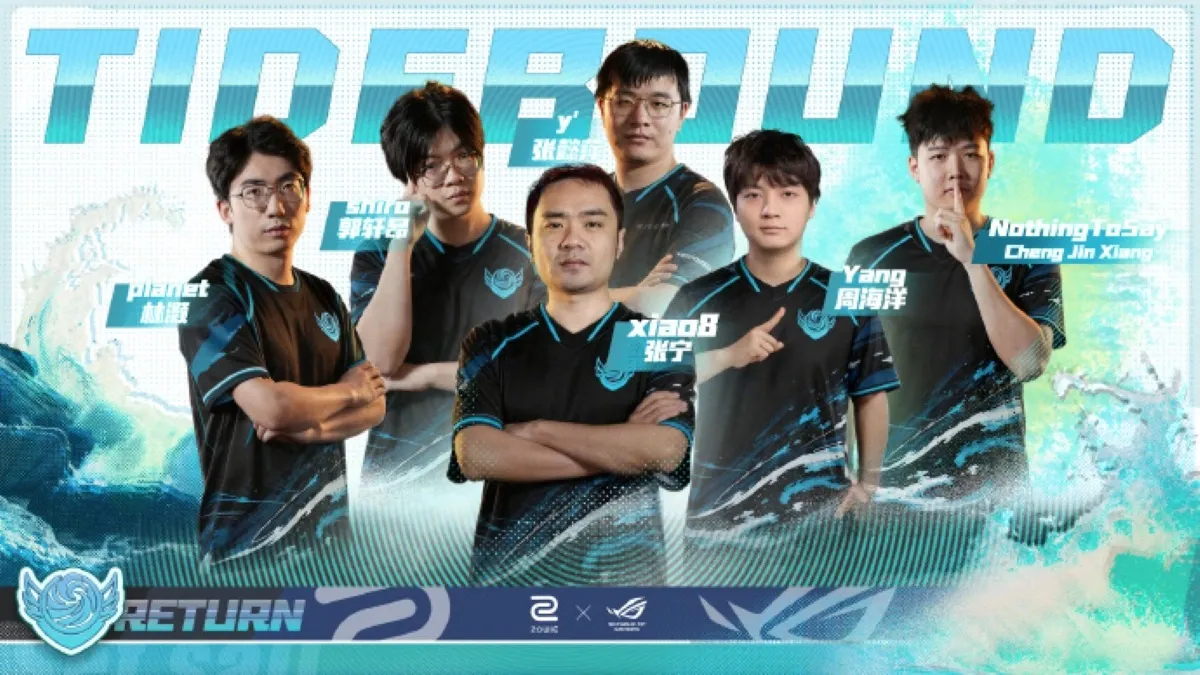
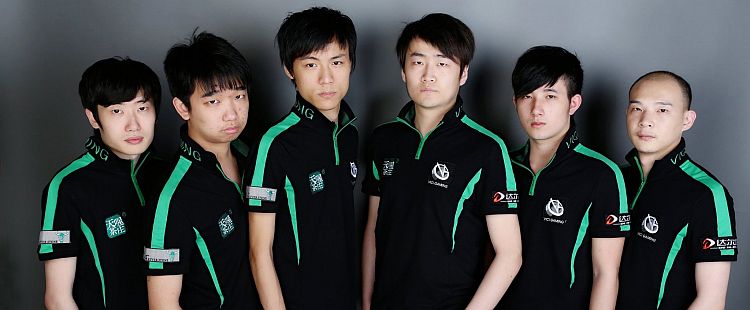
If The International 4 was all about outdoing previous years in achievement and scale, then 2014 was an amazing year for Chinese Dota. After a torrid stretch topped by the failure of any Chinese team to get onto the podium at The International 3, the Chinese overlords seem to have made a resurgence in 2014 to lay claim to their position at the top of the Dota 2 hierarchy.
Amidst the multiple premium tournaments featuring participants from both the East and Western spheres, Chinese teams took the championship in all but two of the tournaments – The Summit 1 and the World E-Sport Championships, which were both won by EG.
To say the least, the balance of power has evened out hemispherically over the past year, albeit with Chinese teams increasingly grabbing the reins of power. With the ongoing Western reshuffle and the upcoming Chinese reshuffle, things look set to change. Only time will tell who will reign supreme.

3. Increasing size of LAN tournaments
The gargantuan success of The International 4 is one of the key highlights of the year, but it has not completely overshadowed the numerous premium tournaments that have been organised over the past year. The major tournaments featuring an East versus West storyline have all been particularly memorable – Team DK's 9-0 perfect streak at StarLadder Season IX, IG's 22-0 demolition of EG at ESL One Frankfurt, and EG's comeback victory at The Summit 1 have all provided breathless moments for viewers across the world.
More importantly, the growth of the scene has been best represented in the increasing prizepools all around: more people are buying tickets and sets, and more and more tournaments are being hosted. While problems have emerged recently over an oversaturation of tournaments and an increase in consumer dissatisfaction, it is inevitable that we conclude that 2014 has seen another surge of growth for Dota 2.
The main challenge that lies ahead, then, is the sustenance of leagues and tournaments amidst increasingly tight schedules and purses. The problem of travel also remains to be solved: with dates for LAN finals being at a premium, it is inevitable that organisers clash over the best dates and invites for teams.
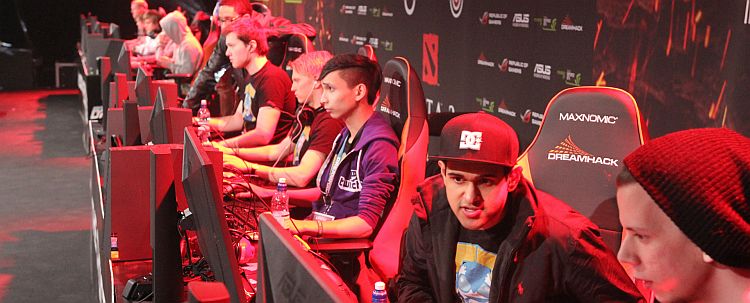
Team Tinker at DreamLeague, one of the tournaments plagued by problems
4. Tournament organiser/administration problems
The debacles surrounding tournaments could be summed up to three major problems. The most obvious problem was that of oversaturation and competition amongst the tournament organisers, which has affected ticket sales, prizepools, and consumer satisfaction.
The more dramatic problem, however, has been the inability of many tournament organisers to pay teams their deserved winnings. From the premium tournaments – e.g. StarLadder, WPC-ACE – to the regional tournaments, there have been accusations flying across from players, managers and organisers over tournaments not paying teams their dues. To protect the players' and teams' interests, Virtus Pro's CEO has also sworn to boycott such tournaments until the winnings have been paid.
While the Chinese scene is not bereft of problematic tournaments, they have WPC-ACE to manage and regulate the scene, which gives them bargaining power over tournament organisers. However, the West lacks such a system, but this may be remedied by the upcoming players' association/union. In China, the ACE Alliance has been befraught with controversy (especially over their ties with WPC), and we may yet see a new association rise to take its place.
The other problem plaguing tournaments of late is the administration of these tournaments. DreamLeague was plagued by poor administration over its qualifiers, with the notable case of administrators asking a team to provide a stand-in, to be fair to their opponents who had one. At the same time, LAN events have not been starting on time, with programmes being delayed and match times not being adhered to. Some of the most controversial arguments include the debacle at the WCA tournament in China, featuring poor connections and the choice to continue playing at LAN past midnight.

5. Disappointing teams
The passing of years and tournaments means that each team builds its own legacy and meaning for their fans. While teams disappoint fans from tournament to tournament, 2014 has been a rather painful year for the West, with the two top teams in 2013 losing much of their lustre this past year. While tides rise and fall, it does feel like some teams have fallen much further than they should have, in particular Alliance and Na`Vi. The two powerhouses have fallen short of all expectations placed on them this year, particularly with defending champions Alliance's performance at TI4.
Interestingly, the year was capped off by a resurgence of the CIS teams, with both Virtus Pro squads making a resounding statement of their intentions in 2015. This turnaround was a large change from from the end of 2013, where the instability of the CIS teams like Empire and VP were a mainstay of their scene, and a major stumbling block towards challenging the rest of the world.
The disappointment ran both ways, however. The much touted Dream Team of Team DK failed to break into the top three positions at TI4, and shortly disbanded soon after. The tears of fanboys withstanding, the failures of DK were mirrored by the failures of IG. At the very least, their disappointment served as a catalyst for the old guard in China to retire – LaNm, BurNIng, rOtk, and YYF being the casualties of the post-TI retirement phase.
6. New talent
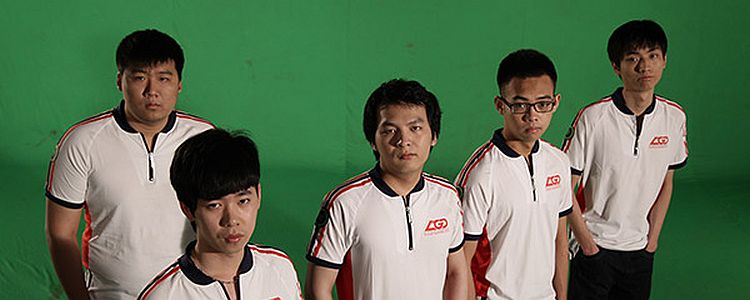
In particular, the retirement of the Chinese old guard has reignited the scene through reshuffles, and brought new talent out to the forefront of Chinese Dota. In the same way, we have seen the rise of new faces across the board. The West's new talents (while not being pure amateurs) are definitely the support duo of EG: Zai and PPD. Other noteworthy players include DKPhobos' return to competitive play, and the springing up of multiple new teams in the post TI4 shuffle. From FNG's rise to prominence with Na`Vi and Virtus Pro Polar, to the players of Lajons and 4ASC, it appears that the West is experiencing a surge in new blood towards the end of 2014.
On the other hand, the Chinese scene has also grown, with talented youth players now joining the ranks of the top teams – InJuly, Zyf, InFlame, and June being some of the players soon to become household names. The most impressive rise in form is undoubtedly the young team CDEC, formerly the youth squad of LGD. They have steadily become a team that can challenge with the top dogs in China, proving that youth and stability can be a match for the seasoned veterans.
The importance of new talent cannot be understated, since the youth bring with them passion, innovation, and a determination to scale the seemingly unassailable heights of the old guard. While names will pass into legend, it is inevitable that new talent will continue to drive the growth and development of the scene, and we can only eagerly await for the next prodigy to emerge into the scene in 2015.
7. 6.82: Map and balance changes
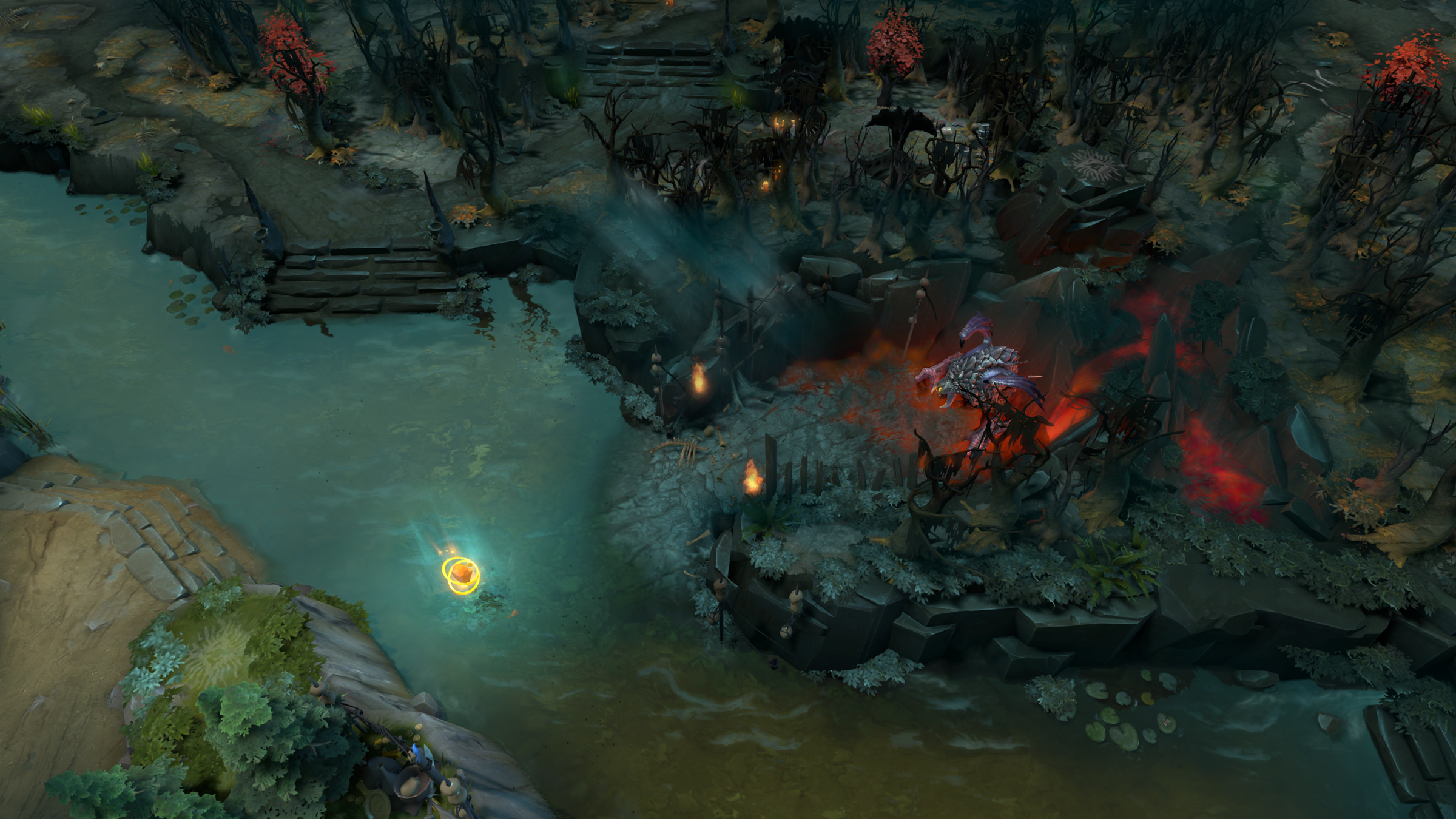
The keynote patch of the past year is undoubtedly 6.82, bringing sweeping changes across the table. While the other patches have introduced new changes, such as the Phantom Lancer and Bloodseeker redesigns, the most important changes are centred upon the change to the map. The most prominent of these is the now very accessible Roshan pit, which opens up to both Radiant and Dire, depriving the Dire of their previous overwhelming advantage. The addition of new paths and new ward spots have also created a greater complexity in movements and rotations across the map, diversifying hero movements as well as warding decisions.
The other change came on heavy-handed at first, but was quickly patched over a fortnight to better reflect IceFrog's intentions. That is, the change to the gold and experience rewards in hero kills. Unofficially dubbed the Rubberband Effect, it effectively transformed the game into a late-game see-saw when it was first launched. In short, the changes switched the previously linear scaling of hero bounties into one of relative scaling. The larger the disparity between the teams, the lower/higher the rewards for killing their opponents.
Other important balance changes in 6.82 include the shortened duration on Aegis from Roshan, as well as the change towards balancing the RNG issues with the rune system by creating Bounty Runes. The changes have been felt strongly in competitive gameplay, with more heroes opting for a bottle now, and the nerf to bottle-crowing has also made securing runes ever more crucial for the mid-laners.

8. Dota 2 development
After the Give Diretide Fiasco of 2013, it appears that Valve have learnt a lesson about communicating with the community. While being upfront about the lack of a Diretide and Frostivus this year, Valve also gave us the New Bloom and Nemesis Assassin events. The festivities have coincided with the off-season for the competitive scene, which does highlight the route that Valve intends to pursue in the future – whereby events create a filler during the downtime of the competitive scene.
2014 has also been a year where we have seen the launch of multiple heroes – in reverse order, Oracle, Techies, Terrorblade and Phoenix. While the number of heroes added each year thins, the number of heroes left to be ported over also number four. Will 2015 be the year in which the roster is complete?
On top of this, the economy has received many changes as well, including the addition of many new arcanas, immortals, and an update to the chest system. The removal of keys and key trading will affect the economy in unexpected ways as traders search for a new unofficial currency. The recent institution of trade restrictions on unboxed items also creates more problems for consumers who are unable to trade sets from the chests any further.
9. Item betting and DDOS
The growth of the competitive scene has created some notable adverse effects as well, most notably that of item betting, DDOS attacks, and match fixing. The growth of item betting as a means of encouraging spectatorship involvement and spectator interest has brought with it the ills of sports gambling, most prominently envisioned through flame directed at the players. Teams and players are flamed for underperforming, or failing to win specific matches and tournaments, often through social media sites, and on the various portals and content aggregators of the Internet.
The monetary incentive in playing matches has created problems within the competitive scene – most notably through the increased number of Distributed Denial of Service attacks upon the players' internet connections. Many a game has been suspended, paused, or delayed for hours because of the players' inability to connect back into the game. The additional option of reloading a save has been buggy at best, and as such has not been a consistent alternative towards long-haul pauses.
The access to monetary incentive has also taken root in a repeat of the headline-making Solo 322 incident in 2013. This time, the problems were exacerbated with an entire match-fixing ring in the South East Asian region being revealed, implicating much of the Filipino scene. Due to the isolated nature of the SEA scene globally, backlash was contained well until the explosive and unrelated revelations of Arrow Gaming throwing a match were revealed. The Arrow Gaming incident threw doubt into the SEA scene for being a cesspool of dishonesty, especially when Arrow represented the region as the winners of the TI4 SEA qualifiers.

10. GosuStats Section – Our year in numbers
GGnet Dota 2 news written: 1220
Most hits: TI4 Groupstage Day 2 Results
Biggest roster change according to hits: NewBee becomes the new dream team
Most controversial news: DK without scrim partners a misunderstanding
GGnet Dota 2 features written: 133
Feature with highest hits: TI4 predictions invites and qualifiers
Most controversial article: Space to Succeed: The Infrastructure of New Talent Development by Azarkon
Best opinion article: How Did Alliance Fare so Badly at TI4 by PatrickBaitman
Runner-up: Rumour Mill: EG to pick up three more teams? by Skim
GGnet Coverage page with most hits: The International 2014
GGnet Coverage page (outside TI4) with most hits: The Summit 2
More content on GosuGamers