Musashi may be Onimusha’s most reluctant hero yet.
Whenever a beloved game franchise returns after a long absence, there is always going to be some excitement around its comeback. That anticipation becomes even more pronounced when the franchise has been dormant for a decade or more, but nostalgia can only carry a revival so far. At some point, the franchise still has to prove that it has the chops to stand out in the modern day.
Onimusha: Way of the Sword gets that balance right. It does not simply take an old formula, polish it with modern technology, and call it a day. At the same time, it does not reshape itself around whatever mechanics happen to be popular in action games today. Instead, it finds a balance between what made Onimusha work in the first place, and what players now expect from a modern action game.
Musashi is perhaps the clearest example of that approach. He is not the kind of protagonist built to immediately win players over, nor does the game seem particularly interested in endearing him to you at all.
Onimusha: Way of the Sword
Release Date: 4 September 2026
Platforms: PlayStation 5, Xbox Series X|S, PC
Developer: Capcom
Why Onimusha: Way of the Sword’s Musashi stands out as a protagonist
Capcom presents Miyamoto Musashi as a very different kind of action hero. He is not some valiant hero setting out to free the world from danger and oppression, nor is he the stoic swordsman with a dark past and some greater mission driving him forward. He does not quite fit the hot-headed comedic hero trope either. Not that any of these archetypes are necessarily bad; when done well, they can certainly make for truly memorable characters.
Musashi, however, is much harder to pin down. He is also noticeably different from previous playable characters in this series. Samanosuke and Jubei were much more serious and stoic, with duty and responsibility playing a much bigger role in why they fought. Even Soki, while more playful at times, still largely fit into that mould. Musashi comes across almost immediately as someone operating on a completely different wavelength.
Capcom draws heavily from the legendary Japanese swordsman, particularly the image of the younger Musashi as a hot-blooded, fiercely competitive fighter who wandered in search of stronger opponents and more opportunities to prove himself. That competitive streak is present throughout the game, and it colours almost everything he does.
Warn him that an enemy is particularly strong and his response in the Japanese dub is often an amused “omoshiroi”, or “interesting”. Danger rarely makes him back down. If anything, telling Musashi that something might be beyond him usually makes him more interested in finding out for himself.
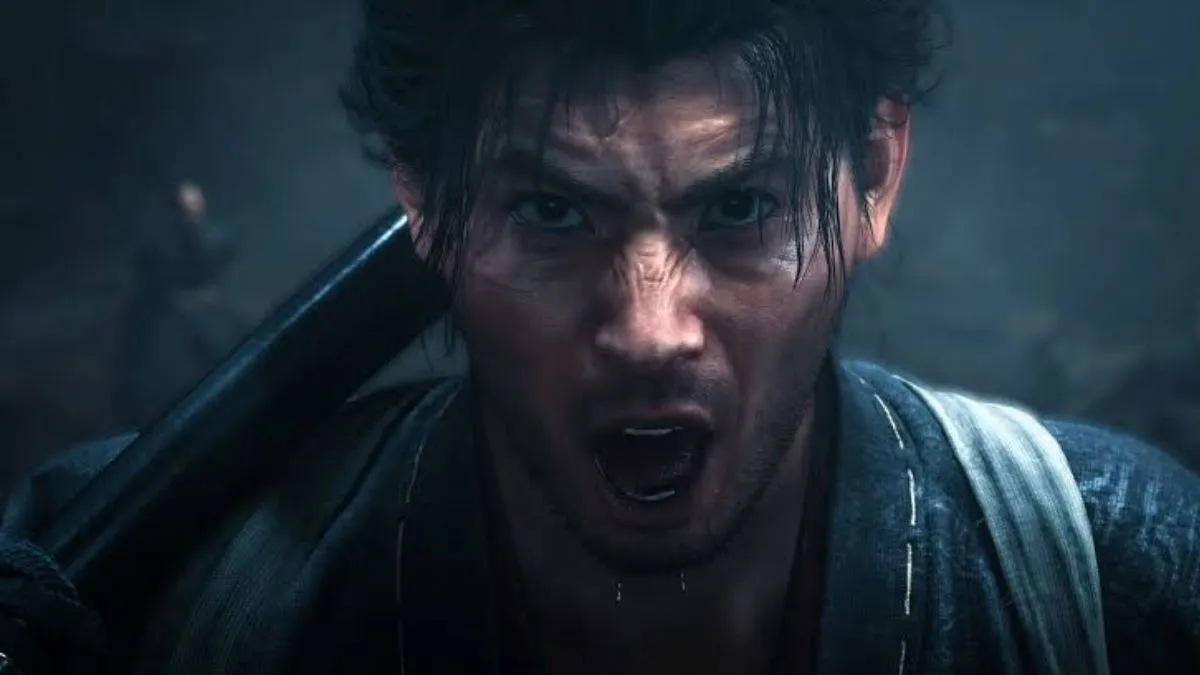
Part of what makes him such an unusual lead is that he is not always motivated by duty, justice, or even self-preservation. Sometimes, a dangerous opponent is enough. The threat itself becomes the invitation.
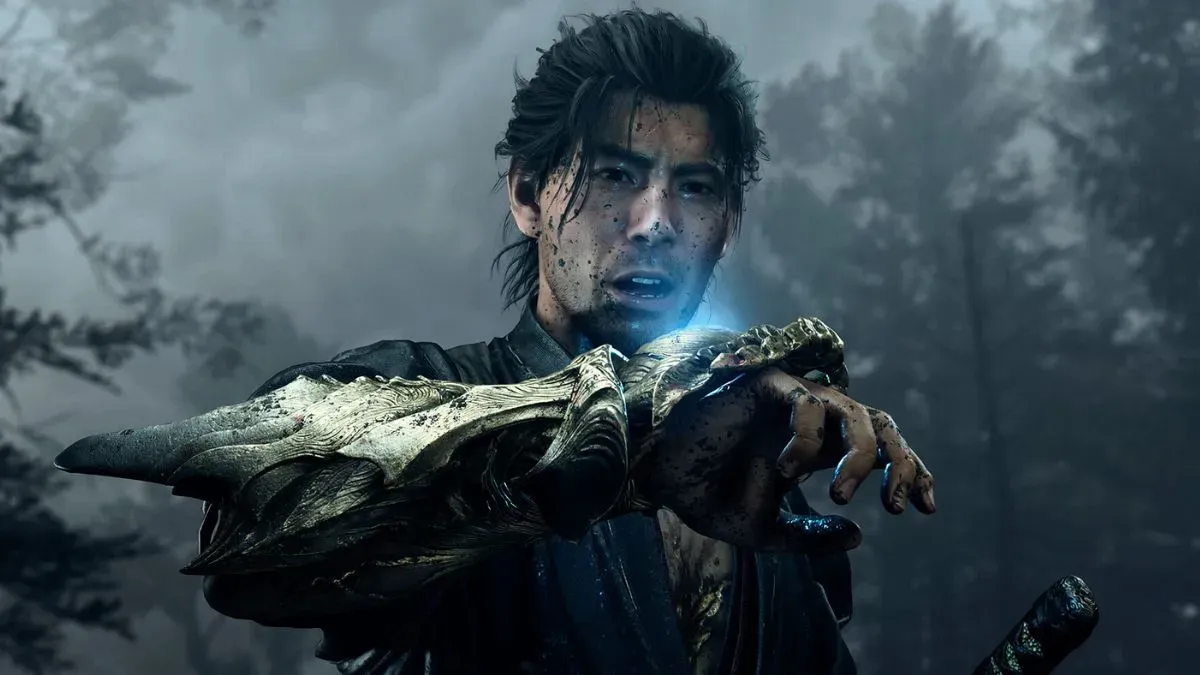
His initial contempt for the Oni Gauntlet also says a lot about him. When it first attaches itself to him, Musashi does not see it as some incredible power-up that he should be grateful to have. He wants the thing off. Drawing strength from it feels almost like cheating to someone who wants to know that he beat an opponent solely through his own sword fighting capabilities.
His attitude towards being a hero is not much different. Musashi spends a good portion of the game being dragged from one problem to another, sometimes feeling less like a chosen saviour and more like an increasingly annoyed errand boy. His response is often essentially, “like I have a choice.” He understands when people are in danger and he does help them, but that does not mean heroism is what initially drives him.
In fact, there are plenty of moments where simply telling him that a powerful enemy is waiting ahead seems to work just as well. The first time that confidence really cracks is after his defeat to Ganryu. Until then, stronger enemies were something to look forward to. Ganryu is different because Musashi has to confront a possibility he rarely seems willing to entertain: that his own strength may simply not be enough.
For a brief moment, that defeat pushes him somewhere darker. Musashi becomes tempted to consume human souls through the gauntlet to gain more power. He does not go through with it, but the fact that he even considers it shows just how deeply the loss gets to him. The same man who initially resented drawing power from the gauntlet is suddenly forced to confront how badly he wants to become stronger.
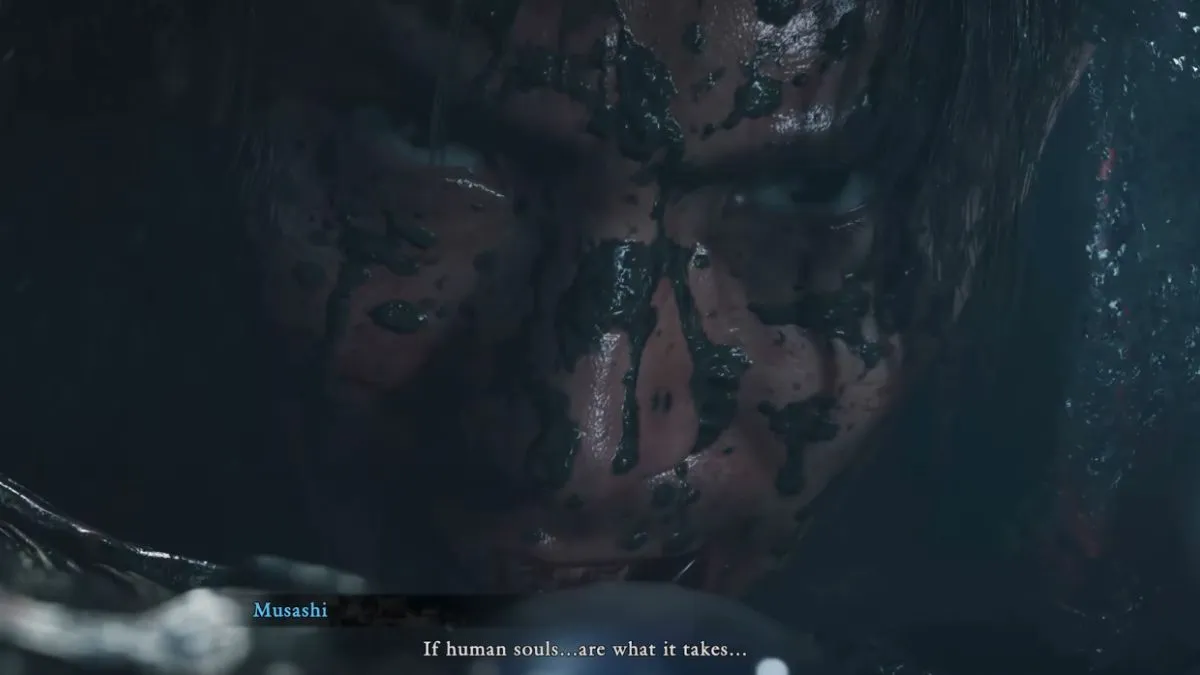
This is where Musashi becomes more interesting than the stubborn swordsman he first appears to be. He does eventually acknowledge his own weakness, but he does not stop chasing difficult opponents or suddenly become modest about his abilities. Instead, his relationship with the people around him, the Oni, and the power he once wanted nothing to do with begins to change. At the same time, the problems he keeps getting dragged into stop being merely obstacles on the way to the next good fight.
His motivations gradually become less inward-looking. The challenge still matters, but so do the people caught up in it.
Perhaps the biggest difference between Musashi at the beginning of Onimusha: Way of the Sword and the man he becomes over the course of the game is that his love of the fight never really goes away. The reason he picks up his sword simply becomes bigger than himself.
What makes Onimusha: Way of the Sword’s combat different?
That willingness to avoid the obvious choice also carries into the gameplay. There was obviously plenty that had to change 20 years after the last mainline Onimusha game. The older games were built around fixed camera angles and much more rigid movement, while Onimusha: Way of the Sword now sits closely behind Musashi with faster, smoother movement and far more dynamic combat. Capcom has said that one of its goals was essentially to take the kind of sword fighting players used to see in the older games’ cinematics and finally make that possible during actual gameplay.
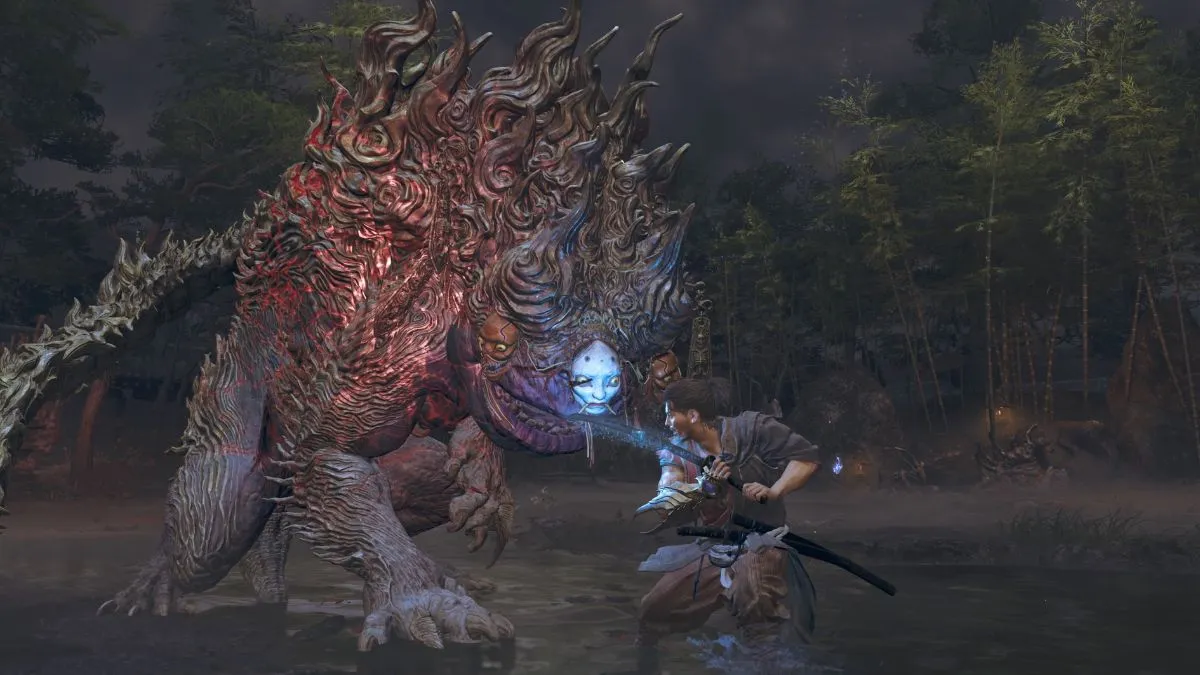
But underneath that modernisation are systems that still feel very Onimusha. The Oni Gauntlet and soul absorption remain central, as does Issen and its original risk-reward of striking just before an enemy hits. Soul absorption still creates that decision of whether to stop and take what is available or leave it for later, only now Musashi can absorb souls while moving to suit the much faster pace. Even Issen has been expanded rather than replaced, with different animations depending on the direction of an attack, and dynamic dismemberment based on where Musashi’s blade actually passes through an enemy.
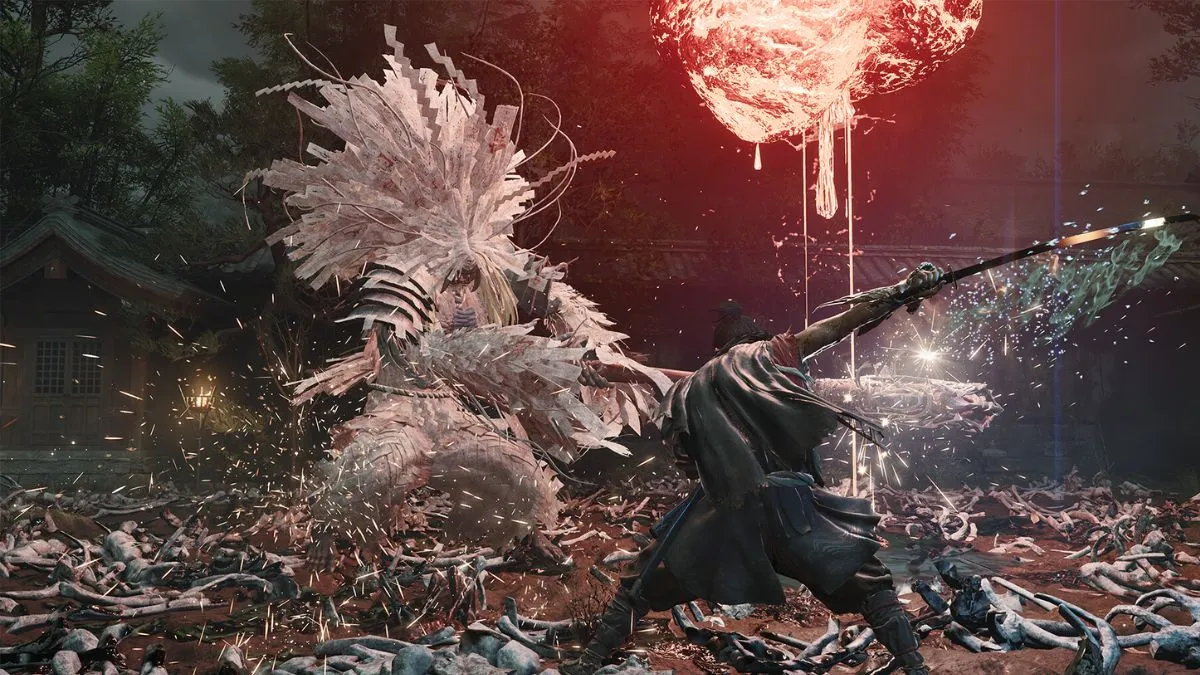
The combat starts to feel distinct in how all of those ideas come together. It is not simply old Onimusha with a modern camera, nor is it another action game where every sword exchange boils down to waiting for the same perfect parry. Musashi can block attacks coming from dozens of angles, get pushed or knocked off balance by their force, deflect, parry, dodge, or gamble on an Issen, with the animation changing to sell what actually happened between the two blades.
The combat system puts enough attention into those interactions that a sword feels less like a damage button and more like a pillar with which the entire fight is being built around.
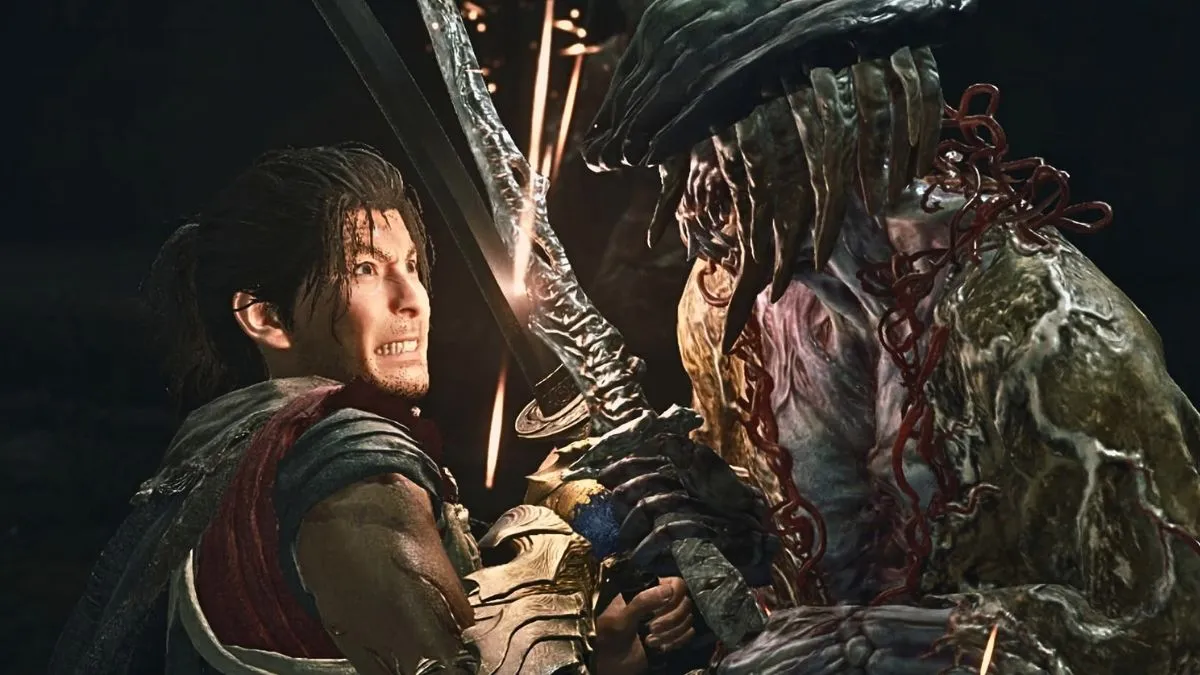
Onimusha: Way of the Sword shows that making an older series relevant again does not mean forcing it into the shape of whatever is already succeeding. There is nothing wrong with borrowing ideas that work, but relevance does not have to come from conformity. Games can modernise, rethink how they play, take a different approach to the kind of protagonist they want to follow, and break away from conventions that have already proved successful elsewhere.
Musashi is probably the clearest expression of that. He is difficult, stubborn, selfish, competitive, and not always especially interested in being anyone’s hero, yet the game never treats those traits as flaws that need to be scrubbed away. They are part of what gives him room to grow without turning him into someone else.
The harder part is doing all of that well without losing an identity of your own. Onimusha: Way of the Sword manages it by letting both its combat and its protagonist take less obvious routes, then committing to those choices hard enough that they feel deliberate rather than different for the sake of it.
Onimusha: Way of the Sword launched on 4 September, 2026 on PC via Steam for US$69.99 for the Standard Edition and US$79.99 for the Deluxe Bundle. We received a copy of the game for coverage.